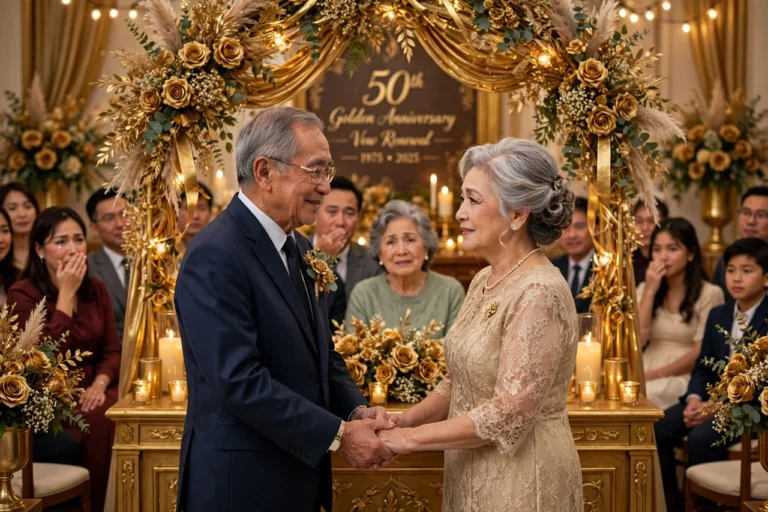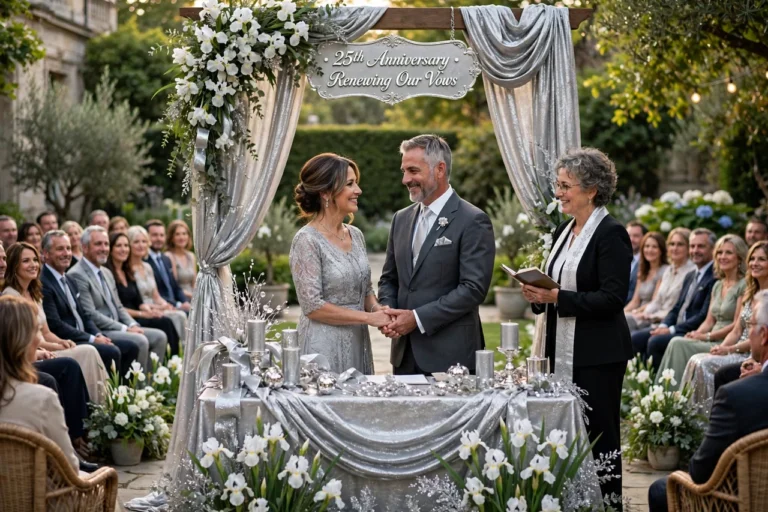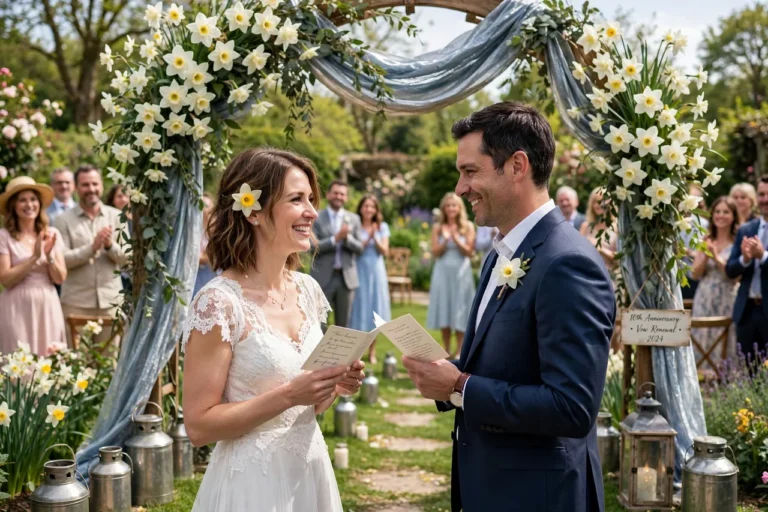
He stood at the altar once in a rented tuxedo he barely remembers choosing. This time, he gets to do it right — with the confidence of a man who knows his style, his size, and what actually matters. These vow renewal outfit ideas for the groom cover everything: the suit and formality guide, 30 outfit ideas from classic to bold, color coordination with the bride, the accessories that separate sharp from sloppy, tailoring rules, a grooming checklist, and answers to the questions grooms actually ask (but rarely voice).
Here’s the truth about groom style at vow renewals: the bar is “look like the best version of yourself,” not “look like a wedding model.” Nobody expects a fashion transformation. They expect the man she loves, polished: clothes that fit, shoes that shine, hair that’s handled, and the quiet confidence of someone comfortable in his own skin. This guide will get you there without a single trip down a fashion rabbit hole. For photo ideas featuring your sharp look, see our wedding day photo ideas for couples.
The Groom’s Renewal Mindset
First, reframe the assignment. You’re not “dressing up” — you’re honoring the occasion and the woman standing across from you. She will remember what you wore; so will the photos. But the goal isn’t to impress strangers — it’s to look like you take this seriously, because you do. The best-dressed grooms at renewals share three traits: everything fits (tailoring is 80% of style), everything is intentional (no “I just grabbed this”), and everything is comfortable enough to forget about (if you’re tugging at your collar all day, the outfit failed).
Second, coordinate — don’t match. You and the bride should look like a couple, not twins. Share a formality level and a color story. If she’s in champagne, your navy suit glows. If she’s in a bold color, your neutral suit lets her shine. Discuss it explicitly; “what are you wearing?” is as useful for grooms as for guests.
Third, invest where it shows. A $300 suit with $100 of tailoring beats a $1,000 suit off the rack. Great shoes beat a great tie. A good haircut beats a pocket square. Spend your money and attention in that order.
The Suit and Formality Guide
| Formality | Suit | Shirt | Tie / Bow | Shoes |
|---|---|---|---|---|
| Black tie | Black tuxedo, peak or shawl lapel | White tuxedo shirt, studs | Black bow tie | Black patent oxfords |
| Formal | Dark suit (charcoal, navy, black) | White dress shirt | Silk tie, dark tone | Black or dark brown oxfords |
| Cocktail | Navy, gray, or charcoal suit | White or light blue shirt | Tie optional | Oxfords, derbies, or loafers |
| Garden / Daytime | Light gray, tan, or blue suit | White or pastel shirt | Optional; open collar fine | Brown loafers or derbies |
| Beach | Linen suit or separates | Linen shirt, untucked ok | No tie | Loafers, no socks; or barefoot luxe |
| Casual | Blazer + chinos (no full suit) | Button-down, tucked | No tie | Loafers or clean minimal sneakers* |
*Sneakers only when the dress code is genuinely casual and they’re pristine, minimal, and intentional — not gym shoes. When in doubt, loafers.
The formality-matching rule: dress at the same level as the bride, or one notch below her maximum. If she’s in a gown, you’re in a suit minimum. If she’s in a cocktail dress, your suit (tie optional) is perfect. If she’s in a sundress, your blazer-and-chinos keeps you harmonious. The couple should look like they’re attending the same event — because they are.
30 Vow Renewal Outfit Ideas for the Groom
Classic Suiting (1–8)
- The navy suit, perfected: A well-fitted navy suit, white shirt, no tie, brown loafers — the single most versatile groom outfit in existence. Appropriate almost everywhere except black tie and beach.
- Charcoal formality: Charcoal suit, white shirt, dark silk tie — for formal evening renewals. Understated, powerful, timeless.
- The black suit (done right): Black suit, white shirt, black tie — sleek and modern. Avoid at daytime outdoor events (it reads funereal in harsh sun); own it after dark.
- Three-piece polish: Suit plus matching waistcoat — instantly more formal and more interesting. The waistcoat also saves you when the jacket comes off for dancing.
- Double-breasted confidence: A double-breasted blazer or suit — sartorial, bold, flattering on taller frames. Keep everything else simple; the silhouette is the statement.
- The gray flannel: Medium-gray flannel suit — soft, elegant, perfect for fall and winter. Texture does the talking; keep shirt and tie quiet.
- Morning dress (ultra-formal): For the grandest daytime renewals — cutaway coat, striped trousers, waistcoat. Rare, magnificent, unforgettable.
- The tuxedo, second time: If your renewal is black tie, wear the tux properly this time — tailored, with real studs, a proper bow tie (learn to tie it), and patent shoes. No rental-store shortcuts.
Modern Twists (9–14)
- Turtleneck under suit: A black or charcoal turtleneck under a suit instead of shirt-and-tie — sleek, modern, fashion-forward. Best for fall/winter evening renewals.
- The colored suit: Burgundy, forest green, or deep teal suit — confident, celebratory, memorable. Keep shirt white and accessories minimal; the color is enough.
- Pattern play: A subtle check, windowpane, or herringbone suit — visual interest without loudness. Excellent for daytime and garden settings.
- Monochrome: Black shirt with black suit, or tonal navy-on-navy — modern, slimming, dramatic. Requires confidence and excellent fit.
- The statement blazer: Velvet blazer (burgundy, emerald, navy) with black trousers — evening glamour without full formal wear. The holiday-party hero, renewal-approved.
- Suit separates: Navy blazer with gray trousers (or vice versa) — less formal than a suit, more polished than casual. The smart-casual sweet spot.
Smart Casual (15–20)
- Blazer + chinos: Unstructured navy blazer, crisp chinos, open-collar shirt, loafers — the casual-renewal uniform. Neat, comfortable, appropriate.
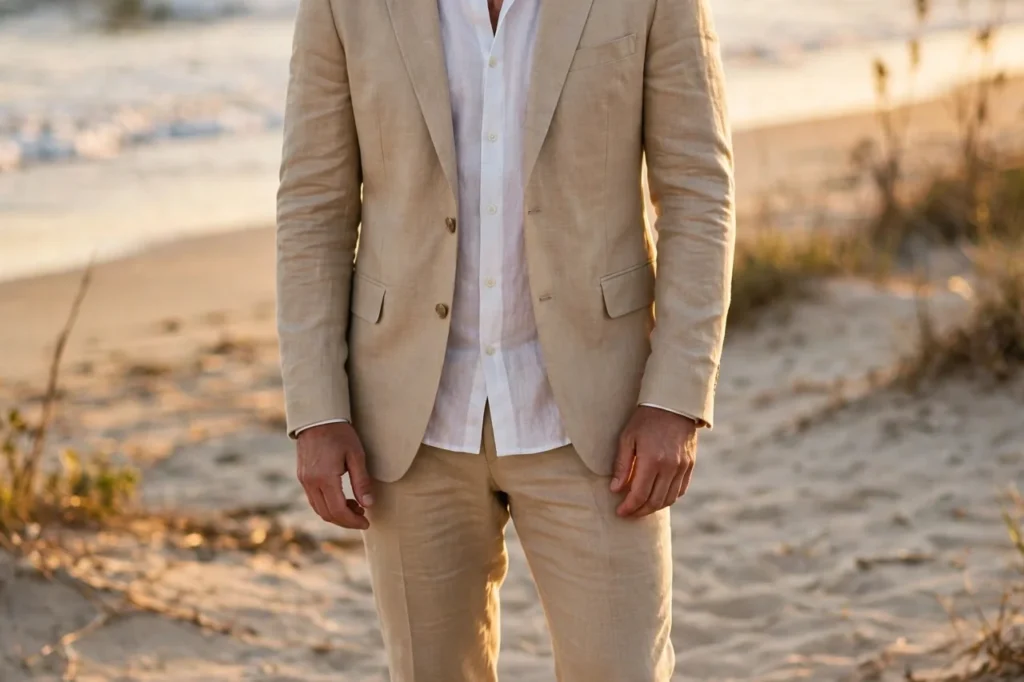
- The linen suit: Full linen suit in tan, stone, or light blue — the warm-weather groom’s answer. Embrace the wrinkles; press the collar.
- Sweater + trousers: A fine-gauge merino sweater (crew or V) with tailored trousers — for intimate winter renewals. Quietly elegant.
- The overshirt: A tailored overshirt or shacket in wool or heavy cotton over a tee or henley, with dark jeans or chinos — modern casual done right.
- Guayabera / heritage shirt: For tropical or Latin-heritage renewals — an embroidered guayabera or barong with dress trousers. Cultural, breathable, distinguished.
- Dark denim, elevated: Dark, raw, undistressed jeans with a blazer and Chelsea boots — only for genuinely casual codes. The jeans must be immaculate.
Seasonal Picks (21–25)
- Spring: Light gray or blue suit, pastel shirt or none-tie, brown shoes. Fresh, bright, optimistic — matches the season.
- Summer: Linen or cotton suit, open collar, loafers without socks. Light colors reflect heat and look right in harsh sun.
- Fall: Flannel or tweed, burgundy or forest accents, boots. The most forgiving season for menswear — texture everywhere.
- Winter: Dark wool suit or velvet blazer, overcoat, scarf. An overcoat isn’t optional in real winter — it’s part of the outfit.
- Transitional: The navy suit again — with layers you can add or shed. A sweater over the shoulder for photos, on for the chilly bits.
Statement Choices (26–30)
- All white / ivory suit: Bold, brilliant, unforgettable — for the confident groom at a summer or destination renewal. Keep it immaculate; white shows everything.
- The kilt or cultural dress: Scottish, Nigerian, Indian, or other heritage formal wear — the most meaningful choice a groom can make. Wear it with pride and correctness.
- Vintage tuxedo: A genuine vintage tux (not a costume) — peak lapels, proper proportions. Timeless in a way modern rentals can’t touch.
- The bolo and boots: For Western renewals — a tailored suit with bolo tie and boots. Regional, authentic, sharp when done with quality pieces.
- Your wedding suit, reborn: The suit you married in, retailored — continuity with a fresh fit. Have it cleaned, altered to your current self, and wear it like the history it holds.
Color and Coordination with the Bride
Here’s how to harmonize without matching: share the formality, echo the palette. If she’s in champagne, your navy suit with a champagne pocket square ties you together. If she’s in blush, your gray suit with a blush boutonnière echoes her. If she’s in bold color, your neutral suit gives her the spotlight. The boutonnière is your coordination tool — a small flower in her palette on your lapel says “we’re a pair” more elegantly than any matching outfit could.
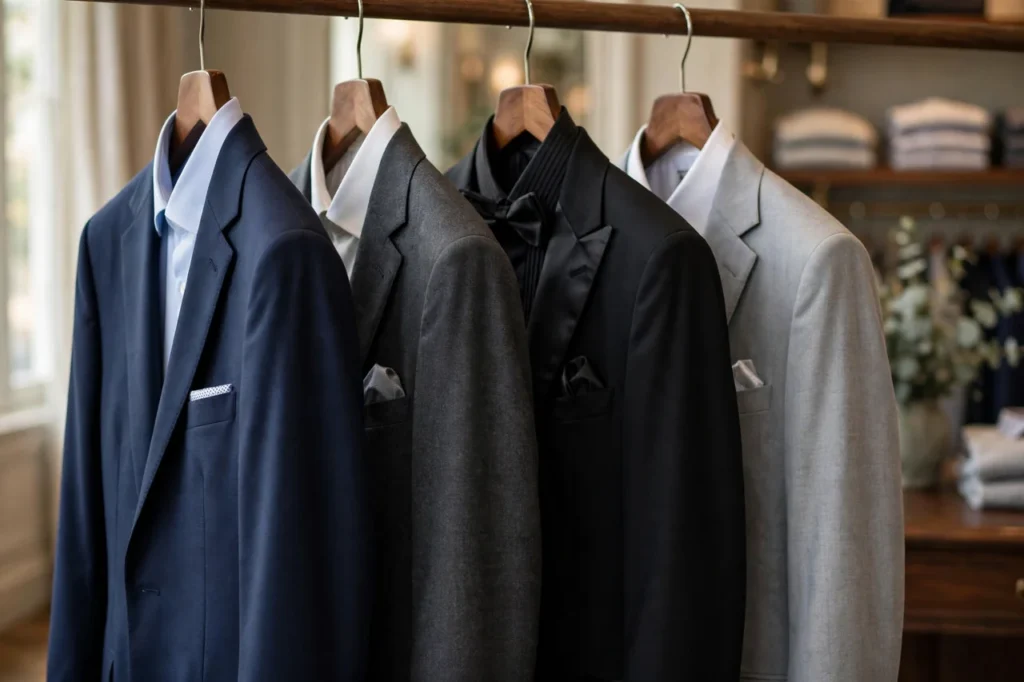
What to avoid: the exact same color head-to-toe (you’re a couple, not a uniform), white/ivory suits when she’s in white (you’ll blend into one white blob in photos), and clashing formality (her gown + your chinos is a mismatch, not a look). When in doubt, send each other photos the week before — a 30-second check prevents a lifetime of “what was he thinking” in the album.
The Details: Accessories That Matter
Accessories are where good outfits become great — and where bad ones reveal themselves. Prioritized by impact:
- Shoes (highest impact): clean, polished, appropriate. Scuffed shoes ruin everything above them. Invest here first — one great pair of oxfords and one of loafers covers 95% of renewals.
- The watch: wear your best watch, or none. A cheap flashy watch undermines a good suit; a simple classic elevates it. This is also the traditional “renewal gift to self” — many grooms mark the milestone with a timepiece.
- Belt and suspenders: match belt to shoes (brown with brown, black with black). Or skip the belt for suspenders with a three-piece suit — very sharp.
- Pocket square: white linen, TV fold — done. It takes ten seconds and elevates any suit. Avoid matching it exactly to the tie; complement instead.
- Tie or bow tie: if worn, learn a proper knot (Four-in-Hand for most, Windsor for spread collars). The tie should reach the belt buckle — no shorter, no longer.
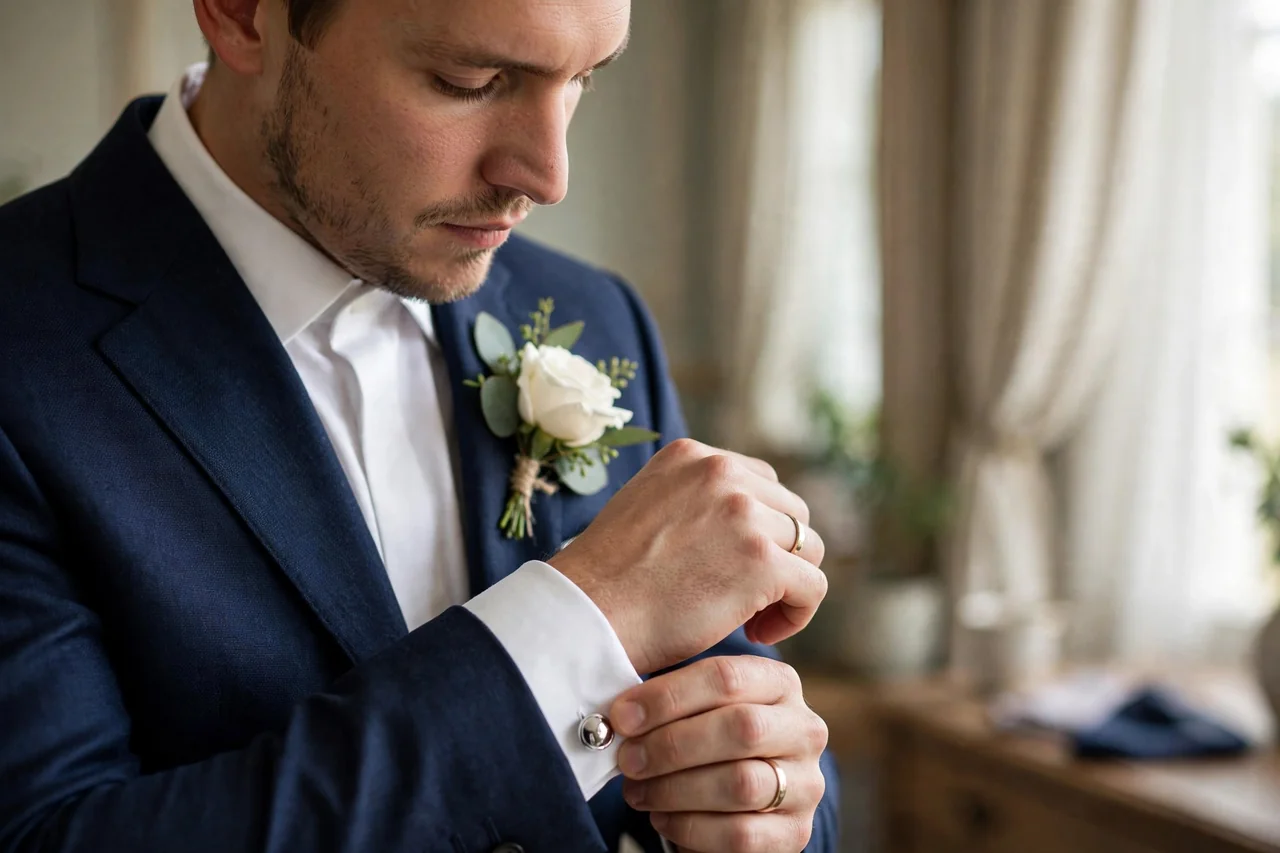
- Boutonnière: pinned on the LEFT lapel, stem down. Keep it small and fresh — a single bloom with greenery. Remove it before it wilts (usually by dinner).
- Cufflinks: for French-cuff shirts — simple metal, no novelty shapes at a renewal. Heirloom cufflinks (father’s, grandfather’s) are a beautiful touch.
- Socks: match to trousers (not shoes), over-the-calf length so no skin shows when seated. No white socks with a suit. Ever.
- Fragrance: one or two sprays, applied 30 minutes before. She’ll remember how you smelled; make it good, not loud.
Watch: The Groom’s Guide to Choosing the Perfect Suit
See suit styles, fits, and colors compared side by side — a visual walkthrough that makes choosing your renewal look much easier:
Tailoring and Fit: The Non-Negotiables
Fit is 80% of style. These are the rules a tailor would tell you:
- Jacket: shoulders end where yours end (no divots, no overhang); you can button it without pulling; sleeves show 1/4–1/2 inch of shirt cuff.
- Trousers: waist sits without a belt holding them up; break is slight (half-break) — pooling fabric looks sloppy, high-water looks accidental.
- Shirt: collar fits two fingers; cuffs reach the wrist bone; no billowing at the waist when tucked (darts or a fitted cut fix this).
- The hug test: raise your arms, hug someone, sit down — the jacket shouldn’t pull across the back or ride up excessively. You’ll do all three constantly.
Budget for alterations: $50–$150 transforms an off-the-rack suit. Hem trousers, take in the jacket waist, adjust sleeve length — these three cover 90% of fit issues. Find a tailor (not a dry-cleaner’s alteration counter) and go 3–4 weeks out. For caption ideas with your sharp look, our wedding day Instagram captions for groom have you covered.
The Groom’s Grooming Checklist
Outfit handled? Now the rest of the package — scheduled backwards from the day:
| When | What | Notes |
|---|---|---|
| 1 week before | Haircut | Not the day before — hair needs 5–7 days to settle into a cut |
| 3–4 days before | Facial / skincare | Nothing new or aggressive — no experimenting this week |
| 2 days before | Nails trimmed and clean | Hands are in photos (rings, holding hands) — don’t neglect them |
| Day before | Shave or beard trim | Decide: clean-shaven or groomed beard — commit, don’t improvise |
| Morning of | Shower, deodorant, fragrance, teeth | Pack touch-up kit: mints, blotting papers, mini fragrance |
| 1 hour before | Final mirror check | Shoes polished, tie straight, boutonnière fresh, smile ready |
The beard decision: if you normally have a beard, keep it — she loves you with it. Just get it professionally shaped 2–3 days before. If you’re normally clean-shaven, don’t grow one for the renewal. The rule: look like the best version of your everyday self, not a different person.
For words to pair with your look, our wedding day quotes about love and marriage offer timeless sentiments for toasts and posts alike.
The Groom’s Big-Day Timeline
While the bride is in hair and makeup, here’s your schedule — because “I’ll just get dressed” at 4 p.m. for a 5 p.m. ceremony is how grooms end up stressed:
- Morning: eat a real breakfast, hydrate, lay out every item (suit, shirt, tie, shoes, socks, cufflinks, boutonnière in water, fragrance, touch-up kit). Photograph the layout — it catches missing pieces.
- 3 hours before: shower, groom (shave/beard final pass), apply fragrance (it needs 30 minutes to settle).
- 2 hours before: dress in full — shirt, trousers, shoes first, then jacket, tie, pocket square, cufflinks last. Check the mirror from all angles; sit down to test comfort.
- 1 hour before: pin the boutonnière (left lapel, stem down), final mirror check, touch-up kit in pocket, phone on silent, breathe. You’re done — go be present.
- Pro move: designate a “groom’s best man” (your actual best man) to hold the rings, the vows (if written), and the emergency kit. Your only job after dressing is to show up calm and happy.
Seven Groom Mistakes to Avoid
- Skipping the tailor: the #1 groom error. Off-the-rack almost never fits; $75 of alterations is the best money in menswear.
- New shoes on the day: break them in for two weeks minimum. Blisters make grooms limp down the aisle — there are photos of this. Don’t be one.
- The wrong formality: tuxedo at a backyard barbecue, or chinos at a ballroom — both signal you didn’t read the invitation. Match the code.
- Forgetting the boutonnière pin: it needs a proper pin or magnet, placed correctly. A drooping boutonnière is worse than none.
- Overdoing fragrance: two sprays maximum. She’ll be standing close; the guests in row one will smell you too.
- Ignoring the weather: no overcoat in real winter, no breathable fabrics in summer heat — plan for the actual forecast, not the hoped-for one.
- Leaving the bride uncoordinated: the couple that doesn’t discuss outfits risks the gown-and-chinos mismatch. One conversation prevents it.
Dressing Groomsmen and the Wedding Party
If your renewal includes groomsmen, keep it simple and consistent: same formality, coordinated (not identical) looks. The classic approach — groomsmen in the same suit as the groom but with different ties, or the groom in a slightly elevated version (waistcoat, different boutonnière). For casual renewals, give a formula (“navy blazer, white shirt, khakis, brown shoes”) rather than a uniform — it photographs cohesively while letting personalities show. Who pays: if you’re dictating specific purchases, you pay (or subsidize); if you’re giving a formula they can shop from their closets, they pay. Kids in the party: comfortable, simple, and photogenic — a mini version of the adult formula, with shoes they can actually run in.
Rent vs. Buy: The Honest Math
Rent when: the dress code is black tie (tuxedos are rarely reworn), the event is a one-off formality level you’ll never touch again, or your size is in flux. Modern rental services offer genuinely good suits — just order early enough for a backup size and budget for minor tailoring (most allow it). Buy when: it’s a navy or charcoal suit you’ll wear for years (cost-per-wear makes buying cheaper fast), you have time for proper tailoring, or you’re between standard sizes (owned suits alter better). The hybrid: buy the suit, rent the tuxedo — the rule most well-dressed men live by. And whatever you choose, never rent shoes. Owned, broken-in, polished shoes are non-negotiable; rental shoes are where good outfits go to die.
Frequently Asked Questions
What should the groom wear to a vow renewal?
A well-fitted suit (or tuxedo for black tie) matched to the formality of the event and coordinated with the bride’s outfit. The navy suit is the most versatile choice; charcoal for formal evenings; linen for beach; blazer-and-chinos for casual. Fit matters more than price — budget for tailoring.
Does the groom have to wear a tuxedo to a vow renewal?
Only if the dress code is black tie. For most renewals (cocktail, semi-formal, garden, casual), a suit or blazer is correct and a tuxedo would be overdressed. Match the invitation’s formality, not your wedding-day memory.
Can the groom wear black to a vow renewal?
Yes — a black suit is sleek for evening renewals. Avoid it for daytime outdoor events (it reads funereal in harsh sunlight) and skip the black-shirt-black-suit monochrome unless you have the confidence and fit to carry it.
Should the groom’s outfit match the bride’s?
Coordinate, don’t match. Share a formality level and echo her palette through the boutonnière, pocket square, or tie — not identical colors head to toe. Send each other photos the week before to confirm harmony.
What shoes should the groom wear?
Oxfords or derbies for formal/suit looks, loafers for cocktail and casual, and breathable loafers (no socks) or barefoot-luxe for beach. Whatever you choose: polished, broken in, and appropriate to the surface (no stilettos-on-grass equivalent — leather soles on wet grass are treacherous).
How much should a groom spend — and is tailoring worth it?
A solid suit runs $200–$600 off the rack plus $50–$150 tailoring; shoes $100–$250; total $400–$1,000 for a complete sharp look. And yes — tailoring is absolutely worth it even when things ‘fit fine.’ Off-the-rack ‘fine’ and tailored ‘perfect’ are visibly different in photos. At minimum: hem the trousers, check sleeve length, take in waist billowing. It’s the highest-ROI $75 in menswear: a $300 suit with $100 of tailoring beats a $1,000 suit off the rack.
Can the groom wear his original wedding suit?
If it fits (or can be altered to), it’s a wonderful choice — have it cleaned and retailored to your current self. Bodies change; the suit should reflect who you are now, not who you were. If it’s hopelessly dated or ill-fitting, retire it with honor and buy new.
What should the groom wear to a beach vow renewal?
A linen suit or linen shirt with lightweight trousers, no tie, loafers without socks (or barefoot if the vibe allows). Light colors, breathable fabrics, and wind-proof grooming (product in the hair, not a style that collapses). Roll the sleeves once the ceremony ends.
Do grooms need a boutonnière for a vow renewal?
It’s traditional and recommended — a small fresh bloom on the left lapel marks you as the groom and coordinates with the bride. Keep it small, keep it fresh, and remove it when it wilts. A boutonnière in her palette is the easiest coordination win available.
What if the groom hates wearing suits?
Then don’t force one — an uncomfortable groom is visible in every photo. Elevated alternatives: a tailored blazer with trousers, a fine-gauge sweater with dress pants, a heritage shirt with tailored trousers, or a perfectly fitted all-black ensemble. The requirement is polish and intention, not a specific garment. She married you, not a suit.
One Last Thing: The Photos Last Forever
You’ll look at these photos on every anniversary from here on out. Your kids will see them. Maybe grandkids. The suit you choose, the fit you nail, the details you handle — they’re not vanity, they’re legacy. Not the stiff, posed kind of legacy, but the real kind: a man who showed up for his marriage looking like it mattered, because it did. Twenty years from now, you won’t remember the brand of the suit. You’ll remember that you felt great, she looked radiant, and the photos prove it. So take the extra week for tailoring, spend the extra hour on the details, and stand a little taller — you’ve earned this moment twice over, and you should absolutely look like it. Dress sharp, stand tall, and enjoy every minute. You’ve chosen her twice — that’s worth looking your absolute best for.
Look Like the Man She Chose — Twice
She chose you once, not knowing how the story would go. She’s choosing you again, knowing exactly how it goes — and choosing it anyway. That’s the man you dress for: the one who showed up, stayed, grew, and is still standing there. A well-fitted suit, polished shoes, and the quiet confidence of being comfortable in your own skin — that’s the whole formula.
These vow renewal outfit ideas for the groom are tools, not rules. Pick the formality, nail the fit, coordinate with your bride, handle the details, shine your shoes, and then forget about the clothes entirely — because the best-dressed groom at any renewal is the one who’s fully present, holding his partner’s hands, looking like the best version of himself, and meaning every single word. For morning-of photo ideas in your final look, see our wedding day morning photo ideas.
A Note for the Groom
Here is the underrated truth about vow renewal outfits for grooms: your job is to look like the man she chose twice, not like a mannequin. Fit beats price every single time — a well-tailored off-the-rack suit photographs better than an expensive one that pulls at the shoulders. If you are wearing the same suit style as your wedding day, change one signature detail: a different tie, a boutonniere from her bouquet, or her favorite color in the pocket square. It signals this is a new chapter, not a replay. Break in the shoes for two weeks — nothing ruins a first dance like blisters. And carry the vows in the inside pocket of your jacket, folded small. Guests will never see them, but you will feel them there the whole ceremony, and that steadiness shows up in every photo.