Valentine’s Day Gifts for Couples Who Hate Cliches — this guide is for you. You know who you are: the couple that rolls their eyes at the drugstore teddy bear clutching a satin heart, that finds “dinner and a movie” about as romantic as a dentist appointment, that wants February 14th to feel like you, not like a greeting-card commercial. Good news: rejecting clichés doesn’t mean rejecting romance. It means upgrading it — trading the generic for the specific, the expected for the inspired, the mass-produced for the meaningful.
Below: a field guide to what counts as a cliché (and why), genuinely unconventional gift ideas across budgets, experience-based alternatives, how to “de-cliché” traditional gifts you secretly like, and the art of building Valentine’s traditions that are yours alone. No roses-and-chocolates here — unless they’re the weirdest roses and chocolates you’ve ever seen.
What Makes a Gift a Cliché (And Why It Bothers You)
A cliché isn’t a bad gift — it’s a gift whose meaning has been worn thin by repetition. Red roses, heart-shaped boxes, generic jewellery, the overpriced prix-fixe dinner: none are inherently unromantic. They bother cliché-haters for three reasons:
- Zero specificity: the gift could be for anyone, from anyone. It says “it’s Valentine’s Day” rather than “I know you.”
- Performative pressure: clichés feel obligatory — done because the calendar demands it, not because the heart does. Couples who hate clichés are really objecting to obligation disguised as romance.
- Commercial cynicism: the markup on February 13th roses is common knowledge, and knowing you’re participating in a price-gouging ritual kills the mood.
The fix isn’t to avoid romance — it’s to relocate it. The anti-cliché gift says: I thought about us specifically, and this is what I came up with. That’s actually more romantic than the traditional script. You’re not rejecting Valentine’s Day; you’re authoring your own version.
The Anti-Cliché Gift Philosophy
Before ideas, principles — the lens for judging any gift’s cliché-quotient:
- Specific beats generic. “A book” is generic; “the out-of-print essay collection by the author you quoted on our third date” is a missile of romance.
- Story beats stuff. Gifts with a narrative — where it came from, why this one, what it references — defeat cliché automatically. Clichés have no story.
- Effort beats expense. The hand-drawn map of your relationship’s key locations out-romances a generic diamond pendant at ten times the price.
- Shared beats solo. Anti-cliché couples often prefer gifts that do something together over objects for one person.
- Weird is welcome. If it makes you both laugh or say “where did you find this?” — you’re on the right track.
- Traditions are yours to invent. The ultimate anti-cliché move: your own rituals. Order the same terrible takeaway every Valentine’s. Hike the same trail. The ritual becomes romantic because it’s yours.
Unconventional Gift Ideas That Actually Land
Hyper-personal artefacts ($10–$80)
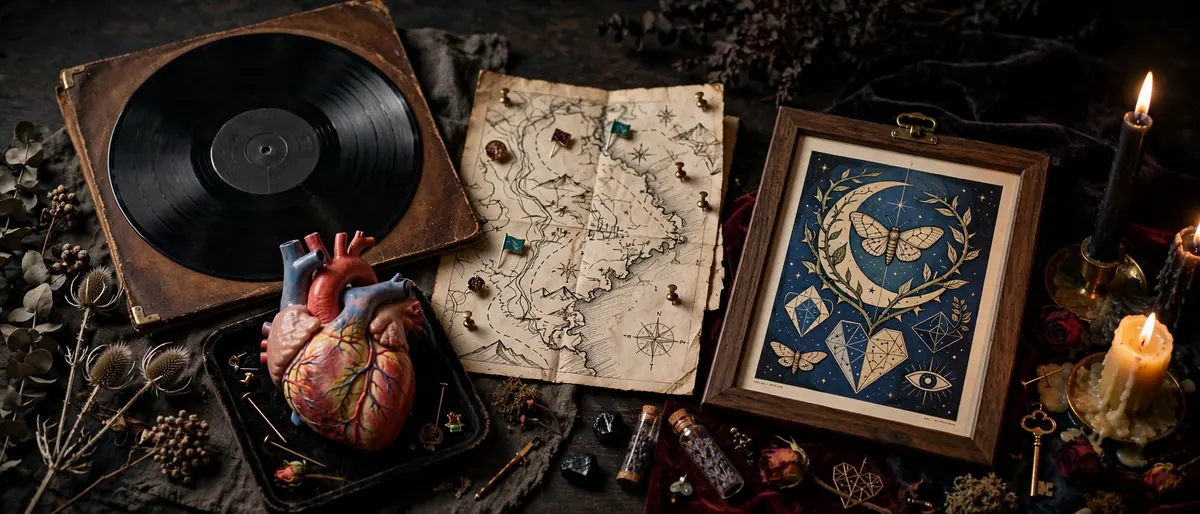
- The annotated map: a map (of your city, or the world) marked with every significant location in your relationship — where you met, first date, the argument bench, the proposal spot — with handwritten notes. Frame it. This is the anti-cliché hall of fame.
- A custom “museum” of your relationship: a shadow box or small shelf containing artefacts — ticket stubs, the cork from that bottle, a pebble from that beach — each labelled like museum exhibits with deadpan curatorial notes. Funny, moving, utterly unique.
- The data portrait: visualise your relationship — a poster of your most-texted words, a chart of your message frequency over the years, a “constellation” of your shared Spotify artists. Nerdy romance at its finest.
- A letter from your future selves: write letters as your 80-year-old selves, looking back on your life together. Absurd, poignant, unforgettable.
Delightfully weird objects ($15–$60)
- Taxidermy-adjacent oddities (the tasteful kind): anatomical models, vintage medical illustrations, oddity-shop finds — for couples whose aesthetic runs dark-curious rather than hearts-and-flowers.
- Obscure fandom deep cuts: not the mainstream merch — the deep cut. The prop replica only true fans recognise. The first-edition paperback. The bootleg recording. It says “I know you at fan level.”
- Useless-but-beautiful machines: kinetic sculptures, elaborate domino machines, a high-quality kaleidoscope. Objects of pure delight with no purpose — the opposite of practical, and proud of it.
- Adopt something absurd: name a star (yes, it’s symbolic, not official — that’s part of the charm), adopt a zoo animal, sponsor a bench with a plaque bearing an inside joke.
Skills and secrets ($30–$150)
- Learn something neither of you can do: lock-picking (legal hobby kits exist), circus skills, blacksmithing taster, improv comedy. The shared incompetence is the bonding agent.
- A mystery neither of you can solve yet: an unsolved-case-file game, a puzzle box containing the real gift, a cryptex. The gift is the journey.
- Commission the uncommissionable: a song written about you two by a freelance musician, a poem by a professional poet, a portrait in an absurd style (you as medieval nobility, as sea captains). Custom art from unexpected angles.
For even more offbeat inspiration, our Valentine’s Day date ideas include plenty beyond dinner-and-a-movie.
Anti-Cliché Experiences: Do Something Unrepeatable
For couples who hate clichés, experiences usually beat objects — they’re inherently unrepeatable and un-Instagram-generic (well, mostly).
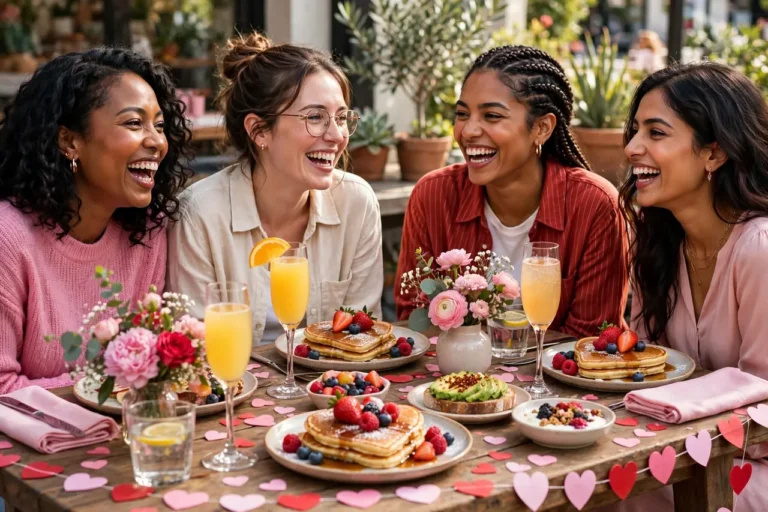
- The anti-date: deliberately do the opposite of the Valentine’s script — breakfast for dinner at a greasy spoon, a matinee of the least romantic film playing, competitive axe-throwing in formal wear. The inversion is the romance.
- Urban exploration: a guided ghost tour, an abandoned-places photography walk (legal ones), a street-art tour in a neighbourhood you’ve never visited. See your own city like tourists — or like detectives.
- The $20 challenge: each of you gets $20 and one hour in a thrift store/charity shop to find the other’s gift. Regift what you find over dinner. Hilarious, sustainable, and weirdly touching.
- Volunteer Valentine’s: spend the day at an animal shelter, food bank, or park clean-up, then cook together. Cliché-haters often love this — it’s meaningful without being saccharine.
- Recreate your worst date: go back to the terrible restaurant, order the same disastrous dish, laugh about how far you’ve come. Only for couples with a sense of humour about their history — which is to say, the best couples.
- Midnight adventure: a 2am drive to see the sunrise somewhere beautiful, a night-time museum event, stargazing far from city lights. The hour makes it feel stolen and special.

De-Clichéing the Classics: When You Secretly Like the Tradition
Plot twist: some clichés are clichés because they work. If you actually like flowers/chocolate/dinner but hate the genericness, upgrade rather than abandon:
- Flowers, de-clichéd: not red roses — their favourite flower, or something bizarre (black calla lilies, birds of paradise, a carnivorous plant — the Venus flytrap is the anti-cliché bouquet). Or a single perfect stem with a great note instead of a dozen generic ones.
- Chocolate, de-clichéd: skip the heart box; do a guided tasting of single-origin bars like a wine tasting, with notes. Or make truffles together — lopsided, hilarious, delicious.
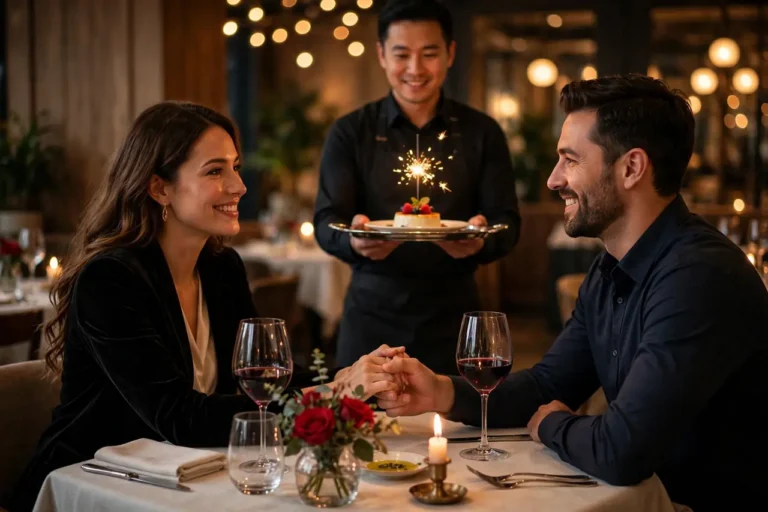
- Dinner, de-clichéd: not the prix-fixe — the tasting menu at the weird place, the restaurant that serves dinner in the dark, the food-truck crawl, or cooking a cuisine neither of you can pronounce. Our Valentine’s Day dinner ideas lean into the unconventional.
- Jewellery, de-clichéd: not the heart pendant — the weird, the vintage, the custom. A ring made from a meteorite. Earrings shaped like their favourite obscure thing. Jewellery with a story.
- The card, de-clichéd: write it as a fake historical document, a restaurant review of your relationship (“ambience: chaotic; would return”), or a technical manual (“Operating Instructions for Loving Me”).
Gifts by Personality: The Anti-Cliché Matchmaker
| They are… | Skip this cliché | Give them this instead |
|---|---|---|
| The intellectual | Generic jewellery | First-edition book, data portrait of your texts, lecture tickets |
| The adventurer | Prix-fixe dinner | Midnight hike, mystery destination day trip, climbing lesson |
| The aesthete | Red roses | Black calla lilies, oddity-shop art, design-object gift |
| The comedian | Sappy card | Roast-style “awards,” thrift-store $20 challenge, bad-movie night |
| The nerd | Teddy bear | Deep-cut fandom prop, puzzle box, commissioned absurd portrait |
| The romantic (closeted) | Nothing (“we don’t do Valentine’s”) | The annotated map — sentiment disguised as a project |
| The minimalist | Heaps of stuff | One perfect experience; a single stem; a letter |
| The foodie | Heart-shaped chocolates | Obscure-ingredient cooking challenge, dark-restaurant dinner |
| The activist | Fast-fashion gift | Volunteer day + donation in their name; vintage find |
| The old soul | Trendy gadget | Vintage vinyl, fountain pen, hand-written letter on cotton paper |
Watch: The Most Unconventional Valentine’s Gift Ideas
For fellow cliché-haters, this one’s a treat — a no-holds-barred rundown of the most unconventional Valentine’s gift ideas imaginable, from the absurd to the inspired:
Building Your Own Valentine’s Traditions
The final boss of anti-cliché romance: traditions so personal they couldn’t possibly be generic.
- The annual re-rating: every Valentine’s, you each rate the past year (categories of your choosing: “best adventure,” “worst cooking incident,” “most improved”) over a favourite meal. The archive becomes priceless.
- The time capsule: each year, add one object and one letter to a box, sealed until a future anniversary. You’re building a museum of us.
- The pilgrimage: revisit the same place every Valentine’s — the first-date spot, a favourite trail — and photograph yourselves in the same pose. Watch yourselves age together, annually.
- The anti-gift exchange: gifts must cost under $10, be second-hand, or be handmade. Constraints breed creativity — some couples say these are their favourite gifts ever.
- The question ritual: same five questions every year (“what surprised you about us this year?”), answers recorded. In a decade, you’ll have a documentary of your love.
- Valentine’s elsewhere: celebrate on a different day entirely — February 15th (half-price chocolate, zero crowds) or a random date that’s “yours.” Rejecting the calendar is the purest anti-cliché.
What NOT to Do (Even as a Cliché-Hater)
- Don’t confuse “no clichés” with “no effort.” “We don’t do Valentine’s Day” as an excuse for doing nothing is the biggest cliché of all — the performative nonchalance. The anti-cliché position requires more thought, not less.
- Don’t mock their secret soft spot. If they claim to hate romance but melt at a handwritten note, honour the melt. Cliché-hating is often aesthetic; the heart wants what it wants.
- Don’t make it about superiority. “We’re not like those couples” gets insufferable fast. Your anti-cliché Valentine’s should feel joyful, not smug.
- Don’t forget the fundamentals. Attention, affection, presence — these aren’t clichés, they’re the substance. All the quirk in the world doesn’t substitute for actually showing up.
On a budget? Being unconventional is often cheaper than being traditional — see our thoughtful Valentine’s Day on a budget guide for proof.
The Anti-Cliché Valentine’s Day Itinerary
Put it all together — a full February 14th for couples who hate clichés, from morning to midnight:
- Morning: the un-Valentine’s breakfast. Skip the heart-shaped pancakes (unless ironic). Go to the greasiest, most beloved local diner — or cook the most unromantic food you both love. The rule: no pink, no hearts, all joy.
- Late morning: the $20 thrift challenge. Split up, one hour, $20 each, worst/best gift competition. Meet back and present your finds with full ceremony. This is consistently reported as couples’ favourite Valentine’s activity — the constraint forces creativity and the results are hilarious.
- Afternoon: the adventure. Pick one from the experiences list — ghost tour, climbing wall, urban exploration, the museum you’ve never visited. The criterion: something you’d never do on a “normal” date.
- Evening: the anti-dinner. Not the prix-fixe — the food-truck crawl, the cuisine you can’t pronounce, the restaurant that serves in the dark, or the elaborate home-cooked meal of a dish you’ve both always wanted to attempt. Cook it together; the chaos is the point.
- Night: the ritual. End with your invented tradition — the annual re-rating, the question ritual, the time-capsule addition. The day’s events become next year’s stories.
- The gift: given whenever the moment feels right, not on a schedule. Anti-cliché gifting resists the “exchange at dinner” script — the surprise presentation is part of the gift.
“Don’t Get Me Anything”: A Translation Guide
Every cliché-hating couple knows this phrase. What it usually means:
- “Don’t get me anything” = “don’t get me anything generic.” The objection is to obligation-gifts, not to being thought of. A small, hyper-specific gesture honours the letter and the spirit.
- “Don’t get me anything” = “I’m stressed about reciprocating.” They’re worried about the gift-arms-race. Disarm it: agree on constraints together (under $20, handmade only, experiences only). Constraints are a love language for the budget-anxious.
- “Don’t get me anything” = “surprise me anyway, but make it good.” High risk, high reward. Only attempt if you know them deeply — and keep it small enough that “I said don’t get anything” can’t curdle into guilt.
- The safe play: a heartfelt letter plus one small specific thing (their favourite obscure snack, a book you know they want, the thrift-store find). It says “I listened” without saying “I spent.”
- The nuclear option: honour it completely — no gift — but invest everything in the day: the planned adventure, the cooked meal, the undivided attention. Sometimes the best gift is proving the day doesn’t need gifts.
Anti-Cliché Gifts for Milestone Valentines
Big anniversaries (5th, 10th, 25th) raise the stakes — here’s how to honour the milestone without reaching for the cliché playbook:
- The decade in objects: ten small items, one per year, each representing that year’s defining moment — the concert ticket, the house key copy, the pebble from the trip. Presented chronologically with notes. Ten years, ten artefacts, one extraordinary gift.
- The commissioned work: milestone years justify commissioning — a song, a portrait, a short film made from your photos by a freelance editor, a poem from a professional poet. Bespoke creative work is the anti-cliché luxury.
- The pilgrimage trip: return to where it all began — the city you met in, the restaurant of the first date — and do it properly: the best table, the hotel with the view, the full retracing. Nostalgia, executed flawlessly, is never cliché.
- The vow renewal, your way: not the package-deal ceremony — your own version. Vows exchanged on the thrift-store-challenge afternoon, or whispered on the midnight hike. The formality level is yours to set; the sincerity is what counts.
- The legacy gift: something that outlasts you both — a tree planted together with a plaque, a bench sponsored with an inside-joke inscription, a scholarship or donation in your shared name. Milestone love thinks in decades.
- The “state of us” address: a long, honest, funny, moving letter assessing the decade — what you got right, what you survived, what you want next. Read it aloud over a private dinner. Couples who do this describe it as one of the most powerful experiences of their relationship.
The One-Question Test for Any Gift
Stuck between options? Ask this single question: “Could this gift be for anyone, or could it only be for us?” If the answer is “anyone” — the generic roses, the standard box of chocolates, the gift-card-in-an-envelope — keep looking. If the answer is “only us” — the annotated map, the incident commemorated, the tradition invented — you’ve found it. Cliché-hating isn’t really about the objects; it’s a demand for specificity. It’s the insistence that love, to be real, must be particular. Pass the one-question test and whatever you give, at whatever price, will feel exactly right: unmistakably, defiantly, joyfully yours. And that is what the cliché-haters were after all along — not less romance, but romance with the serial numbers filed off and your own names engraved in their place. Be specific, be brave, be a little bit weird — and make this Valentine’s Day unmistakably yours.
Frequently Asked Questions
What do you get someone who hates Valentine’s Day?
First, distinguish “hates the clichés” from “hates the day.” Most cliché-haters love being celebrated — they just want it on their terms. Give them something specific, personal, and un-generic: an experience, a hyper-personal artefact, or your own invented tradition. And never use their anti-Valentine’s stance as an excuse to do nothing — that’s the one true cliché.
How can I be romantic without being cheesy?
Specificity is the antidote to cheese. Generic romance (“you’re my everything”) reads cheesy; specific romance (“I love how you narrate the dog’s thoughts in a film-noir voice”) reads as devastatingly attentive. Be concrete, be honest, be a little weird — and present it all with confidence rather than irony.
Are roses really that bad?
No — they’re only bad when they’re thoughtless. A single stem of their actual favourite flower with a brilliant note beats a dozen red roses with “love, me.” And de-clichéd flowers (their favourite variety, something unusual, a living plant) sidestep the issue entirely. The flower isn’t the cliché; the autopilot is.
What’s the best anti-cliché Valentine’s date?
Whatever inverts your expectations: the anti-date (greasy spoon in formal wear), the midnight adventure, the thrift-store challenge, recreating your worst date. The best ones combine novelty with intimacy — you’re doing something unusual together, which is the whole point.
How do I handle it if my partner secretly likes traditional romance?
Blend: deliver the traditional thing in an untraditional way. The flowers they secretly want, but it’s a carnivorous plant. The dinner, but it’s a dark restaurant or a cuisine adventure. The jewellery, but it’s vintage with a story. You honour both the aesthetic (yours) and the desire (theirs) — which is, frankly, what good relationships do.
Can anti-cliché gifts work for new relationships?
Beautifully — they’re lower-pressure than grand romantic gestures and they showcase personality, which is what early dating is for. The thrift-store challenge, a funny-experience date, or a small hyper-specific gift (“I noticed you love X”) all signal attentiveness without intensity. Just keep the weirdness affectionate, not alarming.
Valentine’s Day gifts for couples who hate clichés aren’t about rejecting romance — they’re about rescuing it from the generic. The couples with the best Valentine’s Days aren’t the ones who spent the most or followed the script most faithfully; they’re the ones who made the day unmistakably theirs. Be specific. Be a little weird. Build the tradition. And never, ever buy the drugstore teddy bear.