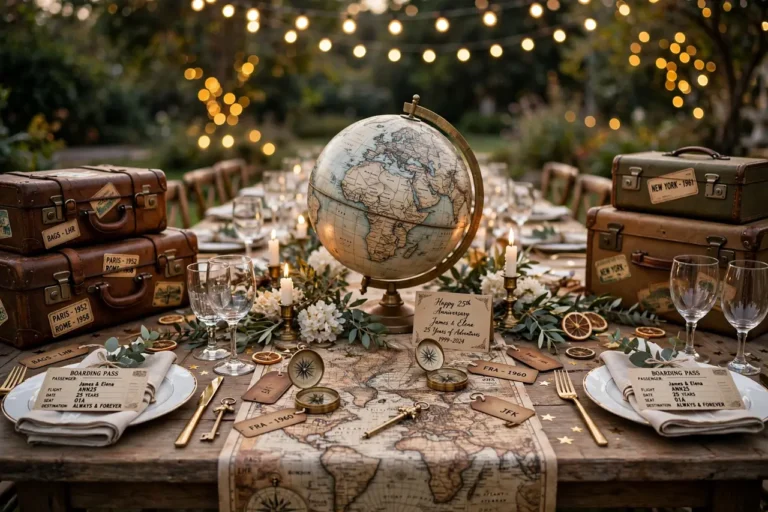
Every great proposal looks effortless. That is the trick of it — the proposals people remember for decades, the ones that get retold at anniversaries and written about in cards, all share one secret: they were planned with obsessive care and executed with total calm. If you want tips for a perfect proposal that actually work in the real world, you have come to the right place.
This is not a list of generic advice like “be romantic” or “pick a nice spot.” This is a phase-by-phase playbook built from what actually separates unforgettable proposals from forgettable ones: the groundwork you lay weeks ahead, the ring intelligence you gather quietly, the location you scout in person, the words you rehearse until they sound like you, the logistics you lock down on the day, and the celebration you plan for afterward. Thirty practical tips, organized in the order you will actually use them.
Whether you are planning an intimate kitchen-table proposal or a candlelit rooftop production, the fundamentals are the same: know your partner, control what you can control, and leave room for the moment to be human. Work through these seven phases in order, check off each tip as you go, and by the time you drop to one knee, the only surprise left will be theirs. Let us build your perfect proposal from the ground up.

Phase 1: Lay the Foundation (4–8 Weeks Out)
The perfect proposal begins long before anyone gets nervous. These early tips for a perfect proposal are invisible to your partner but decisive for the outcome.
Tip 1: Confirm you are both ready for marriage. Before you plan a single detail, make sure the big conversations have happened — timelines, values, finances, children, where you will live. A proposal should be the celebration of a shared decision, never the opening of a negotiation. If those talks have not happened yet, have them now, casually, over weeks — not as an interrogation, but as the natural deepening of your partnership.
Tip 2: Set a private decision date. Give yourself a target week for the proposal. Open-ended planning drifts; a date focuses you. It does not need to be a holiday or an anniversary — in fact, ordinary days often make the best proposals because the surprise is total. Pick your week, then plan backward from it.
Tip 3: Establish your budget honestly. Decide what you can genuinely afford for the ring, the location, the photographer, and the celebration — and write it down. A perfect proposal is never about how much you spent; it is about how much thought you invested. Debt is the enemy of romance. Spend within your means and pour the savings into creativity instead.
Tip 4: Recruit exactly one confidant. You need one person — a best friend, a sibling — who can help with logistics, hold secrets, and talk you down from bad ideas. One. Not a committee. Brief them on the plan, give them specific jobs, and swear them to absolute secrecy with a clear “tell no one, not even your partner” rule.
Tip 5: Study your partner like a researcher. For the next few weeks, pay deliberate attention: What jewelry do they wear? Do they love public attention or shrink from it? What places make them happiest? What songs, foods, and small rituals define your relationship? Keep notes on your phone. This intelligence file becomes the raw material for every personal touch in the proposal.
Phase 2: Get the Ring Right (3–6 Weeks Out)
The ring is the proposal’s most visible artifact. These tips ensure it lands perfectly.
Tip 6: Learn their taste before you shop. Notice whether they wear gold or silver, minimalist or statement pieces, vintage or modern styles. Ask their best friend — friends almost always know. Browse a jewelry store together under a pretext (“help me pick a gift for my sister”) and watch what they gravitate toward. The goal is a ring that feels like them, not like you.
Tip 7: Get the size right. Borrow a ring they wear on the correct finger and have a jeweler measure it, or trace its inner circle on paper. A ring that fits perfectly on the first try keeps the moment seamless; one that does not becomes an awkward footnote. Most jewelers resize for free or cheaply, but nailing it first is always better.
Tip 8: Prioritize cut over carat. Jewelers will tell you quietly what marketers will not: a well-cut smaller stone outshines a poorly cut larger one every time. If budget is a constraint, choose excellent cut and craftsmanship over sheer size. Nobody has ever said no because the diamond was a quarter-carat smaller than expected — but everyone notices sparkle.
Tip 9: Buy from a reputable jeweler with a return policy. This is not the purchase for a sketchy online deal. Choose a jeweler with certifications, reviews, and a sane return or exchange window. Ask about warranties, resizing policies, and insurance options. A calm, informed purchase beats a rushed bargain every time.
Tip 10: Invest in a slim proposal ring box. Traditional ring boxes are bulky and obvious — a rectangular bulge in your pocket is a surprise-killer. Slim, flat ring boxes designed for proposing disappear into a jacket pocket and open with one hand. Practice opening it smoothly; fumbling with the box at the critical second is a classic, avoidable stumble.
Phase 3: Choose and Scout the Location (2–4 Weeks Out)

Location is the stage your memory will be set on. Choose it with the care it deserves.
Tip 11: Pick somewhere meaningful, not just pretty. The most photographed proposal locations — famous overlooks, iconic bridges — are beautiful but generic. A perfect proposal location has history: where you first met, your favorite hiking trail, the restaurant from your third date, your own backyard strung with lights. Meaning beats scenery, because meaning is what you will talk about in twenty years.
Tip 12: Match the setting to their personality. An introvert who hates crowds will not enjoy a stadium proposal, no matter how spectacular. An extrovert who loves celebration might find a quiet living-room proposal underwhelming. Be honest about who your partner is — not who you wish they were for this moment — and design accordingly.
Tip 13: Scout in person at the same time of day. Visit the location exactly when you plan to propose. Check the light, the crowds, the noise, the parking, the phone signal, and the nearest restroom. What looks magical on Instagram at noon can be a wind tunnel at sunset. In-person scouting is the single highest-leverage hour of your entire planning process.
Tip 14: Always have a Plan B location. Weather, closures, and crowds are the unholy trinity of proposal logistics. Pre-scout a backup — an indoor alternative nearby — and keep it ready. Deciding on the morning of, calmly, beats improvising in a panic. Tell your confidant both plans.
Tip 15: Think about the photos before the day. You do not need a professional photographer, but you do need to think about documentation. Where will the light fall on their face? Is the background clean or cluttered? If a friend is filming on a phone, where should they stand? Five minutes of photo-thinking during scouting pays off in images you will treasure forever.
Phase 4: Craft What You Will Say (1–2 Weeks Out)
The words are the heart of the proposal. Everything else is staging; this is the substance.
Tip 16: Write from specifics, not from greeting cards. “You are my everything” is true and also something a million people have said. What makes your words unforgettable is specificity: the way they laugh at their own jokes before the punchline, the Tuesday-night grocery runs that became your favorite ritual, the hard season you survived together. Write three specific memories, then build your proposal around them.
Tip 17: Structure it simply: past, present, future. The most moving proposals follow a natural arc — where you have been together, what they mean to you right now, and the future you want to build. Two to three sentences per section is plenty. This structure keeps you from rambling and gives the moment a satisfying shape.
Tip 18: Rehearse aloud at least three times. Reading silently does not count. Say the words out loud — in the car, in the shower, on a walk — until they feel natural in your mouth. You are not memorizing a script; you are making the words familiar enough that adrenaline cannot steal them. Keep bullet-point notes on your phone as a safety net, not a teleprompter.
Tip 19: End with a clear, direct question. After all the beautiful words, ask plainly: “Will you marry me?” Do not trail off, do not ask “so… what do you think?” — give them a clear question to say yes to. Clarity is romantic. It tells them you are certain, and certainty is deeply attractive in this moment.
Tip 20: Prepare for tears — yours and theirs. You might cry. They might cry. You might both laugh-cry through the whole thing. That is not a failure of composure; it is the point. Do not apologize for emotion, do not rush past it, and keep tissues in your pocket — offering one mid-proposal is unexpectedly charming.
Phase 5: Lock Down the Logistics (The Final Week)
The last week is about converting plans into certainties. Sweat the small stuff now so you do not sweat it on the day.
Tip 21: Confirm every reservation and vendor. Call the restaurant, confirm the photographer, double-check any permits or bookings. Do it three days out, not the morning of — you want time to fix problems, not discover them. Get confirmation names and numbers saved in your phone.
Tip 22: Do a full dry run. Walk through the day mentally, hour by hour: when you leave, where the ring is at each stage, where the photographer stands, what the cue is, where you go afterward. Better yet, physically walk the location once more. Dry runs reveal the forgotten details — the gate that locks at six, the path that gets muddy — while there is still time to adapt.
Tip 23: Plan your cover story carefully. Getting them to the location without suspicion is an art. The best cover stories are boring and routine — “let’s try that new restaurant,” “I want to show you the sunset spot I found.” Avoid elaborate ruses; they raise suspicion. And never let the cover story require them to dress up unexpectedly — “wear something nice for no reason” is the oldest tell in the book.
Tip 24: Charge everything and pack a kit. Phone, camera batteries, portable charger — charge them all the night before. Pack a small kit: the ring, tissues, breath mints, a backup plan card, cash for tips or parking, and anything the location requires. Lay it out the night before like you are packing for the most important trip of your life — because you are.
Tip 25: Get good sleep the night before. It sounds almost insulting in its simplicity, but exhaustion is the enemy of presence. A tired proposer is a jittery, forgetful, short-tempered proposer. Go to bed early. The proposal will still be there in the morning, and you will meet it as your best self.
Phase 6: Own the Day Of
Planning is over. Today, your only job is presence.
Tip 26: Act normal — aggressively normal. The biggest day-of tell is behavior change: sudden nervousness, over-attentiveness, checking your phone constantly. Behave exactly as you would on any nice day together. Relax your shoulders, keep your routine, and let the plan run in the background. If you have done the work, the day will carry itself.
Tip 27: Build in buffer time. Everything on proposal day takes longer than expected — traffic, parking, a slow lunch. Schedule an extra thirty to forty-five minutes of slack before the key moment. Rushing into a proposal flustered and sweaty undermines weeks of planning; arriving calm and early lets you settle into the moment.
Tip 28: Slow down when it starts. Adrenaline will urge you to sprint. Resist. Walk slowly to the spot. Pause. Look at them. Let the moment gather weight before you kneel. The proposals people describe as “perfect” almost always include a beat of stillness before the question — that is not dead air, it is the most alive air there is.
Phase 7: Nail the Aftermath
The question is asked, the answer is yes — and now the real celebration begins. Do not let the energy dissipate.
Tip 29: Have the celebration ready to go. A reserved table, champagne chilling at home, friends waiting nearby — whatever fits your style, arrange it in advance. The hour after a yes is pure euphoria; give it somewhere to live. Calling parents together, FaceTiming the family, toasting with your favorite people — these are the scenes that complete the story.
Tip 30: Keep romancing through the engagement. The perfect proposal is not a finish line; it is an opening chapter. The couples who stay happiest are the ones who keep dating — planned date nights, small surprises, shared excitement about the wedding. Let the thoughtfulness of the proposal become the template for the engagement, not its peak. For words to carry you through the newly engaged season, these messages for a fiancé and messages for a fiancée keep the romance articulate, and these romantic quotes for her and romantic quotes for him are perfect for cards and toasts along the way.
Proposal Styles Compared
Not sure which style fits? This table matches proposal approaches to personalities, budgets, and effort levels so you can choose with confidence.
| Style | Best For | Typical Budget | Planning Effort | Surprise Factor |
|---|---|---|---|---|
| Intimate at home | Private, sentimental partners | $50–$300 | Low | Very high |
| Romantic dinner out | Classic romantics, food lovers | $200–$600 | Low–Medium | High |
| Scenic outdoor spot | Nature lovers, adventurers | $0–$200 | Medium | High |
| Destination getaway | Travel-obsessed couples | $1,000–$5,000+ | High | Very high |
| Family gathering | Family-oriented partners | $100–$500 | Medium | Medium |
| Grand public gesture | Extroverts who love spectacle | $500–$3,000+ | Very high | Medium |
| Everyday moment, elevated | Authentic, low-key couples | $0–$150 | Low | Very high |
Watch: The 5 Ingredients of a Perfect Proposal
A professional proposal photographer breaks down the five elements that turn a nice moment into a once-in-a-lifetime one — location, timing, surprise, styling, and photography. It is a masterclass in under two minutes and a perfect companion to the tips above.
Perfect Proposal Tips: Frequently Asked Questions
How long should a proposal speech be?
Thirty to ninety seconds of speaking is the sweet spot — roughly 75 to 200 words. Shorter feels rushed; longer risks rambling under adrenaline. Aim for three short paragraphs: a memory, what they mean to you, and the future you want. Rehearse with a timer once; you will be surprised how quickly ninety seconds passes.
Should I get down on one knee?
If your partner would find it romantic, yes — it is the universal signal that this is the moment, and it photographs beautifully. If kneeling feels unnatural to you as a couple, or if cultural or physical factors make it awkward, skip it without guilt. The question matters infinitely more than the posture. When in doubt, kneel: almost nobody regrets it.
Do I need a professional photographer?
No, but you need a documentation plan. A hidden professional gives you the best images with zero intrusion; a briefed friend with a good phone gives you perfectly good memories for free. What you should avoid is the middle ground — no plan at all, followed by regret. Decide in advance, and if you hire a pro, insist on discretion: long lens, hidden until after the yes.
What if she says no?
First, this is rare when you have had the marriage conversations beforehand — which is why Tip 1 exists. If it happens, stay gracious: thank them for their honesty, do not pressure or argue, and give them space. A “not yet” is different from a “no,” and many couples revisit the question later successfully. Dignity in disappointment says everything about your character.
Is it okay to propose without an expensive ring?
Absolutely. The ring is a symbol, not a price tag. Couples propose with family heirlooms, simple bands, placeholder rings, and even temporary alternatives while choosing the forever ring together. What matters is intention and thoughtfulness. Never go into debt for a ring — starting an engagement with financial stress is the opposite of romantic.
How do I keep the proposal a surprise if we live together?
Living together makes secrecy harder but not impossible: keep the ring somewhere they never look (a locked drawer at work, with your confidant), make planning calls away from home, delete or hide browsing traces, and use your confidant as a courier for anything physical. Boring cover stories beat elaborate ones — routine is the best camouflage.
Should the proposal be a complete surprise, or should they know it is coming?
The fact of the proposal should never be a surprise — you should both know marriage is coming. The moment — when, where, how — absolutely should be. This is the golden distinction: surprise the senses, never the life plan. Couples who get this right report the highest satisfaction with their proposal stories.
Sample Proposal Day Timeline
Here is how a well-planned proposal day actually flows, using a 6 p.m. sunset proposal as the example. Adjust the times to your moment, but keep the structure: quiet morning, calm afternoon, buffer before the event, and a celebration waiting on the other side.
| Time | What Happens | Notes |
|---|---|---|
| 9:00 a.m. | Normal morning together | Behave routinely; no suspicious behavior |
| 11:00 a.m. | Confirm vendors by text | Photographer, restaurant — quiet confirmations |
| 1:00 p.m. | Pick up or check the ring | Verify it is secure in your pocket or kit |
| 2:30 p.m. | Scout the location once more | Check light, crowds, and Plan B status |
| 4:00 p.m. | Get ready separately | Dress well; it photographs forever |
| 4:45 p.m. | Execute the cover story | Boring, routine reason to head out |
| 5:30 p.m. | Arrive with buffer time | Settle in; let nerves convert to calm |
| 6:00 p.m. | The proposal | Slow down. Breathe. Ask. |
| 6:15 p.m. | Private moment + photos | No rushing to the celebration yet |
| 7:30 p.m. | Celebration dinner or gathering | Call family; toast; relive it |
Last-Minute Emergencies and How to Handle Them
Even perfect plans meet reality. Here is how to handle the five most common day-of emergencies without losing your composure.
It starts raining. Execute Plan B immediately and cheerfully — do not stand in drizzle hoping it passes. A confident pivot to a beautiful indoor backup impresses far more than a soggy stubborn stand. If the rain is light and your partner loves drama, a rainy proposal under one shared umbrella can actually be magical — but decide fast and commit.
The location is unexpectedly crowded. Have a secondary spot within the same area pre-scouted — a quieter corner, a nearby overlook, a bench fifty yards down the path. Crowds thin at the edges; walk to the edge. If privacy is impossible, embrace it briefly and propose anyway — some of the most joyful proposals happened with strangers cheering.
You forgot the words. This is why you kept bullet notes on your phone. Glance, breathe, and speak from the simplest true thing: “I love you, and I want to spend my life with you. Will you marry me?” Nobody has ever complained that a proposal was too sincere. The fancy phrasing was always optional; the honesty is the requirement.
The ring box is stuck or the ring will not come out. Pause, smile, and fix it — do not panic-fumble. A small laugh here is endearing, not embarrassing. This is also why you practiced opening the box at home. If the ring genuinely will not fit over the knuckle in the moment, slide it as far as it goes, laugh together, and get it resized tomorrow. The story gets better, not worse.
Your photographer is a no-show. Hand your phone to a trusted friend or even a kind stranger — people love being recruited for proposals and almost always say yes. Prop the phone on a bag for video if no human is available. The moment matters more than the megapixels, and a slightly shaky video of a real yes beats a perfect photo of nothing.
The Bottom Line on Tips for a Perfect Proposal
A perfect proposal is not a perfect performance. It is a well-planned moment that leaves room for genuine emotion — the product of quiet groundwork, personal details, and the courage to be fully present. Work the phases in order, check off the tips, and trust your preparation on the day. Then kneel, speak from the heart, and ask the question. Everything after that is just celebration. And years from now, when someone asks how it happened, you will smile — because you will remember every second exactly as you planned it, and all the beautiful parts you never could have planned at all.