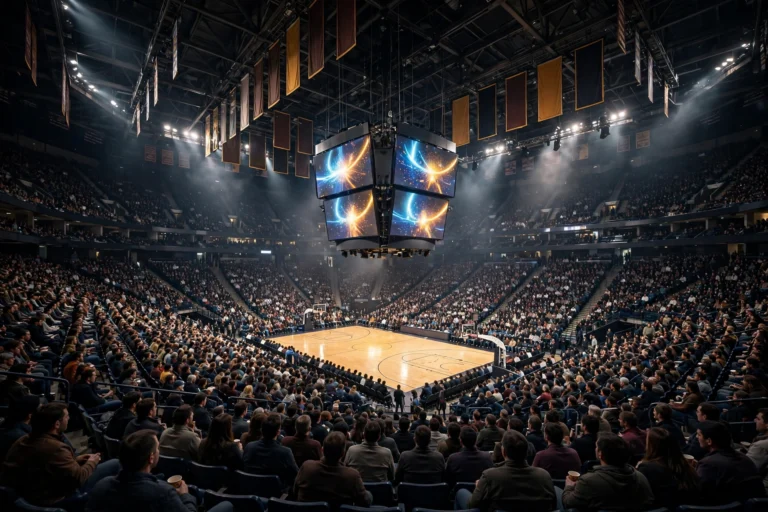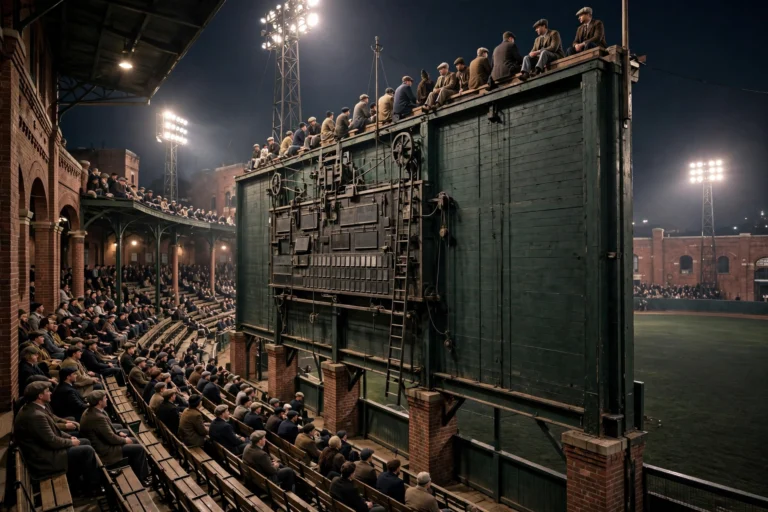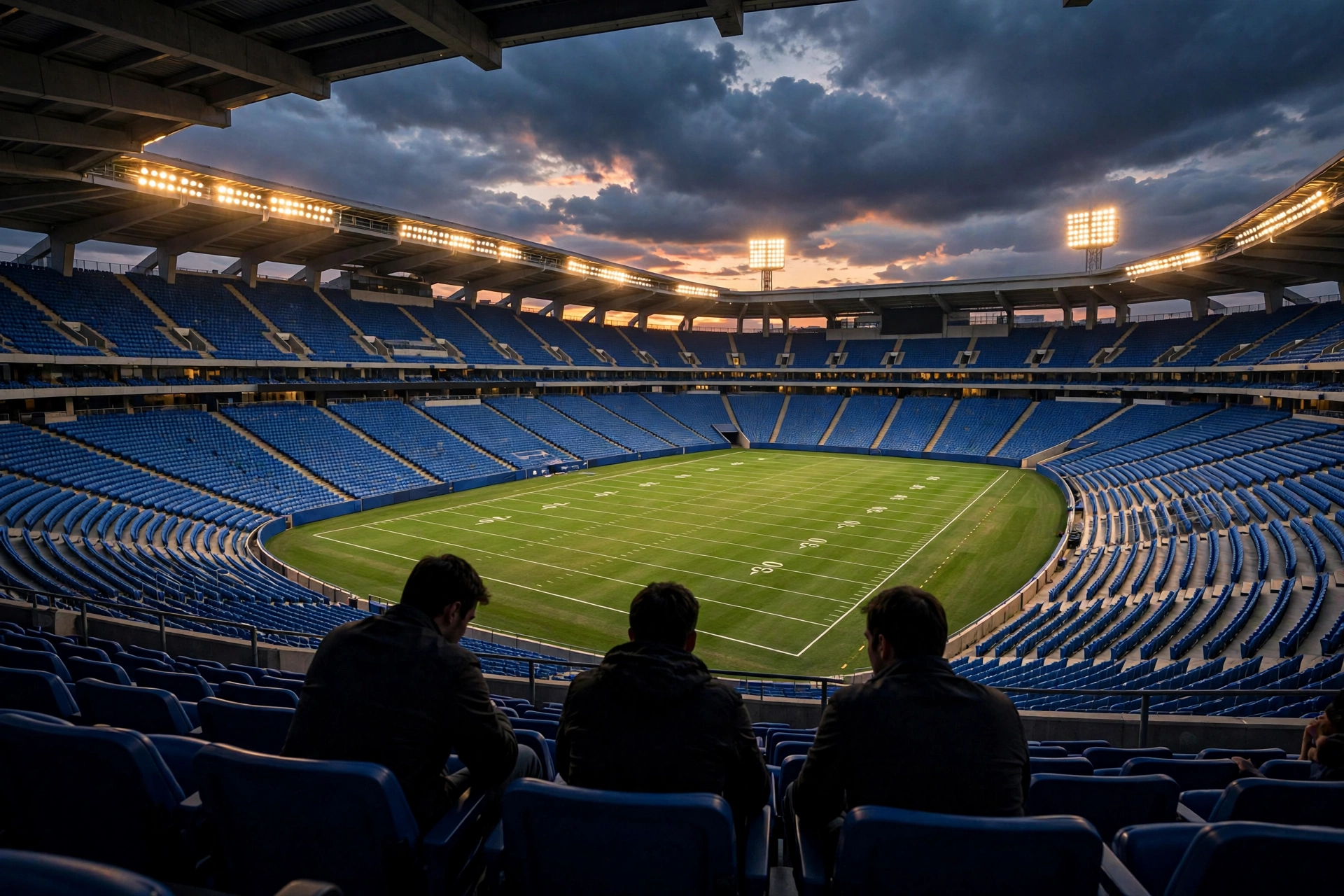
Buying tickets shouldn’t feel like gambling, but for most fans it does: you click “best available,” cross your fingers, and hope the view matches the price. This stadium seating guide removes the guesswork. Whether you’re buying baseball, football, basketball, hockey, or concert tickets, the principles of picking great seats are the same — you just need to know how seating charts are organized, which sections are secretly the best value, and which traps to avoid (obstructed views, sun-baked bleachers, the dreaded “limited view” tag). By the end of this guide, you’ll read any seating chart like a pro and never overpay for a bad seat again.
How Stadium Seating Charts Actually Work
Every stadium seating chart follows the same basic logic, even though the section numbers differ by venue. Understanding the anatomy helps you decode any chart in seconds.
The Three Zones
- Lower bowl (100 level): closest to the field, most expensive, best for feeling the action. Foul balls, player interactions, and the loudest crowd energy live here.
- Club / middle level (200 level): wider seats, better amenities, access to climate-controlled concourses and upscale food. Often the best balance of comfort and view.
- Upper deck (300–400+ level): cheapest reserved seats, best for seeing plays develop and formations. The trade-off is distance — bring binoculars for detail.
What the Numbers Mean
Lower numbers usually start near a reference point (home plate, midfield, center court) and increase toward the corners and end zones. Odd/even numbering typically splits the two sides of the venue. The key insight: section numbers alone don’t tell you the view — the row, the angle to the action, and potential obstructions matter more.
The Golden Rules of Picking Seats
Rule 1: Midfield and Mid-Court Beat the Corners at Any Price
A 300-level seat on the 50-yard line or behind home plate beats a 100-level corner seat for watching the actual game. Corners and end zones give you dramatic closeness but terrible angles — you’ll watch half the game on the video board. For pure viewing quality, prioritize centrality over level.
Rule 2: The First 10 Rows Aren’t Always the Best Rows
Row 1 sounds premium, but at field level you’re often looking through players, photographers, and LED boards. Rows 10–25 in the lower bowl typically offer the sweet spot: elevated enough to see over the field, close enough to feel the hits. In the upper deck, avoid the very first row if a concourse walkway passes in front of it — foot traffic will distract you all game.
Rule 3: Always Check for Obstructed Views
Older stadiums — Wrigley Field, Fenway Park, and classic arenas — have support columns that block parts of the field from specific seats. Listings usually flag these as “obstructed” or “limited view” and discount them. Sometimes the obstruction is minor (a pole at the edge of your peripheral vision); sometimes it’s a column dead-center. Before buying, look up fan-submitted seat photos for your exact section and row. Five minutes of research can save you from staring at steel for three hours.
Rule 4: Consider the Sun and Weather
For day games, the sun is a seat-selection factor most fans ignore until they’re squinting. General patterns:
- Baseball: first-base side gets afternoon sun; third-base side shades earlier. Outfield bleachers bake.
- Football: in most stadiums the sun sets behind one sideline — the shaded side varies by venue orientation, so check a sun chart for your specific stadium.
- Covered upper decks protect from both sun and rain — a meaningful comfort upgrade for a small price difference.
Rule 5: End Seats vs. Aisle Seats
Aisle seats cost the same but deliver more: easy bathroom and concession access without climbing over strangers, extra legroom, and a quick exit. For families with kids, aisle seats near the concourse are non-negotiable. The only downside is foot traffic — if that bothers you, pick seats 3–4 in from the aisle.
Best Seats by Sport
Baseball (MLB)
- Best overall: field box or lower infield between the dugouts (sections behind home plate through the base lines), rows 10–20.
- Best value: upper deck behind home plate — the bird’s-eye view is ideal for watching pitch movement and defensive positioning.
- Best atmosphere: outfield bleachers — loud, social, sun-soaked.
- Avoid: seats directly behind support columns (common in pre-1960 parks); outfield corners with extreme angles.
Football (NFL & College)
- Best overall: lower bowl between the 30-yard lines, rows 15–30 — close enough for player detail, high enough to read plays.
- Best value: upper deck on the 50-yard line — the classic coach’s view of formations at a fraction of sideline prices.
- Best atmosphere: end zone student sections and supporter sections — standing, chanting, maximum energy.
- Avoid: the first 5 rows (you’ll watch the game on the board); corner upper-deck seats with severe angles.
Basketball (NBA & College)
- Best overall: lower bowl sideline, rows 5–15 — close enough to hear sneakers squeak, elevated enough to see plays develop.
- Best value: upper sideline or corner — basketball arenas are compact, so even the 200 level feels close.
- Unique pick: baseline seats behind the basket — dramatic for dunks, terrible for half-court offense. Fun once.
- Avoid: seats behind the basket in the upper corners; obstructed-view seats near broadcast camera platforms.
Hockey (NHL)
- Best overall: lower bowl at center ice, rows 8–15 — the speed of the game reads best from the side at slight elevation.
- Best value: upper bowl center ice — hockey’s small rink means upper seats still feel intimate.
- Unique pick: seats behind the glass on the ends — you’ll feel every check into the boards.
- Avoid: lower-corner seats where the glass distorts the far end of the ice.
Soccer (MLS)
- Best overall: midfield sideline, elevated — soccer’s wide field demands a high, central vantage point.
- Best atmosphere: supporter sections behind the goal — capo-led chanting, flags, drums, tifos.
- Avoid: seats behind the goals in the first few rows — you’ll miss the far half of the field.
Concerts in Stadiums
- Best sound: lower bowl or floor, centered on the stage, about two-thirds back — in front of the soundboard is the engineer’s sweet spot.
- Best view: elevated sideline sections facing the stage head-on.
- Avoid: seats directly behind or beside the stage (often sold as “limited view”); upper corners where sound gets muddy.
Planning a concert trip? See our best concert venues in the USA and our MLB ballpark guide for venue-specific seating advice.
Seating Chart Red Flags: A Checklist
Before you click “buy,” run through this list:
- Does the listing say “obstructed,” “limited,” or “partial view”? If yes, find out exactly what’s blocked.
- Is it a day game? Check which side gets sun during game hours.
- Is there a roof or overhang above? Covered seats cost slightly more and are worth it in rain or heat.
- How far is the nearest concourse, restroom, and concession stand? In giant stadiums, a bad location means 20-minute round trips.
- For kids: are you near a family section, and is there an aisle for easy exits?
- For concerts: where is the stage, and is your section facing it or behind it?
How to Get the Best Seats for Less
Buy at the Right Time
For most regular-season games, ticket prices on the resale market drop 24–48 hours before the event as sellers get anxious. The exception: marquee matchups and playoff games, where prices only climb. For concerts, prices usually fall after the initial on-sale frenzy and again in the final week.
Use Seat-View Tools
Fan-submitted photo sites let you see the actual view from your section and row before buying. Cross-reference the listing’s seat map with real photos — especially for older venues with obstructions.
Consider Partial Views and Standing Room
“Limited view” seats at a 40–60% discount are a steal when the limitation is minor (a railing, a distant pole). Standing-room tickets are the cheapest way into sold-out events, and many venues have excellent SRO decks with bars and video boards.
Sit in the “Second-Best” Section
The sections adjacent to the premium ones often offer 80% of the view at 50% of the price. Upper box behind home plate instead of field box; 200-level club corners instead of midfield club. The price cliffs between adjacent sections are steep — exploit them.
Go on Off-Peak Days
Tuesday night baseball, Thursday night hockey, and September weeknight games are dramatically cheaper than weekend dates — and the same seat is the same seat.
Premium Seating: Clubs, Suites, and Field Seats — Worth It?
| Option | What You Get | Worth It When… |
|---|---|---|
| Club seats | Wider padded seats, upscale lounges, better food, private restrooms | You value comfort; weather is extreme; it’s a business outing |
| Suites | Private room, catering, 12–20 guests, climate control | Group events, client entertainment, celebrations |
| Field / courtside seats | Closest possible, player proximity | Bucket-list experience; the view is actually worse for gameplay |
| All-inclusive sections | Food and drinks included in ticket price | You’d spend heavily on concessions anyway — do the math |
Honest take: for watching the game, club seats in the second deck often beat field-level seats at triple the price. Pay for proximity when the experience is the point (a proposal, a kid’s first game); pay for sightlines when the sport is the point.
Accessibility and Family Seating Tips
- ADA seating is available on every level of modern venues — book through the team’s official ADA line for the best placement, not the general resale market.
- Family sections (alcohol-free zones) exist in many MLB and NFL stadiums — calmer, cheaper, and stroller-friendlier.
- Sensory rooms and quiet zones are increasingly common; check the venue’s accessibility page before game day.
- Kids’ ticket policies vary: many venues admit children under 2–3 free on a lap; others require a ticket for every attendee.
Frequently Asked Questions
What are the best seats in a stadium?
For most sports, the best seats are midfield/mid-court in the lower bowl, rows 10–25 — central, slightly elevated, and close enough to feel the action. For value, upper-deck center sections offer the best view per dollar.
Are lower-level seats always better than upper-level?
No. Lower-level corner and end-zone seats often have worse angles than upper-deck midfield seats. Centrality matters more than height for watching the game; height matters more for seeing plays develop.
How do I avoid obstructed-view seats?
Read the listing carefully for “obstructed” or “limited view” tags, then verify with fan-submitted seat photos for your exact section and row. Older stadiums like Wrigley Field and Fenway Park have the most obstructions.
When is the cheapest time to buy stadium tickets?
On the resale market, prices typically drop 24–48 hours before regular-season games. For the primary market, buy at the on-sale for the best selection, or target off-peak days (weeknights, early/late season) for the lowest prices.
Are aisle seats better?
For most fans, yes — easier access to concessions and restrooms, more legroom, and quicker exits, all at the same price. Choose seats a few in from the aisle if foot traffic bothers you.
Is it worth paying extra for club seats?
If comfort, weather protection, and better food matter to you, club seats are often the best value upgrade in the building. For pure game-watching, though, a well-chosen upper-deck seat beats a poorly placed club seat.
How to Read Any Seating Chart: A Step-by-Step Walkthrough
Open any venue’s seating chart and follow this process:
- Find the field or stage orientation. Identify where home plate, midfield, center court, or the stage sits. Everything is relative to this.
- Locate the price tiers by color. Most charts color-code by price. The darkest/brightest color is usually premium; find the cheapest tier that still sits centrally.
- Identify the center sections. For sports, find the sections directly behind home plate, on the 50-yard line, or at center court/ice. These are your anchors.
- Check the row count. Hover or click a section to see how many rows it has. In a 30-row section, rows 10–20 are typically the sweet spot.
- Look for the obstruction flags. Zoom into older venues and look for marked obstructed-view seats — they’re usually discounted and shaded differently.
- Cross-reference with seat photos. Before buying, look up fan-submitted photos from your exact section and row to confirm the view.
- Check the sun. For day games, figure out which side gets shade during game hours — it changes the experience dramatically.
Season Tickets vs. Single-Game Tickets: The Math
Should you commit to a season package? Run the numbers:
- Season tickets typically discount 10–30% versus single-game face value for the same seats, plus perks like playoff priority, exclusive events, and payment plans. The catch: you’re locked into every game, including the meaningless ones.
- Partial plans (10–20 games) split the difference — a per-game discount with flexibility to choose your dates. Often the best value for real fans.
- Single-game buying wins on flexibility and, via the resale market, often beats season-ticket pricing for off-peak games. You’ll pay premiums for marquee matchups, though.
- The resale arbitrage: some fans buy season tickets and resell the premium games at a profit, effectively attending the rest for free. It works in hot markets; it’s a gamble in soft ones.
What to Do If Your Seats Turn Out Bad
It happens — a column you didn’t expect, a sun you didn’t plan for. Your options:
- Move to empty seats after the rush. Once the game starts and no-shows are clear, ushers in many venues will let you slide into better empty seats — ask politely, especially in the upper deck.
- Use the standing-room decks. Most modern stadiums have SRO areas with bars, high-top tables, and great sightlines. Sometimes the social experience beats a bad assigned seat.
- Complain constructively at Fan Services. If your seat was sold as unobstructed and clearly isn’t, the venue’s fan services desk can sometimes relocate you. Bring your ticket and be specific.
- Buy up mid-game. Ticket apps let you purchase upgraded seats from your phone and move during a break — prices often drop as the game progresses.
- Learn for next time. Note the exact section and row so you never buy it again — and leave a seat review to help the next fan.
Seating for Special Occasions
- Kid’s first game: aisle seats in the upper deck behind home plate — great view, easy exits, room for wiggles, and lower cost if they lose interest early.
- Date night: club-level sideline seats — comfortable, great food access, and impressive without courtside prices.
- Proposal: contact the team’s fan experience department in advance — many offer scoreboard messages and coordinate with ushers for the moment.
- Business clients: suites or club seats with all-inclusive food — the networking matters more than the sightlines.
- Bucket-list game: splurge on the iconic seats (Monster seats, courtside, 50-yard-line lower bowl) — you’ll remember it forever.
Stadium Seating FAQs
What do the different colors on a seating chart mean?
Colors on interactive seating charts usually indicate price tiers rather than seat quality — darker or premium colors mark club and lower-bowl sections, while lighter colors mark upper decks and value areas. Always click through to the section view; two same-colored sections can have very different sightlines depending on angle and overhang.
Are aisle seats worth paying extra for?
For most fans, yes — aisle seats make bathroom and concession trips painless and give you extra legroom on one side. They matter most in older stadiums with tight rows and for anyone attending with kids. The price premium is usually small compared with the comfort gain over three-plus hours.
How do I avoid obstructed-view seats?
Read the listing carefully — reputable sellers flag obstructed or limited-view seats and discount them. Warning signs include railings, support poles, overhangs, and scoreboard structures noted in the section description. When in doubt, check fan photos of the exact section on social media before buying.
Is the first row of the upper deck better than the last row of the lower bowl?
Usually the first rows of the upper deck win: you’re closer to the action vertically, the view is unobstructed, and tickets cost far less. The last rows of the lower bowl sit under the overhang, which can block fly balls, punts, and videoboard views. Elevation with a clear sightline beats proximity with a ceiling.
When is the best time to buy stadium tickets?
For most regular-season games, prices drop in the final 48 hours as sellers unload inventory — but marquee matchups and rivalry games sell out, so don’t gamble on those. Playoff tickets are cheapest the moment matchups are set, before hype builds. Set price alerts and buy when the price hits your target rather than trying to time the absolute bottom.