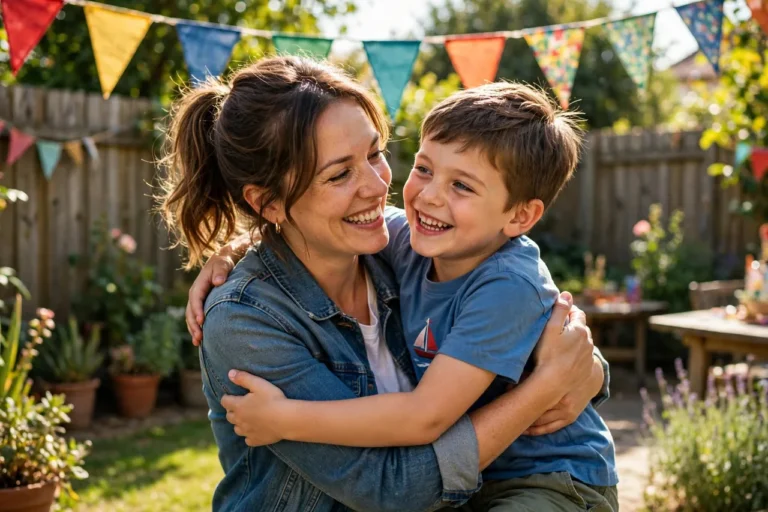
Every family has its unspoken curriculum — the things we teach without lessons. For sons, much of that curriculum has historically been about toughness: shake it off, man up, don’t cry. Son’s Day exists, in large part, to interrupt that script. It’s a day that says: being a son is worth celebrating, and being seen as a son — with all the complexity that carries — matters.
But what exactly is Son’s Day? Why are there two of them? Where did it come from, and what are families supposed to actually do? This guide covers the complete story: the history, the meaning, the traditions families have built around it, and how to start traditions of your own that might outlive you.
What Is Son’s Day?
Son’s Day — also called National Son’s Day or National Sons Day — is an annual observance dedicated to celebrating sons and the parent-son bond. Unlike birthdays, which celebrate the individual, Son’s Day celebrates the relationship: what it means to raise a son, to be a son, and to do both with intention.
Here’s where it gets confusing: there are two widely observed dates. March 4 is the date recognized by the National Day Calendar, founded in 2018 by Jill Nico. September 28 is the date that took off on social media, sitting close to National Daughter’s Day (September 25). Both are “real” in the sense that millions of families observe them; neither is a federal holiday or a Hallmark-manufactured event with a century of history. Son’s Day is young, grassroots, and still being defined — which means your family’s traditions genuinely contribute to what the day becomes.
The History of Son’s Day: A Timeline
Son’s Day didn’t appear from nowhere. It’s the latest chapter in a decades-long conversation about recognizing sons:
| Year | Milestone | What Happened |
|---|---|---|
| 1990s | Early advocacy | Parent groups begin pushing for a sons’ observance to mirror the attention given to daughters, arguing boys’ emotional needs were being overlooked. |
| 1998 | Take Your Sons to Work Day | The “National Take Your Sons to Work Day” is formulated, giving sons a dedicated day of recognition tied to mentorship and the working world. |
| 2003 | The merge | Sons’ and daughters’ take-to-work observances merge into a single event, leaving sons without a standalone day once again. |
| 2018 | National Son’s Day founded | Jill Nico establishes National Son’s Day on March 4, explicitly framing it around healthy parent-son conversation — including topics like mental health and emotional well-being that boys are often discouraged from discussing. |
| 2018–2020 | Social media adoption | Parents begin celebrating en masse on September 28, near National Daughter’s Day. Hashtags like #NationalSonsDay generate hundreds of thousands of posts; the September date becomes the more widely observed of the two. |
| Today | A living tradition | Families celebrate on one or both dates with their own rituals — letters, outings, posts, and gatherings — while the “official” date remains a friendly debate. |
The through-line across all of it: sons were being celebrated less, talked to less openly, and given fewer emotional tools — and parents decided to do something about it. Son’s Day is, at its root, a corrective.

The Deeper Meaning: Why This Day Matters
It’s easy to dismiss Son’s Day as “just another hashtag holiday.” That would be a mistake. The day carries real weight for three reasons:
1. It names something usually unnamed
We have endless language for mother-daughter bonds and father-daughter moments. The parent-son relationship — with its particular mix of pride, worry, roughhousing, and unspoken love — gets less airtime. A dedicated day gives families permission and vocabulary to talk about it directly.
2. It challenges the “tough boy” script
From its founding, Son’s Day has been explicitly linked to open dialogue about topics boys are often told to suppress: feelings, fears, mental health, vulnerability. Celebrating a son isn’t just about pride in his achievements — it’s about telling him that his emotional life matters too. For many families, Son’s Day becomes the one day a year when a father tells his son, out loud, “I’m proud of who you are” — and means the inner stuff, not just the trophies.
3. It creates a container for intention
Modern parenting is relentless logistics. Son’s Day functions like a recurring calendar alert for the relationship itself: pause, look at your son, tell him what you see. Traditions — the annual letter, the photo, the special meal — are just structures that make sure the intention actually happens.
Why Are There Two Dates? (The Honest Answer)
The March 4 date came first in its official form: Jill Nico’s 2018 founding, recognized by the National Day Calendar. March 4 was chosen partly for its symbolism — “march forth,” forward motion, growth — and its spring timing.
The September 28 date emerged organically. As social media embraced the holiday, September made intuitive sense: it sits right after National Daughter’s Day (September 25), creating a natural “celebrate our kids” week. Critical mass did the rest — once millions of posts cluster on a date, that date becomes the date.
Which should you observe? Whichever you want. Many families pick one and commit; the September date currently has more cultural momentum, while March 4 has the “official” designation. Plenty of families — and we’re not discouraging this — celebrate both, giving their sons two days of recognition a year. There are worse problems.
Watch: What National Son’s Day Is All About
This short video captures the spirit of the day — its history, its meaning, and simple ways families mark the occasion:
Son’s Day Traditions Families Actually Keep
Traditions are what turn a date on the calendar into something a family owns. Here are the rituals real families report keeping year after year — steal freely:
The Annual Letter
The single most common Son’s Day tradition: a parent writes their son a letter every year — what he’s like right now, what they’re proud of, what they hope for him. Some families keep the letters in a bound book; others seal each in an envelope for him to open at 18 or 21. The letters become a biography of his childhood written in real time.
The Same-Spot Photo
One photo, same location, every Son’s Day: the front porch, under the same tree, on the same couch. Individually they’re just pictures; as a series, they’re a time-lapse of a family. Frame the latest one each year and hang it in a hallway gallery.
The Birthday-Style Meal (But Better)
His favorite dinner, cooked at home, with the good plates and a printed menu bearing his name. Unlike birthday dinners — which come with gift expectations and party logistics — the Son’s Day meal is pure celebration with zero pressure. Many families say this simple ritual is the one their sons mention most as adults.
The One-on-One Outing
Each parent takes their son somewhere alone: a hike, a museum, a ball game, a drive with no destination. The activity matters less than the exclusivity — for one afternoon, he has a parent entirely to himself. For families with multiple kids, this solo time is precious currency.
The Toast
Before dessert, someone raises a glass and says a few true words about the son. It can be funny, tearful, or both. The toast ritual teaches everyone at the table — including the son — that appreciation is something you say out loud. If you need help finding the words, our collection of heartfelt wishes for parents shows how specific, sincere language lands (the principles transfer directly).
The Memory Jar
Throughout the year, family members drop notes about the son into a jar — funny moments, proud moments, small kindnesses noticed. On Son’s Day, he reads them all. Then the jar empties and the year begins again. It’s a tradition that runs itself once established.
The “State of the Son” Interview
Record a short video interview each Son’s Day: favorite food, best friend, biggest dream, what he wants to be, what makes him laugh. Five minutes, same questions every year. Play the old ones back and watch him cringe-laugh at his younger self. In twenty years, this will be priceless.
Giving Back Together
Some families mark Son’s Day with service: volunteering at a food bank, cleaning up a park, donating his outgrown clothes together. It frames the day around gratitude and generosity — and gives sons a broader sense of what being a good man looks like. See our family event guide for tips on organizing group outings smoothly.

How Different Families Observe the Day
There’s no single “correct” Son’s Day. The observance flexes to fit the family:
| Family Situation | Typical Observance |
|---|---|
| Young kids at home | Special breakfast, a fun outing, the letter, early bedtime with a story about how loved he is |
| Teenagers | His choice of activity, favorite meal, the toast (kept short and cool), space to be himself |
| Adult sons nearby | Family dinner, the annual photo, the letter; often paired with watching old home videos |
| Adult sons far away | Video call celebration, surprise delivery, the letter mailed to arrive on the day |
| Blended families | Inclusive celebration honoring all sons; step-parents often write their own letters |
| Single parents | Intimate one-on-one day; many single moms report Son’s Day as “our day” with special weight |
| Grandparents | Often the keepers of the photo archives; many host the family dinner and lead the toast |
| Families of faith | Blessings, prayers of gratitude, and service activities woven into the celebration |
Starting Your Own Son’s Day Tradition: A 5-Step Plan
Step 1: Pick your date and commit. March 4, September 28, or both — put it on the family calendar as a recurring annual event, with a reminder two weeks ahead for planning. What gets scheduled gets celebrated.
Step 2: Choose one anchor ritual. Don’t try to do everything the first year. Pick one tradition — the letter is the highest-impact choice — and do it well. You can add more in future years.
Step 3: Involve your son in the design. Especially with older sons, ask: “If we did something special every Son’s Day, what would you want it to be?” Traditions he helps create are traditions he’ll keep.
Step 4: Document from year one. Photos, the letters, a one-line journal entry about the day. Future-you will thank present-you extravagantly.
Step 5: Protect it. Traditions die from scheduling conflicts, not from lack of love. Treat Son’s Day like a non-negotiable appointment. As the years compound, the tradition gains gravity — kids who grew up with it will fight to keep it going as adults.
For help turning your first Son’s Day into a well-run occasion, our family event planning guide covers invitations, timelines, and roles — and if you’re celebrating the September date near other family occasions, at-home celebration ideas offer transferable inspiration.
Son’s Day Around the World
While the March/September observance is primarily American, the impulse behind it is universal — and several cultures have their own versions:
Japan’s Children’s Day (May 5) — Originally “Boys’ Day” (Tango no Sekku), families fly carp-shaped windsocks (koinobori) symbolizing strength and success, and display samurai dolls. It’s the closest thing in world tradition to a dedicated sons’ celebration, and it’s centuries old.
India’s Bhai Dooj — Sisters honor their brothers with rituals, gifts, and prayers for their well-being — a sibling-centered celebration of sons and brothers with deep roots.
Nepal’s Bhai Tika — During Tihar festival, sisters place seven-colored tika on brothers’ foreheads, praying for their long life. Brothers give gifts in return. The emphasis on the brother’s protection and prosperity echoes Son’s Day themes.
The global social-media observance — September 28 posts now come from dozens of countries, with parents sharing photos and tributes in many languages. The American-born holiday is quietly going international, carried by the universal experience of raising sons.
Frequently Asked Questions About Son’s Day Traditions and Meaning
When is Son’s Day 2026?
Both observed dates fall in 2026: March 4, 2026 (a Wednesday) and September 28, 2026 (a Monday). Mark whichever you observe — or both.
Who started Son’s Day?
The officially recognized National Son’s Day was founded by Jill Nico in 2018. Earlier roots include 1990s parent advocacy groups and the 1998 “Take Your Sons to Work Day.” The September 28 date emerged organically through social media rather than a single founder.
Is Son’s Day a real holiday?
It’s a real observance — recognized by the National Day Calendar and celebrated by millions — but not a federal holiday. No one gets the day off work. Its legitimacy comes from the families who observe it, not from legislation.
Why are there two Son’s Days?
March 4 is the officially founded date (2018, Jill Nico). September 28 became popular on social media, partly because of its proximity to National Daughter’s Day (September 25). Both are widely celebrated; neither is “wrong.”
What’s the meaning behind Son’s Day?
At its core, Son’s Day celebrates sons and the parent-son bond, with an emphasis on open communication — including emotional topics boys are often discouraged from discussing. It’s about recognition, pride, and intentional connection.
How is Son’s Day different from Father’s Day or a birthday?
Birthdays celebrate the individual; Father’s Day honors fathers. Son’s Day uniquely celebrates the son — his place in the family, his growth, and the parent-child relationship from the parent’s side of pride and love.
Do daughters get an equivalent day?
Yes — National Daughter’s Day is observed on September 25, and it predates Son’s Day’s popularity. The two days sitting close together is part of why September 28 caught on for sons.
What are the most popular Son’s Day traditions?
The annual letter, the same-spot photo, a special favorite meal, a one-on-one outing, and a family toast top the list. The common thread: they’re repeatable, personal, and create artifacts (letters, photos, videos) that compound in value.
How do I explain Son’s Day to my son?
Simply: “It’s a day for celebrating you — not your birthday, not an achievement, just you being our son.” For older sons, you can share the history: it was created so families would take time to really talk with and appreciate their boys.
Can I start celebrating if we’ve never done it before?
Absolutely — and the day’s youth is your advantage. There’s no “we’ve always done it this way” to compete with. Start this year with one tradition (write the letter), and in five years you’ll have a custom your son can’t imagine living without.
The Meaning You’ll Make
Here’s the thing about a young holiday: its meaning isn’t settled yet. The history books on Son’s Day are still being written — by Jill Nico, yes, but mostly by millions of ordinary families deciding, year after year, that their sons are worth a day of deliberate celebration.
Your family’s traditions — the letter you’ll write this year, the photo you’ll take on the porch, the meal you’ll cook and the words you’ll say before dessert — aren’t just personal rituals. They’re votes for what this day means. Make them count.
Pick your date. Write the letter. Take the photo. And tell your son, out loud, what so many sons wait too long to hear: I’m proud of you, I see you, and I’m grateful you’re mine. That’s the tradition. That’s the meaning. Everything else is just how you dress it up.
Words Worth Borrowing: Quotes About Sons
Sometimes someone else has already said it perfectly. These quotes work beautifully in Son’s Day letters, toasts, cards, and social media tributes:
On pride: “A son is a mother’s most precious treasure — and a father’s proudest reflection.” Pair it with a specific memory of your own for maximum impact.
On growth: “Sons are the anchors of a mother’s life — and the arrows of a father’s hopes.” The archer-and-arrow metaphor (popularized by Kahlil Gibran’s The Prophet) captures the bittersweet truth: we aim them, then we let them fly.
On the everyday: “The most important thing a father can do for his children is to love their mother” — often attributed to Theodore Hesburgh — reminds us that sons learn about love by watching it.
On letting go: “Give your sons roots to grow and wings to fly” — the unofficial motto of every parent watching a son leave for college, a job, or a life of his own.
On joy: “Having a son means never having to wonder what noise a dinosaur would make if it could play drums.” Parenting sons is loud, physical, hilarious — and the quotes that acknowledge the chaos ring truest.
The best approach: pick one quote that genuinely resonates, then follow it with two sentences of your own. Borrowed words open the door; your words walk through it.
Son’s Day vs. Similar Observances
With so many family days on the calendar, it’s worth clarifying what makes each one distinct:
| Observance | Date | Honors | Typical Focus |
|---|---|---|---|
| Son’s Day | Mar 4 / Sep 28 | Sons | Parent-son bond, open dialogue, recognition |
| Daughter’s Day | Sep 25 | Daughters | Parent-daughter bond and celebration |
| Father’s Day | 3rd Sun in June | Fathers | Honoring dads and father figures |
| Mother’s Day | 2nd Sun in May | Mothers | Honoring moms and mother figures |
| Children’s Day | Varies by country | All children | Children’s rights, welfare, and joy |
| Parents’ Day | 4th Sun in July (US) | Parents | Honoring both parents together |
| Family Day | Varies | The whole family | Togetherness and shared time |
Son’s Day fills a specific gap: it’s the only observance centered on the son as the honoree and the parent-son relationship as the theme. Birthdays celebrate the child generally; Son’s Day celebrates sonship specifically — with all its particular tenderness.
Conversation Starters for Son’s Day
The day’s founding purpose was open dialogue between parents and sons. If “so, how are you?” gets you one-word answers, try these:
For young sons: “What’s the bravest thing you did this year?” / “If you could invent anything, what would it be?” / “What makes you feel most loved?”
For teens: “What’s something you’re dealing with that I might not know about?” / “What’s a rule you think is unfair, and why?” / “Who do you admire and what did they teach you?”
For adult sons: “What are you proudest of that I might not know about?” / “What’s something I did as a parent you’d do differently?” / “What do you want the next five years to look like?”
The meta-question (all ages): “What’s one thing you wish our family talked about more?” Then listen. Really listen. The answer might reshape your Son’s Day traditions — and your relationship — for years.
These conversations are the living heart of the day’s meaning. The meal gets eaten, the photo gets filed, but a son who felt truly heard on Son’s Day carries that feeling into everything else.
If You’re the Son: How to Mark the Day
Son’s Day isn’t only for parents to act — sons can own it too:
Call your parents. If you’re grown and out of the house, a Son’s Day call home reverses the usual flow in the best way. Thank them — specifically, for something real. “Thanks for teaching me to change a tire” lands harder than generic gratitude.
Spend it with them if you can. Suggest the outing yourself: “Dad, want to grab lunch Saturday?” Taking initiative transforms the day from something done for you to something shared with them.
Write back. If your parents write you the annual letter, write one back. Even a few lines — what you admire about them, what you’re grateful for — will be kept forever. Parents treasure their children’s words the way children treasure theirs.
Start the tradition forward. If you have sons of your own, you’re now the tradition-keeper. Take the rituals you loved, drop the ones you didn’t, add your own. That’s how traditions stay alive: each generation edits them.
Reflect a little. Son’s Day is a natural checkpoint: what kind of son — and, if applicable, what kind of man — are you becoming? A few quiet minutes of honest reflection is a fine way to honor a day built on intentionality.
Whether you’re the parent planning the celebration or the son receiving it, the day asks the same thing of everyone: pay attention to each other, on purpose, once a year at minimum. Everything else — the dates, the hashtags, the history — is scaffolding around that simple, radical act.
So here’s our suggestion: don’t overthink the history, don’t stress about which date is “correct,” and don’t wait until you feel ready. Pick one tradition from this guide — the letter is our top recommendation — and start it this year. Then do it again next year, and the year after that. A decade from now, you’ll hold a stack of letters, a wall of same-spot photos, and a son who knows, bone-deep, that he was celebrated on purpose. That’s not just a tradition. That’s a legacy — and it starts with a single Son’s Day, done with intention.
Happy Son’s Day — whichever date you choose, make it yours.