The Best Seafood Festivals in the USA 2026 celebrate America’s coastlines at their most delicious — Maine lobster bakes, Maryland crab feasts, Gulf shrimp boils, Pacific Northwest salmon, and oyster roasts by the dozen. Few food experiences beat eating seafood within sight of the water it came from, and the country’s great seafood festivals are built around exactly that: working waterfronts, fishing traditions, and regional specialties you can’t taste anywhere else. From Rockland, Maine to Galveston, Texas, this guide covers the essential seafood festivals for 2026, with timing, signature dishes, and tips for eating your way down both coasts.
Best Seafood Festivals in the USA 2026: The Essential Lineup
| Festival | Location | Typical Timing | Signature Dish |
|---|---|---|---|
| Maine Lobster Festival | Rockland, ME | August | Steamed lobster dinners |
| Yarmouth Clam Festival | Yarmouth, ME | July | Fried clams, clam shucking contest |
| Maryland Seafood Festival | Annapolis, MD | September | Blue crabs, crab cakes |
| Pensacola Seafood Festival | Pensacola, FL | September | Gulf shrimp, grilled fish |
| Galveston Island Shrimp Festival | Galveston, TX | September | Gulf shrimp, gumbo cookoff |
| Louisiana Seafood Festival | New Orleans, LA | September | Crawfish, oysters, Gulf fish |
| OBX Seafood Festival | Nags Head, NC | October | Outer Banks catch, chowder cookoff |
| Newport Seafood Festival | Newport, OR | Summer | Dungeness crab, salmon |
| Boston Seafood Festival | Boston, MA | August | Lobster rolls, raw bar |
| Charleston Oyster Festival | Charleston, SC | January–February | Lowcountry oyster roast |
New England: Lobster, Clams, and Working Waterfronts
Maine Lobster Festival (August, Rockland, Maine)
Five days each August on Rockland’s working waterfront, the Maine Lobster Festival is the big one: the world’s largest lobster cooker, tens of thousands of pounds of lobster served, a sea goddess coronation, a parade, and crate races in the harbor. The lobster dinners — steamed, served with drawn butter and corn on the cob in a waterfront tent — are the essential experience. Midcoast Maine in August is peak coastal New England; book lodging months ahead, because Rockland’s hotel inventory is small and the festival is beloved. Day-trip from Camden or Rockport if Rockland is full.
Yarmouth Clam Festival (July, Yarmouth, Maine)
The anti-mega-festival: a classic small-town New England celebration each July with a parade, craft vendors, live music, and fried clams by the bucket. The clam shucking contest draws serious competitors. It’s charming, affordable, deeply local — and the clams, pulled from nearby flats, are as fresh as seafood gets. Pair it with a Portland food day-trip (30 minutes south) for a perfect Maine weekend.
Boston Seafood Festival (August, Boston, Massachusetts)
Boston’s waterfront festival each August brings the city’s seafood institutions together: lobster rolls (hot with butter vs. cold with mayo — try both and pick a side), raw bars, clam chowder (New England style, obviously), and cooking demos from North End chefs. The harbor setting and the ease of getting there on the T make it the most accessible major seafood festival in New England.
The Mid-Atlantic: Crab Country
Maryland Seafood Festival (September, Annapolis, Maryland)
September in Annapolis means blue crabs — steamed with Old Bay, picked at paper-covered tables with mallets and knives, the way Marylanders have done it for generations. The festival adds crab cakes, crab soup, oyster shucking, and cooking demos, all on the waterfront in Maryland’s sailing capital. Crab-picking is a skill; watch the locals, accept the mess, and don’t wear anything you love. The crab cake vs. whole crab debate will follow you home.
OBX Seafood Festival (October, Nags Head, North Carolina)
Each October, the Outer Banks celebrates its fishing heritage with a chowder cookoff, fresh-off-the-boat tastings, and cooking demos on the Nags Head waterfront. October is also the sweet spot for OBX travel — warm water, thinner crowds, lower rates. The shrimp, flounder, and tuna are day-boat fresh, and the chowder competition is fiercely contested.
The Gulf Coast: Shrimp, Oysters, and Cajun Flavor
Galveston Island Shrimp Festival (September, Galveston, Texas)
September on Galveston Island: Gulf shrimp every way imaginable, a gumbo cookoff, live music, and the historic Strand district as backdrop. Texas Gulf shrimp — sweet, firm, abundant — are the star, served boiled, fried, grilled, and in étouffée. Combine with a beach day; September water is still warm.
Louisiana Seafood Festival (September, New Orleans, Louisiana)
New Orleans in September celebrates Gulf seafood with crawfish boils, chargrilled oysters, shrimp po’boys, and the city’s unmatched festival energy. Louisiana’s seafood culture — Cajun and Creole techniques applied to the Gulf’s bounty — is America’s most distinctive regional seafood cuisine. The festival is free or cheap, the portions are generous, and the music is nonstop.
Pensacola Seafood Festival (September, Pensacola, Florida)
Three days each September in downtown Pensacola’s Seville Square: Gulf shrimp, grouper, oysters, and crab cakes from Panhandle restaurants, plus arts vendors and live music. The “Emerald Coast” setting — white sand beaches 20 minutes away — makes it an easy festival-plus-beach weekend.
The Pacific Northwest: Salmon and Dungeness
Newport Seafood & Wine Festival (February, Newport, Oregon)
Wait — February? Yes: Oregon’s coast celebrates Dungeness crab season (winter) with this beloved festival each February in Newport. Dungeness crab, Oregon wines, and chowder, with the dramatic winter coastline as backdrop. It’s the off-season sleeper pick of American seafood festivals — fewer crowds, peak crab, cozy coastal vibes.
Salmon festivals (Summer, Pacific Northwest)
Summer across the PNW brings salmon celebrations — from Seattle’s Ballard SeafoodFest (July) to smaller tribal and community salmon bakes. Wild king salmon, alder-smoked the traditional way, eaten outdoors in the long northern evening light. If you eat salmon once in your life at its source, make it here in summer.
The Lowcountry Oyster Roast Tradition
Charleston’s winter oyster roasts — running January through February, peaking with festival weekends — are a distinct American food ritual: clusters of single-origin Lowcountry oysters steamed over fire under burlap, shucked with an oyster knife and a glove, eaten standing around the fire with beer and hot sauce. It’s communal, primal, and specific to the South Carolina coast. The oyster roast season is short (oysters are best in cold months), which makes it feel special. If you’re planning a winter food trip, pair it with broader food festival travel ideas.
Seafood Festival Eating Strategy
- Eat the local specialty first. Every coastal festival has one dish it does better than anywhere on earth. Find it, eat it, then explore.
- Go early for the freshest picks. Oyster and raw-bar lines are shortest (and the ice is coldest) in the first two hours.
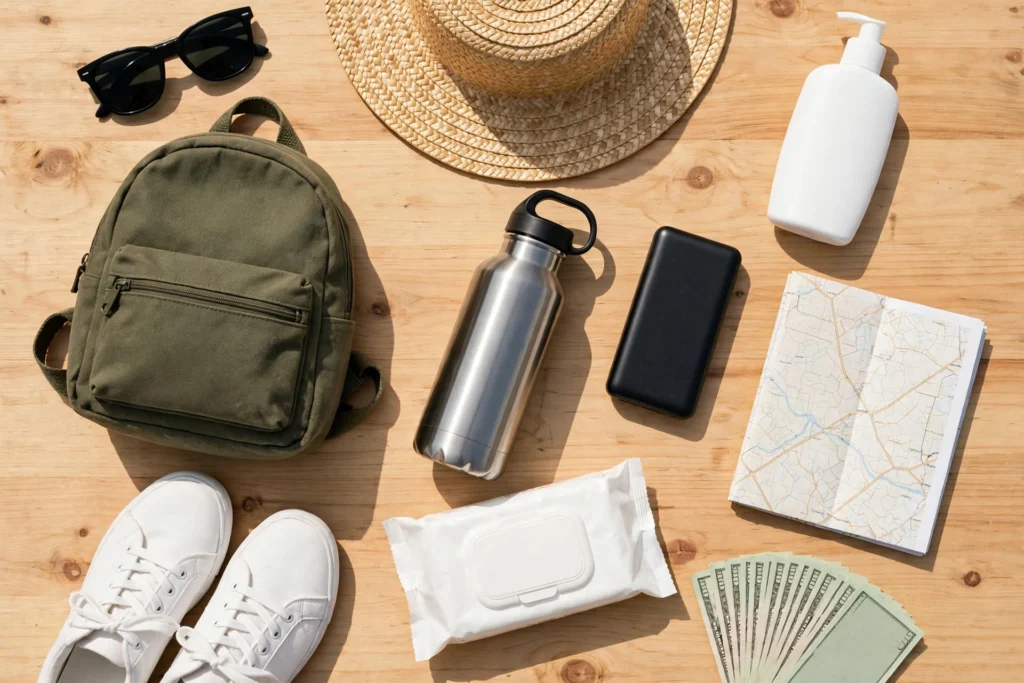
- Bring the right gear. Wet wipes, hand sanitizer, sunscreen, and clothes you don’t mind smelling like Old Bay. Crab-picking destroys manicures — plan accordingly.
- Learn the local technique. Watch a Mainer eat a lobster, a Marylander pick a crab, a Lowcountry local shuck an oyster. The technique is half the pleasure.
- Check the catch calendar. Seafood festivals are timed to harvests — lobster in August, Dungeness in winter, soft-shell crabs in spring. Going in-season means peak quality and lower prices.
Sustainability: Eating Seafood Responsibly at Festivals
The best seafood festivals now spotlight sustainable fisheries — look for events partnered with organizations like the Monterey Bay Aquarium’s Seafood Watch. Choosing abundant, well-managed species (and asking vendors where their seafood comes from) supports the working waterfronts these festivals celebrate. Many festivals now highlight invasive species as delicacies (lionfish in Florida, green crabs in New England) — eating the problem is delicious conservation.
Oyster Varieties: A Tasting Primer
Seafood festivals with raw bars are the best place to learn oysters — and the variety is staggering. East Coast oysters (Blue Point, Wellfleet, Malpeque) are briny, crisp, and mineral — the taste of cold Atlantic water. West Coast oysters (Kumamoto, Kusshi, Shigoku) are smaller, creamier, sweeter, with cucumber-melon notes. Gulf oysters (Apalachicola, Louisiana) are plump, mild, and buttery — best chargrilled. At a raw bar, order a mixed dozen and taste geographically: east to west, briny to sweet. The condiments — mignonette, cocktail sauce, lemon, hot sauce — are optional; a great oyster needs nothing. Pro tip: the “r” month rule (only eat oysters in months with an “r”) is outdated thanks to modern aquaculture — farmed oysters are safe and excellent year-round.
Chowder Wars: Know Your Styles
| Style | Base | Home | Notes |
|---|---|---|---|
| New England | Cream | Boston, coastal MA | The classic; thick, rich, oyster crackers mandatory |
| Manhattan | Tomato broth | New York | Lighter, briny; New Englanders pretend it doesn’t exist |
| Rhode Island | Clear broth | Rhode Island | The purist’s chowder; lets the clams shine |
| Minorcan | Tomato + datil pepper | St. Augustine, FL | Spicy, obscure, delicious |
| Seafood chowder | Cream + mixed seafood | Everywhere coastal | The festival all-star; shrimp, scallops, fish |
Chowder cookoffs at seafood festivals (OBX, Newport, Boston) are fiercely contested — volunteer as a taster if the option exists. The best festival chowder is served in a bread bowl, eaten dockside, with salt air as seasoning.
Raw Bar Etiquette for Beginners
- Order by the half-dozen or dozen — singles are fine for trying, but dozens are better value.
- Eat oysters and clams in one bite. Chew once or twice to release flavor; don’t just slurp and swallow.
- Tip the shucker. Raw bar work is skilled, fast, and dangerous. Tip like you mean it.
- Ask what’s local. The local oyster is almost always the freshest and the best story.
- Pair simply: cold beer, Muscadet, or Champagne with oysters; lemonade or iced tea with fried baskets. Fancy cocktails fight the seafood.
Seafood Festival Calendar at a Glance
| Season | Festivals | Peak Catches |
|---|---|---|
| Winter (Jan–Feb) | Charleston oyster roasts, Newport Seafood & Wine | Dungeness crab, oysters |
| Spring (Mar–May) | Soft-shell crab festivals (Mid-Atlantic) | Soft-shell crabs, shad roe |
| Summer (Jun–Aug) | Yarmouth Clam Fest, Maine Lobster Fest, Boston Seafood Fest, salmon festivals | Lobster, clams, salmon |
| Fall (Sep–Oct) | Maryland Seafood Fest, Gulf shrimp festivals, OBX Seafood Fest | Blue crabs, shrimp, oysters |
Cooking What You Catch: Festival Cooking Demos
The best seafood festivals teach as well as feed. Cooking demos — from Boston’s North End chefs to Louisiana’s Cajun cooks to Pacific Northwest tribal salmon bakers — show techniques you can take home: how to steam a lobster (7 minutes per pound, salted water, no overcooking), how to shuck an oyster without stabbing yourself (hinge, twist, slide), how to pick a blue crab efficiently (the “Maryland method” takes practice but doubles your meat yield), and how to grill whole fish without sticking (hot grill, oiled fish, patience). Watch one demo per festival and actually try the technique at home — festival cooking classes are the rare souvenir that compounds.
The Working Waterfront: Why Location Matters
The great seafood festivals share one trait: they’re held where the fishing actually happens. Rockland’s working waterfront, Annapolis’s harbor, Galveston’s Strand, Nags Head’s docks — these aren’t backdrops, they’re the point. Eat the lobster where the lobster boats unload. Talk to the fishermen; many festivals include dock tours or “meet the fleet” events. The connection between plate and place is what separates a seafood festival from a seafood restaurant — and it’s why the same shrimp tastes better at the Galveston festival than it does at home. Plan extra time to explore the waterfront itself: the morning boat traffic, the fish markets, the bait shops. That’s the festival’s soul.
Seafood and Drink Pairings for Festival Grazing
The right drink elevates festival seafood from good to memorable. Oysters and clams: Muscadet, Champagne, or a crisp lager — high acid, low fuss. Lobster rolls: an unoaked Chardonnay or a citrusy wheat beer; the butter demands brightness. Fried baskets: cold lager or sparkling wine — bubbles cut grease better than anything. Crab feasts: pilsner or off-dry Riesling; the sweetness tames Old Bay’s heat. Crawfish boils: light lager, full stop — it’s the law in Louisiana. Ceviche and crudo: Albariño or Txakoli — coastal wines for coastal food. When in doubt at a festival, find the coldest, crispest white or the local lager. Seafood festivals are not the place for big reds.
Frequently Asked Questions
What is the biggest seafood festival in the USA?
The Maine Lobster Festival is the largest and most famous, drawing tens of thousands to Rockland each August. The Maryland Seafood Festival and Louisiana Seafood Festival are the biggest Mid-Atlantic and Gulf events respectively.
When is seafood festival season?
Peak season is July through October: clams and salmon in summer, lobster in August, crabs and shrimp in September, Outer Banks catch in October. Winter brings Dungeness crab festivals in the Pacific Northwest and oyster roasts in the Lowcountry.
What should I eat at a seafood festival?
The local specialty, always: lobster in Maine, blue crabs in Maryland, Gulf shrimp in Texas and Florida, Dungeness crab in Oregon, oysters in the Lowcountry. Then graze — chowders, fried baskets, raw bars, and whatever the longest local line is serving.
Are seafood festivals expensive?
Moderate. Entry is often free or cheap ($5–20); the food is the cost. Lobster dinners run $25–40, crab feasts $30–60 per person, grazing portions $8–18 each. A full festival day typically costs $60–120 per person in food.
Can you get sick from festival seafood?
Reputable festivals follow strict food safety rules, and high turnover means seafood is fresh. Standard advice applies: eat cooked seafood from busy vendors, be cautious with raw oysters if you’re immunocompromised, and keep cold foods cold. When in doubt, ask vendors about sourcing.
Which seafood festival is best for families?
The Maine Lobster Festival (parade, harbor activities, kids’ events), Boston Seafood Festival (easy transit, varied food), and Epcot’s Food & Wine Festival (months-long, Disney infrastructure) are the most family-friendly. Our family festival survival guide has more tips.
What is a lobster bake?
The traditional New England feast: lobsters, clams, mussels, corn, and potatoes steamed together in a pit lined with seaweed over hot rocks — or, at festivals, in giant cookers. The Maine Lobster Festival’s bakes are the most famous, served waterfront with drawn butter.
Are there seafood festivals on the West Coast?
Yes — Newport’s Seafood & Wine Festival (February, Dungeness crab season), summer salmon festivals across the Pacific Northwest, and California events like the Bodega Bay Fisherman’s Festival. The West Coast season skews winter for crab and summer for salmon.
What does “sustainable seafood” mean at festivals?
Choosing abundant, well-managed species from responsible fisheries — look for festivals partnered with programs like Monterey Bay Aquarium Seafood Watch. Many now feature invasive species (lionfish, green crabs) as delicious conservation.
What is the best month for seafood festivals?
September — it stacks the Maryland Seafood Festival, Gulf shrimp festivals, the Louisiana Seafood Festival, and the Pensacola Seafood Festival into one month, with blue crabs, shrimp, and oysters all at peak season.
Do seafood festivals have non-seafood food?
Yes — most include barbecue, funnel cakes, ice cream, and other festival staples for the seafood-skeptical members of your group. Nobody goes hungry at a seafood festival, whatever their preferences.
How do I pick a good lobster at a festival?
Look for lively lobsters (they should move when handled) and heavy-for-size feel. Hard-shell lobsters have more meat than new-shell. At festival lobster bakes, the cooks handle selection — just order the dinner and enjoy.
What is a crawfish boil?
Louisiana’s signature seafood party: crawfish boiled with corn, potatoes, sausage, and heavy Cajun seasoning, dumped onto newspaper-covered tables and eaten by hand. Messy, spicy, communal — and the centerpiece of Gulf seafood festival culture.