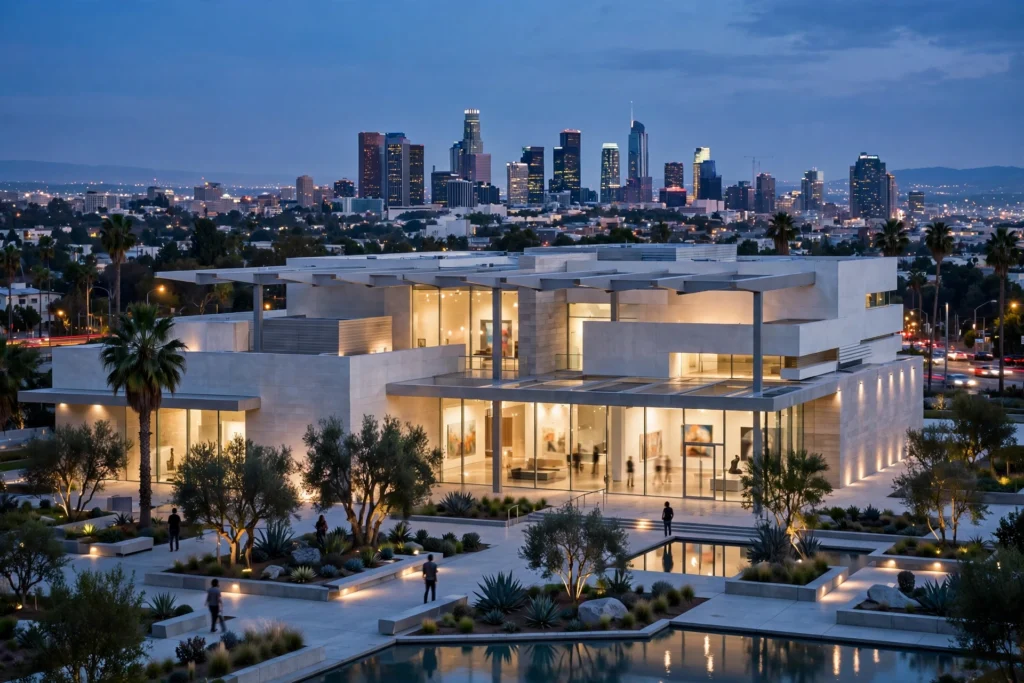
Museum after hours events have quietly become one of the best nights out in American cities — part exhibition visit, part social gathering, part concert, with a cocktail in hand and none of the daytime crowds. From adults-only science museum parties to DJ sets in art museum atriums, these evening programs reimagine what a museum can feel like after the school groups go home. If you have never been to one, this guide covers exactly what museum after hours events are, what to expect when you walk in, how much they cost, what to wear, and how to find them in your city.
The concept is simple: museums open their doors in the evening — usually once a month, sometimes weekly — with programming designed for adults. Think live music among the galleries, themed bars, hands-on activities, curator talks, planetarium shows, and food vendors, all inside spaces that feel completely different at night. Attendance has surged because the formula solves the two biggest objections to museum-going: it makes the visit social, and it makes it fun for people who assume museums are quiet, daytime, kids-oriented places.
What Museum After Hours Events Actually Are
Despite the variety, most after-hours programs fall into a few recognizable formats:
- Adults-only social nights (21+ or 18+) — the most common format. The museum opens its exhibitions after dark with bars, DJs or live bands, themed activities, and roaming performers. Examples include the Exploratorium’s After Dark in San Francisco (every Thursday, 18+) and OMSI After Dark in Portland (monthly, 21+).
- Curator-led evening programs — exhibition tours, lectures, and panel discussions scheduled after work hours, often with wine receptions. Quieter, more intellectual, and frequently free with admission.
- Themed late nights tied to exhibitions — one-off evenings built around a specific show, with performances, art-making, and food inspired by the exhibition’s subject.
- Seasonal spectaculars — holiday light installations, Halloween takeovers, and summer night markets staged on museum grounds. These are the biggest-ticket events and often sell out.
- Recurring series — monthly or quarterly programs with loyal followings, like jazz nights in the atrium or “first Friday” evening hours.
What unites them is the atmosphere shift. The same galleries you might visit on a Saturday afternoon feel entirely different at 9 PM with low lighting, music, and a drink in your hand. Objects you would walk past in daylight become dramatic under evening light.
What to Expect: The Evening, Hour by Hour
Arrival and entry (first 30 minutes)
Most after-hours events use timed entry or simple general admission. Expect a bag check and ID check at 21+ events — bring a valid government ID even if you are clearly over 21, because venues check everyone. Lines are shortest in the first 45 minutes; arriving early also gets you the best parking and the first look at popular activities before queues form. Coat check is common at larger museums and worth using, since you will be moving through galleries for hours.
The first hour: orientation
Grab a program or scan the event map, then do a quick reconnaissance lap. Identify the bar locations, the main stage or performance area, any ticketed add-ons (planetarium shows, workshops, rooftop access), and the exhibitions you most want to see. Many attendees make the mistake of camping at the first bar they find; a five-minute lap first means you spend the evening deliberately rather than drifting.
The middle of the evening: the core experience
This is when the programming peaks — live music sets, curator talks, hands-on activities, and demonstrations typically run in the middle two hours. Exhibition galleries are open, and this is genuinely the best time to see them: crowds are thinner than daytime, the lighting is often adjusted for the evening, and the social buzz makes the whole museum feel alive. Do not skip the actual exhibitions in favor of only the party elements — the art and objects are the point, and they are spectacular after dark.
The final hour: wind down
Programming usually tapers in the last hour. Bars may close 30 minutes before the event ends. This is the ideal time for a final gallery walk — spaces empty out, and you can stand in front of major works in near solitude. Check the event’s end time in advance and plan your exit; rideshare pickup zones at popular museum events can be chaotic, so consider scheduling your ride a few minutes before closing.
How Much Do They Cost?
Pricing varies widely, but here is the realistic range:
| Event Type | Typical Price Range | What Is Usually Included |
|---|---|---|
| Monthly adults-only nights | $15–$35 | Exhibition access, DJs/performances, activities; drinks extra |
| Curator talks and lectures | Free–$20 | Program and gallery access; sometimes a reception |
| Themed exhibition nights | $20–$50 | Full program plus exhibition access |
| Seasonal spectaculars | $25–$75+ | Installations, performances; premium tiers for extras |
| Member previews | Free with membership | Early exhibition access, often with refreshments |
Members frequently get discounts or free entry, so if you attend more than two or three evening events a year at the same museum, membership math usually works in your favor. Ticketed add-ons — planetarium shows, workshops, rooftop access, tasting experiences — typically cost extra and often sell out first, so book those when you buy your ticket rather than at the door.
What to Wear
The dress code question causes more anxiety than it should. The honest answer: there is no dress code at the vast majority of after-hours events, and you will see everything from jeans and sneakers to cocktail attire. That said, a few guidelines help:
- Smart casual is the safe default. What you would wear to a nice dinner out works everywhere.
- Wear comfortable shoes. You will be standing and walking for two to four hours, often on hard museum floors. This matters more than looking polished.
- Bring a layer. Museums are climate-controlled for the collections, not for you — galleries can run cool, and outdoor portions of events get cold after sunset.
- Check the theme. Costume-encouraged events (Halloween takeovers, decade-themed nights) are the exception where dressing up is genuinely part of the fun. When the event says costumes encouraged, commit — half-hearted costumes are the only real fashion mistake.
- Skip anything that could damage the art. No large backpacks, no selfie sticks in most galleries, nothing you would be upset about in a crowd.
After Hours vs. Daytime: An Honest Comparison
| Factor | Daytime Visit | After Hours Event |
|---|---|---|
| Crowds | Families, school groups, tourists | Adults, social groups, date nights |
| Atmosphere | Quiet, contemplative | Lively, music, conversation |
| Exhibition access | Full access, best light for viewing | Full or selected galleries, dramatic lighting |
| Programming | Tours, audio guides | Performances, bars, activities, talks |
| Cost | Standard admission | Often higher, but includes programming |
| Best for | Deep looking, families, first visits | Dates, friend groups, social art lovers |
Neither is better — they are different products. Serious art lovers do both: daytime for sustained attention to major exhibitions, after-hours for the social experience and for seeing familiar spaces transformed.
How to Find Museum After Hours Events Near You
- Check your local museums’ event calendars directly. Search “[museum name] after hours,” “late night,” or “adults-only” — most museums have a dedicated page or recurring series with its own branding.
- Sign up for museum newsletters. Evening events are announced to email lists first and the popular ones sell out before general publicity.
- Follow museums on Instagram. After-hours programming is visual and social by design, so it gets heavy promotion in stories and reels.
- Check event platforms. Eventbrite and local culture sites list ticketed evening programs; search “museum after dark [your city].”
- Look beyond art museums. Science centers, natural history museums, aquariums, zoos, and botanical gardens all run evening programs — and the science-center ones are often the most fun, with hands-on exhibits that shine in an adults-only setting.
- Ask about reciprocal programs. If you belong to one museum, its newsletter and member events often mention partner institutions’ evening series.
Many cities also run coordinated late-night arts events — gallery districts with simultaneous evening openings pair perfectly with a museum after-hours night for a full evening itinerary. Our roundup of the best art walks and First Friday events is a good companion planner.
Tips for Getting the Most Out of the Evening
- Buy tickets in advance. Popular after-hours events sell out, and door prices (when available) are higher. Advance purchase also lets you reserve add-ons.
- Eat before you go. Event food is usually snacks and food trucks, not dinner. Arrive fed so you are not spending the evening in a food line.
- Pace your drinking. Museum bars serve real cocktails, and the combination of art, crowds, and alcohol rewards moderation. Alternate with water — most venues have water stations.
- Do the exhibitions early in the evening. Gallery spaces are calmest in the first hour; the party energy builds later. Front-load the looking, back-load the socializing.
- Catch one programmed moment. A curator talk, a performance, a demonstration — one scheduled highlight anchors the evening and is usually the thing you will remember.
- Put the phone away in the galleries. Photos are fine where permitted, but the after-dark gallery experience rewards actual looking. Save the social posting for the bar areas.
- Go with the right group size. Two to four people is ideal — large enough for energy, small enough to stay together and actually see things.
Are They Good for Dates?
Unusually good, which is why they have become a date-night staple. Museum after-hours events solve the classic first-date problems: they provide built-in conversation topics (the art, the activities), natural movement (you walk between galleries rather than sitting across a table), easy exits from awkward moments (wander to the next exhibit), and a defined end time. They read as thoughtful and interesting without requiring the planner to be an art expert. For a museum-evening planning example, see planning an evening at a Los Angeles museum event.
What About Kids?
Most after-hours social events are 18+ or 21+, explicitly. A few museums run family evening programs — pajama nights, flashlight tours, sleepovers — which are wonderful but are a different product with separate listings. Check the age policy before promising the kids a night at the museum; the adults-only events mean it.
Signature After-Hours Programs Across the Country
To give you a concrete sense of the landscape, here are some of the long-running programs that define the format — useful models for what to look for in your own city:
- Exploratorium After Dark (San Francisco) — every Thursday evening, 18+, with 700+ hands-on exhibits, themed programming that changes weekly, and panoramic Bay views. The template for the modern science-museum late night.
- OMSI After Dark (Portland) — monthly 21+ evenings with a rotating theme (recent editions have covered everything from winter science to fermentation), planetarium shows, lectures, and local vendors.
- NCMA After Hours (Raleigh) — the North Carolina Museum of Art’s evening series pairing exhibition themes with live music, art-making, and food — a strong example of the art-museum social format.
- Science After Hours (Buffalo) — the Buffalo Museum of Science’s adults-only nights, with seasonal editions (a Halloween takeover draws costumed crowds) plus premium add-ons like rooftop access.
- Student and young-patron late nights — university museums (Harvard Art Museums’ Student Late Night, among others) run high-energy evening programs aimed at younger audiences, often free.
Notice the pattern: science centers and natural history museums were early adopters and remain the most reliably fun, while art museums have caught up with increasingly sophisticated social programming. Your city’s equivalents are one newsletter signup away.
Making After-Hours a Habit, Not a One-Off
The biggest mistake first-timers make is treating an after-hours event as a novelty rather than the start of a practice. Here is how regulars do it:
- Follow the series, not the event. Monthly programs build communities — you start recognizing staff, fellow regulars, and the rhythm of the programming. The third visit is always better than the first.
- Track the themes. Most series announce themes a month or two out. Cherry-pick the themes that excite you and skip the rest guilt-free.
- Bring a different friend each time. After-hours events are ideal for introducing people to museum-going; the social format converts skeptics who would never attend a daytime lecture.
- Volunteer. Museums need evening event volunteers, and volunteering gets you inside the operation — early access, staff perspectives, and a social circle of fellow culture lovers.
- Pair it with dinner nearby. A standing reservation at a restaurant near the museum turns the event into a ritual rather than a plan you have to remake each month.
Done right, a monthly museum after-hours night becomes one of the anchors of your social calendar — cheaper than most nights out, more interesting than nearly all of them, and the rare recurring plan that actually improves with repetition.
What to Do When Something Goes Wrong
Even well-planned evenings hit snags. If the event is sold out at the door, check the museum’s social media — ticket holders often release spares day-of. If a specific program you wanted is full, pivot to the galleries themselves; the after-dark exhibition experience needs no reservation. And if the evening simply is not your scene, leave early without guilt and try a different museum’s series next month — formats vary enormously, and the right fit matters more than any single night.
Frequently Asked Questions
What are museum after hours events?
Evening programs where museums open after normal closing time with special programming — live music, bars, performances, hands-on activities, curator talks — usually aimed at adult audiences. They run from monthly series to one-off seasonal spectaculars.
How much do museum after hours events cost?
Most fall between $15 and $50, with monthly social nights at the lower end and seasonal spectaculars at the higher end. Members often get discounts or free entry, and ticketed add-ons like planetarium shows cost extra.
Do I need to buy tickets in advance?
Strongly recommended. Popular after-hours events routinely sell out, advance tickets are cheaper than door prices, and add-ons like workshops or tastings usually must be reserved ahead of time.
What should I wear to a museum late-night event?
Smart casual with comfortable shoes. There is rarely a dress code; you will see everything from jeans to cocktail attire. Bring a layer for cool galleries, and dress to the theme when the event encourages costumes.
Are the actual exhibitions open during after hours events?
Usually yes — most events include access to the museum’s exhibitions, sometimes selected galleries rather than the full museum. The evening lighting and smaller crowds make it an excellent time to see the art itself, not just the party.
Can I bring children to after hours events?
Generally no — most are 18+ or 21+. Museums run separate family evening programs (flashlight tours, sleepovers) with their own listings and age policies.
How do I find museum after hours events in my city?
Check local museums’ event calendars and newsletters directly, follow them on Instagram, and search Eventbrite for “museum after dark” plus your city. Science centers, aquariums, and botanical gardens run evening programs too — do not limit yourself to art museums.
Are museum after hours events worth it?
For most people, yes — they bundle exhibition access with live entertainment in a memorable setting at a price comparable to a night out. Go in with a plan (see the exhibitions early, catch one programmed highlight), and they consistently rank among the best-value cultural nights available.