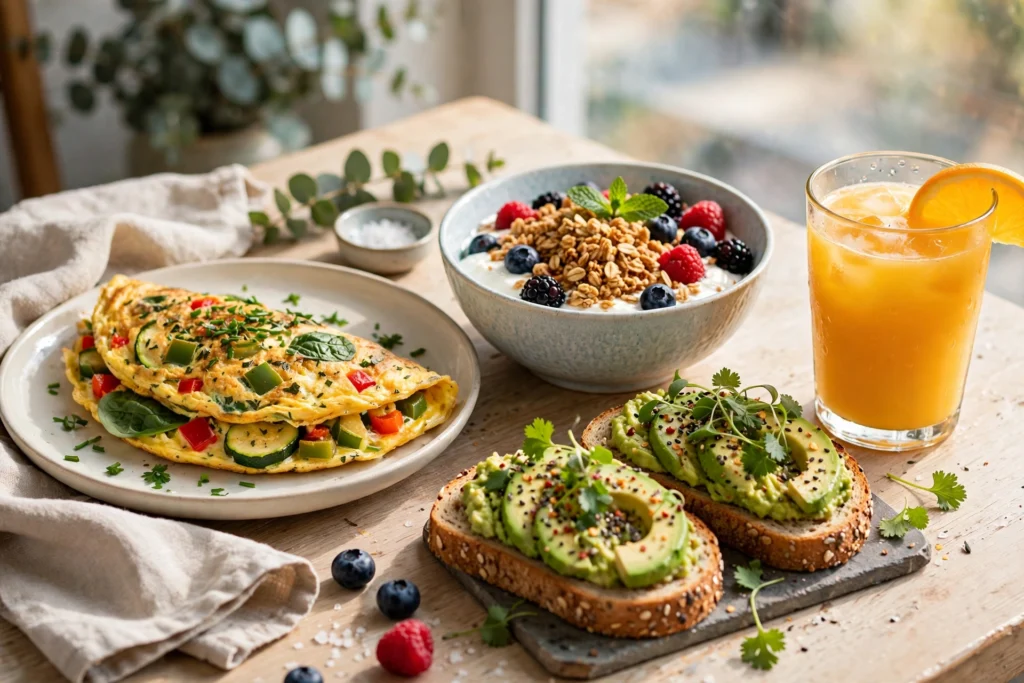
Meal Prep for Beginners is the single highest-leverage habit in healthy eating: a few focused hours on the weekend can set you up with nutritious, ready-to-eat meals for the entire week. No more 6 p.m. decision fatigue, no more expensive takeout by default, no more sad desk lunches. If you have ever opened the fridge, stared blankly, and ordered delivery instead, this guide is for you. We will walk through everything from the equipment you actually need (spoiler: less than you think) to a complete first-week plan with a shopping list, step-by-step cook session, and storage rules that keep food safe and tasty.
Meal prep is not about eating the same bland chicken-and-broccoli five days in a row. Modern meal prep is flexible, flavorful, and built around components you can mix and match. By the end of this guide, you will have a repeatable system that takes about two to three hours a week and pays for itself in money saved, time freed, and meals you actually look forward to.
What Is Meal Prep, Really?
At its core, Meal Prep for Beginners means cooking food in batches ahead of time so that healthy eating becomes the default rather than the project. There are four main styles, and beginners do best when they pick the one that matches their personality:
- Full-meal prep: Cook complete meals (lunch and/or dinner) and portion them into containers. Best for people who want zero weeknight cooking.
- Component prep: Cook building blocks — a grain, two proteins, roasted vegetables, a sauce — and assemble different bowls through the week. Best for people who get bored easily.
- Ingredient prep: Wash, chop, and portion raw ingredients so weeknight cooking takes 15 minutes. Best for people who enjoy cooking but hate the setup.
- Freezer prep: Assemble complete meals (soups, stews, casseroles, marinated proteins) and freeze them for later. Best for people with unpredictable schedules.
Most successful beginners start with component prep: it is forgiving, flexible, and teaches you the rhythm of a cook session without locking you into five identical containers.
Why Meal Prep Works: The Real Benefits
The appeal of Meal Prep for Beginners is not just theoretical. Here is what actually changes when you adopt the habit:
- You eat more vegetables. Prepped vegetables get eaten; unprepped vegetables wilt in the crisper drawer. When roasted vegetables and washed greens are already waiting, they end up in your meals.
- You spend less money. A week of prepped lunches typically costs a fraction of a week of takeout or cafeteria lunches. The savings are one of the most immediate rewards.
- You reclaim weeknights. A two-hour Sunday session replaces five separate weeknight cooking sessions. That is time back for everything else.
- Portions take care of themselves. When meals are portioned on Sunday, you do not have to make portion decisions when you are tired and hungry on Wednesday.
- Healthy becomes automatic. Willpower is unreliable; systems are not. Meal prep is a system that makes the healthy choice the easy choice.
The Only Equipment You Actually Need
Meal-prep influencers would have you believe you need a kitchen full of gadgets. You do not. Here is the honest starter kit for Meal Prep for Beginners:
- A large sheet pan (or two): The workhorse of batch cooking. Roast a full pan of vegetables while your grain cooks.
- A big pot or Dutch oven: For grains, soups, stews, and hard-boiled eggs.
- A sharp chef’s knife and a cutting board: Most of prep time is chopping. A sharp knife makes it fast and safe.
- Glass containers with locking lids: Start with 6–8 rectangular containers in the 3–4 cup range. Glass reheats better and lasts longer than plastic.
- A few small jars: For sauces, dressings, and overnight oats.
- A rice cooker (optional but wonderful): Perfect grains with zero attention while you do everything else.
That is genuinely it. You can add a slow cooker or sheet-pan liners later, but none of it is required to start.
The Golden Rules of Food Safety
Before you cook a single thing, internalize these rules. Meal Prep for Beginners only works if the food stays safe all week:
- Cool food quickly: Do not leave cooked food at room temperature for more than two hours. Spread hot food on sheet pans or divide it into shallow containers to cool faster, then refrigerate.
- Respect the 3–4 day rule: Most cooked meals keep safely for 3–4 days in the refrigerator. Plan to eat prepped lunches Monday through Thursday, and cook a small fresh batch or eat freezer meals Thursday and Friday.
- Freeze what you will not eat in time: Soups, stews, cooked grains, and many proteins freeze beautifully for up to three months.
- Reheat to steaming: Reheat leftovers until steaming hot throughout, and only reheat once.
- Keep cold foods cold: If you are taking prepped meals to work, use an insulated bag with an ice pack.
- Trust your senses — then the calendar: When in doubt, throw it out. A date label on every container removes the guessing.
Your First Week: The Beginner Meal Prep Plan
Here is a complete first-week plan for Meal Prep for Beginners. It uses component prep: you will cook one grain, two proteins, two vegetable trays, one breakfast, and one sauce. From those components you can assemble at least five different lunches and dinners without repeating a single bowl.
The Sunday Cook Session (About 2 Hours)
Work in this order — it is sequenced so that something is always cooking while you prep the next thing:
- Minute 0–10: Preheat the oven to 425°F. Start your grain (brown rice or quinoa) on the stovetop or in the rice cooker. Put a pot of water on to boil for eggs.
- Minute 10–25: Chop vegetables for two sheet pans: broccoli, bell peppers, red onion, zucchini, and sweet potato on one; cauliflower, carrots, and Brussels sprouts on the other. Toss with olive oil, salt, and pepper.
- Minute 25–35: Get both vegetable trays in the oven. Add eggs to the boiling water for hard-boiled eggs (10 minutes). Season chicken thighs or breasts with olive oil, garlic powder, paprika, salt, and pepper.
- Minute 35–55: While vegetables roast, cook your second protein: brown ground turkey in a skillet with taco seasoning, or simmer lentils with onion and cumin. Make your sauce — a simple tahini-lemon dressing or peanut sauce takes five minutes in a jar.
- Minute 55–75: Sear or bake the chicken. Assemble overnight oats in jars for breakfasts (oats, milk or yogurt, chia seeds, fruit). Cool the eggs in ice water and peel.
- Minute 75–120: Let everything cool, then portion: grains into containers, proteins into containers, vegetables into containers, sauce into jars. Label everything with the date. Clean as you go and you will finish with a tidy kitchen.
Your First-Week Shopping List
| Category | What to Buy | Used For |
|---|---|---|
| Grains | Brown rice or quinoa (2 cups dry) | Bowl bases all week |
| Protein 1 | Chicken thighs or breasts (2 lbs) | Roasted protein for bowls |
| Protein 2 | Ground turkey (1 lb) or brown lentils (1.5 cups dry) | Taco bowls, lentil bowls |
| Vegetables | Broccoli, bell peppers, red onion, zucchini, sweet potato, cauliflower, carrots | Two roasted trays |
| Greens | Spinach or mixed greens (1 large tub) | Bowl bases, salads |
| Breakfast | Rolled oats, milk or yogurt, chia seeds, bananas or berries | Overnight oats |
| Pantry | Olive oil, tahini or peanut butter, lemon, garlic powder, paprika, cumin, taco seasoning | Sauce + seasonings |
| Eggs | 1 dozen | Hard-boiled snacks and breakfasts |
Five Mix-and-Match Bowls From One Cook Session
- Mediterranean bowl: Quinoa + roasted cauliflower and peppers + chicken + tahini-lemon sauce + spinach.
- Taco bowl: Brown rice + taco turkey + roasted peppers and onion + salsa + a handful of greens.
- Buddha bowl: Quinoa + roasted sweet potato and broccoli + peanut sauce + hard-boiled egg.
- Protein power salad: Spinach + chicken + roasted vegetables + tahini dressing + chia seeds.
- Lentil comfort bowl: Brown rice + cumin lentils + roasted carrots + a fried or hard-boiled egg on top.
Notice the trick: the same eight components make five genuinely different meals. That is the magic of component prep, and it is why Meal Prep for Beginners does not have to mean boring food.
Breakfasts Worth Prepping
Lunch gets all the meal-prep glory, but breakfast prep might be the bigger win — it removes the most rushed decision of the day. These three options take minutes to assemble and cover the whole week:
- Overnight oats: Equal parts rolled oats and milk (dairy or plant-based) in a jar, plus chia seeds, fruit, and a drizzle of honey or maple syrup. Refrigerate overnight; grab and go. They keep 3–4 days.
- Egg muffins: Whisk a dozen eggs with chopped vegetables and a little cheese, pour into a greased muffin tin, and bake at 350°F for about 20 minutes. Two or three muffins make a protein-rich breakfast; they keep 4 days refrigerated.
- Freezer breakfast burritos: Scramble eggs with black beans, peppers, and a little cheese, roll in whole-wheat tortillas, wrap in foil, and freeze. Microwave for 2–3 minutes for an instant hot breakfast.
The Sauce Strategy: Your Secret Weapon
Ask any long-term meal prepper what keeps them from getting bored, and the answer is almost always sauce. A great sauce makes the same roasted vegetables taste completely different. Prep one or two sauces each week in jars:
- Tahini-lemon: Tahini, lemon juice, garlic, water to thin, salt. Creamy, nutty, and endlessly versatile.
- Peanut sauce: Peanut butter, soy sauce, lime juice, a touch of honey, water to thin. Turns any bowl into a satay situation.
- Salsa verde: Store-bought is genuinely fine — check that the ingredient list is short and recognizable.
- Chimichurri: Parsley, garlic, olive oil, red wine vinegar, red pepper flakes. Brightens grilled proteins instantly.
- Yogurt-herb: Greek yogurt, dill or cilantro, lemon, garlic. High-protein and cooling.
Sauces keep 5–7 days refrigerated in sealed jars. Always store sauce separately from the bowl components and add it at serving time — this keeps textures fresh and prevents sogginess.
Storage Guide: How Long Does Prepped Food Last?
| Food | Fridge | Freezer | Notes |
|---|---|---|---|
| Cooked grains (rice, quinoa) | 4–5 days | Up to 3 months | Cool quickly; portion into flat bags for freezing |
| Cooked chicken or turkey | 3–4 days | Up to 3 months | Slice before storing for faster reheating |
| Roasted vegetables | 4–5 days | Up to 3 months | Reheat in oven or air fryer to re-crisp |
| Hard-boiled eggs | 7 days (in shell) | Not recommended | Keep in shell until eating |
| Overnight oats | 3–4 days | Not recommended | Add crunchy toppings fresh |
| Soups and stews | 3–4 days | Up to 3 months | Leave headspace in containers when freezing |
| Sauces and dressings | 5–7 days | Varies | Store separately; add at serving time |
| Washed greens | 5–7 days | Not recommended | Dry thoroughly; store with a paper towel |
Common Beginner Mistakes (and How to Avoid Them)
- Prepping too much, too soon. Start with lunches only. Master one cook session before adding breakfasts and dinners.
- Choosing complicated recipes. Your first month should be simple: one grain, two proteins, roasted vegetables, one sauce. Complexity comes later.
- Forgetting the “crunch factor.” Prepped food can feel monotonous in texture. Keep nuts, seeds, or crispy chickpeas on hand to add at serving time.
- Storing everything together. Wet ingredients make everything soggy. Store sauces separately and keep delicate greens away from hot components until serving.
- Skipping the labels. “Mystery container from Sunday” is how food gets wasted. A strip of masking tape and a marker solve this permanently.
- Repeating the exact same meal five times. Component prep exists to prevent this. If you are bored, you need more components and more sauces — not more willpower.
Leveling Up: Month Two and Beyond
Once the Sunday session feels routine, Meal Prep for Beginners graduates into a genuinely enjoyable hobby. Here is the natural progression:
- Theme your weeks: Mediterranean week, taco week, Asian-inspired week, Indian-inspired week. One cuisine theme makes shopping and seasoning decisions automatic.
- Add a freezer session monthly: Dedicate one Sunday a month to soups, stews, and marinated proteins for the freezer. This is your insurance policy for chaotic weeks.
- Prep snacks too: Washed fruit, cut vegetables with hummus, portioned nuts, and energy balls keep afternoon snacking on track. Our farmers market food guide is perfect for stocking up on the fresh produce that makes prepped snacks actually appealing.
- Invite variety through grains: Rotate brown rice, quinoa, farro, bulgur, and barley. Different grains have different textures and keep bowls interesting.
- Track what works: Keep a simple note of which components your household actually finishes. Prep more of those, less of the rest.
If you ever want a break from the kitchen without abandoning healthy eating, our guide to the best food trucks in the USA includes plenty of vendors serving fresh bowls and vegetable-forward plates worth seeking out.
Frequently Asked Questions
How long does meal prep take for beginners?
Plan on two to three hours for your first few sessions, including shopping. Most people settle into a 90-minute to two-hour weekly rhythm once they have a system. Component prep — cooking building blocks rather than full recipes — is the fastest style.
Is meal prep safe? How long does prepped food last in the fridge?
Yes, when you follow basic food safety. Most cooked meals keep 3–4 days refrigerated; cooked grains and roasted vegetables stretch to 4–5 days. Cool food within two hours of cooking, label containers with dates, and freeze anything you will not eat in time.
What are the easiest meals to prep for beginners?
Grain bowls, overnight oats, egg muffins, sheet-pan chicken and vegetables, taco bowls, and simple soups. All of them use basic techniques, reheat well, and tolerate variation — the three qualities that define beginner-friendly prep.
Does meal prep actually save money?
For most people, yes, significantly. A week of prepped lunches typically costs much less than a week of takeout or restaurant lunches, because you are buying raw ingredients in bulk and eliminating the restaurant markup. The exact savings depend on your current habits, but the direction is consistent.
How do I keep meal prep from getting boring?
Use component prep instead of full-meal prep, rotate one or two sauces weekly, theme your weeks by cuisine, and keep crunchy toppings on hand. Boredom is a variety problem, not a discipline problem — solve it with more components, not more willpower.
Can I meal prep if I have a small kitchen?
Absolutely. Meal prep was practically invented for small kitchens: one sheet pan, one pot, and a cutting board are enough. The key is sequencing — start the grain, then roast vegetables while protein cooks — so you are never juggling more than two things at once.
What containers are best for meal prep?
Glass containers with locking lids in the 3–4 cup range are the best all-around choice: they reheat evenly, do not stain, and last for years. Start with six to eight; add small jars for sauces and dressings.
The Bottom Line
Meal Prep for Beginners is not a diet — it is a logistics upgrade. Two hours on Sunday buys you a week where healthy eating is the path of least resistance. Start small with component prep, follow the food-safety basics, lean on sauces for variety, and let the habit compound. A month from now, the idea of scrambling for lunch at noon will feel like a distant memory — and your wallet, your weeknights, and your energy levels will all show it. For more inspiration on eating well across the week, explore our best vegan food in the USA guide for plant-based ideas worth adding to your rotation.