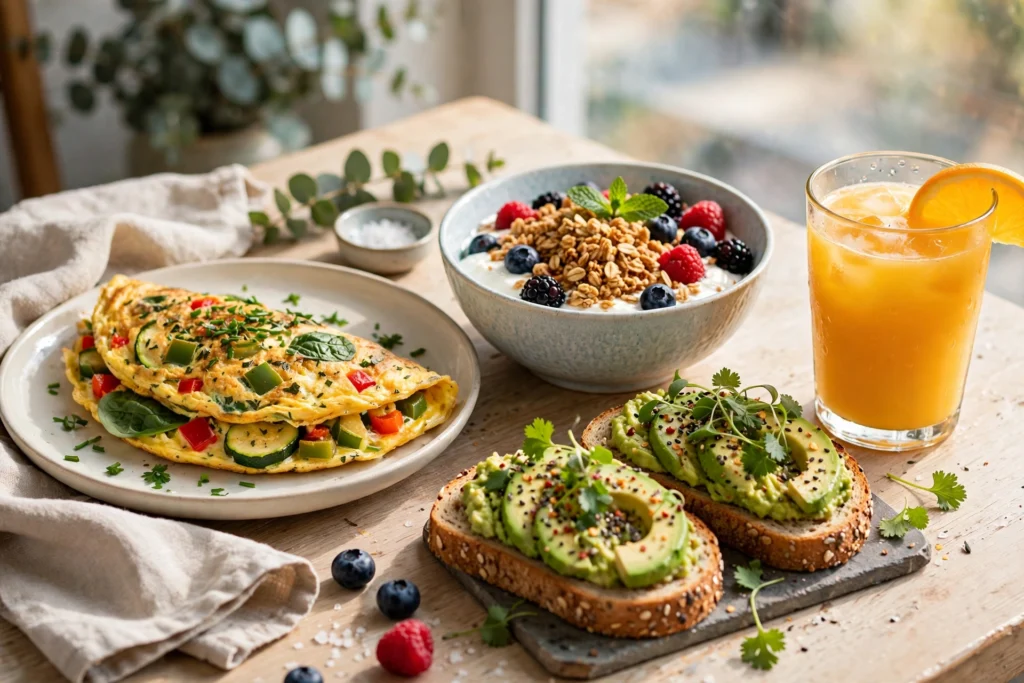
One of the most persistent myths in nutrition is that vegetarians cannot get enough protein. The truth? High-Protein Vegetarian Meals are not only possible — they are delicious, varied, and easier to build than most people think. From lentil curries to tofu stir-fries to Greek-yogurt breakfast bowls, plant-based protein is everywhere once you know where to look. Whether you are a lifelong vegetarian, a curious flexitarian, or just trying to eat less meat, this guide gives you the complete playbook: the best protein sources, 15 meal ideas, a protein-content reference table, and the simple strategies that make hitting your protein goals effortless.
Protein matters because it is the most satiating macronutrient — it keeps you full, supports muscle maintenance, and steadies energy between meals. The good news is that a well-planned vegetarian diet supplies plenty of it. Let us break down exactly how.
How Much Protein Do Vegetarians Actually Need?
Before building High-Protein Vegetarian Meals, it helps to know the target. General nutrition guidance for adults centers on roughly 0.8 grams of protein per kilogram of body weight per day as a baseline, with active people and older adults often aiming higher. For a 150-pound (68 kg) adult, that baseline lands around 55 grams daily — and active individuals commonly target 80–110 grams or more.
Spread across three meals and a snack, those numbers are very achievable without meat. A day might look like: Greek-yogurt breakfast bowl (20g), lentil soup lunch (18g), tofu stir-fry dinner (25g), and a handful of almonds as a snack (6g). The key is including a concentrated protein source at every meal rather than hoping it adds up incidentally.
The Vegetarian Protein Power List
These are the workhorse ingredients behind the best High-Protein Vegetarian Meals. Keep a rotating cast of them in your kitchen and protein takes care of itself:
Legumes: The Foundation
- Lentils: The MVP of vegetarian protein — quick-cooking, inexpensive, and endlessly versatile in soups, curries, salads, and bowls.
- Chickpeas: Roast them crispy for snacks, blend into hummus, or simmer in curries and stews.
- Black beans: The backbone of burrito bowls, chili, and quesadillas.
- Edamame: Young soybeans that work as a snack, salad topper, or stir-fry ingredient.
Soy Foods: The Complete Proteins
- Tofu: Absorbs any flavor you give it. Press it, cube it, and roast, pan-fry, or air-fry for maximum texture.
- Tempeh: Fermented soybeans with a nutty flavor and firm, meaty texture — excellent crumbled into tacos or sliced for sandwiches.
- Soy milk: The highest-protein plant milk by a wide margin; use it in smoothies and oatmeal.
Dairy and Eggs (for Lacto-Ovo Vegetarians)
- Greek yogurt: Roughly double the protein of regular yogurt — the easiest high-protein breakfast base there is.
- Cottage cheese: Polarizing but undeniably protein-dense; great in bowls or blended into sauces.
- Eggs: The reference protein — versatile, affordable, and quick.
- Paneer and halloumi: Firm cheeses that grill beautifully for vegetarian “steaks.”
Grains, Nuts, and Seeds
- Quinoa: A complete-protein grain that works as a base for any bowl.
- Hemp seeds, chia seeds, pumpkin seeds: Small but mighty — sprinkle on everything.
- Peanuts, almonds, pistachios: Protein plus healthy fats; portion them since they are calorie-dense.
- Nutritional yeast: Cheesy flavor plus a protein boost for popcorn, pasta, and roasted vegetables.
- Seitan: Made from wheat gluten, with a remarkably meat-like chew — the highest-protein plant option per serving.
Protein Content Reference Table
Use this table when building High-Protein Vegetarian Meals. Values are approximate for typical servings — exact numbers vary by brand and preparation.
| Food (typical serving) | Approx. Protein | Best Uses |
|---|---|---|
| Seitan (3.5 oz) | ~25g | Stir-fries, sandwiches, “wings” |
| Tempeh (3.5 oz) | ~19g | Tacos, grain bowls, BLTs |
| Greek yogurt (1 cup) | ~20g | Breakfast bowls, smoothies, sauces |
| Lentils, cooked (1 cup) | ~18g | Soups, curries, salads, bowls |
| Tofu, firm (1/2 block) | ~20g | Stir-fries, scrambles, roasting |
| Edamame (1 cup) | ~17g | Snacks, salads, stir-fries |
| Chickpeas, cooked (1 cup) | ~15g | Curries, hummus, roasting |
| Black beans, cooked (1 cup) | ~15g | Burrito bowls, chili, soups |
| Cottage cheese (1 cup) | ~25g | Bowls, toast topping, sauces |
| Eggs (2 large) | ~12g | Any meal, any style |
| Quinoa, cooked (1 cup) | ~8g | Bowl bases, salads, pilafs |
| Peanut butter (2 tbsp) | ~8g | Toast, smoothies, sauces |
| Hemp seeds (3 tbsp) | ~10g | Sprinkled on anything |
| Soy milk (1 cup) | ~7g | Smoothies, oatmeal, lattes |
15 High-Protein Vegetarian Meal Ideas
Breakfasts
- Greek yogurt power bowl: Greek yogurt layered with berries, hemp seeds, and a drizzle of honey. Fast, no cooking, and genuinely filling.
- Tofu scramble burrito: Crumbled firm tofu scrambled with turmeric, black beans, peppers, and spinach in a whole-wheat tortilla.
- Protein overnight oats: Rolled oats soaked in soy milk with chia seeds, peanut butter, and banana — prepped the night before.
- Egg and black bean breakfast tacos: Scrambled eggs with black beans, salsa, and avocado on corn tortillas.
Lunches
- Red lentil soup: Red lentils simmered with onion, carrot, cumin, and turmeric; blend until creamy. Freezer-friendly and meal-prep gold.
- Chickpea “tuna” salad sandwich: Mashed chickpeas with celery, red onion, and a yogurt-based dressing on whole-grain bread.
- Quinoa black bean bowl: Quinoa, black beans, corn, peppers, and avocado with lime-cilantro dressing.
- Tempeh BLT: Smoky sliced tempeh with lettuce, tomato, and avocado on toasted whole-grain bread.
- Edamame crunch salad: Edamame, shredded cabbage, carrots, and peanuts with a sesame-ginger dressing.
Dinners
- Tofu and vegetable stir-fry: Pressed, cubed tofu crisped in a hot pan with broccoli, snap peas, and bell peppers in garlic-ginger sauce over brown rice.
- Lentil bolognese: Brown or green lentils simmered in tomato sauce with onion, carrot, and Italian herbs over whole-grain pasta.
- Chana masala: Chickpeas in a spiced tomato-onion gravy — a naturally vegan, protein-rich classic. Serve with brown rice.
- Black bean and sweet potato chili: A one-pot meal that improves overnight; top with Greek yogurt instead of sour cream for extra protein.
- Seitan fajitas: Sliced seitan seared with peppers and onions, served with warm tortillas, beans, and guacamole.
- Paneer tikka bowls: Marinated paneer cubes roasted with vegetables over basmati or brown rice with mint chutney.
5 Strategies That Make Vegetarian Protein Effortless
1. Anchor Every Meal With a Protein Source
The single most important habit behind successful High-Protein Vegetarian Meals: before you think about anything else on the plate, choose the protein. Yogurt or eggs at breakfast, lentils or chickpeas at lunch, tofu or tempeh at dinner. When the anchor is set, the rest of the meal builds itself.
2. Combine Complementary Proteins
You have probably heard that plant proteins need “combining” to be complete. The modern understanding is simpler: just eat a variety of plant proteins across the day and your body handles the rest. That said, classic pairings are classic for a reason — rice and beans, hummus and whole-wheat pita, peanut butter on toast — because they taste great together and cover a broad amino acid range.
3. Double Up at One Meal
When you need a protein boost, use two sources in one dish: tofu plus edamame in a stir-fry, lentils plus Greek yogurt on a curry, black beans plus quinoa in a bowl. Doubling is the easiest way to push a meal from moderate to genuinely high-protein.
4. Snack With Intention
Snacks are where vegetarians often fall short on protein. Upgrade the usual fruit-or-crackers routine: roasted chickpeas, edamame, Greek yogurt, cottage cheese, hard-boiled eggs, or a handful of pistachios. A protein-containing snack steadies energy far better than a carb-only one.
5. Prep the Proteins Weekly
Cook a big batch of lentils, press and cube tofu, hard-boil eggs, and portion Greek yogurt on Sunday. When the protein is already cooked, High-Protein Vegetarian Meals assemble in minutes all week. Fresh produce for the rest of your prep can come from local sources — our farmers market food guide shows how to shop seasonally and affordably.
A Sample High-Protein Vegetarian Day
Here is what a full day of High-Protein Vegetarian Meals looks like in practice, totaling well over 90 grams of protein without any meat:
| Meal | What You Eat | Protein Stars |
|---|---|---|
| Breakfast | Greek yogurt bowl with berries, hemp seeds, and honey | Greek yogurt, hemp seeds |
| Morning snack | Apple with 2 tbsp peanut butter | Peanut butter |
| Lunch | Red lentil soup with a side of whole-grain bread | Red lentils |
| Afternoon snack | Roasted chickpeas and a small handful of almonds | Chickpeas, almonds |
| Dinner | Tofu stir-fry with edamame and brown rice | Tofu, edamame |
| Evening | Warm soy milk with cinnamon (optional) | Soy milk |
Notice how ordinary this day is — no powders, no specialty products, nothing exotic. Just whole foods, anchored by a protein source at every eating occasion.
Eating High-Protein Vegetarian at Restaurants
Restaurant menus are increasingly vegetarian-friendly, and the same principles apply. Look for dishes built around legumes, tofu, tempeh, paneer, or eggs rather than cheese-heavy vegetarian options (a four-cheese pasta is vegetarian, but it is not a protein strategy). Some reliable orders:
- Mexican: Bean burrito bowl with grilled vegetables and guacamole.
- Indian: Dal (lentils), chana masala (chickpeas), or palak paneer with brown rice.
- Mediterranean: Falafel plate with hummus, or a lentil soup with pita. Our best vegan food in the USA guide covers the best plant-based restaurant picks nationwide.
- Thai: Tofu pad thai or green curry with tofu and extra vegetables.
- Japanese: Agedashi tofu, vegetable tempura with soba, or a tofu poke bowl.
- American: Black bean burger (grilled, not fried) with a side salad, or a grain bowl with roasted vegetables and chickpeas.
When traveling, food trucks can be surprisingly vegetarian-friendly — many specialize in falafel, bean-based tacos, and vegetable bowls. Check our best food trucks in the USA roundup for ideas.
7-Day High-Protein Vegetarian Meal Plan
To make High-Protein Vegetarian Meals concrete, here is a full week showing how the pieces fit together. Each day includes three anchored meals plus a snack — no repeats, no boredom:
| Day | Breakfast | Lunch | Dinner | Snack |
|---|---|---|---|---|
| Monday | Greek yogurt bowl with berries and hemp seeds | Red lentil soup with whole-grain bread | Tofu and vegetable stir-fry with brown rice | Apple with peanut butter |
| Tuesday | Tofu scramble burrito | Chickpea “tuna” salad sandwich | Black bean and sweet potato chili | Roasted chickpeas |
| Wednesday | Protein overnight oats | Quinoa black bean bowl | Lentil bolognese over whole-grain pasta | Cottage cheese with fruit |
| Thursday | Egg and black bean breakfast tacos | Edamame crunch salad | Chana masala with brown rice | Hard-boiled eggs |
| Friday | Greek yogurt smoothie with soy milk and banana | Tempeh BLT | Seitan fajitas with beans and guacamole | Pistachios |
| Saturday | Vegetable omelet with whole-grain toast | Leftover chili over baked potato | Paneer tikka bowls | Hummus with vegetables |
| Sunday | Protein pancakes with Greek yogurt topping | Meal-prep bowl assembly | Big-batch lentil soup (for the week) | Edamame with sea salt |
Notice the rhythm: batch-friendly meals on Sunday, quick assembly on weekdays, and a different cuisine influence nearly every day. This is what sustainable High-Protein Vegetarian Meals look like — varied, practical, and built from affordable staples.
Do Vegetarians Need Protein Powder?
Short answer: no, but it can be convenient. Whole-food meals like the ones in this guide cover typical protein needs comfortably. That said, protein powder earns its place in specific situations:
- Very active people with high targets who struggle to eat enough volume.
- Smoothie lovers who want a quick post-workout option.
- Busy mornings when a shake is the difference between protein at breakfast and no breakfast.
If you use one, choose a powder with a short ingredient list and a protein source you tolerate (pea, soy, whey, or blends). Treat it as a supplement to real meals, not a replacement for them — the fiber, vitamins, and satisfaction of whole-food High-Protein Vegetarian Meals cannot be powdered.
Batch-Cooking Proteins: The Sunday Routine
The difference between vegetarians who hit their protein goals and those who do not usually comes down to one habit: batch-cooking proteins on Sunday. When cooked protein is waiting in the fridge, High-Protein Vegetarian Meals assemble in minutes. Here is a 45-minute routine that covers the week:
- Start the lentils: One pot of brown or green lentils simmering (25 minutes, hands-off).
- Press and bake tofu: Press a block of extra-firm tofu, cube it, toss with oil and seasoning, and bake at 425F for 25 minutes, flipping once.
- Boil eggs: A dozen eggs, 10 minutes in boiling water, then an ice bath. Peel and refrigerate in their shells.
- Cook quinoa: One pot, 15 minutes, while everything else works.
- Portion Greek yogurt: Divide a large tub into single-serve jars with berries.
Store each protein separately in labeled containers. All week, meals become simple assembly: grain plus protein plus vegetables plus sauce. This one routine is the highest-leverage habit in vegetarian eating, and it is the reason meal-preppers rarely worry about protein.
Frequently Asked Questions
Can vegetarians get enough protein without supplements?
Yes. A varied vegetarian diet with legumes, soy foods, dairy, eggs, whole grains, nuts, and seeds supplies ample protein for most people. Protein powders are a convenience, not a necessity — whole-food meals like the ones in this guide cover typical needs.
What is the highest-protein vegetarian food?
Seitan is the highest-protein plant food per serving, followed closely by tempeh, tofu, lentils, and Greek yogurt. Among whole foods, soy-based options and legumes consistently top the charts.
Do vegetarians need to combine proteins at every meal?
No — this is outdated advice. Eating a variety of plant proteins across the day gives your body everything it needs. Classic combinations like rice and beans are still great meals, but you do not need to engineer them at every sitting.
How can a vegetarian get 100g of protein a day?
Anchor every meal and snack with a concentrated source: Greek yogurt or tofu scramble at breakfast, lentil soup or a tempeh sandwich at lunch, a tofu or seitan stir-fry at dinner, plus protein snacks like edamame, roasted chickpeas, or cottage cheese. The sample day plan above shows exactly how it adds up.
Is tofu healthy?
Yes. Tofu is a minimally processed whole soy food rich in protein, and soy foods have been studied extensively as part of traditional diets. Choose firm or extra-firm tofu for cooking, press out excess water for the best texture, and season boldly — tofu absorbs whatever flavors you give it.
What are good high-protein vegetarian snacks?
Roasted chickpeas, edamame, Greek yogurt, cottage cheese, hard-boiled eggs, pistachios, almonds, peanut butter with apple slices, and hummus with vegetables. All of them pair protein with fiber or healthy fats for lasting energy.
Can you build muscle on a vegetarian diet?
Absolutely — plenty of athletes thrive on vegetarian diets. The requirements are the same as for anyone: adequate total protein spread across the day, enough calories to support training, and progressive resistance exercise. Emphasize the concentrated sources in this guide (seitan, tempeh, tofu, lentils, Greek yogurt) to hit higher targets comfortably.
The Bottom Line
High-Protein Vegetarian Meals are not a compromise — they are some of the most flavorful, affordable, and satisfying food you can eat. Anchor every meal with a protein source, keep your kitchen stocked with legumes and soy foods, prep proteins weekly, and snack with intention. Whether you are fully vegetarian or just exploring more plant-based days, the meals in this guide prove that eating less meat never has to mean eating less well. For more plant-forward eating ideas, explore our best vegan food in the USA guide next.