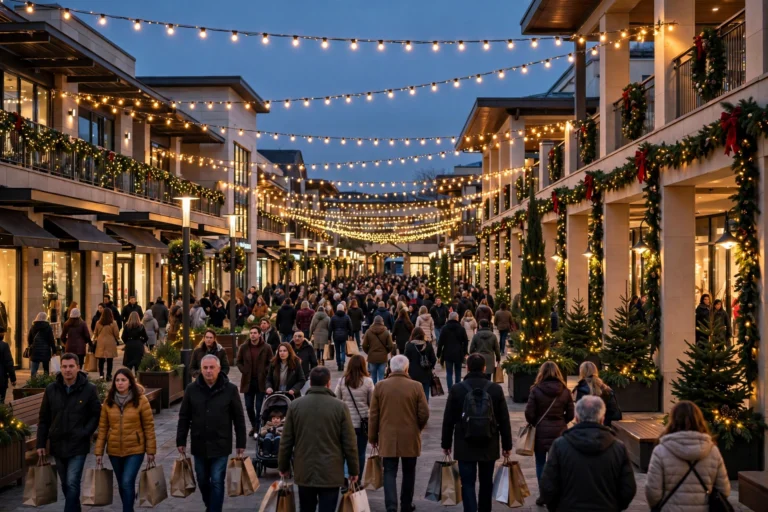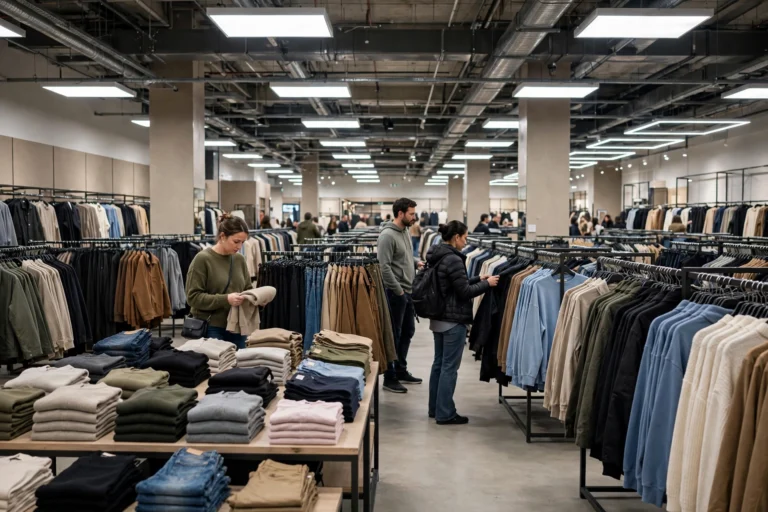
The world of luxury outlet malls USA shoppers dream about is real — and more accessible than most people think. Genuine Gucci, Prada, Saint Laurent, and Burberry outlets operate inside America’s top outlet centers, selling authentic past-season and made-for-outlet pieces at 30 to 65 percent below original retail prices. This guide covers the best luxury outlet destinations in the country, how the designer outlet business actually works, and how to shop it without getting burned.
Let’s clear up the biggest misconception first: luxury outlets are not selling fakes, seconds, or gray-market goods. Brand-operated outlets (as opposed to multi-brand discount stores) sell authentic merchandise through official channels. What varies — enormously — is what kind of authentic merchandise: past-season retail transfers, overstock, and made-for-outlet lines produced specifically for these stores. Understanding that mix is the key to luxury outlet success.
How Luxury Outlets Actually Work
The three types of luxury outlet merchandise
- Past-season retail transfers: Genuine boutique merchandise from previous seasons, moved to outlets to clear space. This is the good stuff — same quality and design as what sold at full price, now 40 to 65 percent off. It sells fastest and restocks unpredictably.
- Overstock and excess production: Items produced in larger quantities than boutiques could sell. Same as retail quality, discounted 30 to 50 percent.
- Made-for-outlet lines: Collections designed and manufactured specifically for outlet stores, at lower price points and sometimes with simplified construction. Authentic and brand-made, but not identical to boutique pieces. The discount versus comparable retail items is real but narrower than it appears.
None of these are “fake.” But a made-for-outlet handbag at 40 percent off its outlet-listed “compare at” price may not represent the same value as a past-season boutique transfer at the same discount. Learning to distinguish them — ask sales associates directly; they’re usually candid — separates savvy luxury outlet shoppers from disappointed ones.
Why brands do it
Luxury houses use outlets to monetize inventory that would otherwise sit in warehouses, reach aspirational customers who may graduate to full-price boutiques, and control their own discounting rather than ceding it to third-party off-price retailers. It’s a deliberate strategy, not a fire sale.
The 8 Best Luxury Outlet Malls USA Destinations
1. Woodbury Common Premium Outlets — Central Valley, New York
The undisputed capital of American luxury outlet shopping. Woodbury Common’s luxury roster reads like a fashion week seating chart: Gucci, Prada, Saint Laurent, Balenciaga, Bottega Veneta, Burberry, Valentino, and dozens more. No other US outlet center concentrates this many top-tier houses in one walkable village.
The past-season transfer pipeline here is the strongest in the country — this is where the genuinely exciting finds happen. International tourists arrive by the busload, so go on weekday mornings for the calmest experience and first pick of new arrivals. Typical luxury discounts: 30 to 65 percent off original retail, with private sale events pushing deeper. If you’re flying in for a luxury outlet trip, this is the destination. Our best shopping districts in the USA guide covers the full-price NYC side of the trip.
2. Desert Hills Premium Outlets — Cabazon, California
The West Coast’s luxury outlet flagship matches Woodbury Common punch for punch on brand names: Saint Laurent, Gucci, Prada, Bottega Veneta, Balenciaga, and more, set against a dramatic desert-mountain backdrop. For shoppers west of the Rockies, this is the pilgrimage.
Desert Hills runs excellent VIP events, and the luxury stores here get strong past-season allocations. Typical discounts: 30 to 60 percent off. Visit October through April — summer desert heat and luxury leather goods are a bad combination, for both you and the merchandise.
3. Sawgrass Mills: The Colonnade Outlets — Sunrise, Florida
Within the Sawgrass Mills mega-complex, the Colonnade Outlets is a dedicated luxury wing housing Burberry, Jimmy Choo, Versace, Stuart Weitzman, and Salvatore Ferragamo. It gives Florida the strongest luxury outlet concentration in the Southeast.
The Colonnade’s open-air, upscale design feels distinct from the main mall’s bustle. Typical discounts: 30 to 60 percent off. International shoppers — a huge part of the clientele — should ask about visitor-center perks and currency services.
4. Orlando Vineland Premium Outlets — Orlando, Florida
Orlando’s upscale outlet option carries Prada, Burberry, Saint Laurent, and a solid supporting cast of premium brands. It’s the luxury play for the millions of families already visiting Central Florida — and a strong standalone destination for Southeast shoppers.
Typical luxury discounts: 30 to 60 percent off. The tourist infrastructure (shuttles, multilingual staff) makes it unusually accessible for first-time luxury outlet shoppers.
5. Chicago Premium Outlets — Aurora, Illinois
The Midwest’s luxury outlet leader fields Burberry, Salvatore Ferragamo, Stuart Weitzman, and a growing designer roster. For shoppers in Chicago, Minneapolis, Detroit, and St. Louis, this is the closest serious luxury outlet destination.
The VIP Lounge and valet service suit the luxury positioning. Typical discounts: 30 to 60 percent off. Winter visits are comfortable thanks to the center’s partially enclosed design.
6. Las Vegas North Premium Outlets — Las Vegas, Nevada
Minutes from the Strip, this center’s luxury wing includes Versace, Armani, and Dolce & Gabbana — a natural fit for Vegas’s high-roller energy. It’s the easiest luxury outlet trip in America: fly in, shop in the morning, back to the resort by afternoon.
Typical discounts: 30 to 60 percent off. The tourist foot traffic means popular sizes move fast — morning visits get first pick.
7. San Marcos Premium Outlets — San Marcos, Texas
Texas’s best luxury outlet option, anchored by the Premium Outlets side of the San Marcos twin-center complex. The luxury lineup is thinner than the coastal flagships — think entry-luxury and premium designers rather than top-tier fashion houses — but the overall value proposition (no state income tax state, deep mainstream discounts) keeps it competitive.
8. Clinton Crossing + Tanger Riverhead — Connecticut/New York
A paired honorable mention for Northeast shoppers who want luxury-adjacent outlets without the Woodbury Common crowds. Both centers carry premium designers and run aggressive promotions; neither matches Woodbury’s top-tier concentration, but both deliver a calmer, often cheaper-feeling experience.
Luxury Outlet Comparison Table
| Destination | Standout Luxury Brands | Typical Discount | Best For |
|---|---|---|---|
| Woodbury Common, NY | Gucci, Prada, Saint Laurent, Balenciaga | 30–65% off | The ultimate pilgrimage |
| Desert Hills, CA | Saint Laurent, Gucci, Prada, Bottega Veneta | 30–60% off | West Coast flagship |
| Colonnade at Sawgrass, FL | Burberry, Jimmy Choo, Versace | 30–60% off | Southeast luxury |
| Orlando Vineland, FL | Prada, Burberry, Saint Laurent | 30–60% off | Family-trip luxury |
| Chicago Premium, IL | Burberry, Ferragamo, Stuart Weitzman | 30–60% off | Midwest luxury |
| Las Vegas North, NV | Versace, Armani, Dolce & Gabbana | 30–60% off | Vegas vacation add-on |
| San Marcos, TX | Premium/entry-luxury mix | 25–60% off | Texas luxury |
How to Tell Past-Season From Made-for-Outlet
This is the single most valuable skill in luxury outlet shopping. Tactics:
- Ask directly. “Is this from the boutique or made for the outlet?” Sales associates at brand-operated outlets will generally tell you. There’s no shame in asking — serious shoppers do it routinely.
- Check the label codes. Many brands use distinct label markings, hologram tags, or style-number formats for outlet lines versus mainline. A quick web search for “[brand] outlet vs retail label” before your trip pays off.
- Compare construction details. Made-for-outlet pieces sometimes use simpler hardware, linings, or stitching. Handle boutique pieces first (even just browsing) so you know what full quality feels like.
- Look at the “compare at” price skeptically. An outlet-exclusive item’s “compare at” figure may reference a similar-but-different boutique item. Judge value against what the item is, not the reference price.
Authentication and Quality: What to Verify
Brand-operated outlets sell authentic goods — but “authentic” and “worth it” aren’t the same thing. Before buying:
- Inspect hardware, stitching, and materials as you would at full price. Outlet lighting is flattering; step near a window or doorway for true color.
- Understand return policies. Luxury outlets often have stricter return windows than regular retail — sometimes final sale on the deepest discounts. Confirm before paying.
- Keep all packaging and receipts. For high-value purchases, documentation matters for resale, insurance, and any future authentication.
- Be wary of third-party “outlet” sellers online using luxury brand names. This guide covers physical brand-operated outlets; the online gray market is a different and riskier world.
Timing Your Luxury Outlet Visit
- End of season (January, July): Past-season transfers get marked down hardest as new outlet-season assortments arrive.
- Private sale events: VIP club members get early notice of invitation-only sales with extra percentage-off tiers. Sign up before your trip.
- Weekday mornings: New transfers often hit floors early in the week; weekend crowds pick over the best pieces.
- Holiday weekends: Bigger promotions but bigger crowds and picked-over stock — a tradeoff.
Budgeting for a Luxury Outlet Trip
Luxury outlets can still drain a wallet fast — a “65% off” handbag is still a four-figure purchase. Smart approach:
- Set a hard cap per trip before you go, and decide your priority category (bags? shoes? ready-to-wear?) in advance.
- Research boutique prices first for your target items so you can recognize a genuinely good outlet price instantly.
- Factor in tax. On a $1,500 purchase, the difference between a 6% and 9.5% sales tax rate is over $50.
- Consider the resale angle honestly. Past-season transfers from top houses tend to hold value better than made-for-outlet lines — relevant if you ever resell.
Our holiday shopping budget planner works just as well for a luxury outlet trip as for December — the discipline is the same. And for more luxury-adjacent shopping ideas, our best gifts for women guide and Cyber Monday fashion deals roundup cover designer-level gifting and seasonal fashion discounts.
What Your Budget Buys: Three Luxury Outlet Scenarios
Concrete expectations help. Here’s what typical budgets realistically secure at top luxury outlets during good promotions (ranges, not promises — inventory varies daily):
$500: The entry play
At this level, target small leather goods and accessories: card cases, belts, scarves, and sunglasses from top houses, or a made-for-outlet crossbody from an accessible-luxury brand. One well-chosen accessory at 50% off beats three mediocre “deals.” Focus on items you’ll use daily — cost-per-wear is the real luxury metric.
$1,500: The single investment piece
This is the sweet spot for one significant purchase: a past-season-transfer handbag from a mid-tier designer house, premium outerwear, or designer footwear at 50–65% off. Do your boutique-price homework first — at this level, the difference between a genuine 60%-off transfer and a made-for-outlet piece at an inflated reference price is hundreds of dollars. Buy the transfer.
$5,000: The wardrobe move
At this budget you’re shopping like a stylist: 2–3 investment pieces (handbag + shoes + outerwear, for example) from top-tier houses during a private sale or end-of-season clearance. The VIP/brand-loyalty relationships start paying off here — private sale invitations and personal shopping assistance at outlets are real things for consistent high-value clients. Total retail value of such a haul often exceeds $10,000–$12,000.
Resale Reality: Which Outlet Finds Hold Value
Some shoppers buy luxury outlets with resale in mind. The honest breakdown:
- Past-season transfers from top houses hold value best — they’re genuine boutique pieces, and the secondary market prices them accordingly. Keep all packaging, dust bags, and receipts; provenance documentation measurably affects resale prices.
- Made-for-outlet lines resell for significantly less — the secondary market knows the difference too. Buy these to wear and enjoy, not as investments.
- Classic styles beat trendy ones for value retention, at outlets exactly as at retail. A timeless leather tote in black holds value; a neon logo piece from three seasons ago doesn’t.
- Condition is everything. Outlet lighting hides flaws — inspect in daylight before buying anything you might resell. Store items properly from day one.
A realistic mindset: buy luxury outlets primarily to own and enjoy beautiful things at fair prices. Any resale value is a bonus, not a plan — with the exception of truly exceptional past-season transfer finds, which can occasionally appreciate.
First-Timer’s Walkthrough: Your First Luxury Outlet Visit
Never been to a designer outlet? Here’s exactly how to do the first visit right:
- Pick the right center. For a first visit, choose the strongest luxury destination within reasonable driving distance — the deeper the brand bench, the better your education. Woodbury Common (Northeast), Desert Hills (West), Sawgrass Colonnade (Southeast).
- Set a learning budget. Give yourself a modest cap ($200–$300) and treat the trip as reconnaissance: handle the merchandise, learn the label tells, observe the pricing. Buying nothing on a first visit is a perfectly successful outcome.
- Start with the houses you know. Visit the outlet of a brand you already own at retail. You’ll instantly feel the difference (or similarity) between boutique and outlet product — the most valuable calibration you can get.
- Ask the “dumb” questions. “Is this from the boutique?” “When do new transfers arrive?” “What’s the return policy?” Associates hear these daily; the answers are pure gold for a beginner.
- Photograph, don’t purchase (at first). Snap tags, prices, and style numbers. Go home, research, compare against boutique prices. Your second visit — armed with knowledge — is when the real buying happens.
- Resist the first-visit splurge. The adrenaline of “Gucci at 60% off” is intense. Sleep on anything over your learning budget. If it’s a genuine past-season transfer at a great price, it’ll either still be there tomorrow or it was never meant to be.
Caring for Designer Outlet Purchases
Outlet prices don’t mean outlet lifespans — with proper care, designer outlet pieces last as long as boutique ones:
- Leather goods: Condition every 3–6 months, store stuffed with tissue in their dust bags, and keep away from direct sunlight. Outlet-purchased leather deserves the same care as full-price.
- Footwear: Use shoe trees, rotate wears, and resole quality shoes before the soles wear through — a $60 resole protects a $300 outlet investment.
- Ready-to-wear: Follow care labels religiously; designer fabrics are less forgiving than high-street ones. A good tailor ($15–$30 for hems and nips) makes outlet clothing look boutique.
- Storage: Climate-controlled closets, not attics or garages. Heat and humidity are the silent killers of leather, glue, and elastic.
The math of luxury outlets only works if the pieces last — a $400 bag worn 200 times costs $2 per wear; a $100 bag that falls apart in a season costs more.
Frequently Asked Questions
Are luxury outlets authentic?
Yes. Brand-operated luxury outlets (Gucci, Prada, Burberry, etc.) sell authentic merchandise through official channels. The merchandise mix includes past-season boutique transfers, overstock, and made-for-outlet lines — all genuine, but differing in origin and sometimes construction.
What is the best luxury outlet mall in the USA?
Woodbury Common Premium Outlets in New York has the deepest luxury brand concentration in the country. Desert Hills Premium Outlets in California is the West Coast equivalent. Both offer typical discounts of 30 to 65 percent off original retail.
Are made-for-outlet designer bags worth it?
They can be, if priced appropriately — they’re authentic, brand-made products. The key is judging them on their own merits rather than against an inflated “compare at” price, and confirming the quality meets your expectations in person.
How much can you save at designer outlets?
Typical savings run 30 to 65 percent off original retail prices. Past-season boutique transfers at the high end of that range represent the best value; made-for-outlet lines offer more modest effective discounts.
Do luxury outlets have sales?
Yes — beyond everyday outlet pricing, most run private sale events, holiday promotions, and end-of-season clearances that add an extra percentage off. VIP/loyalty club membership is the main way to hear about them first.
Can you return items to luxury outlets?
Policies vary by brand and are often stricter than full-price boutiques. Many allow returns within a shorter window; deeply discounted or marked-down items are sometimes final sale. Always confirm the return policy before purchasing.