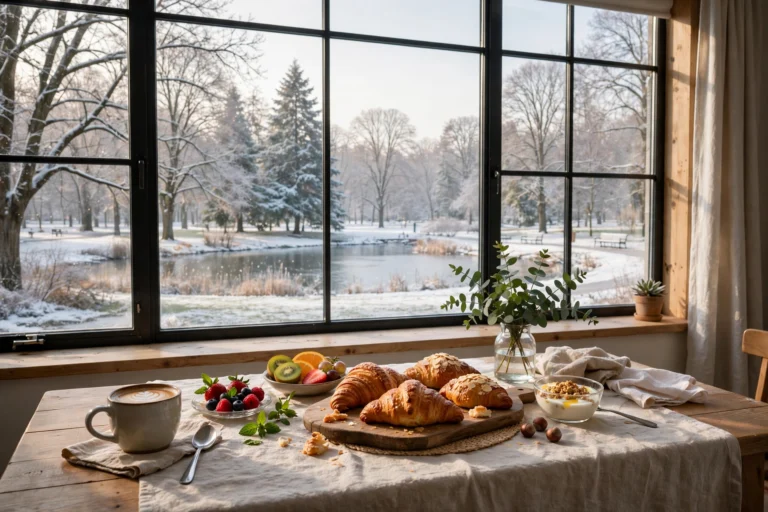
Learning how to say Happy New Year wishes in German opens the door to one of the world’s most charming holiday traditions. Germany, Austria, and Switzerland ring in the new year — Silvester, as New Year’s Eve is called in the German-speaking world — with a distinctive mix of warmth, formality, and playful ritual. Whether you are texting a German friend, writing a card to a business partner in Munich, toasting colleagues in Zurich, or simply want to impress your host family in Vienna, knowing the right Neujahrswünsche (New Year wishes) for the moment makes all the difference.
This guide collects more than 70 original German New Year wishes and greetings, each paired with an English translation and a short note on when to use it. You will find formal greetings for professional settings, casual lines for friends, romantic wishes for a partner, funny one-liners for group chats, short texts perfect for copying into a message, and traditional toasts for the midnight moment. Beyond the phrases themselves, you will learn how Germans actually celebrate Silvester — from Bleigießen fortune-telling to the beloved television tradition of Dinner for One — plus pronunciation pointers and tips for writing your own greeting from scratch. By the end, you will be able to wish anyone ein frohes neues Jahr with complete confidence.
How to Say Happy New Year in German: The Essentials
Before diving into the full collection, master the handful of phrases that cover 90 percent of real-life situations. German New Year greetings split neatly into two registers: the formal Sie form used with strangers, elders, and professional contacts, and the informal du form used with friends and family. The good news is that most New Year wishes work in both registers — the difference is usually a single pronoun.
The single most common greeting is Frohes neues Jahr! — literally “Happy new year!” It works everywhere: in cards, in texts, shouted across a party at midnight, or said to the cashier on January 2. A slightly fuller version, Ich wünsche dir ein frohes neues Jahr! (“I wish you a happy new year!”), adds warmth; swap dir for Ihnen and it becomes formal. The other phrase you will hear constantly around December 31 is Guten Rutsch! — short for Guten Rutsch ins neue Jahr (“A good slide into the new year”). It is said before midnight, never after; once the clock strikes twelve, switch to Frohes neues Jahr. Language historians debate the origin of Rutsch here — one popular theory traces it to the Hebrew Rosh Hashanah (“head of the year”), while others connect it to the German verb rutschen, to slide — but everyone agrees on how to use it.
Pronunciation is friendlier than it looks. Frohes neues Jahr is pronounced “FROH-uss NOY-uss yahr.” The eu in neues sounds like the English “oy,” and the J in Jahr sounds like an English “y.” Guten Rutsch is “GOO-ten rootsh.” Wünsche (wishes) is “VOON-shuh,” with the ü made by rounding your lips as if to say “oo” while saying “ee.” Do not stress about perfection — German speakers are delighted when anyone makes the effort, and a cheerful Frohes neues Jahr with a smile lands perfectly even with an accent.
Timing matters too. Guten Rutsch and its variants are used in the days leading up to New Year’s Eve and on December 31 itself. Frohes neues Jahr is used at and after midnight, and remains appropriate for the first week or two of January — Germans commonly greet each other this way when they first meet in the new year, even at work on January 6. If you are planning a full celebration at home rather than going out, our New Year’s Eve at home celebration plan pairs well with these greetings for hosting German-speaking guests.
Classic Formal German New Year Wishes
These polished greetings suit business partners, clients, professors, neighbors you know by surname, and anyone you address as Sie. They are ideal for printed cards, formal emails, and company holiday messages.
Formal wishes for cards and letters
1. Ich wünsche Ihnen ein frohes und gesundes neues Jahr. — “I wish you a happy and healthy new year.” The gold standard of formal greetings; appropriate for literally anyone.
2. Zum Jahreswechsel wünsche ich Ihnen alles Gute, Gesundheit und viel Erfolg. — “At the turn of the year, I wish you all the best, health, and much success.” Elegant and complete — a favorite for business cards.
3. Möge das neue Jahr Ihnen Glück, Zufriedenheit und Erfolg bringen. — “May the new year bring you luck, contentment, and success.” Slightly poetic without being flowery.
4. Ich danke Ihnen für die gute Zusammenarbeit und wünsche Ihnen einen guten Start ins neue Jahr. — “Thank you for the good collaboration, and I wish you a good start to the new year.” Perfect for colleagues and clients.
5. Für das neue Jahr wünsche ich Ihnen und Ihrer Familie von Herzen alles Gute. — “For the new year, I wish you and your family all the best from the bottom of my heart.” Warm yet respectful.
6. Auf ein erfolgreiches und gesundes neues Jahr! — “To a successful and healthy new year!” Works as a toast or a closing line.
7. Mögen sich im neuen Jahr alle Ihre Wünsche erfüllen. — “May all your wishes come true in the new year.” Formal Ihre keeps it proper.
8. Ich wünsche Ihnen besinnliche Feiertage und einen guten Rutsch ins neue Jahr. — “I wish you peaceful holidays and a good slide into the new year.” The classic combined Christmas/New Year business greeting.
9. Das neue Jahr möge Ihnen nur Gutes bringen. — “May the new year bring you only good things.” Simple, dignified, and safe for any recipient.
10. Herzliche Neujahrsgrüße und die besten Wünsche für 2027! — “Warm New Year greetings and best wishes for 2027!” Direct and cheerful for the new year ahead.
Formal wishes for business and colleagues
11. Vielen Dank für das entgegengebrachte Vertrauen — auf ein gutes neues Jahr! — “Thank you for your trust — here’s to a good new year!” Ideal for client relationships.
12. Ich freue mich auf die weitere Zusammenarbeit im neuen Jahr und wünsche Ihnen alles Gute. — “I look forward to our continued collaboration in the new year and wish you all the best.” Forward-looking and professional.
13. Zum neuen Jahr wünsche ich unserem gesamten Team Gesundheit, Motivation und viele gemeinsame Erfolge. — “For the new year, I wish our entire team health, motivation, and many shared successes.” Great from a manager to a team.
14. Prosit Neujahr und viel Erfolg bei allen Ihren Vorhaben! — “Cheers to the new year and much success in all your endeavors!” Prosit (from Latin prosit, “may it be of benefit”) is the traditional toast word.
15. Möge das neue Jahr beruflich wie privat ein gutes Jahr für Sie werden. — “May the new year be a good year for you, professionally and personally.” Thoughtful and balanced.
Casual German New Year Wishes for Friends
With friends, German New Year wishes get shorter, warmer, and funnier. The du form rules here, and nobody will mind if you keep it simple — sincerity beats eloquence every time.
Warm wishes for close friends
16. Frohes neues Jahr, du alter Knaller! Auf uns! — “Happy new year, you old firecracker! To us!” Playful and affectionate; Knaller is literally a firecracker.
17. Ich wünsche dir das Allerbeste fürs neue Jahr — Gesundheit, Liebe und ganz viel Grund zum Lachen. — “I wish you the very best for the new year — health, love, and plenty of reasons to laugh.” Heartfelt without being stiff.
18. Auf ein neues Jahr voller Abenteuer, die wir zusammen erleben! — “To a new year full of adventures we’ll experience together!” Lovely for a close friend you see often.
19. Danke, dass es dich gibt — rutsch gut rüber und lass uns 2027 rocken! — “Thanks for being in my life — slide over well and let’s rock 2027!” Casual, warm, and modern.
20. Neues Jahr, neues Glück — und die gleiche tolle Freundschaft. Frohes Neues! — “New year, new luck — and the same great friendship. Happy New Year!” The neues Jahr, neues Glück rhyme is a beloved formula.
21. Ich wünsche dir 365 Tage voller kleiner Wunder und großer Momente. — “I wish you 365 days full of small miracles and big moments.” Poetic and personal.
22. Vergiss die Vorsätze, behalt den Humor — frohes neues Jahr, mein Lieber/meine Liebe! — “Forget the resolutions, keep the humor — happy new year, my dear!” For the friend who hates New Year clichés.
23. Das alte Jahr war gut, aber mit dir wird das neue noch besser. Prosit! — “The old year was good, but with you the new one will be even better. Cheers!” Sweet and optimistic.
24. Gesundheit, Glück und Geld — in genau dieser Reihenfolge. Frohes Neues! — “Health, luck, and money — in exactly that order. Happy New Year!” A wink at the classic trio of wishes.
25. Mögest du im neuen Jahr so oft lachen, wie ich über deine Witze lache. Also: sehr oft. — “May you laugh in the new year as often as I laugh at your jokes. That is: very often.” Best for a genuinely funny friend.
Short and sweet texts for messaging apps
26. Guten Rutsch! 🥂 — “Good slide!” The two-word classic for December 31.
27. Frohes Neues! 🎆 — “Happy New Year!” The shortened form everyone uses in texts.
28. Rutsch gut rüber! 🍾 — “Slide over well!” Informal and cheerful.
29. Alles Gute für 2027! ✨ — “All the best for 2027!” Simple and safe for any contact.
30. Prosit Neujahr! 🥳 — “Cheers to the new year!” Festive in three syllables.
31. Neues Jahr, neues Glück! 🍀 — “New year, new luck!” The lucky-clover version.
32. Gesund und munter ins neue Jahr! 💪 — “Healthy and lively into the new year!” A caring, energetic wish.
33. Lass es krachen — frohes Neues! 🎇 — “Make some noise — happy new year!” Krachen lassen means to party hard.
34. Auf dass 2027 noch besser wird! 🥂 — “May 2027 be even better!” Optimistic and brief.
35. Dickes Bussi und ein frohes neues Jahr! 😘 — “A big kiss and a happy new year!” Austrian-flavored affection (Bussi is the Austrian word for a kiss).
If you need even shorter English-language options for your status updates, our collection of short New Year wishes for WhatsApp is built exactly for that purpose.
Romantic German New Year Wishes for Your Partner
The turn of the year is one of the most romantic moments on the German calendar — the midnight kiss under fireworks is as traditional in Berlin as anywhere. These wishes are for the person you want beside you when the clock strikes twelve.
36. Mit dir an meiner Seite kann das neue Jahr nur wundervoll werden. Ich liebe dich — frohes neues Jahr! — “With you by my side, the new year can only be wonderful. I love you — happy new year!” The midnight classic.
37. Mein schönster Vorsatz fürs neue Jahr: noch mehr Zeit mit dir. Prosit, mein Schatz! — “My loveliest resolution for the new year: even more time with you. Cheers, my darling!” Sweet and personal.
38. 365 neue Tage, 365 neue Gründe, dich zu lieben. Frohes neues Jahr, mein Herz. — “365 new days, 365 new reasons to love you. Happy new year, my heart.” Romantic arithmetic.
39. Um Mitternacht küsse ich dich und das alte Jahr adé — auf uns und 2027! — “At midnight I’ll kiss you and bid the old year farewell — to us and 2027!” Made for the countdown.
40. Du bist mein Lieblingsmensch im alten wie im neuen Jahr. Guten Rutsch, mein Alles! — “You’re my favorite person in the old year as in the new. Good slide, my everything!” Tender and modern.
41. Alle guten Wünsche dieser Welt sind nichts gegen einen Kuss von dir um Mitternacht. — “All the good wishes in the world are nothing compared to a kiss from you at midnight.” For the grand romantic gesture.
42. Neues Jahr, alte Liebe — und die wird jedes Jahr schöner. Ich liebe dich. — “New year, old love — and it gets more beautiful every year. I love you.” For long-term couples.
43. Ich wünsche mir für 2027 nur eines: dich, gesund und glücklich an meiner Seite. — “For 2027 I wish for only one thing: you, healthy and happy by my side.” Simple, deep, and true.
German New Year Wishes for Family
Family greetings in German blend warmth with a touch of formality, especially toward grandparents. Health (Gesundheit) is the wish mentioned most — it outranks even luck and success in family cards.
44. Liebe Mama, lieber Papa — danke für alles! Bleibt gesund und rutscht gut ins neue Jahr. — “Dear Mum, dear Dad — thanks for everything! Stay healthy and slide well into the new year.” The grateful child’s classic.
45. Oma und Opa, ich wünsche euch ein gesundes, glückliches neues Jahr mit vielen schönen Stunden zusammen. — “Grandma and Grandpa, I wish you a healthy, happy new year with many lovely hours together.” Health first, as tradition demands.
46. An meine wunderbare Schwester/meinen wunderbaren Bruder: Auf ein Jahr voller Lachen, Mut und Zusammenhalt! — “To my wonderful sister/brother: to a year full of laughter, courage, and sticking together!” Sibling solidarity.
47. Familie ist das größte Glück — danke, dass ihr meine seid. Frohes neues Jahr, ihr Lieben! — “Family is the greatest luck — thank you for being mine. Happy new year, dear ones!” For the whole family chat.
48. Ich wünsche euch ein neues Jahr mit vollen Tischen, warmen Herzen und keinen leeren Stühlen. — “I wish you a new year with full tables, warm hearts, and no empty chairs.” Poignant and beautiful — especially meaningful for far-flung families.
49. Für meine Kinder: Möget ihr im neuen Jahr neugierig bleiben, mutig träumen und immer wissen, wie sehr ich euch liebe. — “For my children: may you stay curious in the new year, dream bravely, and always know how much I love you.” From a parent’s heart.
50. An die beste Familie der Welt: 2027 wird unser Jahr! Gesundheit und Glück für uns alle. — “To the best family in the world: 2027 will be our year! Health and luck for all of us.” Upbeat and unifying.
51. Liebe Tante, lieber Onkel — ich denke an euch und wünsche euch ein frohes, gesundes neues Jahr. — “Dear Aunt, dear Uncle — I’m thinking of you and wish you a happy, healthy new year.” For relatives you see too rarely.
For English-language blessings with a similar spirit, see our New Year blessings and prayers for family and friends.
Funny German New Year Wishes
Germans love a dry, self-deprecating New Year joke. These are for friends and group chats where humor is the love language — never for the boss’s card.
52. Mein Vorsatz für 2027: weniger Vorsätze. Läuft schon mal gut! Frohes Neues! — “My resolution for 2027: fewer resolutions. Off to a great start! Happy New Year!” The meta-resolution.
53. Ich wünsche dir ein Jahr, in dem deine guten Vorsätze länger halten als dein Silvester-Kater. — “I wish you a year in which your resolutions last longer than your New Year’s Eve hangover.” A gentle roast.
54. Neues Jahr, neues Glück — und dieselben alten Ausreden. Prost! — “New year, new luck — and the same old excuses. Cheers!” For the friend who never changes (affectionately).
55. Rutsch nicht aus — außer auf der Tanzfläche. Frohes neues Jahr! — “Don’t slip — except on the dance floor. Happy new year!” A play on Rutsch (slide/slip).
56. 2027: Das Jahr, in dem ich endlich erwachsen werde. Oder auch nicht. Wir werden sehen. Prosit! — “2027: the year I finally grow up. Or not. We’ll see. Cheers!” Relatably noncommittal.
57. Ich habe dir nichts zu Weihnachten geschenkt, dafür wünsche ich dir jetzt doppelt frohe Neujahrsgrüße. Gute Bilanz, oder? — “I got you nothing for Christmas, so now I’m wishing you doubly happy New Year greetings. Good accounting, right?” The gift-dodger’s defense.
58. Möge dein WLAN schnell, dein Akku voll und dein Kater gnädig sein. Frohes Neues! — “May your Wi-Fi be fast, your battery full, and your hangover merciful. Happy New Year!” Modern blessings.
59. Vorsatz Nr. 1: diesen Vorsatz nie wieder erwähnen. Frohes neues Jahr! — “Resolution No. 1: never mention this resolution again. Happy new year!” Circular logic at its finest.
Traditional German New Year Toasts for Midnight
When the clock strikes twelve and the Sekt (sparkling wine) corks pop, Germans raise their glasses with a Prosit. These toasts work spoken aloud at a party or written across a midnight text.
60. Prosit Neujahr! Auf Gesundheit, Glück und ein wundervolles 2027! — “Cheers to the new year! To health, luck, and a wonderful 2027!” The all-purpose midnight toast.
61. Auf das alte Jahr — es war uns gut gesinnt. Auf das neue — möge es noch besser werden! — “To the old year — it treated us well. To the new — may it be even better!” Gracious and balanced.
62. Zum Wohl! Möge uns das neue Jahr bringen, was das alte uns schuldig geblieben ist. — “Cheers! May the new year bring us what the old one still owes us.” A toast with a wink.
63. Prosit! Auf Liebe, Lachen und alles, was das Leben schön macht. — “Cheers! To love, laughter, and everything that makes life beautiful.” Warm and universal.
64. Ein Hoch auf uns — wir haben es wieder geschafft! Frohes neues Jahr! — “Three cheers for us — we made it again! Happy new year!” Celebratory and communal.
65. Die Gläser hoch: Auf 365 neue Chancen! Prosit Neujahr! — “Glasses high: to 365 new chances! Cheers to the new year!” Forward-looking and rousing.
66. Auf dass wir uns auch nächstes Silvester gesund wiedersehen! Zum Wohl! — “May we meet again healthy next New Year’s Eve! Cheers!” A traditional, heartfelt closing toast.
Pair your midnight toast with the right bottle — our champagne guide explains how to choose, serve, and open bubbly like a pro.
German New Year Traditions Behind the Greetings
Understanding Silvester customs makes the greetings above land with real meaning — and gives you wonderful conversation material at any German-speaking celebration.
Silvester, not “New Year’s Eve.” Germans call December 31 Silvester, after Saint Sylvester, whose feast day it is. The evening is the main event; New Year’s Day (Neujahr) itself is typically quiet, reserved for recovery, long walks, and leftover Berliner jam-filled donuts.
Fireworks everywhere. Private fireworks are a massive tradition — Germans famously spend enormous sums on Silvesterfeuerwerk each year, and at midnight the sky over every town erupts. It is customary to watch together, toast with Sekt, and only then head inside for the party to continue.
Bleigießen — fortune-telling with molten metal. Small pieces of metal are melted in a spoon over a candle and dropped into cold water, where they harden into shapes that predict the coming year — a ship means travel, a heart means love. Traditional lead kits were restricted under EU rules in 2018, so most families now use wax (Wachsgießen), which works the same way and is safer.
Dinner for One on television. Every New Year’s Eve, German channels broadcast the 1963 British comedy sketch Dinner for One — the same 18-minute film, often several times in one evening. Watching it (and reciting along with the famous line “The same procedure as every year!”) is a genuine national ritual, even though the sketch is virtually unknown in Britain itself.
Lucky foods and tokens. Marzipan pigs (Glücksschweine), chimney sweeps, four-leaf clovers, and horseshoes are exchanged as lucky charms. Berliner Pfannkuchen are served — sometimes with a prank mustard-filled one hidden among the jam ones. In northern Germany, carp or herring appears on the table; in the south, lentil soup, because lentils resemble coins and promise wealth.
Midnight rituals. Beyond the Sekt toast, many families step outside to watch fireworks with neighbors, hug, and exchange Frohes neues Jahr in person. Phone networks famously jam at midnight, so seasoned Germans send their text wishes at 11:50 PM or after 12:30 AM — a practical tip worth stealing wherever you are.
Tips for Writing Your Own German New Year Greeting
Copying a phrase is fine, but a personal line is unforgettable. Build your own in three steps. First, pick your register: dir/dein for friends and family, Ihnen/Ihr for formal contacts — mixing them up is the most common mistake learners make, so decide before you write. Second, choose your core wish: Germans overwhelmingly wish Gesundheit (health) first, then Glück (luck/happiness), then Erfolg (success). A wish built on those three words always sounds natural. Third, add one personal detail — a shared memory, an inside joke, or a specific hope (“möge dein Umzug nach Hamburg gelingen” — “may your move to Hamburg go well”) transforms a generic greeting into a keepsake.
A simple template that never fails: Ich wünsche dir/Ihnen [Gesundheit, Glück und Erfolg] im neuen Jahr — [persönlicher Satz]. Frohes neues Jahr! For cards, handwrite if you can; for business, print on quality stock and sign by hand. And remember the timing rule: Guten Rutsch before midnight on the 31st, Frohes neues Jahr from midnight onward through mid-January. If you are collecting wishes in English too, our 100 New Year wishes, messages and captions for 2027 is the perfect companion.
In Pictures: New Year Wishes in German
Guten Rutsch! German New Year wishes come with fireworks, fondue, and the famous 'Dinner for One' broadcast. Here's the Silvester spirit.

A German Silvester celebration: fireworks over a snowy town square, friends toasting with sekt as the church clock strikes midnight.
Watch: New Year Wishes in German
A traditional German Silvester greeting video for 2026 — 'Guten Rutsch' and a happy new year from the Black Forest.
At a Glance: New Year Wishes in German
German New Year greetings and the traditions behind them.
| Phrase / Tradition | Detail | Note |
|---|---|---|
| Frohes neues Jahr | The standard greeting | Literally 'Happy new year' |
| Guten Rutsch | 'Good slide' into the new year | The classic Silvester wish, used before midnight |
| Silvester | The German name for NYE | Named for Saint Sylvester, December 31 |
| Bleigießen | Lead pouring fortunes | Molten lead dropped in water; the shapes are read as fortunes |
| Sekt | German sparkling wine | The traditional midnight toast drink |
| Dinner for One | The NYE TV sketch | The 1963 British comedy sketch airs every New Year's Eve on German television |
Frequently Asked Questions
What is the most common way to say Happy New Year in German?
Frohes neues Jahr! is the standard greeting, used from midnight on December 31 through the first weeks of January. Before midnight on New Year’s Eve, Germans say Guten Rutsch! (literally “good slide”), short for Guten Rutsch ins neue Jahr. Both are appropriate in almost any setting.
Do Germans say “Guten Rutsch” after midnight?
No — Guten Rutsch is strictly a “before” greeting, wishing someone a good transition into the new year. Once midnight has passed, switch to Frohes neues Jahr or Prosit Neujahr. Using Guten Rutsch on January 1 marks you immediately as a learner, though Germans will find it endearing rather than rude.
What is the difference between “Frohes neues Jahr” and “Frohes Neues Jahr”?
Both are correct and interchangeable in greetings. Neues Jahr treats “new year” as an adjective + noun (“happy new year”), while Neues Jahr capitalized treats it as a nominalized concept (“Happy New Year” as a proper occasion). Native speakers use both freely; in text messages you will most often see the shortened Frohes Neues!.
How do you wish someone a Happy New Year formally in German?
Use the Sie form: Ich wünsche Ihnen ein frohes und gesundes neues Jahr. For business cards, the classic combined greeting is Ich wünsche Ihnen besinnliche Feiertage und einen guten Rutsch ins neue Jahr. Avoid jokes, slang, and emojis in formal written greetings.
What does “Prosit Neujahr” mean?
Prosit comes from Latin and means “may it be of benefit” — it is the traditional German toast word, equivalent to “cheers.” Prosit Neujahr! therefore means something like “Cheers to the new year!” and is said while raising a glass, typically of Sekt (German sparkling wine), at midnight.
Why is New Year’s Eve called Silvester in German?
December 31 is the feast day of Saint Sylvester (Pope Sylvester I, who died on December 31, 335). German-speaking countries named the evening after him centuries ago, and the name stuck — so thoroughly that many Germans are surprised to learn the rest of the world does not call it that.
Conclusion
From the formal elegance of Ich wünsche Ihnen ein frohes neues Jahr to the midnight roar of Prosit Neujahr!, German New Year wishes carry a warmth that transcends translation. The secret is not perfect grammar — it is matching the greeting to the relationship: formal for the client, tender for the partner, funny for the friend, and always, always Gesundheit first for family. Pick your favorites from this collection, add one personal line of your own, and send them at the right moment — Guten Rutsch before the bells, Frohes neues Jahr after.
However you celebrate — with Sekt and fireworks in Berlin, Dinner for One on the couch in Vienna, or a quiet toast in Zurich — these Neujahrswünsche will make you sound like you belong. Frohes neues Jahr, and may 2027 bring you health, luck, and every good thing. For more ways to start the year right, explore our New Year reset guide and ring in January with intention.