Your first Valentine’s Day together is a milestone disguised as a holiday. It’s the first time the two of you get to answer the question every couple eventually faces: how do we do romance, us specifically? The pressure is real — you want date ideas that impress without trying too hard, that feel personal without being presumptuous, and that match the actual stage of your relationship rather than some movie version of it. This guide is built for exactly that tension.
Inside, you’ll find a framework for calibrating the right level of gesture (the number-one mistake new couples make is overshooting), date ideas organized by how long you’ve been together, a week-by-week planning timeline, and honest advice on gifts, expectations, and the conversations worth having beforehand. Whether you’ve been dating three weeks or eleven months, these ideas help you land the sweet spot: thoughtful, confident, and unmistakably you two.
For the bigger picture — including ideas that work at any stage — browse our Valentine’s Day date ideas collection, and if money is tight this year, our budget Valentine’s Day guide proves thoughtfulness beats spending at every stage.
The Golden Rule: Match the Gesture to the Relationship Stage
The most common first-Valentine’s mistake isn’t doing too little — it’s doing too much, too soon. A grand romantic gesture in month two can feel less like devotion and more like pressure; it raises the stakes of the relationship faster than both people may be ready for. Conversely, treating February 14th like any other Tuesday in month ten can read as indifference. The fix is calibration.
The 1–3 month zone: light, fun, low-pressure
You’re still learning each other’s rhythms. The right Valentine’s here says “I’m enjoying this and I’m paying attention” — not “I’ve planned our future.” Good moves: a great dinner at a place with character (not necessarily expensive), an activity date where you do something together (cooking class, mini golf, a museum after hours), and a small thoughtful gift that references something they’ve mentioned. Avoid: jewelry with romantic weight, weekend trips that trap you together for 48 hours, anything involving the words “forever” or “soulmate.”
The 4–8 month zone: personal and intentional
By now you have inside jokes, shared stories, and preferences. This is the sweet spot for a Valentine’s that feels custom-made: recreate your first date with upgrades, plan a day built around their interests, or write a real letter (not a card — a letter). The gesture can be bigger now because it’s grounded in actual knowledge of the person. This is also the stage where a surprise works best, because you know their schedule, their tastes, and what “surprise” means to them versus what it means to you.
The 9–12 month zone: milestone energy
Approaching the one-year mark, your first Valentine’s carries anniversary-adjacent weight. It’s appropriate to go bigger: a weekend getaway, a genuinely nice restaurant, a gift with staying power. Many couples use this Valentine’s as a soft anniversary — celebrating “almost a year” with the same intention they’d bring to the real thing. Our romantic getaways roundup is built for exactly this kind of trip.
The Planning Timeline: 3 Weeks Out to the Day Of
Three weeks out: the reconnaissance
This is the listening phase. Pay attention to throwaway comments: “I’ve always wanted to try that place,” “I haven’t been to the coast in ages,” “I love when it rains and we just stay in.” Write them down. The best first-Valentine’s plans are built from intelligence gathered in ordinary conversation, not from a listicle. This is also when you should have the low-key expectations chat (more on that below) and make any reservations — restaurants book out fast.
Two weeks out: lock the plan
Book the restaurant, buy the tickets, order anything that needs shipping. Decide the shape of the day: is it an all-day date, an evening date, or a full weekend? Tell your partner the dress code and timing (“pick you up at 6, dress nice-casual”) without revealing the destination if you’re doing a surprise. Order flowers or gifts now — prices spike and delivery windows shrink in the final week.
One week out: the details
Confirm reservations. Buy the card and actually write in it (a card with two generic sentences is worse than no card; a card with three specific sentences is a keepsake). Plan the transitions: how you get from dinner to the next thing, what happens if the restaurant runs long. Charge the camera. If you’re cooking, do a practice run of anything tricky.
Day of: execute and relax
Once the plan is in motion, stop optimizing. The goal is presence, not perfection. Build in 30 buffer minutes somewhere — the unhurried stretch between activities is often when the best moments happen. And have one backup in your pocket: a nearby bar for a nightcap, a dessert spot, a scenic drive. The backup is what separates a good planner from a great one.
Date Ideas That Impress: By Vibe
The Classic, Upgraded
Dinner and drinks is classic for a reason — but the upgrade is in the specifics. Instead of “a nice restaurant,” pick the restaurant with the story: the tiny Italian place with twelve tables, the rooftop with the view, the spot that serves the dish from their hometown. Call ahead and mention it’s your first Valentine’s together; restaurants love this information and will often throw in a complimentary dessert or a better table. After dinner, walk — don’t Uber — to the next stop. The walk is where the conversation deepens.
The Experience Date
Shared novel experiences bond people faster than shared meals — psychologists call this the misattribution of arousal, the tendency to associate the excitement of an activity with the person you’re with. Use it honestly: a cooking class where you make pasta from scratch, a pottery session (the ghost scene jokes write themselves), a dance lesson, a guided night hike, or tickets to something neither of you has seen — improv comedy, a minor-league game, a planetarium show. The bar for “impressive” here is thoughtfulness, not expense.

The Thoughtful Surprise
Surprises impress when they demonstrate attention. Examples that land: recreating your first date (same restaurant, same walk, but this time you order dessert and linger); a “favorites tour” — their favorite coffee shop, their favorite bookstore, their favorite viewpoint, sequenced into an afternoon; or a scavenger hunt with five clues, each referencing a memory, ending wherever you’ve planned dinner. Keep surprises logistically simple — elaborate surprises have more failure points, and a failed surprise on Valentine’s stings.
The Cozy Night In, Done Right
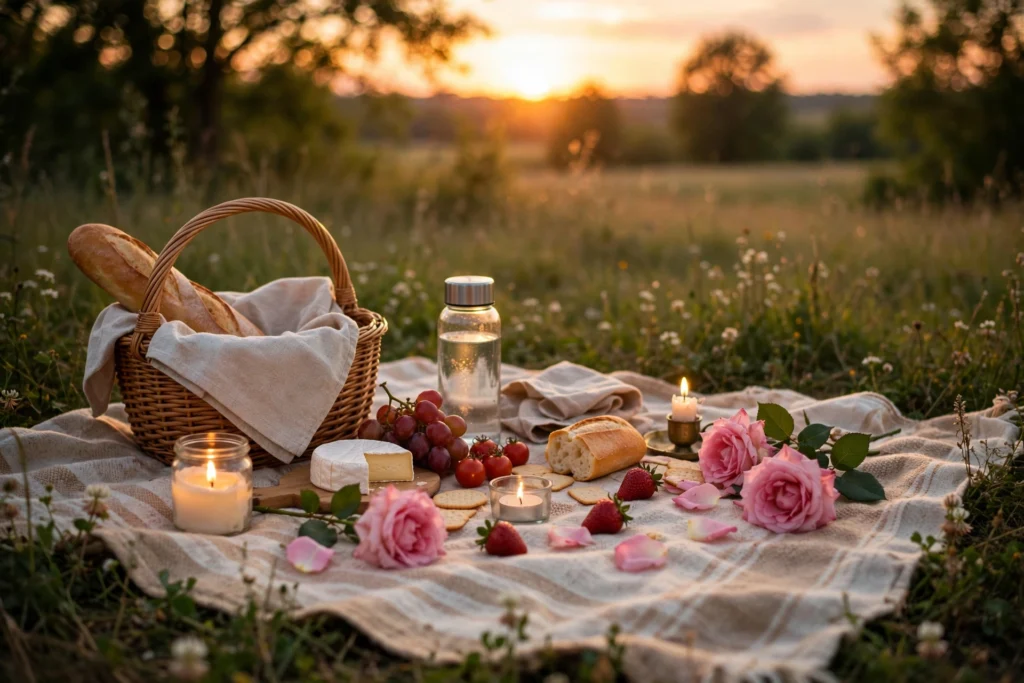
Staying in for your first Valentine’s can be incredibly romantic if it’s clearly a designed evening and not a default. Cook together (pick a cuisine neither of you has attempted), exchange the letters you wrote during the week, and build a “firsts” ritual: each share your first impression of the other versus what you know now. Our romantic nights in guide has full playbooks with timelines if you take this route.
The Gift Question: What to Get When It’s Your First
Gift anxiety peaks on the first Valentine’s. The framework that resolves it: spend on thoughtfulness, not on price. A $25 gift that proves you listen beats a $200 gift that proves you panicked.
Gifts that consistently land
- The referenced gift: something they mentioned wanting in passing — a book by their favorite author, the vinyl of an album they love, tickets to a band they mentioned. This is the highest-ROI gift category that exists.
- The experience gift: tickets, a class, a planned day. Experiences also give you a second date built in.
- The handmade tier: a playlist with liner notes explaining each song choice, a photo book of your months together, a letter. Costs almost nothing; kept forever.
- The useful-luxury: something they’d never buy themselves but will use constantly — a great candle, quality headphones, a proper chef’s knife for the cook.
Gifts to avoid the first time
- Anything with heavy romantic symbolism too early — promise rings, engraved “forever” jewelry, keys to your place as a “gift.”
- Generic luxury: a designer item with no personal connection reads as “I spent money instead of thinking.”
- Pets. Obviously. But it happens often enough to say out loud.
- Gym memberships, self-improvement books, or appliances — unless explicitly requested, these read as commentary.
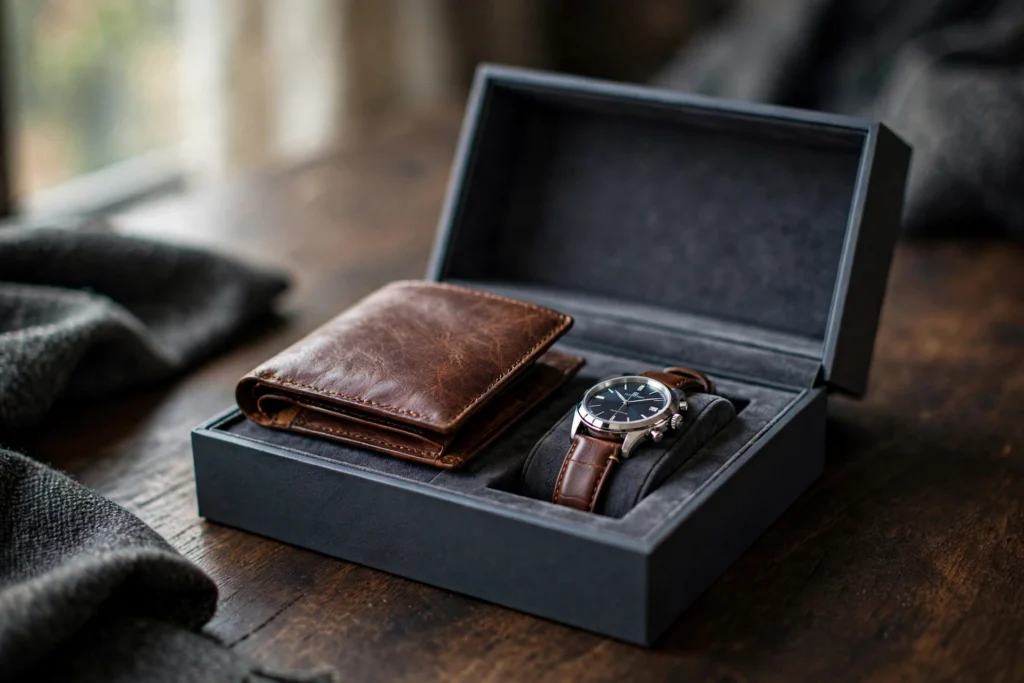
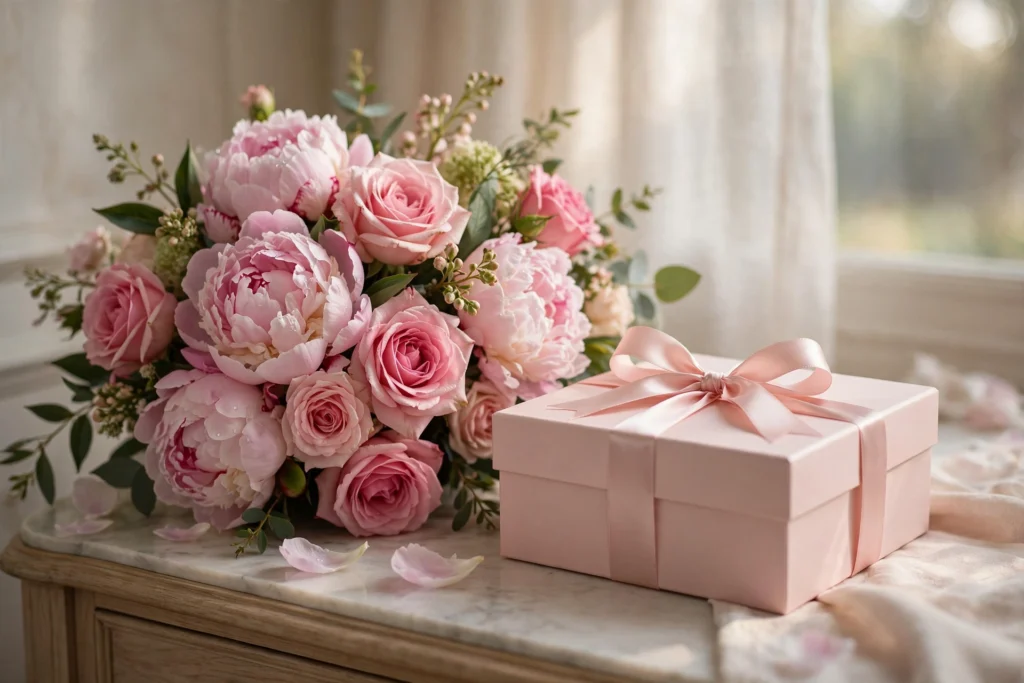
Pair your gift thinking with our guides to Valentine’s Day gifts for her and Valentine’s Day gifts for him, and if you’re down to the wire, last-minute Valentine’s gifts that still arrive in time.
Three Complete Evening Plans (Pick Your Budget)
To make this concrete, here are three full first-Valentine’s evenings — same intention, different price points. Each includes dinner, an activity, and a gift.
| Under $50 | $50–$150 | $150+ | |
|---|---|---|---|
| Dinner | Cook together: homemade pasta night with a $12 bottle of wine | The neighborhood spot with the story — call ahead for a good table | The tasting menu or chef’s counter you’ve both wanted to try |
| Activity | Memory-lane photo tour + the “36 questions” set at home | Cooking or pottery class for two; planetarium show | Weekend getaway: one night at a bed-and-breakfast out of town |
| Gift | Handwritten letter + playlist with liner notes | The referenced gift — the book, vinyl, or tickets they mentioned | The referenced gift at full scale, or a piece of jewelry (9–12 month stage) |
| The detail | Their coffee order waiting in the morning | A single flower with a note delivered during the day | Flowers waiting at the table when you arrive |
The Expectations Conversation (Have It; It’s Not Unromantic)
The single highest-leverage move for a first Valentine’s is a 10-minute conversation a week or two before: “Hey, how do you usually like to do Valentine’s? Big, small, funny, skip it?” This isn’t unromantic — it’s considerate. It prevents the classic mismatch where one person plans a weekend getaway and the other thought you were grabbing tacos.
What to cover: Do you exchange gifts, and roughly what scale? Is the day itself important, or would the weekend work better? Any hard no’s (some people genuinely dislike surprises, fancy restaurants, or being the center of attention)? And the meta-question: is this a “let’s make it a thing” holiday for us going forward, or a “play it by ear each year” one? Couples who align on this early avoid years of February friction.
First Valentine’s by Situation
New and long-distance
If your first Valentine’s happens across distance, don’t try to replicate a normal date — design a virtual one with the same care. Our long-distance Valentine’s Day guide has full video-date playbooks, from synchronized dinners to virtual museum tours.
New and one of you has kids
Keep it simple and schedule-honest. A lunch date while kids are at school, or an early dinner with a firm end time, beats an elaborate evening that collapses under logistics. Don’t introduce Valentine’s-level intensity around kids early — keep the romance in the adults-only windows.
New and money is tight
Say so cheerfully and early: “I’m keeping it simple this year — hope that’s okay.” Then execute one idea brilliantly. A sunrise hike with thermos coffee, a homemade dinner by candlelight, a free museum day — done with confidence, these impress more than a stretched-thin expensive night. Our free date ideas that feel expensive were written for exactly this.
It’s technically your first, but you’ve been friends for years
You have an unfair advantage: deep knowledge. Use it. Reference the friendship — the joke from three years ago, the trip you took, the thing they’ve wanted since college. The best first-Valentine’s-as-a-couple dates honor the history while marking the shift: same favorite bar, but this time it’s a date.
Small Gestures With Outsized Impact
Grand plans get the glory, but new couples consistently remember the small things:
- A morning text that’s longer than usual and specific about what you’re looking forward to.
- Their coffee order waiting when they wake up or arrive.
- A single flower with a note, rather than a dozen roses with nothing to say.
- Remembering the detail: the dessert they eyed on the menu last month, the song from the car ride.
- Putting your phone away first — and leaving it away. Attention is the rarest gift.
- A toast that names something real: “To our third month, and to you finally admitting I was right about the movie.”
What Not to Do: The First-Valentine’s Pitfalls
- Proposing or declaring forever (unless you’ve discussed marriage explicitly — Valentine’s proposals in new relationships are a rom-com trope, not a plan).
- Posting before experiencing. If the evening is being curated for social media in real time, neither of you is actually on the date.
- Over-drinking from nerves. Liquid courage has a way of becoming liquid oversharing on date one of the holiday.
- Comparing to exes — aloud or silently. This Valentine’s is its own thing.
- Treating it as a test. The moment the evening becomes something your partner can fail, the romance is over.
- Forgetting the card. Of all the traditions, the written word is the one new couples keep. Don’t skip it.
Real First Valentines: What Actually Worked
Advice is useful; examples are better. Here are three composite sketches drawn from the kinds of first-Valentine’s stories couples actually tell — each at a different stage, each working for a different reason.
The two-month taco tour
Together eight weeks, both in their late twenties, neither wanted a “serious” Valentine’s. He planned a taco truck crawl: four trucks, one taco each, scored on napkins, with a rule that they had to walk between stops. Total spend: under $40. What made it work: it was active (no awkward silences), it was funny (the scoring got competitive), and it said “I’m excited about us” without saying anything heavy. They still do a version of it every February.
The six-month recreated first date
She remembered everything: the bar where they met, the pizza place afterward, the bench where they talked until 1 AM. For their first Valentine’s, she recreated the whole evening in order — same bar, same pizza, same bench — but with upgrades: a reservation instead of a wait, dessert this time, and a letter waiting at the final stop. What made it work: it proved she’d been paying attention from the very beginning. Personal history, deployed with care, beats generic romance every time.
The eleven-month cabin weekend
Approaching a year together, they rented a cabin two hours away — Friday to Sunday, no agenda beyond a grocery run and a hiking trail. The Valentine’s “event” was Saturday night: steaks on the cabin grill, a fire, and a conversation about the year ahead. What made it work: the milestone matched the gesture. Eleven months in, a weekend away doesn’t feel like pressure; it feels like acknowledgment. The lesson across all three: the right first Valentine’s is the one that fits the relationship you actually have — not the one you think you’re supposed to have.
Watch: A Couple’s Valentine’s Date Ideas in Action
Want to see what a well-planned Valentine’s date actually looks like, start to finish? This vlog follows a couple through a full day — a self-photoshoot session, lunch and shopping, karaoke at home, and a romantic dinner — and it’s a great visual reference for pacing your own first Valentine’s together:
Frequently Asked Questions
What should I do for our first Valentine’s Day together?
Match the effort to how long you’ve been together: 1–3 months calls for a fun, low-pressure date (great dinner, activity date, small thoughtful gift); 4–8 months can handle something personal like recreating your first date; 9–12 months can carry milestone energy like a weekend trip. In every case, a handwritten card and one thoughtful detail beat generic extravagance.
How much should I spend on a first Valentine’s Day?
There’s no correct number — there’s only the correct ratio of thought to budget. Most couples land somewhere between $50 and $200 all-in for the first one, but a $30 evening executed with genuine attention will be remembered longer than a $300 evening executed with anxiety. Align expectations with a quick conversation beforehand.
Is it okay to celebrate Valentine’s Day if we’ve only been dating a few weeks?
Yes — just keep it light. Acknowledge it without making it A Thing: a nice dinner, a small gift, a card. The goal is to enjoy the excuse for a date, not to accelerate the relationship. If you’re unsure, the expectations conversation (“how do you like to do Valentine’s?”) is your best friend.
What is a good first Valentine’s Day gift for a new partner?
The referenced gift — something they mentioned wanting — wins every time. Otherwise: an experience you’ll share, a handmade item like a playlist with liner notes or a letter, or a useful luxury they’d never buy themselves. Avoid heavy romantic symbolism (promise rings, “forever” engravings) in the early months.
Should we talk about expectations before our first Valentine’s Day?
Absolutely, and it’s not unromantic — it’s considerate. A quick chat about gift scale, whether the day itself matters versus the weekend, and any hard no’s (surprises, fancy restaurants) prevents the most common first-Valentine’s disappointment: mismatched expectations.
What if our first Valentine’s Day falls on a weekday?
Celebrate on the nearest weekend without apology — most couples do. Or split it: a small gesture on the day itself (a note, their coffee order, a single flower) and the real date on Saturday. The calendar is logistics; the intention is the holiday.
Your first Valentine’s together won’t be perfect — no date is — but it will be yours, and that’s the part you’ll remember. Plan with attention, calibrate to your stage, have the expectations chat, and then be fully there. Everything else is decoration.
One last thought: the couples who report the happiest first Valentines share one habit — they debrief. Over breakfast the next morning, or on the drive home, they ask each other what the best part was. It takes two minutes, and it teaches you exactly how to plan the second one.