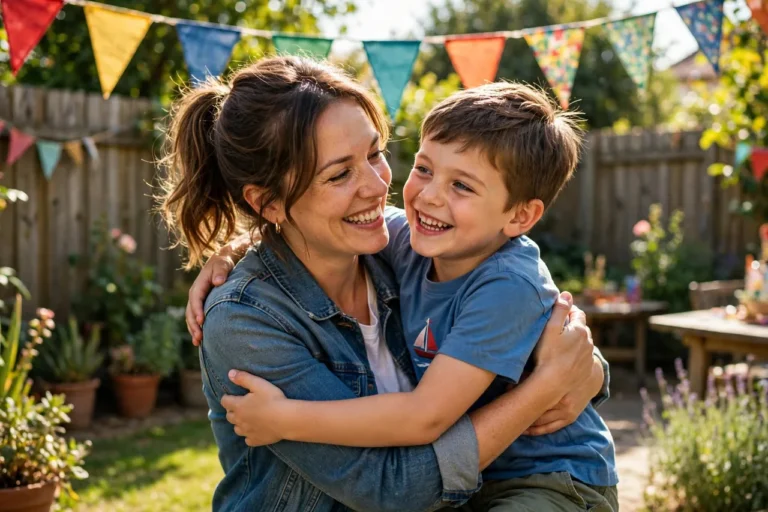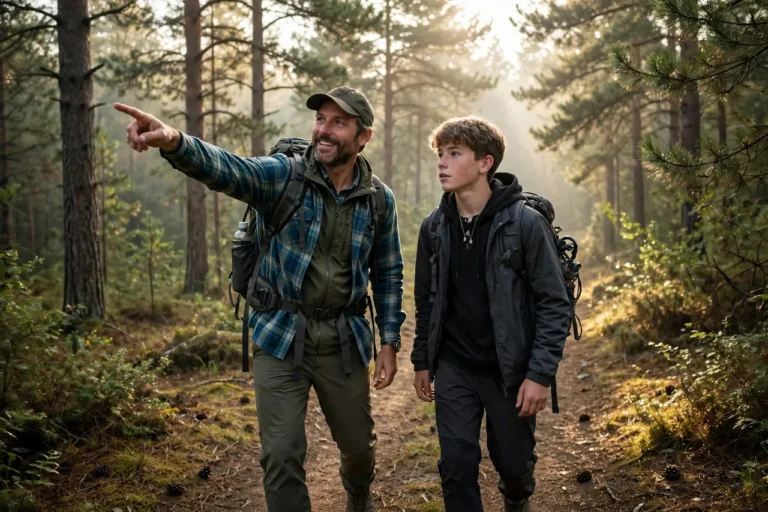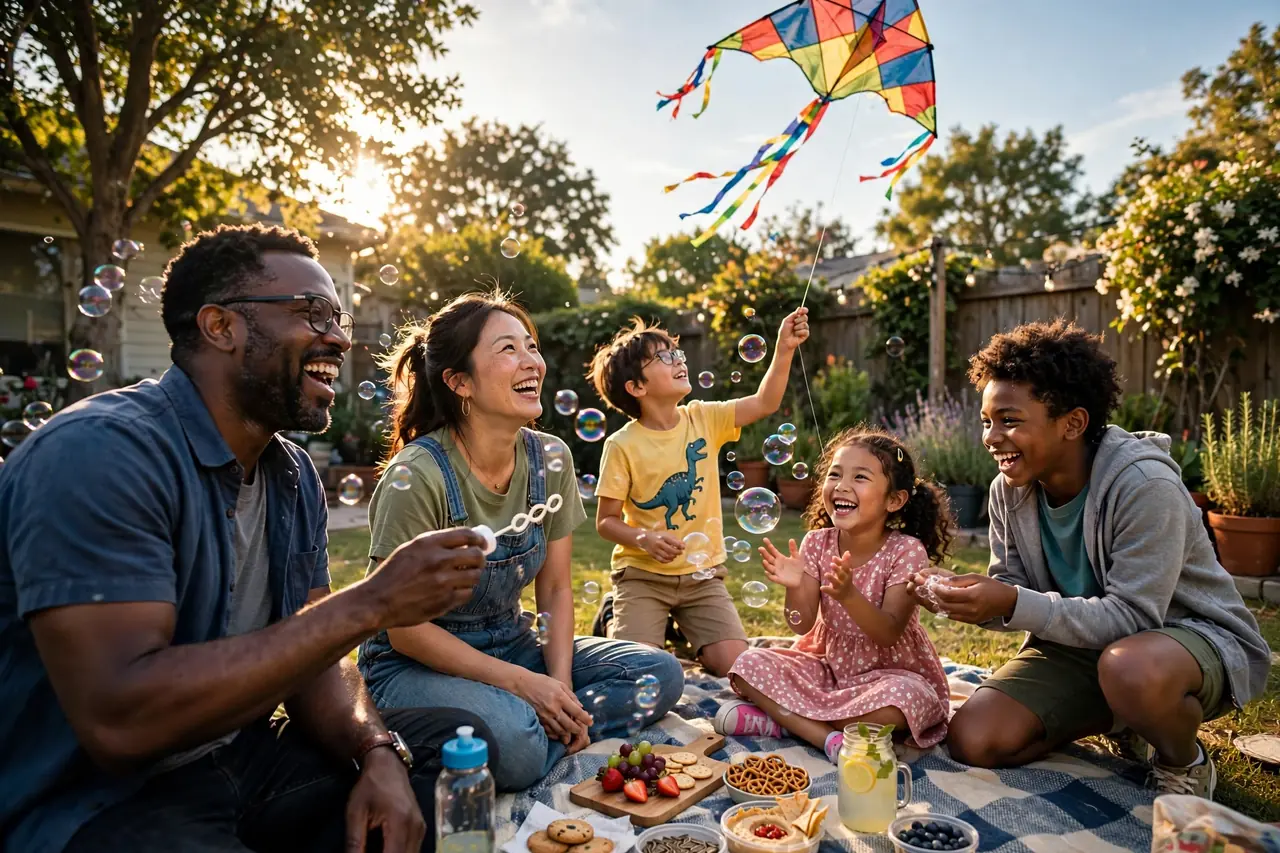
There is a special kind of magic that happens when the whole family sets aside a day just to be together. No school runs, no work emails, no chores hanging over anyone’s head — just one full day of laughter, play, and togetherness. That is the heart of family day, and if you are the one in charge of planning it, you might be wondering where to start. The good news is that family day activities for kids do not need to be expensive, complicated, or Pinterest-perfect to be unforgettable. Children remember how the day made them feel — the giggles during a pillow fight, the pride of flipping their own pancake, the thrill of finding the last clue in a scavenger hunt — far more than they remember a perfectly decorated table or a pricey outing.
This guide is built for real families with real kids, from wiggly toddlers to eye-rolling teenagers. You will find more than 150 activity ideas organized by age group, energy level, weather, and budget, plus ready-to-use sample schedules, a planning table, printable-style checklists, and answers to the questions parents ask most. Whether your family day falls on an official holiday, a school break, or a Saturday you simply decided to protect, you will walk away with a day your kids talk about for months.
Why a Dedicated Family Day Matters More Than Ever
Children today are growing up in the busiest version of childhood any generation has known. Between school, homework, sports practices, music lessons, and the ever-present pull of screens, genuine uninterrupted family time has become rare enough to feel almost luxurious. Research on family rituals consistently shows that children who regularly share dedicated fun time with their parents show stronger emotional bonds, better communication skills, and even better behavior at school. A family day is not just a fun break from routine — it is an investment in your children’s sense of belonging.
There is also a developmental angle worth remembering. When kids play freely with their parents, they practice negotiation, creativity, and emotional regulation in a safe setting. A board game teaches turn-taking and gracious losing. A scavenger hunt teaches problem-solving. A silly dance party teaches that joy does not need a reason. The activities themselves are almost secondary; what matters is that for one day, the kids have your full, undivided, joyful attention.
And here is the secret experienced parents will tell you: the day does not have to be perfect. The tent might collapse. The cookies might burn. The teenager might sulk through the first hour. Do it anyway. The imperfect moments become the funniest stories later — “remember when Dad set off the smoke alarm making pancakes?” becomes family legend. Give yourself permission to aim for connection, not perfection.
How to Use This Guide
Every family is different, so this guide is organized so you can mix and match. Skim the sections, circle what fits your kids’ ages and your family’s energy, then build a loose schedule. You will find:
- Activities by age group — toddler-tested ideas, big-kid adventures, and teen-approved plans
- Activities by setting — indoor, backyard, and out-and-about options for any weather
- Activities by budget — most ideas cost nothing or almost nothing
- Sample schedules — three ready-made day plans you can copy or adapt
- A master planning table — every idea at a glance with age range, cost, and mess level
Ready? Let’s plan a day your family will never forget.
Family Day Activities for Toddlers and Preschoolers (Ages 1–5)
Little ones do not need elaborate plans — they need you, down on the floor, playing at their level. The best family day activities for kids under five are simple, sensory, and gloriously messy. Keep activities short (15 to 30 minutes), follow their lead, and build in quiet downtime so nobody melts down before dinner.
1. Cardboard Box City
Save every delivery box for a week and tape them into a sprawling cardboard city on the living room floor. Cut doors and windows, add tunnels, and let the kids crawl through their new neighborhood. Hand them washable markers or stickers to decorate. This costs nothing, burns surprising amounts of energy, and the cleanup is as easy as breaking the boxes down for recycling. For extra magic, add a string of battery fairy lights inside one box to make a “secret hideout.”
2. Sensory Bin Surprise Morning
Fill a shallow storage tub with dried rice, pasta, or kinetic sand and bury small toys, scoops, and cups inside. Toddlers and preschoolers will happily dig, pour, and sort for an astonishingly long time. Place a cheap shower curtain under the bin for easy cleanup. Theme the bins to the season — orange lentils and mini pumpkins in fall, blue water beads and plastic sea animals in summer — and you have an activity that feels brand new every time.
3. Pillow Fort Story Time
Build the biggest blanket fort the living room has ever seen, string up some twinkle lights, and take turns reading favorite books inside. Let each child pick one book and one “guest” (stuffed animal, sibling, or parent) to join. The enclosed space makes the reading feel like a secret adventure, and even restless little ones tend to settle in the cozy dark. End with a flashlight shadow-puppet show on the blanket walls.
4. Toddler Dance Party
Clear the furniture, put on a playlist of the kids’ favorite songs, and dance like nobody is grading your moves. Add scarves or ribbons for twirling, freeze when the music pauses, and let the kids be the DJ. Ten minutes of full-energy dancing resets cranky moods like nothing else, and grandparents on video calls love being invited to judge the best moves.
5. Finger Painting Gallery
Tape big sheets of paper to the floor or table, pour washable paint into muffin tins, and let little hands go wild. Print each child’s name on a “gallery label” and hang the masterpieces with painter’s tape for a family art show at the end of the day. Photograph the art before it inevitably ends up in a drawer — or frame the best one for a genuinely meaningful keepsake.
6. Stuffed Animal Parade
Line up every stuffed animal in the house, make a parade route through the rooms, and march with music. Give each animal a “ticket” and let the kids decide the order, the pace, and whether the parade stops for snack breaks. This is pure imaginative play, and it is wonderful for language development as kids narrate what the animals are doing.
7. Bubble Bonanza
Blow bubbles in the backyard or even the bathtub, and let the kids chase and pop them. Upgrade with a bubble machine for hands-free magic, or make giant bubbles with dish soap, water, and a homemade wand from a bent coat hanger. Bubble play develops hand-eye coordination and never fails to produce shrieks of joy.
8. Play-Dough Restaurant
Roll out the play-dough, add plastic plates and a toy cash register, and open a restaurant where the kids are the chefs and you are the world’s most appreciative customer. Take their orders seriously — ask for the soup of the day, complain about the wait, tip generously in pretend money. This kind of role-play builds vocabulary, math skills, and social confidence all at once.
9. Nature Color Hunt
Give each child a paint sample card from the hardware store (free!) and challenge them to find something in the yard or on a walk that matches each color. A red leaf, a yellow flower, a gray stone — this turns an ordinary stroll into a mission. It is screen-free, educational, and works for the youngest walkers.
10. Pancake Art Breakfast
Pour pancake batter into squeeze bottles and let the kids draw shapes on the griddle while you supervise the flipping. Hearts, dinosaurs, their own names — breakfast becomes an art project you can eat. Keep expectations low and the griddle heat moderate, and remember that lopsided pancakes taste just as good.
Family Day Activities for Big Kids (Ages 6–12)
School-age kids want adventure, challenge, and a say in the plan. These activities give them agency — let them vote on options, lead the activity, or keep score. Nothing kills a family day faster than a plan that feels like it was imposed from above, so involve them in the choosing.
11. Backyard Scavenger Hunt
Write twenty clues that send the kids racing around the yard, the house, or the neighborhood park. Make the clues riddles, picture puzzles, or QR codes for tech-savvy tweens, and hide a small prize at the end. You can theme it — pirate treasure, detective mystery, nature explorer — and reuse the structure endlessly with new clues. For a low-prep version, simply list items to find: something smooth, something that makes noise, something smaller than a coin.
12. Build a Real Campfire (or Fire Pit)
If you have a safe fire pit, spend the evening toasting marshmallows, telling stories, and stargazing. No fire pit? A “campfire” of battery candles in a circle of stones works surprisingly well for the storytelling part. Let each person tell one story — true or made up — and vote on the funniest. Roasting food over open flame makes even the pickiest eater enthusiastic about dinner.
13. Family Olympics
Set up six to eight silly events: spoon races, balloon volleyball, hula hoop contests, a water-balloon toss, a three-legged race, and a long-jump into a pile of pillows. Award gold, silver, and bronze medals made from paper plates and ribbon, play a national anthem on your phone, and take the podium photos seriously. Kids love the ceremony as much as the competition.
14. Geocaching Adventure
Download a free geocaching app and hunt for hidden containers in your neighborhood or a nearby park. It is a real-world treasure hunt that teaches map reading, GPS skills, and patience. Start with easy, highly-rated caches, bring small trinkets to trade, and always sign the logbook. Many families discover their first cache within a mile of home and get hooked instantly.
15. DIY Science Lab
Turn the kitchen into a laboratory with baking-soda volcanoes, rainbow milk experiments, oobleck, and homemade slime. Look up three experiments the night before, gather the supplies (most cost pennies), and let the kids be the lead scientists while you play the lab assistant. Science play builds genuine curiosity, and the mess is half the fun — lay down that shower curtain again.
16. Bike Parade and Picnic
Decorate bikes, scooters, and wagons with streamers and balloons, then ride a festive parade route to a park for a picnic lunch. Let the kids plan the route and pack the snacks. The combination of exercise, creativity, and food hits every note of a perfect family day, and neighbors always smile at a passing kid parade.
17. Escape Room at Home
Create a DIY escape room with locked boxes, combination padlocks, and a series of puzzles the family must solve together. The “story” can be anything — escape the pirates, defuse the (pretend) volcano, find the missing birthday present. Free printable puzzle kits exist online, or you can write your own with riddles and hidden clues. It takes about an hour of prep and delivers an hour of glorious teamwork.
18. Talent Show Night
Give everyone thirty minutes to prepare an act — singing, magic tricks, comedy, gymnastics, dramatic readings of the phone book — then gather for the show. Set up chairs, print programs, and let the youngest be the emcee. Record it. In ten years, this video will be the most valuable thing on your phone.
19. Build Birdhouses or Fairy Gardens
Buy inexpensive wooden birdhouse kits or gather sticks, moss, and pebbles to build fairy gardens in the yard. Kids learn basic construction, practice patience, and create something that stays in the garden for months. Hang the birdhouses and watch together for the first visitors — it extends the family day fun into the whole season.
20. Cook-Off Challenge
Split into teams and hold a cooking competition with a mystery ingredient — everyone must include it in their dish. Give the kids real responsibility: reading the recipe, measuring, stirring. Judge on taste, presentation, and creativity, and award a silly trophy. Even chaotic results are delicious, and kids who cook are far more likely to eat.
Family Day Activities for Teens (Ages 13+)
Teenagers are the toughest audience — but also the most rewarding when you get it right. The key is giving them ownership, a little independence, and activities that do not feel “babyish.” Let them invite a friend or two, give them the camera for the day, and resist the urge to schedule every minute.
21. Teen-Planned Road Trip
Hand the teen the map (or the phone) and a budget, and let them plan a day trip — the destination, the stops, the playlist, the snacks. They might pick the weird roadside attraction, the thrift store district, or the taco truck with the five-star reviews. Giving a teenager real control transforms them from reluctant participant to enthusiastic trip leader.
22. Photography Challenge Day
Give everyone a phone or camera and a list of photo challenges: “something that makes you laugh,” “a stranger’s kindness,” “the best shadow,” “a color you love.” Spend the day hunting shots around town, then gather to vote on winners in each category. Teens who would never pose for a family photo will happily compete behind the lens.
23. Cooking a Full Family Feast Together
Challenge the family to cook an entire multi-course meal from scratch — appetizer, main, side, dessert — with each person owning one course. Shop together, divide the kitchen stations, and eat by candlelight. The collaboration, the chaos, and the pride of a finished feast make this a teen favorite, and it doubles as genuinely useful life skills.
24. Volunteer Together
Spend the morning at a food bank, animal shelter, beach cleanup, or community garden. Teens respond powerfully to real responsibility and real impact, and volunteering together gives the family something meaningful to talk about. Many organizations welcome family groups with teens, and the shared sense of purpose bonds people fast. For more inspiration on giving back as a family, see our guide to family volunteering ideas.
25. Backyard Movie Premiere
Let the teens produce a short film during the day — script, costumes, filming, editing — and premiere it at night on a sheet hung in the backyard with a projector or just a laptop and speakers. Popcorn, red carpet (a blanket), and applause required. Teens pour astonishing effort into projects they own, and the premiere becomes the highlight of the day. Need setup tips? Check out our family movie night guide for screen, sound, and snack ideas.

Rainy-Day and Indoor Family Day Activities
Bad weather does not cancel family day — it just moves it inside. In fact, some of the coziest family memories are made on rainy days when everyone is trapped together and forced to get creative.
26. Living Room Camping
Pitch a real tent in the living room (or build a mega-fort), unroll sleeping bags, and “camp” indoors for the night. Make s’mores in the microwave or oven, tell stories by flashlight, and fall asleep to the sound of rain on the windows. Indoor camping delivers all the adventure of the outdoors with none of the mosquitoes.
27. Board Game Marathon
Pull every board game off the shelf, set up a tournament bracket, and play through the day with snack breaks between rounds. Mix quick card games with longer strategy games, and include a cooperative game so everyone wins together at least once. For fresh ideas beyond your shelf, browse our roundup of family game night ideas.
28. Museum or Aquarium Day
Many museums have free or discounted family days, and children’s museums are designed for exactly this purpose. Let each child pick one exhibit to be the “tour guide” for, which keeps them engaged far longer than passive wandering. Pack snacks, wear comfortable shoes, and plan for the gift shop negotiation in advance.
29. DIY Spa Day
Fill the bathroom with candles (battery ones for kids), make face masks from kitchen ingredients, soak feet in warm water with lemon slices, and take turns giving shoulder rubs. Even rough-and-tumble kids enjoy the pampering when it is framed as a special event, and it is a lovely calm-down activity for the end of a busy day.
30. Indoor Treasure Hunt with a Twist
Unlike the outdoor version, the indoor hunt works in any weather and can use the whole house. Write clues on cards and hide them inside books, under pillows, and behind pictures. For older kids, make it a photo hunt: they must take a specific silly photo in each room to advance. The final treasure can be as simple as the ingredients for hot chocolate.
Outdoor Family Day Adventures
When the weather cooperates, head outside. Fresh air, sunshine, and room to run turn up the joy dial on any family day, and outdoor adventures tend to tire kids out in the best possible way.
31. Hiking with a Mission
Pick a kid-friendly trail — short, with something interesting at the end like a waterfall, a viewpoint, or a playground — and give the hike a mission: a scavenger hunt list, a nature bingo card, or a “secret agent” storyline. Bring more snacks than you think you need and let the kids set the pace. Our family hiking trails guide has beginner-friendly routes across the country.
32. Beach or Lake Day
Sandcastles, skipping stones, wading, shell collecting — water multiplies fun. Bring a kite, a frisbee, and a big cooler, and let the day unfold. Set up a simple shade tent for the little ones and reapply sunscreen like it is your job. Even a creek or a splash pad counts if the ocean is far away. See our family beach day guide for packing lists and safety tips.
33. Visit a Farm or Pick-Your-Own Orchard
Apple picking, berry picking, pumpkin patches, petting zoos — farms are basically designed for family days. Kids love seeing where food comes from, feeding animals, and running through wide-open spaces. Go early to beat the crowds, wear boots, and bring cash for the farm stand. Our apple picking guide covers the best varieties and what to bring.
34. Stargazing Night
End the day lying on blankets looking up. Download a free stargazing app, find the constellations, and make wishes on the first star. Even in the suburbs you can spot the moon’s craters with cheap binoculars. It is a calm, wonder-filled way to close a busy day, and kids find the vastness of the sky genuinely thrilling. Learn the basics in our stargazing with kids guide.
35. Neighborhood Adventure Walk
Explore your own neighborhood like tourists: take a different route than usual, knock on the door of the interesting-looking park, count the dogs you see, stop for ice cream. Give the kids a disposable camera or an old phone and let them document the expedition. Familiar streets become exciting when you are deliberately looking for adventure.
Budget-Friendly Family Day Ideas (Mostly Free)
A memorable family day does not require spending money. In fact, constraints often breed the best creativity. Here are proven favorites that cost little or nothing:
- Library adventure: let each child check out the maximum number of books, then read together at the park.
- Window-shopping challenge: walk the mall or downtown with a scavenger list — find something red, something free, something older than grandma.
- Park potluck: invite another family, each brings one dish, and let the kids play for hours.
- Free museum or zoo days: check calendars — many offer monthly free admission.
- Sidewalk chalk art festival: claim a driveway square each and create a neighborhood gallery.
- Story stones: paint rocks with pictures, then take turns drawing stones to build a group story.
- Cloud watching: lie in the grass and find shapes — free, timeless, perfect.
- Charity closet cleanout: sort old toys together, donate a bag, then celebrate with homemade ice cream.
Watch: Family Backyard Fun in Action
Sometimes the best inspiration comes from watching another family at play. This video from Kid Hub Fit shows a backyard bounce house obstacle course — races, slides, and color games that any family can adapt with whatever they have at home. Use it as a jumping-off point for your own backyard Olympics.

Sample Family Day Schedules
Not sure how to string activities together? Steal one of these ready-made schedules and adjust to taste.
The Classic Weekend Day (Ages 5–12)
- 8:30 AM — Pancake art breakfast together
- 9:30 AM — Backyard scavenger hunt
- 11:00 AM — Snack break and free play
- 12:00 PM — Picnic lunch at the park
- 1:30 PM — Nature walk with color hunt cards
- 3:00 PM — Quiet time: reading, drawing, or naps for littles
- 4:30 PM — Family Olympics in the backyard
- 6:30 PM — Cook dinner together (cook-off challenge)
- 8:00 PM — Talent show, then stargazing
The Cozy Rainy Day (All Ages)
- 9:00 AM — Slow breakfast and fort building
- 10:30 AM — Sensory bins for littles, escape room for bigs
- 12:30 PM — Homemade pizza lunch (everyone makes their own)
- 2:00 PM — Board game marathon, round one
- 3:30 PM — Dance party and snack break
- 5:00 PM — DIY spa hour while dinner bakes
- 7:00 PM — Living room camping with s’mores and stories
The Teen-Approved Day (Ages 12+)
- 10:00 AM — Late breakfast (teens need sleep)
- 11:00 AM — Teen-planned outing: thrift stores, taco trucks, or hiking
- 2:00 PM — Photography challenge around town
- 4:00 PM — Volunteer shift or community project
- 6:30 PM — Cook a full feast together
- 8:30 PM — Backyard movie premiere of the day’s short film
Family Day Activity Planning Table
Use this master table to pick activities that fit your crew at a glance.
| Activity | Best Ages | Cost | Mess Level | Energy |
|---|---|---|---|---|
| Cardboard Box City | 2–8 | Free | Low | Medium |
| Sensory Bin Morning | 1–5 | $ | High | Low |
| Pillow Fort Story Time | 2–10 | Free | Low | Low |
| Toddler Dance Party | 1–6 | Free | None | High |
| Backyard Scavenger Hunt | 4–12 | Free | Low | High |
| Family Olympics | 5+ | $ | Medium | High |
| Geocaching Adventure | 6+ | Free | Low | Medium |
| DIY Science Lab | 4–12 | $ | High | Medium |
| Escape Room at Home | 8+ | $ | Low | Medium |
| Talent Show Night | All ages | Free | Low | Medium |
| Cook-Off Challenge | 6+ | $$ | High | Medium |
| Teen-Planned Road Trip | 12+ | $$ | Low | Medium |
| Volunteer Together | 10+ | Free | Low | Medium |
| Living Room Camping | All ages | Free | Low | Low |
| Board Game Marathon | 5+ | Free | Low | Low |
| Stargazing Night | 4+ | Free | None | Low |
| Farm or Orchard Visit | All ages | $$ | Medium | Medium |
| Photography Challenge | 10+ | Free | None | Medium |
Tips for a Smooth Family Day
Let the kids vote. Offer two or three options per time block and let them choose. Ownership prevents complaining.
Build in downtime. Even the most exciting day needs a quiet hour. Overtired kids (and parents) ruin evenings.
Prep the night before. Lay out supplies, charge cameras, pack the cooler. Morning-you will be grateful.
Put phones away. Take photos, then pocket the phone. Kids notice when you are half-present, and the whole point is presence.
Have a weather backup. Pick one indoor alternative for every outdoor plan so rain never cancels the day.
End with a ritual. Stargazing, a gratitude circle, or a favorite dessert signals that the day was special and gives everyone a warm closing memory.
Don’t overschedule. Three great activities beat six rushed ones. Leave room for spontaneous fun — the unplanned moments are often the best.
Frequently Asked Questions
What are the best family day activities for kids on a budget?
The best budget-friendly family day activities for kids are the ones that cost nothing but deliver maximum togetherness. Scavenger hunts, pillow forts, dance parties, nature walks, library visits, sidewalk chalk art, and cloud watching are all completely free. A backyard campout with microwave s’mores, a board game tournament using games you already own, or a “cook what we have” challenge in the kitchen can fill an entire day for under ten dollars. The planning table above flags every idea with its cost level so you can build a full day without spending a dime.
How do I plan family day activities for kids of very different ages?
The trick is choosing activities with flexible roles so a toddler and a teenager can both participate meaningfully. In a scavenger hunt, the teen can write the clues while the toddler hunts for pictures. In a cook-off, big kids handle the stove while little ones stir and decorate. Talent shows, family Olympics, and movie nights naturally accommodate all ages. Another strategy is splitting into stations: set up a sensory bin for the little ones while older kids tackle an escape-room puzzle in the next room, then come together for shared meals and evening activities.
What should I do if it rains on family day?
Rain is not a cancellation — it is a plot twist. Move the adventure indoors with living room camping, an escape room, a board game marathon, a DIY spa day, or a cooking challenge. If the kids are old enough and properly dressed, embrace it: puddle jumping, rain painting (food coloring on wet paper), and “storm watching” with hot chocolate are magical. The key is having your indoor backup plan chosen in advance so nobody panics when the forecast changes.
How long should a family day last?
For toddlers and preschoolers, a half day of structured fun (about four to five hours) with a nap or quiet time is plenty. School-age kids can happily go from breakfast to bedtime with breaks built in. Teenagers do best with a later start and a loose schedule. The golden rule: plan fewer activities than you think you need. Two or three anchors — a morning adventure, an afternoon project, an evening ritual — plus open-ended free time will feel fuller and calmer than a packed itinerary.
How can I get my teenager excited about family day?
Give them real power: let them plan the outing, control the playlist, or document the day with a camera. Invite one friend, start later in the morning, and choose activities with a social or creative payoff — cooking a feast, filming a short movie, volunteering, or a photography challenge. Avoid anything that feels forced or babyish, and do not take the initial eye-roll personally. Most teens warm up once the day is actually fun.
What are good family day activities for kids indoors?
Top indoor picks include blanket fort building, indoor scavenger or treasure hunts, board game tournaments, DIY science experiments, talent shows, living room camping, baking challenges, and spa days. Museums, aquariums, and indoor playgrounds are great out-of-the-house options. The secret to a successful indoor day is variety: alternate high-energy activities (dance party) with calm ones (story time) so nobody gets restless or overstimulated.
Should I let the kids help plan family day?
Absolutely — involvement is the single biggest predictor of a successful family day. Let each child pick one activity, vote on the day’s theme, or be “in charge” of one time block. Even toddlers can choose between two options (“fort or bubbles?”). When kids have ownership, they complain less, engage more, and feel proud of the day they helped create. Just keep the choices bounded so planning does not turn into an endless negotiation.
How do I make family day a tradition instead of a one-time event?
Pick a rhythm — monthly, quarterly, or tied to a season — and protect it on the calendar like any important appointment. Create small rituals that repeat: the same pancake breakfast, a family photo in the same spot, a gratitude circle before bed. Let the kids name the day (“Fun Friday” or “Adventure Sunday”). Over time, the repetition becomes the magic; children will start looking forward to it and eventually plan it themselves.
Family day does not need to be elaborate to be extraordinary. Pick a few ideas from this guide, gather your favorite people, and give the day your full attention. The activities are just the vehicle — the destination is the feeling of being together, laughing together, and building the kind of memories your kids will tell their own children about someday. Now go plan your day.