Some of the most meaningful hours a family can spend together do not cost a thing — they give something away. The Family Volunteering Ideas in this guide help you turn compassion into action, with 25+ concrete ways for families to serve their communities, from food banks and park cleanups to animal shelters and neighborhood projects. Volunteering as a family does more than help others: research consistently shows it builds empathy, gratitude, and resilience in children, while giving parents and kids shared experiences rooted in purpose rather than consumption. Whether you have toddlers or teens, whether you have two hours or a whole weekend, there is a way for your family to make a difference — starting this week.
Why Volunteer as a Family?
Kids learn values by watching, not by being told. A child who packs food boxes beside you internalizes generosity in a way no lecture can match. Family volunteering also rewires the parent-child dynamic: working side by side toward a shared goal builds teamwork and mutual respect, especially with tweens and teens who are pulling toward independence. Studies link youth volunteering to higher self-esteem, better academic engagement, and stronger community ties in adulthood. And practically speaking, it is free, it gets everyone off screens, and it fills the weekend with the particular satisfaction of useful work. If you are looking for more no-cost weekend ideas, our free family events guide pairs perfectly with a service-oriented Saturday.
25+ Family Volunteering Ideas by Category
Fighting Hunger
- Food bank shifts: sorting, packing, and distributing food — most food banks welcome families with kids 8+; some allow younger helpers with parents.
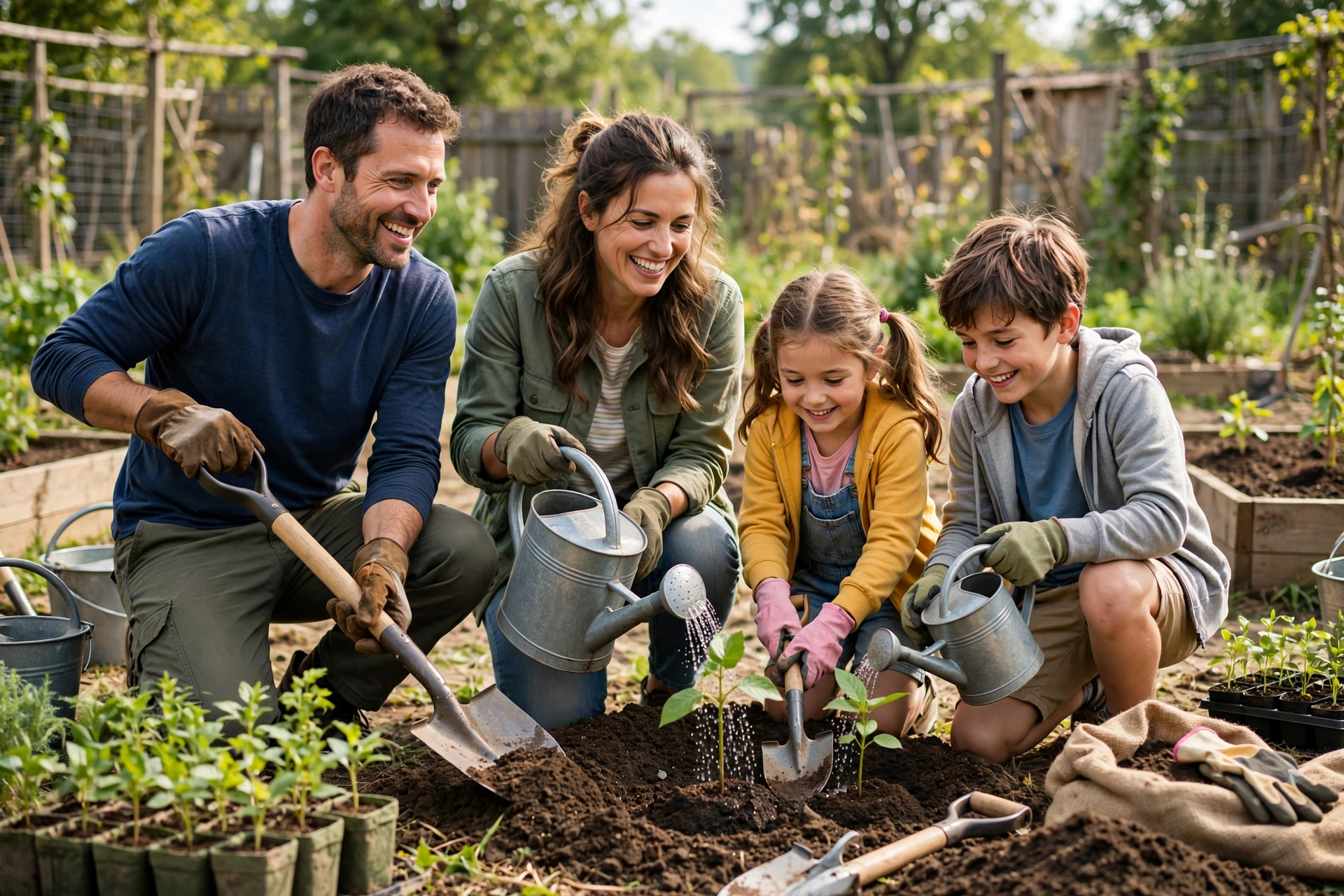
- Community garden plots: plant, tend, and harvest produce donated to food pantries. Great for all ages, including toddlers who love digging.
- Meal-packing events: organizations run high-energy packing sessions where families assemble thousands of meals in a few hours.
- Neighborhood food drives: organize your own — design flyers, collect donations door-to-door, and deliver them together.
- Soup kitchen serving: many welcome teen volunteers; younger kids can help with setup, decorations, or greeting guests.
Caring for Animals
- Animal shelter helpers: socializing cats, walking dogs, cleaning kennels — most shelters accept volunteers 12+ (younger with parents for specific tasks).
- Fostering pets: temporary fostering teaches responsibility and compassion; even a weekend foster makes a difference.
- Wildlife rehabilitation centers: older kids and teens can assist with feeding, cleaning, and habitat maintenance.
- Trail and beach cleanups for wildlife: removing trash protects habitats — combine with a family hike or beach day.
Protecting the Environment
- Park and trail cleanups: local parks departments and nonprofits run regular cleanup days; all ages welcome, gloves provided.
- Tree plantings: Arbor Day events and urban forestry groups plant thousands of trees with volunteer crews each spring and fall.
- Beach and river cleanups: organizations coordinate coastal cleanups where families log the trash they collect for science.
- Invasive species removal: pulling invasive plants restores native habitat — satisfying, physical work kids enjoy.
- Community recycling drives: organize e-waste or textile recycling collections in your neighborhood.
Supporting Neighbors
- Senior center visits: reading, playing games, or simply chatting with elderly residents — deeply meaningful for both sides.
- Yard work for elderly neighbors: raking leaves, shoveling snow, or mowing lawns for neighbors who cannot do it themselves.
- Habitat for Humanity builds: teens 16+ can work on construction sites; younger kids join through playhouse builds and fundraisers.
- School supply drives: collect, sort, and pack backpacks for students in need before the school year starts.
- Holiday gift programs: shop for, wrap, and deliver gifts through angel tree and toy drive programs each December.
From Home
- Care packages for troops: assemble and ship boxes with snacks, toiletries, and handwritten notes.
- Blankets for shelters: no-sew fleece blankets are a perfect all-ages craft with a direct charitable purpose.
- Cards for hospital patients: children’s hospitals and nursing homes distribute handmade cards that genuinely brighten days.
- Baking for fundraisers: bake sales for local causes turn a family baking day into community support.
- Virtual volunteering: teens can tutor online, transcribe historical documents, or do digital advocacy from home.
Age-by-Age Volunteering Guide
| Age Group | Best Volunteer Roles | Session Length | Tips |
|---|---|---|---|
| Toddlers (1–3) | Decorating cards, “helping” with yard work, garden digging | 30–45 min | Keep it playful; they are participating by being present |
| Preschool (4–5) | Sorting donations, planting seedlings, simple cleanups | 1 hour | Give concrete tasks with visible results |
| Elementary (6–10) | Food bank packing, park cleanups, animal shelter help | 2–3 hours | Explain who benefits; let them ask questions |
| Tweens (11–13) | Meal serving, trail work, fundraising projects | Half day | Give real responsibility, not token tasks |
| Teens (14+) | Build sites, tutoring, virtual volunteering, leadership roles | Full day | Connect service to their interests and college goals |
How to Find Opportunities Near You
Start with VolunteerMatch.org, which lets you filter by “kid-friendly” and “family” opportunities in your zip code. Your local United Way chapter maintains a curated list of vetted nonprofits. Food banks (Feeding America’s network), Habitat for Humanity ReStores, and park conservancies almost always need family volunteers. Do not overlook your own networks: schools, faith communities, and neighborhood associations run drives and service days that welcome families. Call ahead to confirm age minimums and what to bring — a five-minute call prevents a disappointing arrival. For planning bigger service projects, the same principles in our family event planning guide apply: set a date, assign roles, and line up supplies early.
Making Volunteering a Family Tradition
One-off service days are wonderful, but traditions compound the impact. Many families adopt a monthly rhythm: the first Saturday is service Saturday. Others tie volunteering to seasons — a Thanksgiving food drive, a spring park cleanup, a December gift program. Let kids choose the cause sometimes; ownership deepens commitment. Keep a family “service journal” with photos and reflections — what you did, who you met, how it felt. Review it on New Year’s Eve. Kids who grow up with service as a normal family rhythm carry it into adulthood, and the journal becomes a record of who your family chose to be.
Talking to Kids About Why You Serve
Volunteering opens natural conversations about inequality, gratitude, and community — handle them honestly and age-appropriately. With young children, keep it concrete: “Some families don’t have enough food, so we’re helping pack groceries for them.” With older kids, go deeper: discuss systemic causes, not just symptoms, and let them wrestle with hard questions. Avoid “savior” framing — emphasize partnership and shared humanity, not pity. And model reflection: talk at dinner about what surprised you, what was hard, and what you learned. These conversations are where volunteering’s deepest lessons take root. For more ideas on meaningful family time, explore our things to do with kids collection.
Holiday Volunteering Calendar
The holidays concentrate both need and family availability — a perfect combination for service traditions.
| Holiday / Season | Family Service Ideas |
|---|---|
| Thanksgiving | Serve meals at shelters, pack holiday food boxes, run a turkey drive |
| December holidays | Angel tree shopping, toy drives, caroling at nursing homes, wrapping gifts for shelters |
| MLK Day (January) | Join the national day of service — park cleanups, food bank shifts, community projects |
| Earth Day (April) | Tree plantings, river cleanups, community garden kickoffs |
| Summer | Summer meal programs for kids, trail maintenance, animal shelter volunteering |
| Back to school (August) | Backpack and school supply drives, classroom setup volunteering |
| 9/11 Day of Service | Honor through service — food packing, blood drives, neighborhood projects |
Many families find that a holiday service tradition becomes the most meaningful part of the season — more memorable than any gift exchange. Kids who spend Thanksgiving morning serving meals carry a different gratitude into the afternoon feast.
Starting Your Own Family Service Project
Sometimes the right opportunity does not exist yet — so create it. Starting your own project teaches kids entrepreneurship alongside compassion. Identify a need you have personally noticed: a littered park, an isolated elderly neighbor, a school short on supplies. Start tiny — one Saturday, your family, one clear goal. Document it with photos and a simple story. Then invite others: neighbors, classmates, your faith community. Small projects grow surprisingly fast when the story is compelling. One family started picking up trash at their local park monthly; within a year, thirty families joined, the city noticed, and new trash cans and a community garden followed. Your kids will learn that change does not require permission — just someone willing to start.
Project Starter Checklist
- Define one clear, achievable goal for the first outing
- Pick a date and tell two other families (accountability!)
- Gather supplies — gloves, bags, tools — the week before
- Take before-and-after photos
- Celebrate afterward — pizza tastes better after service
- Share the story to inspire the next round
Tracking Your Family’s Impact
What gets measured gets repeated — especially with kids. Keep a simple family service log: date, organization, hours, and what you did. Tally the totals quarterly and celebrate milestones: 25 hours earns a special outing, 50 hours a family reward. Some families create a “giving wall” with photos from each project. Teens can log hours for school service requirements and college applications — real service with real reflections stands out far more than padded resumes. Most importantly, talk about impact in human terms: “The food we packed today becomes 200 meals for families in our town.” Numbers make the abstract concrete, and concrete impact is what turns one-time volunteers into lifelong givers.
Skill-Based Volunteering: Use What You Are Good At
The most satisfying volunteering matches your family’s actual skills. A family of musicians can perform at nursing homes. Strong swimmers can volunteer as junior lifeguard aides or teach water safety. Crafty families can make blankets, hats, and toys for shelters. Tech-savvy teens can build websites for small nonprofits or teach seniors to use smartphones. Bilingual families are gold for organizations serving immigrant communities — translating, tutoring, and welcoming. Even young kids have “skills”: a friendly toddler is a therapy-dog-level morale boost at senior centers, and enthusiastic elementary kids make great junior coaches for adaptive sports programs. When volunteering uses real abilities, it stops feeling like charity and starts feeling like contribution — which is far more motivating for kids.
Volunteering on Vacation
Service does not have to pause when you travel — voluntourism, done thoughtfully, adds depth to family trips. Many national parks offer drop-in volunteer programs: trail maintenance days, citizen-science wildlife counts, and campground cleanups that welcome families. Beach destinations often host weekly cleanups tourists can join. Habitat for Humanity’s collegiate and youth programs run builds that accept teen volunteers. The key word is thoughtfully: choose established local organizations, avoid programs that displace local workers, and keep the focus on learning and helping rather than photo ops. A morning of service on a beach vacation teaches kids that every place they visit is someone’s home — a perspective shift that enriches every future trip.
Intergenerational Volunteering: Grandparents Welcome
Some of the most powerful service happens across generations. Grandparents bring patience, skills, and time; grandkids bring energy and tech savvy — together they are a formidable volunteer team. Great intergenerational projects include: knitting or crocheting blankets for shelters (grandparent teaches, grandchild learns), community garden plots tended by the whole extended family, oral-history projects where kids interview seniors and publish their stories, and park cleanups where every generation takes a section. Senior centers especially love multigenerational visitors — the residents light up around children, and kids learn that elderly people are interesting individuals with remarkable stories. If grandparents live far away, do a “parallel service day”: both households volunteer in their own towns on the same Saturday, then video-call to share stories. Service becomes the thread that keeps far-flung family connected.
Corporate and Workplace Family Service Days
Many employers sponsor volunteer days — bring the family along. Company-organized park cleanups, food bank shifts, and build days often welcome employees’ children, and the group energy makes service feel like a celebration. If your workplace does not have one, propose it: HR departments love employee-led service initiatives, and organizing one is itself a leadership story for your resume. Some companies offer paid volunteer time off or donation matching for hours served, effectively paying you to volunteer as a family. Check your benefits portal — you might be leaving free service hours on the table. Workplace service days also show your kids a powerful lesson: that grown-up work life and giving back are not separate worlds.
Measuring What Matters: Beyond Hours
Hours logged are nice, but the real metrics of family volunteering are quieter: the empathy your child shows a struggling classmate, the gratitude they express without prompting, the way they notice needs in their community. Watch for these signs — they are the true return on investment. Ask reflective questions on the drive home: “What surprised you today? Who did you talk to? What was hard?” Write down their answers occasionally; reading them years later reveals how much they were absorbing. And celebrate the identity, not just the activity: “We are a family that shows up for our community.” Identity-based praise sticks far longer than praise for any single good deed.
Frequently Asked Questions
What age can kids start volunteering?
There is no minimum age for informal service — toddlers can decorate cards and “help” with yard work. Organized programs typically set minimums: food banks often allow ages 8+ with parents, animal shelters 12+, and construction sites 16+. Always check the specific organization’s policy, and start with family-organized projects (neighborhood cleanups, food drives) where you set the rules.
How do I find kid-friendly volunteer opportunities near me?
Use VolunteerMatch.org’s family-friendly filter, contact your local United Way, or call nonprofits directly — food banks, animal shelters, park conservancies, and senior centers are the most reliable bets. Schools and faith communities also run family service days. A quick phone call to confirm age requirements and shift details saves everyone time.
Can volunteering count toward school service hours?
Yes — most schools accept hours from registered nonprofits, and many organizations will sign off on service logs. Confirm with your school what documentation they require (usually the organization’s name, supervisor signature, and hours). Family volunteering through established nonprofits counts just like solo service.
What if my kids complain about volunteering?
Normal — especially at first. Keep initial commitments short (one to two hours), choose causes connected to their interests (animal lovers at shelters, athletes at park cleanups), and let them bring a friend. Avoid lecturing about gratitude; instead, debrief afterward with genuine curiosity about what they noticed. Most reluctant kids come around by the second or third outing, when the work feels familiar and the impact becomes visible.
How often should our family volunteer?
Monthly is the sweet spot for most families — frequent enough to build a habit, rare enough to stay special. Some families do a weekly two-hour shift; others do quarterly service days. Consistency matters more than frequency: a family that volunteers every first Saturday for a year builds deeper relationships with the cause than one that does a single marathon weekend.
The Bottom Line
The Family Volunteering Ideas in this guide share a common thread: they turn an ordinary weekend into something that matters. Start small — one food bank shift, one park cleanup, one batch of cards for hospital patients — and let the experience shape what comes next. Your kids will learn empathy not from being told about it but from practicing it beside you. And years from now, when they choose to give their own time freely, you will know exactly where they learned it.