
Hosting a dinner party sounds expensive until you break it down. Most of the dread comes from trying to impress rather than trying to feed. Flip that priority and a dinner party for six can cost less than two takeout orders — with leftovers, laughter, and a night people actually remember.

This guide is a realistic playbook for how to host a dinner party on a budget: sample budgets, menu formulas that keep grocery costs down, a timeline that keeps you calm, cheap atmosphere wins, and a cleanup plan so you’re not scrubbing pots at 1 a.m. Hosting earlier in the day? Our brunch at home ideas use the same formula.
Step 1: Set a Realistic Budget (and the Mindset That Makes It Work)
Before you buy a single thing, decide what the night is allowed to cost. Not a vague “as cheap as possible” — an actual number.
The mindset shift is this: your guests are coming for you, not for a restaurant experience. Nobody leaves a dinner party raving about the napkin rings. They remember feeling welcome, eating well, and laughing. Spend toward those three things.
Two more rules keep budgets honest:
- Cook for the number of guests, not your anxiety. Buy for six, not twelve. Running out of one dish is fixable; overbuying everything is just waste.
- Shop your pantry first. Rice, pasta, canned tomatoes, spices, flour, broth — use what you already own before adding to the list.
Sample $50 Dinner Party Budget (6 Guests)
This is a cozy, realistic plan. Prices are illustrative — grocery costs vary by region and season — but the proportions are what matter.
- Main: Big-batch pasta bake or one-pot chili — around $14
- Salad or veggie side: Simple chopped salad with homemade dressing — around $6
- Bread: Bakery loaf or frozen garlic bread — around $4
- Dessert: Sheet-pan brownies or a no-bake cookie bar — around $6
- Drinks: One batch cocktail pitcher (sangria or lemonade-based) plus ice — around $10
- Atmosphere: Tea-light candles and a playlist — around $5
- Buffer for tax/forgotten items: $5
Total: roughly $50, or about $8 per guest.
Sample $100 Dinner Party Budget (8 Guests)
More room for a fuller menu and a little polish. Again, treat these as rough estimates, not promises.
- Main: Taco bar (chicken, beef or bean options) with toppings — around $28
- Sides: Cilantro-lime rice, black beans, chips and salsa — around $14
- Dessert: Two-ingredient ice cream sundae bar or churro-style bites — around $10
- Drinks: Two pitchers of batch sangria or a case of affordable wine — around $28
- Atmosphere: Candles, a cheap grocery-store flower bunch, printed menu cards — around $10
- Buffer: $10
Total: roughly $100, or about $12.50 per guest.
Notice what both budgets skip: appetizers (a bowl of popcorn or olives does the job), specialty ingredients you’ll use once, and individual bottled drinks.
Step 2: Keep the Guest List Small and Send Simple Invites
Small is your budget’s best friend. Every additional guest multiplies food costs — and your stress. Six to eight is the sweet spot: enough for energy, few enough to actually talk to everyone. This is why the best cheap dinner party ideas start with the guest list, not the grocery list.
For invitations, skip paper. A group text or a free digital invite works perfectly, and gives you one budget advantage: you can ask about dietary restrictions and BYOB plans in the same message, saving you from buying food nobody can eat.
One more guest-list tip that saves real money: invite people who like to contribute. Most guests enjoy being asked to bring a dessert or wine. Frame it as fun (“I’m doing a taco night — want to bring your famous salsa?”) rather than a plea for help.
Step 3: Pick a Budget-Friendly Menu Formula
The secret to a dinner party on a budget menu is the formula, not the recipe. Formulas scale cheaply, forgive mistakes, and let guests serve themselves — so you actually sit down. Four that never fail:
The One-Pot Wonder
Chili, stew, curry, or braised anything. One pot of chili for eight costs roughly a third of what plated entrées would, and it tastes better after simmering all afternoon. Serve with rice or cornbread and it’s a full meal — and it reheats beautifully, so leftovers are tomorrow’s lunch.
The Pasta Bar
Cook a big tray of baked ziti or two pots of pasta (one red sauce, one garlic-butter) and set out toppings: parmesan, red pepper flakes, and roasted veggies. Pasta is one of the cheapest foods per serving, and a pasta bar feels festive without you hovering over the stove when guests arrive.
The Taco Bar
Tacos are the undisputed champion of affordable entertaining. Seasoned chicken thighs or ground beef, warmed tortillas, rice, beans, and toppings in bowls down the center of the table. Guests build their own, which means less work for you and zero complaints from picky eaters. A taco bar also looks impressive with almost no effort — colorful bowls are the decoration.
The BYOB-Friendly Crowd Pleaser
Baked potatoes with a topping spread, a big pot of soup with good bread, or a sheet-pan chicken and veggie roast. These are naturally casual, which makes “bring a bottle if you’d like” feel relaxed instead of cheap. Anything served family-style signals we’re all in this together.
Make-ahead rule: Whatever formula you choose, at least half of it should be make-ahead. Desserts can usually wait a day in the fridge, and anything braised tastes better the next day. Cooking everything the day of the party is how hosts end up frantic, sweaty, and resentful.
Step 4: Work the Timeline
Budget dinner party tips always mention planning, but here’s an actual schedule so you don’t have to invent one:
One Week Before
- Finalize the guest list and send invites (include a question about dietary needs and whether they want to bring something).
- Pick your menu formula and write the shopping list.
- Check what you already own: serving bowls, platters, candles, tablecloth or cloth napkins, ice.
The Day Before
- Do the full grocery shop. One trip, one list.
- Make anything that improves overnight: marinate meat, assemble the pasta bake, bake dessert, mix dressing, chop vegetables.
- Set the table. It takes 15 minutes and removes a huge chunk of day-of stress.
- Queue up a playlist. Free and instant atmosphere.
The Day Of
- Morning: Assemble anything remaining. Prep the drink pitcher.
- Afternoon: Cook the main dish. Clean the bathroom and main living area — the only two rooms guests judge.
- One hour before: Light candles, start music, put out one small snack (popcorn, olives, or chips).
- Guests arrive: Stop cooking. Greet people. The food will survive 20 minutes on warm; your guests won’t enjoy watching you chop.
Step 5: Set the Mood for Almost Nothing
Atmosphere is where budget hosts outshine big spenders, because mood costs almost nothing. Three things do 90% of the work:
Lighting. Turn off the overhead lights and light tea-light candles from the dollar store. Dim light makes everything look intentional and hides the mismatched dishes. This single change is the highest-impact cheap win in entertaining.
Music. A playlist running quietly in the background signals this is an occasion more than any centerpiece. Free on any streaming service.
The table. A clean surface, napkins, and one low centerpiece — a bowl of fruit, a few candles, or a small grocery-store flower bunch split into two jars — is plenty. Mismatched dishes read as charming, not cheap, when the food is good and the mood is warm.
Step 6: Drinks on a Budget
Drinks can quietly double a party budget if you let guests drink like they’re at a bar. The fix: offer fewer options, in batches.
Batch cocktails are the budget hero. One pitcher of sangria, white wine spritzer, or simple lemonade-vodka punch serves 8–10 glasses from a single bottle of wine or spirit. It looks abundant, tastes festive, and costs a fraction of individual mixed drinks — and a pitcher on the table saves you from playing bartender all night.
Wine math: A standard 750ml bottle pours about 5 glasses. For eight guests over a two-to-three-hour dinner, roughly 3 bottles covers it — about one bottle per 2–3 drinkers. Affordable bottles in the $8–$12 range are perfectly good here, and sangria or spritzers stretch wine further.
Other cheap moves:
- Make it BYOB-friendly. Most guests are happy to bring a bottle, and it doubles the variety for free.
- Serve one signature drink instead of a full bar — “tonight’s drink is apple cider sangria” sounds curated, not limited.
- Always have a non-alcoholic option that feels intentional: sparkling water with citrus slices, iced tea, or a mocktail pitcher. This isn’t just budget-smart — it’s good hosting.
- Skip individual sodas and bottled water. A big pitcher of water with lemon on the table costs pennies.
Step 7: Handle Dietary Restrictions Without Stress
Nothing blows a budget like cooking three separate meals. The smart approach: build a menu that’s naturally flexible and let guests self-serve around their needs.
Practical tips:
- Ask in the invite. One line — “Any dietary restrictions I should know about?” — prevents day-of panic.
- Label dishes. Little tent cards noting “vegan” or “contains nuts” take two minutes and make guests feel cared for.
- Keep safe defaults: corn tortillas instead of flour (gluten-free), olive oil-based dressings, and a nut-free dessert option.
- Take allergies seriously. For a stated allergy, check labels on packaged items.
Most guests with restrictions are used to navigating menus. They just need information and one thing they can confidently eat.
Step 8: Have a Cleanup Strategy
Plan cleanup like you plan the menu — so you’re not alone with a mountain of dishes at midnight.
- Soak as you go. Fill the sink with hot soapy water during cooking and drop in used tools immediately. Half your cleanup happens before guests arrive.
- Clear in waves. When dinner winds down, clear plates to the sink in one pass. Stack, don’t wash — washing can wait until morning.
- Recruit the stragglers. The last few guests hanging around the kitchen? Hand them a towel. Drying dishes together is genuinely pleasant.
- Use the dishwasher strategically. Load it after the first clear and run it during dessert.
- Line trash cans and set out a recycling bag before the party. Future-you says thanks.
One honest note: disposable plates are tempting, but they look cheap in person and create a shocking amount of trash. Real plates plus a soak-and-wash-in-the-morning plan is usually the better call.
Step 9: Know What to Skip (and What to Splurge On)
A tight budget is really just a series of good trade-offs:
Skip:
- More than one small snack. A bowl of popcorn or chips and salsa while people arrive is plenty. A full appetizer spread is a second grocery bill.
- Specialty ingredients for one dish. If a recipe needs a $9 spice you’ll never use again, pick a different recipe.
- Matching décor or themed anything. Candles and music beat a color-coordinated table every time.
- Ambitious desserts. Brownies, a fruit crisp, or ice cream with one good topping beat a cake that stressed you out.
Splurge (a little):
- One good ingredient in the main dish. Real parmesan, good olive oil, or fresh herbs — a few dollars here lifts the whole meal.
- Good bread. A fresh bakery loaf is a few dollars and makes the table feel abundant.
- Ice. Running out of ice is the most common small party disaster. Buy an extra bag.
- One great batch drink. Guests remember the drink they actually liked.
FAQs
How much does it cost to host a dinner party?
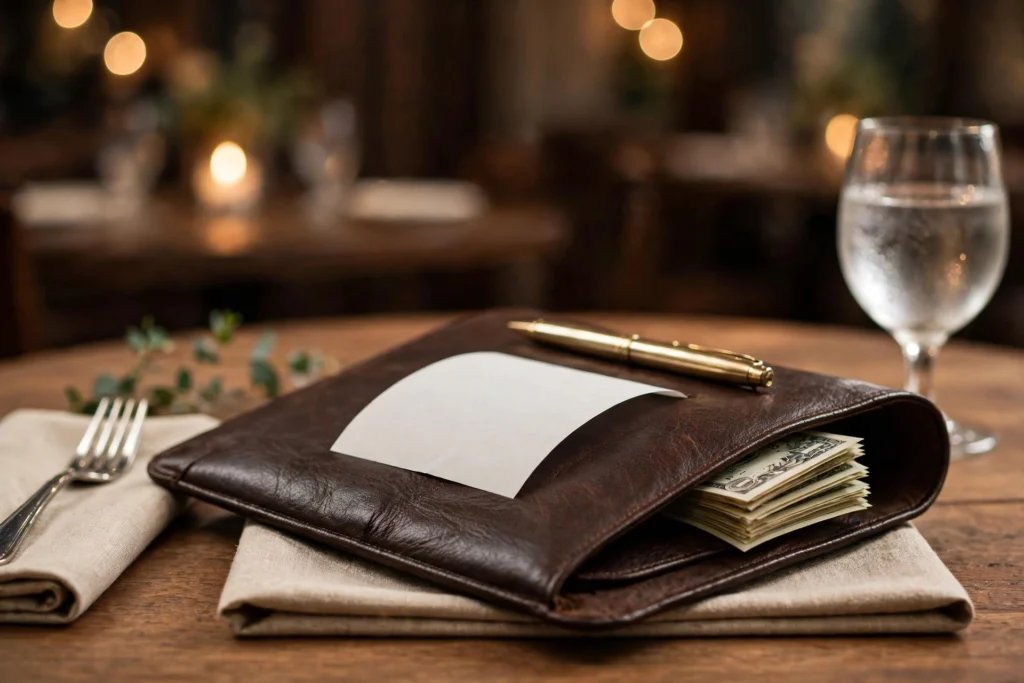
A realistic range for a casual dinner party is roughly $8–$15 per guest. A simple pasta or chili night for six can land around $50 total, while a fuller taco bar spread for eight might run closer to $100. The biggest cost drivers are guest count, alcohol, and how many courses you serve. For comparison, dining out for six can easily top $200 before tip — see our restaurant tipping etiquette guide.
How many people should I invite to a budget dinner party?
Six to eight is the sweet spot — enough for good energy, small enough to keep food costs manageable. Every extra guest adds cost across food, drinks, and seating, so resist inviting “just a few more.”
What’s the cheapest dinner party menu?
A pasta bar or one-pot chili night is hard to beat: pasta, canned tomatoes, beans, and basic seasonings are among the cheapest ingredients per serving. Taco bars run slightly higher but scale well. The real savings come from choosing one main dish, one side, one dessert, and a batch drink — not from finding the cheapest version of a five-course menu.
Is it okay to ask guests to bring something?
Yes — most guests are happy to contribute. Make it feel fun, not obligatory: “I’m doing a taco night, want to bring your famous guac?” Assign specific items (a dessert, a bottle of wine, an appetizer) so you don’t end up with four bags of chips.
How do I host a dinner party in a small apartment?
Keep the guest list tight (four to six), serve buffet or family-style, and use what you have — a coffee table works as a serving station, floor cushions add seating. Clean only the rooms guests will see, and dim the lights to make the space feel cozy rather than cramped.
What should I serve for drinks on a budget?
One batch cocktail (sangria, spritzer, or punch) plus water and a non-alcoholic option covers everyone for a fraction of a full bar’s cost. Making the night BYOB-friendly doubles the variety for free. Plan on roughly one 750ml bottle of wine per 2–3 drinkers, and always buy an extra bag of ice.
How do I handle a guest with dietary restrictions?
Ask about restrictions in the invitation, then build a naturally flexible menu — taco bars and pasta bars let guests self-serve around their needs. Keep dressings and toppings separate, label dishes, and make sure there’s at least one hearty option every guest can eat.
Should I do a potluck instead of cooking everything myself?
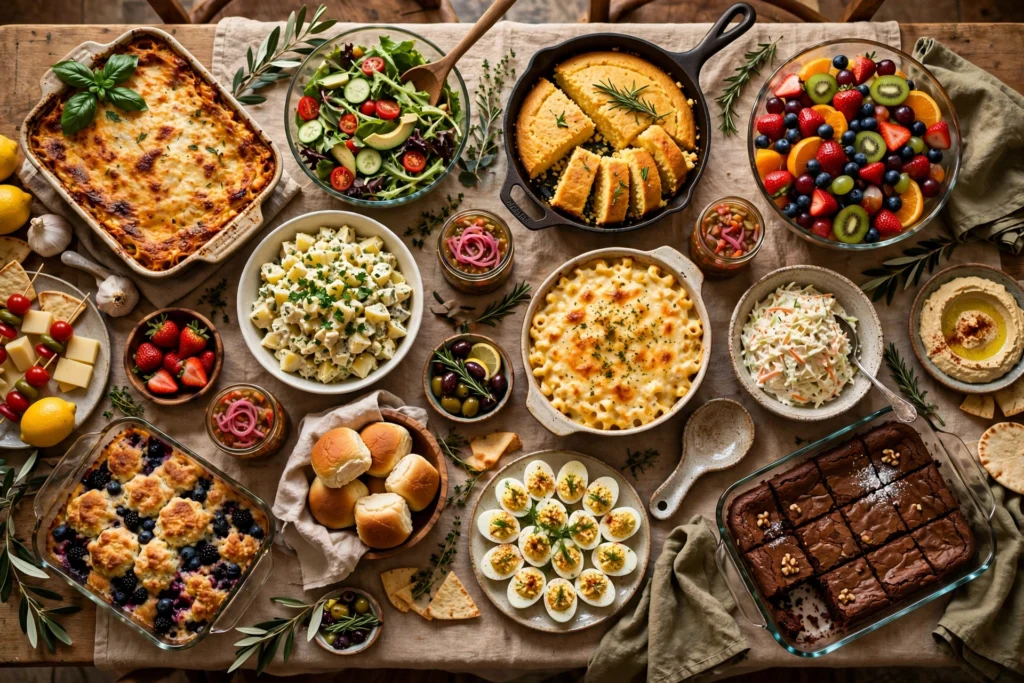
If cooking for everyone feels like too much, a potluck is a great middle ground — you provide the main dish and the space, and guests each bring a side, dessert, or drink. (See our guide on what to bring to a potluck for ideas.)


Pingback: 40 Date Night Ideas at Home: Romantic & Fun (2026)