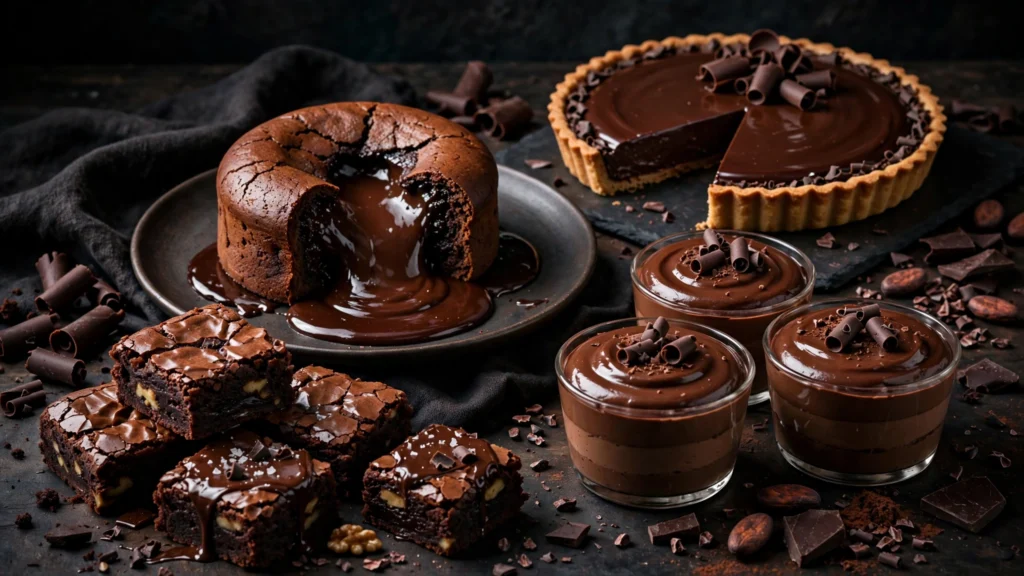
Dessert wine pairing has one golden rule, and it is non-negotiable: the wine must be sweeter than the dessert. Break this rule and the wine tastes sour, thin, and angry — a good Sauternes next to an overly sweet frosting becomes an expensive mistake. Follow it, and something magical happens: the wine and dessert elevate each other, the way a squeeze of lemon elevates fish. Same principle, fancier bottle.
This guide gives you everything else too: the three principles behind great pairings, detailed pairing charts for twenty common desserts, specific bottle styles for every budget, serving temperatures and glassware, and what to pour when you do not drink alcohol. No snobbery, no jargon without explanation — just the knowledge to pour with confidence.
The Three Principles
1. Sweeter than the dessert (the golden rule). The wine’s sweetness must meet or exceed the dessert’s. A moderately sweet dessert pairs with an off-dry wine; a very sweet dessert needs a truly luscious wine. When in doubt, go sweeter on the wine.
2. Match intensity. Delicate desserts (panna cotta, fruit sorbet) need delicate wines (Moscato d’Asti). Intense desserts (flourless chocolate torte, sticky toffee pudding) need intense wines (vintage Port, PX sherry). A powerhouse wine bulldozes a delicate dessert; a whisper of a wine disappears next to chocolate.
3. Complement or contrast — pick one. Complement means echoing flavors: nutty sherry with nutty baklava, berry-noted Brachetto with berry desserts. Contrast means cutting richness: high-acid wine against creamy cheesecake, bubbles against fried or fatty sweets. Both work; mixing both approaches in one pairing usually muddles.
Two bonus rules professionals use: match the sauce, not the base (it is the chocolate sauce on the vanilla ice cream that matters), and regional pairings rarely fail (Italian dessert + Italian wine, French + French — centuries of trial and error did the work).
Know Your Dessert Wine Styles
Before the charts, the vocabulary. Dessert wines fall into a few families:
- Moscato d’Asti (Italy): Light, fizzy, peachy, low alcohol (~5%). The friendly crowd-pleaser. Budget-friendly.
- Sauternes (France): The luxury standard — botrytized (noble rot) Semillon/Sauvignon Blanc, honeyed, apricot, complex. Expensive; halves and smaller producers offer value.
- Tokaji Aszú (Hungary): Sauternes’ historic rival — apricot, orange peel, brilliant acidity. Often better value than Sauternes.
- German Riesling (Auslese and up): Precision and acidity — apple, citrus, mineral. High sweetness balanced by racy acid. Excellent value.
- Port — Tawny: Nutty, caramel, dried fruit; aged in wood. The chocolate pairing champion.
- Port — Ruby/Vintage: Dark fruit, powerful, tannic when young. For the richest chocolate desserts.
- Pedro Ximénez (PX) Sherry (Spain): Liquid raisins — intensely sweet, syrupy, fig and date flavors. A little goes a long way.
- Vin Santo (Italy): Tuscan tradition — nutty, dried apricot, caramel. Made for biscotti dipping.
- Icewine / Eiswein: Frozen-on-the-vine grapes — pure, intense fruit. Expensive, stunning with fruit desserts.
- Brachetto d’Acqui (Italy): Lightly fizzy red, strawberry and rose — the berry dessert soulmate.
- Madeira: Caramel, toffee, nearly indestructible (lasts months open). The practical connoisseur’s choice.
- Late-harvest Zinfandel / Bubbly: American options — ripe berry sweetness, crowd-friendly.
The Pairing Charts
Chocolate Desserts
| Dessert | Pairing | Why it works | Budget pick |
|---|---|---|---|
| Flourless chocolate torte | Vintage or LBV Port | Intensity matches intensity; tannins love fat | LBV Port |
| Chocolate mousse | Tawny Port | Nutty notes complement cocoa | 10-year Tawny |
| Brownies | Pedro Ximénez sherry | Raisin-fig depth doubles the chocolate | PX sherry |
| Chocolate lava cake | Ruby Port | Dark fruit + molten chocolate | Ruby Port |
| Chocolate truffles | Tawny Port or Madeira | Nutty, not too sweet — lets chocolate lead | Madeira |
| White chocolate desserts | Moscato d’Asti | Light wine for a delicate (if sweet) dessert | Moscato d’Asti |
The chocolate rule of thumb: Dark chocolate wants Port or PX; milk chocolate wants something softer (Tawny, Brachetto); white chocolate wants light and fizzy (Moscato).
Fruit Desserts
| Dessert | Pairing | Why it works | Budget pick |
|---|---|---|---|
| Apple pie / tarte Tatin | Sauternes or late-harvest Riesling | Honeyed wine + caramelized apple | Late-harvest Riesling |
| Berry desserts | Brachetto d’Acqui | Strawberry-on-strawberry harmony | Brachetto |
| Lemon tart / posset | Moscato d’Asti | Sweetness without heaviness; citrus loves floral notes | Moscato d’Asti |
| Peach cobbler | Viognier-based sweet wine or Moscato | Stone fruit echo | Moscato d’Asti |
| Poached pears in red wine | The poaching wine itself | The regional/matching rule at its simplest | — |
| Tropical fruit | Icewine or off-dry Riesling | Intensity + acidity against lush fruit | Off-dry Riesling |
Creamy and Custardy Desserts
| Dessert | Pairing | Why it works | Budget pick |
|---|---|---|---|
| Crème brûlée | Sauternes | The classic pairing — vanilla custard + honeyed wine | Sauternes halves |
| Panna cotta | Moscato d’Asti | Delicate + delicate | Moscato d’Asti |
| Cheesecake (plain) | Late-harvest Riesling | Acidity cuts the richness | German Spätlese |
| Tiramisu | Vin Santo | Coffee + nutty Tuscan wine (the Italian regional rule) | Vin Santo |
| Rice pudding | Tokaji Aszú | Apricot notes + creamy comfort | Tokaji 5 Puttonyos |
Nutty, Spiced, and Holiday Desserts
| Dessert | Pairing | Why it works | Budget pick |
|---|---|---|---|
| Baklava | Tokaji or Muscat | Honey + honey; acidity cuts the syrup | Muscat de Beaumes |
| Pecan pie | Tawny Port or Madeira | Nutty + nutty | Madeira |
| Gingerbread | PX sherry or spiced rum-adjacent wines | Dark spice loves dark sweetness | PX sherry |
| Fruitcake | Madeira or Tawny Port | Dried fruit + dried fruit | Madeira |
| Christmas pudding | PX sherry | The traditional British pairing | PX sherry |
Frozen Desserts
| Dessert | Pairing | Why it works | Budget pick |
|---|---|---|---|
| Vanilla ice cream | Moscato d’Asti or a pour of Vin Santo | Light, or the Italian affogato-adjacent trick | Moscato d’Asti |
| Chocolate ice cream | Ruby Port | Same logic as chocolate desserts | Ruby Port |
| Sorbet | Nothing — or more sorbet | Icy cold mutes wine; serve a palate cleanser instead | — |
| Affogato | Amaretto or coffee liqueur | Lean into it — this is a cocktail moment | Amaretto |
Serving Dessert Wine Right
- Temperature: Serve sweet wines chilled (45–55°F) — cold sharpens acidity and keeps sweetness refreshing. Port and Madeira can go slightly less cold (55–60°F). Never room temperature; warmth makes sweet wines taste syrupy.
- Glassware: Smaller pours in smaller glasses — 3 ounces is a proper dessert wine serving. White wine glasses work fine; no special equipment needed.
- Order: Serve dessert wine with dessert, obviously — but pour it after guests have had a bite or two of the dessert first. Tasting the wine against the dessert is the experience.
- How much to buy: A standard bottle gives eight 3-oz servings. For dinner parties of 6–8, one bottle suffices. Half-bottles (375ml) are common for Sauternes and Tokaji — perfect for small gatherings.
- Open bottles keep: Fortified wines (Port, Sherry, Madeira) last weeks to months. Unfortified sweet wines (Sauternes, Riesling) last 3–5 days refrigerated. Moscato d’Asti, being fizzy, should be finished the night it is opened.
Pairing on a Budget: The $15-and-Under All-Stars
Great dessert wine pairing does not require Sauternes money:
- Moscato d’Asti ($12–15): Pairs with half the desserts on earth. The single best value in sweet wine.
- Tawny Port (basic) ($12–16): Chocolate’s best friend at any price.
- PX Sherry ($12–18): A little bottle goes a long way — servings are small.
- German Riesling Spätlese ($14–18): The acidity-per-dollar champion.
- Brachetto d’Acqui ($13–17): Berry desserts’ soulmate.
- Madeira (5-year) ($15–20): Nutty, versatile, lasts forever open.
What to Pour When You Do Not Drink Alcohol
The golden rule still applies — the drink should be sweet and complementary:
- Sparkling cider or grape juice: The Moscato substitute — fizzy, fruity, festive.
- Good hot chocolate: With chocolate desserts, doubling down works surprisingly well.
- Espresso or strong coffee: Bitterness contrasts sweetness — the tiramisu-and-espresso tradition.
- Spiced apple cider (warm): With apple and spice desserts, the complement rule in action.
- Shrubs (drinking vinegars): Berry or apple shrubs with soda water — acidity and fruit, the sommelier’s non-alcoholic secret.
- Fancy tonic or ginger beer: With citrus desserts, the bubbles and bite refresh the palate.
Pairing Disasters to Avoid
- Dry red wine with chocolate cake. The internet suggests it; the internet is wrong. Dry tannins + sweet chocolate = metallic bitterness. (Port is the red wine that works — because it is sweet.)
- Bone-dry Champagne with wedding cake. The toast feels right; the pairing tastes wrong. If you want bubbles, make it demi-sec Champagne or Moscato d’Asti.
- Big oaky Chardonnay with anything sweet. Oak + sugar + low acidity is a triple mismatch.
- Serving the expensive bottle with the sweetest dessert. The sweeter the dessert, the harder the wine has to work. Save the great Sauternes for the moderately sweet dessert, not the frosting bomb.
A Tour of Dessert Wine Regions
Understanding where sweet wines come from makes choosing them intuitive:
Bordeaux, France (Sauternes/Barsac): The prestige address. Misty autumn mornings on the Ciron river breed noble rot on Sémillon grapes, concentrating sugars into honeyed, apricot-laden wine. Château d’Yquem is the legend; dozens of smaller châteaux offer the experience at sane prices. Buy: half-bottles for value.
Tokaj, Hungary: Sweet wine’s oldest classified region (1700s) — volcanic soils, botrytized Furmint, electric acidity. Aszú wines are graded by “puttonyos” (baskets of botrytized grapes); 5 puttonyos is the sweet spot of price and lusciousness. Often half the price of equivalent Sauternes.
Mosel, Germany: Riesling on impossibly steep slate slopes. The Prädikat system (Kabinett → Spätlese → Auslese → Beerenauslese → Trockenbeerenauslese → Eiswein) is a sweetness ladder — climb it as desserts get richer. The high acidity means even sweet versions taste fresh, never cloying.
Douro, Portugal (Port): Terraced vineyards, fortified with grape spirit to stop fermentation and preserve sweetness. Tawny ages in wood (nutty, tawny color); Ruby/Vintage ages in bottle (fruity, powerful). The fortification means open bottles last for weeks.
Jerez, Spain (Sherry): Palomino grapes fortified and aged in the solera system. Pedro Ximénez is made from sun-dried grapes — essentially raisin wine, intensely sweet. The driest sherries (Fino) are aperitifs; PX is dessert in a glass.
Asti, Italy (Moscato d’Asti): Low-alcohol, lightly fizzy, peachy Moscato Bianco. Made for immediate pleasure, not aging. The region’s other gift: Brachetto d’Acqui, the fizzy red for berry desserts.
Tuscany, Italy (Vin Santo): Traditionally made by drying grapes on straw mats, then aging in small barrels for years. Nutty, dried-apricot, made for dipping cantucci (almond biscotti) — the pairing is literally in the name (“holy wine” for the holy act of dipping).
Building a Small Dessert Wine Collection
You do not need a cellar — five bottles cover nearly every dessert:
- Moscato d’Asti — the all-rounder for fruit, light cakes, creamy desserts.
- Tawny Port (10-year) — chocolate, nuts, cheese, and after-dinner sipping.
- German Riesling Spätlese — high-acid freshness for rich desserts like cheesecake.
- Pedro Ximénez sherry — the intensity bomb for brownies, fruitcake, Christmas pudding.
- Sauternes or Tokaji half-bottle — the special-occasion bottle for crème brûlée and fine dining moments.
Storage: Cool, dark, steady temperature — a closet works. Fortified wines are nearly indestructible; Sauternes and Tokaji age beautifully for decades; Moscato should be drunk young and fresh.
Serving order at a dessert tasting: Light to heavy, delicate to intense — Moscato, then Riesling, then Sauternes/Tokaji, then Port, then PX. The progression mirrors the meal’s own arc.
Dessert Wine and Cheese: The Overlap
Dessert wine pairing does not stop at dessert — cheese is the bridge course, and sweet wine loves cheese:
- Blue cheese + Sauternes: The legendary pairing. Salt, funk, and honey — Roquefort and Sauternes is the classic for a reason.
- Aged cheddar + Tawny Port: Nutty meets nutty; the Port’s sweetness tames the cheddar’s sharpness.
- Brie or Camembert + off-dry Riesling: Creamy, mild cheese loves acidity and a touch of sweetness.
- Goat cheese + Sauternes or Moscato: Tangy cheese, sweet wine — the contrast principle.
- Stilton + Vintage Port: The British Christmas tradition. Non-negotiable in December.
Serve the cheese course between the main and the dessert, with the dessert wine already poured — it carries through both courses elegantly.
Frequently Asked Questions
What is the one rule of dessert wine pairing?
The wine must be sweeter than the dessert. Everything else is refinement; this is law. A dry wine with a sweet dessert tastes sour and thin.
What wine goes with chocolate?
Port, generally — Tawny for milk chocolate and truffles, Ruby or Vintage for dark chocolate desserts, Pedro Ximénez for brownies and anything with dried fruit. Chocolate is the easiest dessert to pair once you know the Port family.
Can I serve red wine with dessert?
Yes, if it is sweet — Port, Brachetto d’Acqui, and some Lambruscos work. Dry red wine with sweet dessert is the classic mistake; the tannins clash with sugar.
How much dessert wine should I buy for a party?
Plan 3 ounces per person — a standard bottle serves eight. Most guests drink less dessert wine than table wine, so one bottle per 6–8 guests is plenty.
What is the best cheap dessert wine?
Moscato d’Asti, by a mile — $12–15, pairs with fruit desserts, light cakes, and creamy sweets, and non-wine-drinkers love it. Tawny Port is the runner-up for chocolate.
Should dessert wine be served cold?
Yes — chilled to 45–55°F for most sweet wines, slightly less cold for Port and Madeira. Cold keeps sweetness refreshing instead of syrupy.
What do I pair with a dessert I have never tasted?
Default to Moscato d’Asti (safe, pleasant, cheap) or Tawny Port (if it involves chocolate). When truly uncertain, the regional rule helps: Italian dessert, Italian wine.
How long does an open bottle of dessert wine last?
Fortified wines (Port, Sherry, Madeira): weeks to months. Sweet table wines (Sauterns, Riesling): 3–5 days refrigerated. Fizzy Moscato: finish it tonight.
What is noble rot and should I be concerned about the name?
Noble rot (botrytis cinerea) is a beneficial fungus that dehydrates grapes, concentrating their sugars and adding honeyed, complex flavors. It is the magic behind Sauternes, Tokaji, and top German sweet wines — and it is entirely delicious, despite sounding like a medieval affliction.
Can dessert wine age, or should I drink it now?
Sauternes, Tokaji, vintage Port, and Madeira all age beautifully — decades, in good vintages. Moscato d’Asti and most Brachetto should be drunk young and fresh. When in doubt, check the producer’s guidance; most sweet wines tell you their drinking window.
Tasting Dessert Wine Like a Sommelier
You do not need certification to taste like you have it. The method:
Look: Hold the glass against a white background. Young Sauternes is gold; aged tawnies are amber-brown; PX is nearly black. Color tells you age and style before you sip.
Swirl and sniff: Sweet wines are aromatic — honey, apricot, orange peel, nuts, flowers. Take two sniffs: one gentle (the delicate top notes), one deeper after swirling (the richer base). If you smell nothing, the wine is too cold.
Sip and hold: Take a small sip and let it coat your mouth. Notice three things: sweetness level (does it coat?), acidity (does your mouth water after swallowing?), and length (how long does the flavor linger?). Great dessert wines have all three — sweetness without acidity is flabby; length is what separates good from great.
The finish test: Count the seconds the flavor lasts after swallowing. Under 5 seconds: simple. 5–15: good. 15+: excellent. 30+ and you will remember the wine tomorrow.
Pour With Confidence
Dessert wine pairing looks intimidating from the outside — French names, Hungarian names, rules about noble rot. From the inside, it is one rule and a little curiosity: sweeter than the dessert, matched in intensity, and tasted together. Buy one bottle of Moscato d’Asti and one of Tawny Port, and you can pair 80% of desserts well. The rest is exploration, and exploration is the fun part. Santé.