Christmas traditions in Japan look nothing like the holiday most Westerners know — and that is exactly what makes them fascinating. In a country where Christians make up roughly one percent of the population, Christmas is not a religious observance or even a public holiday. It is a romantic, commercial, glittering winter festival: couples book restaurants months ahead for Christmas Eve dinner, families pre-order fried chicken and strawberry shortcake, and entire city districts transform into oceans of LED illuminations. Japan took Christmas apart and rebuilt it in its own image — and the result is one of the world’s most distinctive December celebrations.
This guide explains how Japanese Christmas actually works: the famous fried-chicken dinner and its backstory, the symbolism of the Christmas cake, why December 24 belongs to couples, the spectacular illumination culture, and how the holiday hands off to the far more important Japanese New Year. Whether you are visiting Japan in December or borrowing ideas for your own celebration, here is the complete picture.
Christmas Traditions in Japan: A Romantic Holiday, Not a Religious One
The single most important thing to understand about Christmas traditions in Japan is what the holiday is for. Without a Christian majority, Christmas never became a family-religious observance. Instead, from the postwar decades onward, it evolved into something closer to Valentine’s Day: Christmas Eve is date night. Young couples treat December 24 as the most romantic evening of the year — more significant, for many, than Valentine’s Day itself.
The rituals of a Japanese Christmas Eve date are well established: dinner at a nice restaurant (booked weeks or months in advance), a stroll through a winter illumination display, and the exchange of gifts. Department stores and hotels sell elaborate Christmas Eve dinner packages, and “Christmas date spots” — illuminated boulevards, observatory decks, waterfront promenades — are ranked in magazines and apps every year. Being without a date on Christmas Eve carries a particular poignancy in Japanese pop culture; romantic comedies and dramas return to the theme constantly.
December 25 itself is an ordinary working day — offices, schools, and shops all open. The celebration is concentrated on the Eve, and by the 26th, Christmas decorations begin coming down to make way for New Year (shōgatsu) preparations, which are the true year-end observance in Japan.
The Famous Christmas Chicken: KFC and Its Rivals
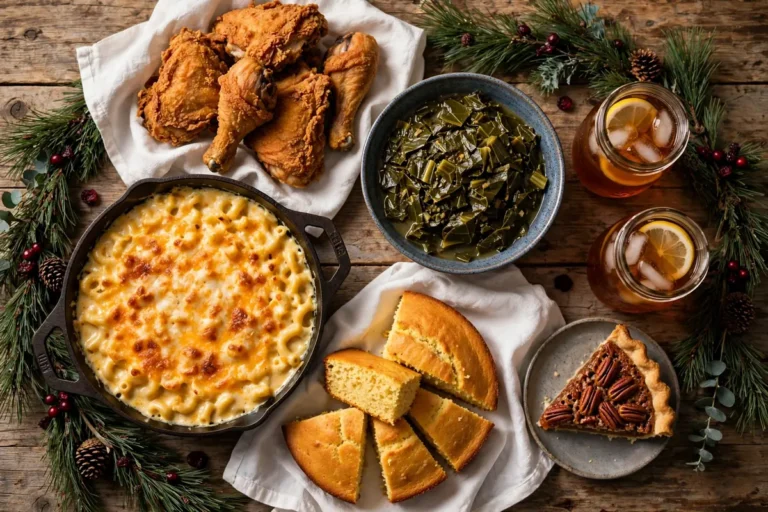
No discussion of Christmas traditions in Japan is complete without the fried chicken. An estimated several million Japanese people eat Kentucky Fried Chicken on Christmas Eve — a custom so entrenched that KFC Japan takes pre-orders for “Christmas party barrels” starting in autumn, and lines snake out of stores on December 24. The phenomenon even has a name: Kurisumasu ni wa Kentakkii — “Kentucky for Christmas.”
The origin story is a genuine piece of marketing history. In the 1970s, KFC’s first Japan manager, Takeshi Okawara, noticed foreigners in Japan buying fried chicken as a Christmas substitute for turkey — and reportedly dressed as Santa to sell chicken at a Tokyo kindergarten party. KFC launched its first Christmas campaign in 1974, positioning fried chicken as the Japanese Christmas dinner, and the idea stuck with remarkable permanence. Colonel Sanders statues outside KFC stores are dressed as Santa Claus every December, a sight as reliably Japanese as the illuminations.
Today the tradition has broadened: convenience stores and supermarkets sell their own Christmas chicken sets, and roast chicken (rather than specifically KFC) is the norm in many households. But the KFC barrel — chicken, sides, and cake in a festive bucket — remains the iconic order. Our deep-dive into what Japan eats for Christmas covers the full holiday menu, from party barrels to the convenience-store feast.
The Christmas Cake: Strawberries, Cream, and Symbolism
If KFC is the savory pillar of Japanese Christmas, the Christmas cake (kurisumasu kēki) is the sweet one. The classic Japanese Christmas cake is a light sponge layered with whipped cream and crowned with strawberries — red and white, the colors of the Japanese flag and of celebration itself. Fujiya, the confectionery giant, is credited with popularizing the strawberry shortcake as the Christmas cake in the early 20th century.
The cake carries social meaning beyond dessert. Buying the whole, beautiful, brand-name Christmas cake to share with family signals prosperity and togetherness; there is even a well-known (now dated) social metaphor about unsold Christmas cakes after the 25th, which you will still hear referenced in older dramas. Patisseries compete fiercely each year with limited-edition Christmas cakes — chocolate, matcha, mont blanc — but the strawberry shortcake remains the undisputed classic, pre-ordered by families weeks ahead.
Department stores get in on the act too, selling single-serve Christmas cakes for people spending the holiday solo — a characteristically Japanese acknowledgment that not everyone has a date or a family gathering, and that the holiday should still taste good. Pre-orders for the full-size cakes typically open in early November and sell out at popular patisseries, another small ritual of anticipation in the Japanese December.
Illuminations: Japan’s Winter Light Festivals
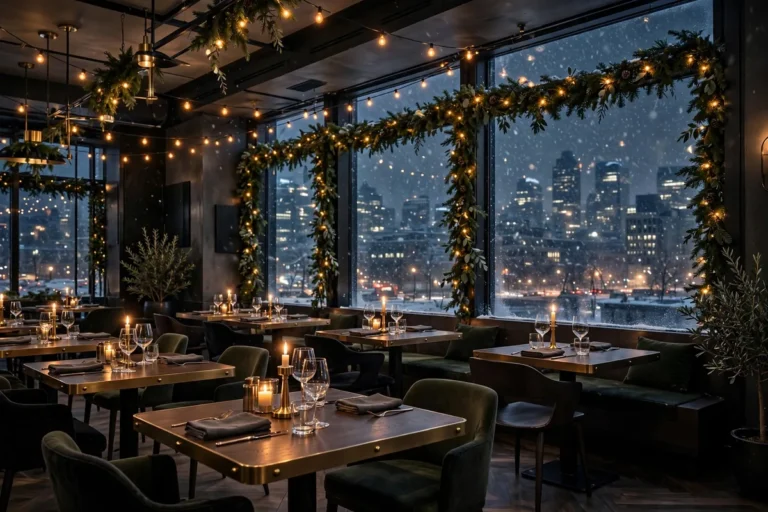
Japan’s illuminations (iruminēshon) are among the most spectacular winter light displays in the world — and they are central to Christmas traditions in Japan. From mid-November through Christmas (some run into February), cities drape boulevards, gardens, and buildings in millions of LEDs. These are not Christmas markets or religious displays; they are secular winter festivals of light, and they are breathtaking.
The most famous include:
- Tokyo: Roppongi Hills’ Keyakizaka-dori (around 800,000 blue-white LEDs on the zelkova trees), Marunouchi’s champagne-gold boulevard, Tokyo Midtown’s ice-rink-adjacent displays, and the massive Tokyo German Village illumination in nearby Chiba.
- Osaka: The Midosuji Illumination, stretching four kilometers down the city’s grand boulevard.
- Kobe: The Kobe Luminarie, originally created in 1995 to memorialize the Great Hanshin earthquake — arches of hand-painted lights that remain one of Japan’s most moving winter sights. It is typically held in December; check official 2026 dates before planning.
- Nabana no Sato (Mie Prefecture): one of Japan’s largest and most elaborate illumination parks, famous for its light tunnels and seasonal themes, running roughly October through May.
- Ashikaga Flower Park (Tochigi): millions of lights woven through the park’s wisteria trellises.
Illuminations are the backdrop for the Christmas Eve date — couples stroll the lit boulevards after dinner — and photographing them is a December ritual in itself. For travelers comparing winter light traditions worldwide, our best places to spend Christmas roundup puts Japan’s illuminations in global context.
How Japanese Families Celebrate
While Christmas Eve belongs to couples, families with young children have their own version of the holiday. Santa Claus (Santa-san) visits Japanese homes too — children hang stockings or leave out shoes, and parents play Santa much as they do in the West. The family Christmas dinner centers on the party barrel or roast chicken plus the strawberry cake, eaten together on the Eve.
Gift-giving is more restrained than in the West: children receive presents from “Santa,” and couples exchange gifts, but the extended-family gift exchange is not a major feature — that energy goes into New Year (otoshidama, the New Year’s cash gifts to children). Christmas gifts between adults tend toward the romantic rather than the familial: jewelry, watches, and brand goods marketed specifically as Christmas presents.
Workplaces hold bōnenkai (year-end parties) throughout December — raucous, alcohol-fueled affairs that are the real social center of the Japanese December — but these are New Year-adjacent rather than Christmas events. The calendar layering is the key insight: Christmas is the romantic prelude; the New Year is the main event.
Christmas Hands Off to Shōgatsu: The Real Year-End
To understand Japanese December, you must understand that Christmas is the opening act. The main event is shōgatsu — the Japanese New Year, the country’s most important holiday. From December 26, Christmas vanishes with startling speed: decorations come down, and homes and shops redecorate with kadomatsu (pine-and-bamboo entrance decorations), shimenawa (sacred straw ropes), and kagami mochi (stacked rice cakes with a mandarin on top).
Families do ōsōji (the great year-end cleaning), prepare osechi ryōri (the elaborate tiered New Year food boxes), and gather for New Year’s Eve — often watching the Kōhaku Uta Gassen song contest on television and eating toshikoshi soba (year-crossing noodles) at midnight. On New Year’s Day, families visit shrines for hatsumōde (the first shrine visit), exchange nengajō (New Year’s cards), and children collect otoshidama.
This is why Christmas in Japan feels the way it does — intense, romantic, commercial, and brief. It borrows the West’s most photogenic holiday and runs it as a beautiful prelude to Japan’s own, far older year-end traditions. Visitors in late December get both: illuminations and fried chicken, then temple bells and shrine visits.
The History: How Christmas Arrived in Japan
Christmas first reached Japan in the 16th century with Portuguese and Spanish missionaries — Jesuit records describe Christmas Masses celebrated in Nagasaki in the 1500s. But when the Tokugawa shogunate banned Christianity in the early 1600s, Christmas vanished with it, driven underground along with the kakure kirishitan (hidden Christians) who kept the faith in secret for two centuries.
The modern holiday arrived with the Meiji Restoration’s opening to the West in the late 1800s. Early celebrations were confined to foreign settlements and Christian churches, but department stores and confectioners saw the commercial potential quickly. By the 1920s, Tokyo’s Ginza district had Christmas displays; by the postwar boom years, the cake-and-chicken template was set. The American occupation (1945–1952) accelerated things — GIs’ Christmas celebrations were widely observed and imitated — but Japan never imported the religious core, only the aesthetics.
This history explains the holiday’s shape: Christmas in Japan skipped the centuries of religious observance that shaped it in the West and arrived directly as a modern, urban, commercial festival. It is a 20th-century invention wearing 19th-century European costume — and the Japanese are entirely comfortable with that. The illuminations, the date-night framing, the KFC buckets: all of it dates to living memory, which is why the traditions feel so coherent. They were designed, not inherited.
Christmas in Japanese Pop Culture
Because Christmas Eve is date night, the holiday saturates Japanese pop culture as a romantic deadline. Anime and manga return obsessively to the Christmas Eve confession — the dramatic rooftop or Ferris-wheel moment when feelings are declared. J-pop’s Christmas canon is enormous: Tatsuro Yamashita’s “Christmas Eve” (1983) is the definitive Japanese Christmas song, a wistful city-pop ballad that returns to the charts every December, while Wham!’s “Last Christmas” enjoys a second life in Japan as an unironic seasonal staple.
Television runs Christmas Eve specials, magazines publish “best illumination date spot” rankings, and social media fills with couple photos under the lights. The holiday’s pop-cultural footprint is arguably larger than its real-world one — which is saying something, given the real-world footprint includes millions of fried-chicken buckets. For visitors, leaning into this layer is part of the fun: watch a Christmas-themed drama episode, listen to Yamashita on a lit boulevard, and you are experiencing the holiday the way Japan actually feels it.
The Business of Christmas: How Commerce Built the Holiday
Japanese Christmas is unusually honest about its commercial origins — and that is part of its charm. Department stores pioneered the Christmas cake and the romantic Christmas Eve dinner packages; KFC built the chicken tradition from a single marketing insight; convenience stores turned the holiday into a 24-hour retail event. Christmas displays appear in stores as early as November, and the “Christmas商戦” (shōsen, sales battle) is a recognized retail season.
This commercialism is not resented the way it sometimes is in the West, because there is no religious baseline to corrupt — Christmas arrived in Japan as a commercial-romantic festival and has never pretended otherwise. The result is a holiday optimized for beauty and pleasure: the illuminations, the cakes, the date-night restaurants are all genuinely delightful. Japan’s version asks nothing of you but enjoyment — and delivers it with extraordinary polish.
That said, the season has its critics and its lonely corners. The pressure of the Christmas Eve date produces real melancholy for the unpartnered, a theme Japanese media explores with unusual tenderness. And the solo Christmas — convenience-store chicken, single-serve cake, illuminations walked alone — has become its own recognized way of spending the holiday, neither pitied nor celebrated, just acknowledged. Retailers have responded in kind: the single-serving Christmas dinner is now a deliberate product category, marketed without apology to the millions spending the Eve on their own terms.
Regional Flavors: Christmas Across Japan
Tokyo may set the template, but Christmas traditions in Japan vary by region. Hokkaido, with its reliable snow, does the most “Western-looking” Christmas — Sapporo’s German-inspired Christmas market in Odori Park (a sister-city gift from Munich) and the city’s famous White Illumination, running since 1981, make it Japan’s closest equivalent to a European December. Osaka leans exuberant: the Midosuji illumination and the city’s appetite for spectacle turn Christmas into a four-kilometer light parade. Kobe‘s Luminarie carries genuine solemnity as an earthquake memorial, drawing visitors who come as much to remember as to celebrate.
In Okinawa, Christmas is subtropical — palm trees wrapped in lights, illuminations reflected in warm harbors, and a season that feels closer to the Philippines than to Hokkaido. And in Nagasaki, where Japan’s Christian history runs deepest, Christmas retains a more religious character, with church services and a historic Christian community observing the holiday in something closer to the Western form. The country’s north-south span means you can choose your Christmas: snowy and European, urban and romantic, or tropical and luminous.
Visiting Japan at Christmas: A Practical Guide
December is a wonderful time to visit Japan, with a few caveats:
- Come for the illuminations, not the markets. Japan has Christmas markets (Tokyo’s Meiji Jingu Gaien market and others), but they are imports — charming, but the illuminations are the authentic spectacle.
- Book Christmas Eve dinner early. If you want the romantic-dinner experience, reserve weeks ahead — popular restaurants fill up, and Christmas Eve plans are made early.
- Pre-order your chicken and cake. KFC Christmas barrels and patisserie cakes require advance reservation; walk-in availability on December 24 is limited and lines are long.
- Stay through New Year if you can. The Christmas-to-shōgatsu handoff is the real show — but note that many businesses close December 29–January 3, and domestic travel peaks. Book transport and accommodation far ahead.
- Dress warmly. Japanese Decembers are cold and the illuminations are outdoors; the wind off Tokyo Bay or Osaka’s boulevards bites.
- Learn the greeting: Merī Kurisumasu (Merry Christmas, katakana-style) — used cheerfully and universally, religious context not required.
How to Do a Japanese-Style Christmas at Home
Borrowing Christmas traditions in Japan is easy and fun:
- Order fried chicken for Christmas Eve dinner — and tell your guests the Takeshi Okawara story. It is a better dinner-party anecdote than any turkey.
- Serve strawberry shortcake with whipped cream and fresh strawberries as the official dessert.
- Make it date night. If you are a couple, treat Christmas Eve as your romantic evening — nice restaurant, a walk to look at lights, gifts exchanged privately.
- Go big on lights. The illumination spirit translates directly: more LEDs, bolder displays, a walkable route. Japan’s lesson is that lights are the decoration that matters most.
- Keep it brief and beautiful. The Japanese Christmas does not sprawl — it peaks on the Eve and hands off cleanly. A concentrated, gorgeous 24 hours beats a diluted month.
For couples planning the romantic side of the season, our Christmas activities guide has date-night ideas that pair well with the Japanese approach — and if you are shopping for a partner, the Christmas gifts for men roundup is a practical starting point.
In Pictures: Christmas in Japan
Japan does Christmas its own way — fried chicken for dinner, strawberry cake for dessert, and the most romantic night of the year.

A Tokyo street during winter illuminations: trees wrapped in millions of blue and white LEDs forming a glowing tunnel, couples strolling beneath.
Watch: Christmas in Japan
A cinematic Christmas vlog through Tokyo and Yokohama — the KFC tradition, Asakusa’s illuminations, the Red Brick Warehouse market, and a giant whale of lights.
At a Glance: Christmas in Japan
Why Japan’s Christmas looks nothing like the West’s.
| Tradition | Date | Key detail |
|---|---|---|
| “Kentucky for Christmas” | 24–25 December | The famous KFC Christmas dinner — party barrels pre-ordered months ahead — born of a 1974 marketing campaign |
| Christmas Eve, date night | 24 December | Christmas is Japan’s most romantic night — couples book fancy dinners and stroll the illuminations like a second Valentine’s Day |
| Strawberry Christmas cake | December | The sponge cake with whipped cream and strawberries — red and white for the season — sells out everywhere |
| Illuminations | Nov – Feb | Elaborate winter light displays nationwide; Kobe’s Luminarie memorial draws 3 million+ visitors a year |
| Christmas markets | December | European-style markets like Yokohama’s Red Brick Warehouse draw thousands of visitors |
| Not a public holiday | 25 December | Christmas Day is a normal workday for most; only about 1% of Japan is Christian |
| Shōgatsu takes over | 1 January | New Year — not Christmas — is Japan’s true family holiday, with shrine visits and osechi feasts |
Frequently Asked Questions
Why do Japanese people eat KFC on Christmas?
The tradition began with a 1974 KFC Japan marketing campaign, Kurisumasu ni wa Kentakkii (“Kentucky for Christmas”), after the company’s Japan manager noticed foreigners buying fried chicken as a Christmas turkey substitute. It stuck: millions of Japanese now pre-order KFC Christmas barrels, and Colonel Sanders statues dress as Santa every December.
Is Christmas a public holiday in Japan?
No. December 25 is a normal working day in Japan, where Christians are roughly one percent of the population. The celebration centers on Christmas Eve (a romantic date night), and decorations come down quickly after the 25th to make way for New Year preparations.
What is a Japanese Christmas cake?
The classic Japanese Christmas cake is a light sponge cake layered with whipped cream and topped with strawberries — red and white, the colors of celebration. Popularized by the Fujiya confectionery company, it is pre-ordered by families weeks ahead and eaten on Christmas Eve.
What are Japanese illuminations?
Illuminations (iruminēshon) are Japan’s spectacular winter light festivals — millions of LEDs draped over boulevards, gardens, and buildings from mid-November through Christmas. Famous displays include Roppongi Hills and Marunouchi in Tokyo, Osaka’s Midosuji boulevard, and the Kobe Luminarie.
Do Japanese people celebrate New Year more than Christmas?
Yes, by far. Shōgatsu (New Year) is Japan’s most important holiday, with shrine visits, special foods (osechi ryōri), and family gatherings. Christmas functions as a romantic, commercial prelude to the New Year season.
Is Christmas Eve more important than Christmas Day in Japan?
Absolutely. Christmas Eve is the main event — the date night, the family chicken-and-cake dinner, the illuminations stroll. Christmas Day is an ordinary weekday, and the holiday effectively ends on the night of the 24th.
Christmas traditions in Japan are a reminder that holidays are what cultures make of them. Japan took a foreign religious festival and remade it into something entirely its own: a night for lovers, a bucket of fried chicken, a strawberry cake, and a city made of light. It is not the Christmas of carols and nativity scenes — it is better described as Japan’s love letter to winter itself: efficient, beautiful, romantic, and gone by the 26th, leaving the New Year to take the stage.