Christmas traditions in Czechia are some of Europe’s most enchanting — and most unusual. This is the land where families keep a live carp in the bathtub before Christmas Eve dinner, where the baby Jesus (not Santa) delivers the gifts, where molten lead is poured to read the future, and where an apple cut in half can predict your fate. Czech Christmas (Vánoce) blends deep Catholic roots with a treasure chest of folk magic.
This guide walks you through celebrating Christmas the Czech way, step by step: the Advent preparations, the famous Christmas Eve rituals and superstitions, the carp dinner, Ježíšek’s midnight gift delivery, and the festive days that follow. Follow along, and you can host an authentically Czech Christmas wherever you live.
Step 1: Understand Vánoce — Christmas Eve Is the Main Event
In Czechia, Christmas Eve (Štědrý den, December 24) is the heart of the holiday — far more important than Christmas Day. The day is traditionally one of fasting: many Czechs eat little or nothing during the day so they can “see the golden piglet” (zlaté prasátko) — a folk promise that those who fast will glimpse a magical golden pig on the wall in the evening, a sign of prosperity for the coming year.
The Christmas tree (vánoční stromek) is decorated on December 24, often in the afternoon while children are kept out of the living room. When evening falls and the first star appears, the family gathers for dinner — and afterward, the miracle: while everyone was at the table, Ježíšek (the baby Jesus) has visited and left gifts under the tree, signaled by the ringing of a little bell. There’s no Santa Claus here — Ježíšek is the gift-bringer, and children write their wish lists to him.
Step 2: Buy a Carp (and Keep It in the Bathtub)
The most famous of all Christmas traditions in Czechia is the Christmas carp. Days before Christmas Eve, street vendors across Prague, Brno, and every Czech town sell live carp from big tubs. Families buy one, take it home — and keep it alive in the bathtub until December 24, much to the delight (or horror) of the children.
On Christmas Eve, the carp is prepared as the centerpiece of dinner: typically fried carp (smažený kapr) with potato salad (bramborový salát) — a mayonnaise-based salad with potatoes, carrots, peas, pickles, and eggs. The tradition dates to medieval fasting customs, when meat was forbidden on Christmas Eve but fish was allowed. Carp from the South Bohemian fishponds, farmed since the Middle Ages, became the canonical choice.
Many families keep a carp scale from the Christmas Eve fish and carry it in their wallet all year for prosperity — one of Czechia’s most widespread superstitions. In recent years, some families have started releasing their bathtub carp into a river instead of eating it, then serving a different fish or a meatless meal — a modern, animal-friendly twist on the old custom.
Step 3: Try the Christmas Eve Fortune-Telling Rituals
Czech Christmas Eve is thick with folk divination — playful rituals meant to reveal the future. These are the most beloved:
Cutting the apple: After dinner, cut an apple crosswise. If the core forms a star, the coming year will be happy and healthy; if it forms a cross, misfortune (or even death) is foretold. Everyone at the table holds their breath for the reveal.
Pouring the lead: Melt a small piece of lead over a flame and pour it into cold water. The resulting shape is “read” like a Rorschach test to predict the future — a tradition shared with neighboring countries (see our guide to Christmas traditions in Germany).
Floating walnut shells: Each person lights a tiny candle in half a walnut shell and floats it in a bowl of water. If your shell stays near the others, you’ll stay close to family; if it drifts away, travel (or separation) awaits. If the candle sinks — well, tradition is ominously quiet on that one.
The shoe toss: Unmarried girls stand with their back to the door and toss a shoe over their shoulder. If it lands with the toe pointing toward the door, she’ll marry within the year; heel toward the door means another year of single life.
Step 4: Decorate the Czech Way
Czech Christmas decorations blend the traditional with the handmade. The Christmas tree is decorated on Christmas Eve afternoon — traditionally with real candles (still used by some families, carefully supervised), glass ornaments, tinsel, and handmade decorations: straw ornaments, gingerbread cookies, dried fruit, and paper chains made by children.
The nativity scene (betlém) is essential — Czechia has a magnificent tradition of hand-carved wooden betlémy, some mechanical, dating back centuries. The town of Třešť is famous for its nativity-scene-making heritage, and many families display elaborate scenes passed down through generations.
Mistletoe (jmelí) — specifically the kind with white berries — is hung for luck and, traditionally, a kiss. Legend says it brings health and happiness to the household. Advent wreaths with four candles count down the Sundays, and windows glow with lights through the dark December. For more decorating inspiration, see our Christmas decoration ideas.
Step 5: Bake the Vanocka and Christmas Cookies
Czech Christmas baking is a serious undertaking. The centerpiece is vánočka — a rich, braided sweet bread studded with raisins and almonds, traditionally baked in a special mold. The braid is said to represent the baby Jesus wrapped in swaddling clothes. Vánočka appears on tables through the season, served with butter and coffee.
Then come the vánoční cukroví — Christmas cookies, baked by the dozen variety. The classics: vanilkové rohlíčky (vanilla crescents — the most beloved), linecké cukroví (Linzer-style sandwich cookies with jam), vosí hnízda (wasp nests — no-bake rum balls), perníčky (gingerbread, often elaborately iced), and kokosky (coconut macaroons). Families bake 10–20 varieties and exchange plates with neighbors — the cookie plate is Czechia’s social currency of December.
Step 6: Celebrate St. Nicholas Day (December 5)
The Czech festive season actually begins on December 5, the eve of St. Nicholas Day. Mikuláš (St. Nicholas) — dressed as a bishop — processes through towns and visits homes with his two companions: a shining angel (anděl) who rewards good children with sweets, and a terrifying devil (čert) with chains who threatens to carry off the naughty ones in his sack.
Children recite poems or sing songs, the angel distributes candy, fruit, and small gifts, and the devil provides the thrilling fright. In Prague, Mikuláš processions through the Old Town are a beloved spectacle. It’s a louder, wilder prelude to the quiet magic of Christmas Eve — and a tradition shared with neighboring Slovakia and Hungary.
Step 7: Enjoy the Twelve Days — December 25 to January 6
After the intensity of Christmas Eve, Czechia relaxes into the Twelve Days. December 25 (Boží hod vánoční) is for visiting family and eating leftovers — traditionally the year’s biggest feast leftovers. December 26 (St. Stephen’s Day, svátek sv. Štěpána) is a public holiday for more visiting and more food.
On December 28, some regions keep the old custom of Mlát’ata nevinnátek — light, playful whipping with willow switches for health (a gentler cousin of Easter’s pomlázka). New Year’s Eve (Silvestr) brings fireworks, champagne, and parties, and the season closes on January 6 (Tři králové, Three Kings Day), when children dressed as the Three Kings go door to door with K + M + B chalk blessings (the traditional initials of the kings, also read as Christus mansionem benedicat — “Christ bless this house”) and collect for charity.
The neighbors do it beautifully too — compare with Christmas traditions in Poland, where Wigilia shares the fasting-and-feast structure.
Czech Christmas Markets and the Prague Magic
Christmas traditions in Czechia shine brightest in Prague’s Christmas markets — among Europe’s most beautiful. The Old Town Square market, beneath the giant Christmas tree and the Astronomical Clock, fills with wooden huts selling trdelník (sweet spit cake), klobásy (sausages), svařák (mulled wine), medovina (hot honey wine), and handcrafted ornaments. The Wenceslas Square and Prague Castle markets add their own magic.
Markets typically run from late November through early January (check official dates for 2026). Beyond Prague, Český Krumlov’s medieval old town, Brno’s markets, and Olomouc’s festivities are superb — often with fewer crowds. What to buy: wooden toys, glass ornaments (Czech glassmaking is world-famous), beeswax candles, gingerbread, and carp-themed souvenirs.
Visiting Czechia at Christmas: Practical Tips
Dreaming of a Czech Christmas in person? Prague in December is magical but popular — book accommodation well ahead, especially for Christmas week. Expect cold weather (around freezing, often with snow), short days, and mulled wine at every turn.
Key experiences: the Old Town Square tree lighting (typically late November), midnight mass at St. Vitus Cathedral or the Týn Church, a Christmas concert (Prague’s churches host superb classical concerts through December), and Christmas Eve dinner at a traditional restaurant (book ahead — many Czechs eat at home, but restaurants serve festive menus). December 24–26 are public holidays; note that many shops close on the 24th afternoon. For more destination ideas, see our best places to spend Christmas.
In Pictures: Christmas in Czechia
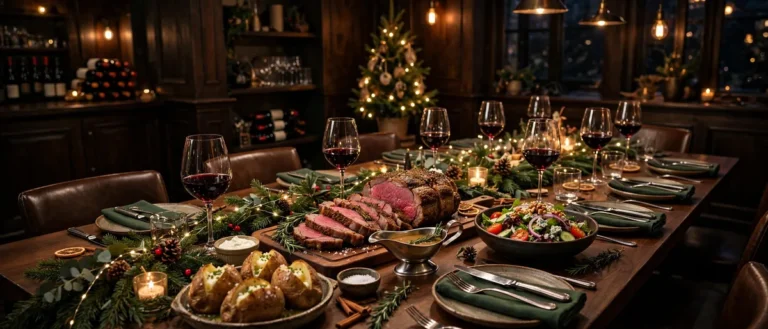
From live carp swimming in bathtubs to the golden-pig fast, Czech Vánoce is built on centuries-old Christmas Eve rituals.

The Old Town Square Christmas market in Prague: glowing stalls and a towering tree beneath the Gothic spires, with mulled wine and sweet pastries on every corner.
Watch: Christmas in Czechia
A look at the carp — the symbol of Czech Christmas — and why the fish traditionally lands in the bathtub before the Christmas Eve feast.
At a Glance: Christmas in Czechia
The defining rituals of a Czech Christmas, all anchored to Christmas Eve.
| Tradition | Date | Key detail |
|---|---|---|
| Štědrý den (Generous Day) | 24 December | Christmas Eve — not the 25th — is the heart of Czech Christmas; the tree is decorated that morning and dinner waits for the first star |
| Fried carp & potato salad | 24 December evening | The classic Christmas Eve dinner: smažený kapr with bramborový salát, often preceded by fish soup |
| Carp in the bathtub | December | Families buy live carp from street barrels and keep them in the bathtub until cooking day; some now release them instead |
| The golden pig | 24 December | Legend says fasting all Christmas Eve day lets you glimpse a golden pig — a sign of a prosperous year ahead |
| Apple cutting | 24 December, after dinner | Each person halves an apple crosswise: a star-shaped core means health and happiness, a cross warns of illness |
| Ježíšek (Baby Jesus) | 24 December evening | Gifts are believed to be delivered by the Christ Child, who slips in through the window after dinner carols |
| St. Nicholas Day | 5 December | St. Nicholas visits with an angel and a devil; good children receive sweets and fruit, naughty ones get coal and potatoes |
Frequently Asked Questions
How does Czechia celebrate Christmas?
Czechia centers Christmas on Christmas Eve (Štědrý den, December 24): a day of fasting (to “see the golden piglet”), an evening feast of fried carp with potato salad, fortune-telling rituals (apple cutting, lead pouring, walnut-shell floating, shoe tossing), and gifts delivered by Ježíšek (the baby Jesus) — signaled by a ringing bell. The tree is decorated December 24, and December 25–26 are for family visiting. Mikuláš (St. Nicholas) visits December 5 with an angel and a devil.
Why do Czechs keep a carp in the bathtub?
The live carp in the bathtub is Czechia’s most famous Christmas custom: families buy a live carp from street vendors days before Christmas Eve and keep it in the tub until December 24, when it’s cooked as fried carp — the traditional Christmas Eve dinner (a legacy of medieval fasting, when fish but not meat was allowed). Children often get attached to “their” carp; modern families increasingly release it into a river and serve a different fish. A carp scale kept in the wallet all year is said to bring prosperity.
Who brings Christmas gifts in Czechia?
Ježíšek — the baby Jesus — brings Czech Christmas gifts, not Santa Claus. While the family eats Christmas Eve dinner, Ježíšek decorates the tree and leaves presents beneath it; a little bell rings to announce his visit. Children write wish lists to Ježíšek, and the mystery of the unseen gift-bringer is central to the magic. Mikuláš (St. Nicholas) brings smaller treats on December 5.
What do Czechs eat for Christmas dinner?
The classic Christmas Eve dinner: fried carp (smažený kapr) with potato salad (bramborový salát) — potatoes, carrots, peas, pickles, and eggs in mayonnaise. Before it: fish soup or pea soup. With it: vánočka (braided sweet bread). After: vánoční cukroví — Christmas cookies in 10–20 varieties, led by vanilkové rohlíčky (vanilla crescents). Christmas Day brings roast duck or pork with dumplings.
What are Czech Christmas fortune-telling traditions?
Christmas Eve divination includes: cutting an apple crosswise (star core = happiness, cross = misfortune); pouring molten lead into water and reading the shapes; floating walnut-shell boats with candles (drift patterns predict travel or togetherness); and the shoe toss (unmarried girls toss a shoe — toe toward the door means marriage within the year). These folk rituals make Czech Christmas Eve uniquely magical.
When are Czech Christmas markets held?
Prague’s Christmas markets typically run from late November through early January (check official dates for 2026), with the Old Town Square market the most famous. Expect trdelník, svařák (mulled wine), medovina (honey wine), wooden toys, and Czech glass ornaments. Český Krumlov, Brno, and Olomouc host superb smaller markets.
Czech Christmas for Kids: Ježíšek, Mikuláš, and Magic
Czech children live the most magical Christmas in Europe. The season opens with Mikuláš (December 5): St. Nicholas, the angel, and the devil visit homes and town squares — thrilling, a little scary, and sweetly rewarding. Children prepare poems and songs for weeks, and the angel’s candy bag is the prize.
Through December: Advent calendars, school Christmas parties (besídky) with performances for parents, cookie baking with grandmothers (rolling vanilkové rohlíčky is a rite of passage), and the live carp in the bathtub — often named, often mourned. On Christmas Eve, the fasting day builds anticipation: will I see the golden piglet? Then the bell rings, the living-room door opens, and Ježíšek has been — the tree glittering, the presents piled. No mall Santa, no visible gift-bringer: just pure, unexplained magic.
Czech kids also love the fortune-telling games (apple cutting is the whole family’s entertainment), midnight mass with the glowing betlém, Christmas markets (trdelník!), sledding, and the Three Kings processions in January. For family activities, see our 75 Christmas activities for families.
Czech Christmas Music and Carols
Czech Christmas music is sublime. The cornerstone: Jakub Jan Ryba’s Czech Christmas Mass (Česká mše vánoční, 1796) — “Hej, mistře!” — performed in churches and concert halls across the country every December. This joyful, folk-infused mass is to Czech Christmas what Handel’s Messiah is to the Anglophone world.
Traditional carols (koledy): “Narodil se Kristus Pán” (Christ the Lord is born), “Půjdem spolu do Betléma” (Let’s go together to Bethlehem), “Tichá noc” (Silent Night), and “Vánoce, Vánoce přicházejí”. Carolers still go door to door in villages, and trumpeters play from church towers. Christmas concerts — from Prague’s grand halls to village churches — are a December institution; book tickets early.
The midnight mass music, the bells, the choirs — Czech Christmas sounds like centuries of faith and folk joy layered together. It’s no wonder the country’s Christmas traditions are considered among Europe’s most atmospheric.
New Year’s Eve in Czechia: Silvestr
Czechia’s festive season peaks once more on Silvestr (New Year’s Eve) — named for St. Sylvester. Prague’s fireworks over the Vltava are spectacular (note: the city has restricted some fireworks in recent years — check 2026 regulations); parties run late; champagne flows at midnight; and lentil soup or lentils on New Year’s Day bring wealth (the coin-shaped legumes are a prosperity symbol across Central Europe).
Traditional Silvestr customs: lead pouring (also done Christmas Eve), apple cutting redux, and toasting with Bohemia sekt (Czech sparkling wine). New Year’s Day lunch: roast pork with dumplings and sauerkraut (vepřo knedlo zelo) — the national dish, served for luck. Then the season’s gentle close: Three Kings Day (January 6), the chalk blessings, the charity collections — and the tree comes down, the carp is a memory, and Czechia settles into winter.
Czech Christmas Superstitions and Old Wives’ Tales
Czech Christmas superstitions are a folklore treasure. Christmas Eve: fast all day to see the golden piglet; no sweeping — you’d sweep away luck; set an extra plate for an unexpected guest (or a departed loved one); don’t get up from the Christmas Eve table (or someone will die within the year — families take this surprisingly seriously); first to leave the table on Christmas Day determines… various fates.
Food omens: the apple star (happiness) vs. apple cross (misfortune); carp scales in the wallet for wealth; lentils on New Year’s Day for money; honey on Christmas Eve bread for sweetness in the new year. Weather lore: white Christmas means a fertile year; Christmas Eve stars predict the harvest.
Love divinations: the shoe toss (toe to the door = marriage); lead pouring shapes read for romance; walnut boats drifting together = lasting love. Whether believed or laughed over, these superstitions make Czech Christmas Eve theatrical — every dinner is part feast, part fortune-telling party.
The Czech Christmas Tree: History and Customs
The Christmas tree has deep roots in Czech lands — Prague hosted one of Europe’s first public Christmas trees (often cited as 1812, at the Estates Theatre). Czech tree customs: decorated on December 24 afternoon (in secret, while children wait); traditionally with real candles (still practiced — carefully); handmade ornaments — straw, gingerbread, dried fruit, paper chains; and topped with a star or angel.
Tree etiquette: the tree stays up through Three Kings Day (January 6); needles on the floor are swept only after Epiphany; and the tree’s disposal is ceremonial (many towns collect trees for bonfires). Live trees in pots — replanted after Christmas — are increasingly popular with eco-minded families. The Czech tree isn’t just decoration: it’s the stage for Ježíšek’s midnight magic.
Czech Christmas Greetings and Wishes
Czech Christmas greetings: “Veselé Vánoce!” (Merry Christmas! — veh-seh-LEH VAH-no-tseh) and “Šťastný nový rok!” (Happy New Year!). The traditional Christmas Eve toast: “Na zdraví!” (To health!). Carolers greet with “My tři králové jdeme k vám” (We three kings come to you).
Christmas cards feature betlém scenes, Ježíšek, winter villages, and mushroom motifs (mushrooms are lucky in Czech culture). New Year’s cards (novoročenky) are a distinct tradition — often artistic, sometimes witty. For message inspiration, see our 100 Christmas wishes and messages. And when the season ends, Czechs say “Ať se vám daří!” — may you prosper — carrying Christmas goodwill into the new year.
Why Czech Christmas Captivates the World
Christmas traditions in Czechia captivate because they’re unlike anywhere else: the carp in the bathtub, the baby Jesus as gift-bringer, the golden piglet, the apple stars and lead shapes foretelling the future. It’s Christmas as folk magic — intimate, superstitious, delicious, and deeply felt. In an age of commercial sameness, Czechia kept the enchantment: the bell ringing in the next room, the tree appearing as if by miracle, the whole family holding its breath over a cut apple. That’s not just tradition — it’s wonder, preserved. Veselé Vánoce!