Customers have choices. Every day, competitors court them with lower prices, shinier features, and louder promises — and yet your best customers stay. An anniversary is the moment to tell them you noticed, that their loyalty built the business, and that the relationship runs deeper than transactions. These business anniversary customer appreciation event ideas go far beyond generic “customer appreciation day” thinking: 25+ event formats, the psychology of gratitude that actually retains customers, planning frameworks, and the follow-up systems that turn appreciation into revenue.
Customer appreciation is not soft — it is arithmetic. Acquiring a new customer costs five to twenty-five times more than retaining an existing one, and a small increase in retention compounds into enormous profit over time. An anniversary appreciation event is retention marketing at its most powerful: emotional, memorable, and timed to a story (your milestone) that makes the gratitude feel earned rather than tactical. This guide shows how to design appreciation that customers feel in their chests, not just see in their inboxes.
The Economics of Saying Thank You
Before the ideas, the business case — because appreciation events need budget approval, and feelings do not appear on spreadsheets. Consider what a well-executed customer appreciation event actually produces: measurable lifts in repeat purchase rates, referral volume, review generation, and share of wallet, all from the customers most likely to deliver them. The audience is pre-qualified — these are people who already buy from you — so conversion rates on any offer dwarf cold marketing.
There is also a defensive value. Every industry has competitors, and loyalty is the moat. A customer who has been publicly thanked, personally recognized, and genuinely delighted at your anniversary is dramatically harder for a competitor to poach — not because of the gift, but because of the relationship the event deepened. Appreciation events are loyalty insurance, and the premium is remarkably cheap compared to the cost of replacing churned customers.
The relationship logic extends to how the team handles every customer interaction around the event. A quick study of networking questions to ask helps staff turn small talk into genuine connection, and follow-up email templates ensure no new relationship goes cold afterward. More customer-relationship strategy lives in our Career & Success section.
25 Customer Appreciation Event Ideas
Exclusive Experiences (1–9)
- VIP preview night. Best customers get first access to something new — a product launch, a new space, a new menu — before anyone else. Exclusivity is the purest form of appreciation.
- Behind-the-scenes tour. An intimate guided experience showing how the magic happens, reserved for top customers. Access they cannot buy is the ultimate thank-you.
- Founder’s dinner. A small, beautiful dinner where the founder personally thanks the inner circle of customers. Twelve guests, unforgettable evening.
- Early-access shopping event. After-hours access with first pick of new arrivals, personal service, and anniversary pricing. Retail’s most effective appreciation format.
- Private tasting or demo. A guided tasting, demo, or workshop exclusively for loyal customers. Education plus exclusivity plus hospitality.
- Concierge day. White-glove treatment for a day: personal shoppers, priority service, complimentary upgrades. Let them feel like the most important people in the business — because they are.
- Anniversary cruise or outing. A group experience — a boat trip, a show, a sporting event — for top-tier customers. Shared experiences bond more deeply than gifts.
- Wellness appreciation day. Spa treatments, massages, or a wellness workshop gifted to best customers. Caring for their wellbeing signals a relationship beyond commerce.
- Family appreciation picnic. Invite customers’ whole families for a relaxed outdoor celebration. Honoring the family honors the customer completely.
Recognition and Rewards (10–17)
- Customer awards ceremony. “Customer of the year,” “longest relationship,” “best referral partner” — public recognition with genuine trophies. Being honored by a business you love is deeply moving.
- Hall of fame induction. A permanent display honoring founding and long-tenured customers, unveiled at the anniversary. Permanence signals the relationship’s importance.
- Surprise upgrade blitz. Upgrade every customer who walks in during anniversary week — no announcement, just delight. Surprises outperform advertised perks on emotional impact.
- Loyalty tier launch. Create the VIP program now, with anniversary attendees grandfathered into founding status. Structure the gratitude into the business permanently.
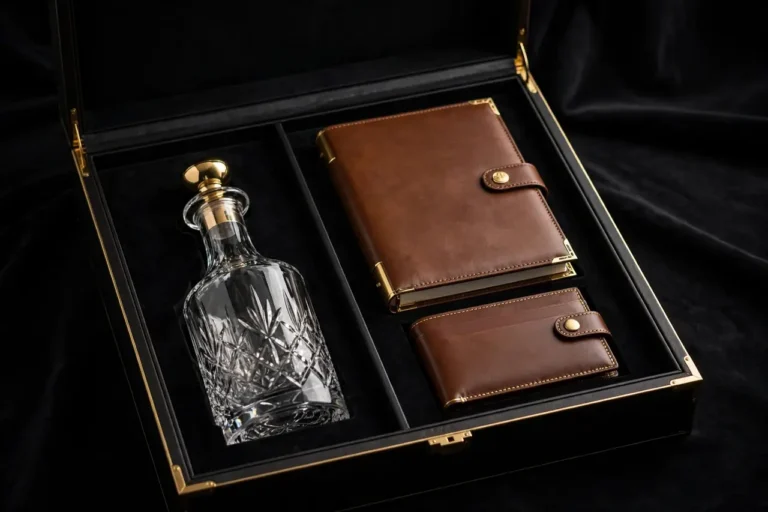
- Personalized thank-you gifts. Not swag — genuinely personal gifts reflecting what you know about the customer. The thought is the message.
- Anniversary rebate. A meaningful account credit or rebate for long-tenured customers. Money talks, especially when framed as shared success.
- Referral reward doubling. Double referral bonuses during the anniversary period. It thanks existing advocates while acquiring new customers.
- Customer story features. Professionally produce and publish the stories of remarkable customers. Being featured is an honor money cannot buy.
Community and Celebration (18–25)
- Customer appreciation festival. An open-air celebration with food, music, activities, and the whole customer community. Scale the gratitude publicly.
- Thank-you video premiere. A heartfelt video featuring the team thanking customers by name, premiered at the event and shared afterward.
- Charity event in customers’ honor. A fundraiser or service project dedicated to the customers — “this exists because of you.” Shared purpose deepens bonds.
- Customer advisory celebration. Convene top customers for a feedback session framed as a VIP honor. Insight for you, importance for them.
- Milestone party for customers. A full party where customers are the guests of honor — not an audience, the reason.
- Surprise-and-delight week. Seven days of unannounced perks: free upgrades, treats, personal notes. Sustained delight beats a single gesture.
- Anniversary open house for customers. The doors-open format dedicated entirely to the customer community, with tours, demos, and hospitality.
- The gratitude gala. A beautiful evening event — dinner, entertainment, awards — with every element designed to say one thing: thank you.
Watch: How a Client Appreciation Party Grows a Business
Appreciation is not just nice — it is strategic. This video explores the client appreciation party format: why celebrating customers separately from the holiday rush works, how recognition events deepen loyalty, and why the businesses that thank best keep best:
Planning the Perfect Appreciation Event: The Tiered Approach
Not all customers are equal, and appreciation should reflect that honestly. A tiered approach lets you honor everyone appropriately without bankrupting the budget or diluting the top tier’s exclusivity:
| Tier | Who | Appreciation Level | Example |
|---|---|---|---|
| Inner circle | Top 20–50 by tenure or value | Intimate, personal, high-touch | Founder’s dinner; personalized gifts; permanent VIP status |
| Loyal core | Next 200–500 regulars | Exclusive event, genuine recognition | VIP preview night; awards; surprise upgrades |
| Valued many | All other customers | Warm, inclusive celebration | Open-house festival; thank-you week; special offers |
| Community | Prospects, neighbors, public | Welcoming, brand-building | Public open house; social campaign; press |
The tiers can share a date or span a week — many businesses run the founder’s dinner on Thursday, the VIP night on Friday, and the public festival on Saturday. The sequencing itself tells a story: the closest relationships honored first, the widest circle welcomed last. And crucially, nobody in a lower tier should feel slighted — each tier’s experience should feel complete and generous on its own terms.
Personalization at Scale
The difference between appreciation that lands and appreciation that feels corporate is specificity. “Thanks for your loyalty” is wallpaper; “Thanks for trusting us with the Henderson project when we were just starting out — it changed our business” is unforgettable. Build personalization into the planning: pull one specific memory, milestone, or detail for every inner-circle guest. For the loyal core, segment by something real — tenure, neighborhood, product line — and tailor the recognition accordingly.
Operationalize it. Create a simple dossier for VIP guests: name, photo (for greeters), tenure, key facts, and the specific thank-you. Brief every staff member who will interact with them. The founder should know three things about every inner-circle guest before the evening begins. This level of preparation is invisible when done right — guests simply feel profoundly, inexplicably well cared for. That feeling is the entire product.

The Psychology of Gratitude That Retains
Not all thank-yous are equal. Research on gratitude and loyalty points to specific principles that separate appreciation that retains from appreciation that is merely pleasant:
- Specificity beats generality. Name what the customer actually did and what it meant. Vague thanks feel mass-produced; specific thanks feel personal.
- Effort signals sincerity. A handwritten note outperforms an expensive generic gift because the effort is visible. Customers calibrate sincerity by cost-to-you, not price tag.
- Public recognition amplifies. Thanking someone in front of peers multiplies the emotional impact — and witnesses become aspirational future honorees.
- Surprise outperforms schedule. Unexpected appreciation delights; expected appreciation is merely received. Build surprise into the plan.
- Reciprocity is real. Genuine generosity triggers genuine loyalty — not as manipulation, but as human nature. Give without keeping score.
- Consistency compounds. One grand gesture impresses; steady small kindnesses retain. The anniversary event should launch ongoing appreciation, not substitute for it.
Appreciation Beyond the Event: The Year-Round System
The anniversary appreciation event should be the flagship of a year-round system, not a one-off. Design the ongoing program now, while gratitude is top of mind:
- Tenure milestones. Recognize customer anniversaries automatically — 1 year, 5 years, 10 years as your customer. A simple acknowledgment on their anniversary with you costs nothing and means everything.
- Surprise-and-delight budget. Give frontline staff a monthly discretionary budget for spontaneous customer kindness. Empowered teams create legendary moments.
- Feedback loops that close. When customers give feedback, tell them what changed because of it. Being heard is a form of appreciation most businesses never deliver.
- Referral recognition. Thank referrers personally and immediately, every time. Referrals are the highest compliment a business receives; treat them accordingly.
- Life-event acknowledgment. Note the human milestones — a customer’s new baby, new location, big win — and acknowledge them. Businesses that see customers as people earn loyalty that transcends transactions.
Making Every Guest Feel Like the Guest of Honor
The paradox of appreciation events: every guest should feel singularly valued, even in a room of hundreds. Achieve it through systems, not just sincerity. Greeters who know names (photo dossiers at the door). Seating that places each VIP near someone who genuinely appreciates them. A personal word from the founder for every inner-circle guest — even 60 seconds, even brief, the direct contact matters enormously. And the follow-up: a handwritten note referencing something specific from the evening, sent within days.
For the broader audience, create moments of individual recognition within the group experience: the awards with real stories, the thank-you video that names names, the toast that singles out specific contributions. People do not need to be the only honoree; they need to feel seen. The events that fail at this feel like marketing; the ones that succeed feel like family reunions. The difference is always specificity.

Appreciation Event Mistakes to Avoid
- Making it a sales pitch. The fastest way to destroy gratitude’s power. If guests feel ambushed by offers, the appreciation reads as manipulation. Celebrate first; any commercial element must be gentle and secondary.
- Generic everything. Mass-produced thanks, interchangeable gifts, and scripted speeches signal that the appreciation is a program, not a feeling. Specificity is non-negotiable.
- Forgetting the quiet loyalists. The loudest customers are not always the most loyal. Mine the data for tenure and consistency, not just volume — the quiet decade-long customer deserves the front row.
- Under-inviting. Nothing damages a relationship like learning others were thanked and you were not. When in doubt, widen the circle.
- No follow-up. The event opens the emotional door; the follow-up walks through it. Notes, photos, and continued recognition in the weeks after determine whether the glow lasts.
- One-and-done thinking. An annual appreciation event with no year-round system feels performative. Launch the ongoing program at the event itself.
- Measuring nothing. Appreciation deserves the same accountability as any investment. Track retention, referrals, and sentiment — then improve next year.
Measuring Appreciation ROI
| Metric | How to Track | What Good Looks Like |
|---|---|---|
| Retention lift | Cohort repeat-purchase rates, 90 days before vs. after | 5–15 point improvement among attendees |
| Referral volume | Referral codes or “how did you hear” tracking | 2–3× normal referral rate for 60 days |
| Share of wallet | Average order value / purchase frequency | 10–20% lift among attendees |
| Reviews & advocacy | Review count; social mentions; testimonials | 30–100 new reviews; surge in tagged content |
| Sentiment | Post-event survey; NPS delta | NPS +10 or more among attendees |
| Reactivation | Dormant customers attending and purchasing | 15–25% of dormant attendees reactivate |
The follow-up discipline determines how much of this value materializes. Networking effectively after the event — personal notes, not mass emails — converts warm feelings into durable relationships. And every meaningful new connection deserves the kind of follow-through covered in follow-up email best practices.
Your Customer Appreciation Event Checklist
- Segment customers into tiers; build the guest lists with data, not guesswork.
- Choose the format(s): intimate dinner, VIP night, public festival — or the sequence.
- Design for specificity: dossiers, personal details, tailored recognition.
- Plan the program around gratitude’s psychology: surprise, specificity, sincerity.
- Brief the team on guests, messages, and the spirit of the evening.
- Capture everything: photos, videos, testimonials, contacts.
- Execute with warmth; the founder visible and genuinely grateful.
- Follow up within 48 hours: notes, photos, review requests.
- Launch the year-round appreciation system at the event.
- Measure retention, referrals, and sentiment; debrief and improve.
The Appreciation Event Timeline: 8 Weeks to Flawless
Appreciation events reward the same planning discipline as any major campaign. Eight weeks is the comfortable runway:
- Weeks 8–7: Strategy. Segment the customer tiers, set the budget per tier, choose the format sequence, and assign owners. Pull the data: tenure, value, referrals — the guest lists must be data-driven.
- Weeks 6–5: Booking and dossiers. Confirm venue, catering, and entertainment. Begin building VIP dossiers: names, photos, tenures, personal details, specific thank-yous. This research is the event’s secret weapon.
- Weeks 4–3: Invitations. Inner circle gets personal outreach (calls, handwritten notes); broader tiers get beautiful invitations. Launch the internal briefing so the team understands the spirit, not just the logistics.
- Weeks 2–1: Content and rehearsal. Produce the thank-you video, finalize awards and speeches, confirm every vendor in writing, and rehearse the program. Brief greeters with the photo dossiers.
- Event week: Execute. Final walkthrough, founder briefing on VIP details, and then the celebration itself — with the team hosting actively, not hiding behind the bar.
- After: Follow through. 48-hour thank-yous, photo galleries, review requests, and the launch of the year-round appreciation system. The event is the beginning of the rhythm, not the end of the effort.
When Appreciation Goes Wrong: Cautionary Tales
The road to appreciation disasters is paved with good intentions. The classic failure: the “appreciation event” that is transparently a sales seminar — guests arrive to gratitude and find a pitch deck, and the betrayal poisons the relationship permanently. Another: the tiered event where lower-tier guests discover the VIP treatment upstairs — secrecy about tiers matters; every tier must feel complete, never second-class.
Then there is the generic trap: hundreds of identical gift bags, a scripted speech, and no personal moment for anyone. Guests leave with swag and no feeling — worse than no event at all, because it proves the company does not actually know them. And the forgotten follow-up: a beautiful evening followed by silence, which teaches customers the appreciation was theater. The antidote to every failure mode is the same: specificity, sincerity, and sustained attention after the lights go down. Appreciation is not an event; it is a practice with an annual flagship.
The Thank-You Note Clinic: Writing Notes People Keep
The handwritten note is the atomic unit of customer appreciation — cheap, personal, and disproportionately powerful. But most business thank-you notes fail from vagueness. The formula that works: one specific memory, one concrete impact, one forward look. “Thank you for trusting us with the Henderson rollout in 2019 — it was our biggest project that year, and delivering it well is what let us hire our next five people. Here’s to the next decade together.” Three sentences, utterly specific, impossible to mass-produce.
Write notes for the inner circle personally — the founder’s handwriting, no assistants. For the broader tiers, a signed card with one genuine sentence beats a printed letter every time. Time the delivery: notes arriving the week after the event extend the glow; notes arriving months later, referencing the anniversary, create a second moment of delight. And keep copies (or photos) of what you wrote — not for marketing, but for memory. Years from now, those notes are the archive of relationships that built the business, and re-reading them will remind you exactly why the appreciation was real.
Measuring the Real ROI of Customer Appreciation Events
Appreciation events feel good, but smart businesses also measure them. Start with the soft metrics that matter most: post-event survey scores, thank-you replies, and social mentions. A simple one-question survey — “How valued do you feel as our customer?” — gives you a baseline to beat next year and language to share with your team.
Then track the hard numbers. Compare purchase frequency and average order value for attendees versus non-attendees in the 90 days after the event. Most businesses find that attendees buy more, refer more, and churn less — and that gap is the event’s return on investment. Pull the data from your CRM or POS system; you do not need fancy analytics, just two groups and one quarter.
Do not forget referrals. Ask new customers how they heard about you, and tag those who came through event attendees. A single appreciation event can seed a referral chain that pays dividends for years, and those second-order customers are often your most loyal.
Finally, report the results to your team. When employees see that appreciation drives retention and revenue, they bring more energy to the next celebration — and a team that believes in gratitude creates customers who believe in you. Measurement turns a nice gesture into a growth strategy.
Frequently Asked Questions
What is the difference between a customer appreciation event and a regular anniversary party?
Focus and intent. A regular anniversary party celebrates the company with customers invited; a customer appreciation event celebrates the customers with the anniversary as the occasion. The programming, speeches, and recognition all center the customer relationship rather than company achievements. Guests should leave feeling honored, not just entertained.
How much should we spend on a customer appreciation event?
Scale to customer value: the inner circle warrants real investment (fine dinner, personal gifts), the broader event should feel generous but sustainable. A useful rule: the event budget should be a fraction of one year’s profit from the invited cohort — appreciation that costs less than the churn it prevents is always a good investment. Most businesses spend $50–$300 per inner-circle guest and $15–$50 per general attendee.
How do we choose which customers to invite?
Use data, not memory: rank by tenure, lifetime value, and referral activity — then adjust for the quiet loyalists the data might undervalue (consistent small purchasers, early believers). When borderline, include rather than exclude; the cost of an extra guest is trivial compared to the cost of a slighted relationship.
Should we give gifts? What kind?
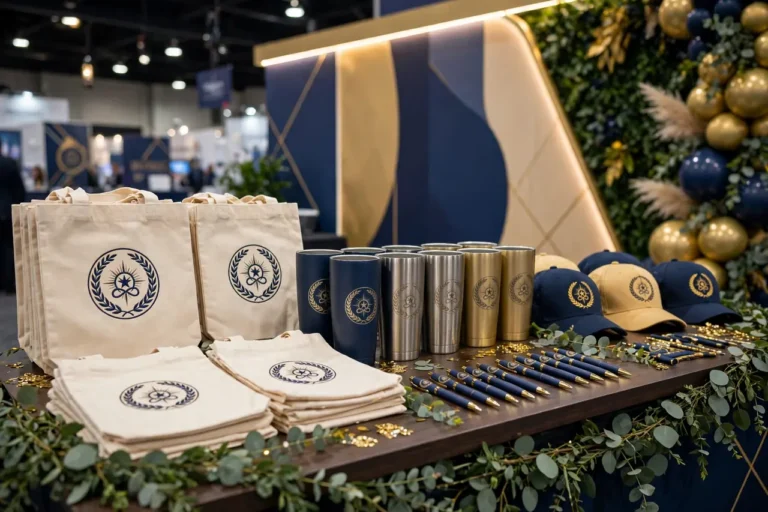
Yes — but make them personal, not promotional. The best appreciation gifts reflect knowledge of the recipient: their interests, their history with you, something they would actually want. Branded swag is fine as a supplement, never as the gift. And always include a handwritten note; the note is remembered longer than the object.
Is it okay to include a sales offer at an appreciation event?
Gently, and only as a secondary element. An exclusive anniversary offer framed as a gift (“our birthday treat for you”) is welcome; a sales presentation disguised as appreciation is poisonous. The rule: if removing the offer would not diminish the event, it is appropriately secondary. If the event exists to deliver the offer, it is not appreciation.
How do we appreciate customers we have never met (online businesses)?
The same principles apply digitally: personalized video messages, surprise upgrades, handwritten cards shipped with orders, exclusive virtual events, and public recognition on your channels. E-commerce businesses can also create unboxing moments — an unexpected anniversary gift in the package. Distance does not diminish gratitude’s mechanics; specificity and surprise work through screens and shipping boxes alike.
What if a key customer cannot attend?
Honor them anyway — publicly if appropriate (“we missed you”), and personally with a dedicated gesture: a personal call from the founder, a shipped gift with a handwritten note, or a private make-up experience. Absent VIPs who feel remembered become even more loyal; absent VIPs who feel forgotten become flight risks. The follow-up matters as much as the invitation.
How do we measure whether appreciation worked?
Track the retention metrics that matter: repeat purchase rates among attendees versus non-attendees, referral volume in the 60 days after, NPS movement, and reactivation of dormant customers. Survey attendees on sentiment directly. Appreciation is an investment — measure it like one, and let the data refine next year’s event.
Should employees attend the customer appreciation event?
Yes — selectively and purposefully. The team members customers know and love should be present and introduced; their presence personalizes the business. But this is not a staff party: keep the team footprint modest, brief everyone on their hosting role, and ensure the spotlight stays on customers. A good ratio is one host per 10–15 guests.
How often should we run appreciation events beyond the anniversary?
The anniversary is the flagship; supplement it with lighter touches year-round: tenure acknowledgments, surprise-and-delight moments, holiday gratitude, and referral recognition. Two to four smaller appreciation moments per year plus the anniversary flagship creates a rhythm of gratitude that competitors cannot easily replicate. Consistency is the moat.
The Bottom Line
Customers stay where they feel known, valued, and genuinely appreciated — and an anniversary gives you the perfect occasion to prove all three at scale. Design the event around specificity rather than spectacle: name names, tell true stories, give real gifts, and follow up like the relationships matter — because they are the business. The companies that thank best keep best, and the anniversary appreciation event is where that truth becomes visible to everyone. Throw the party. Mean every word of it. Then keep thanking them all year long — because loyalty like theirs is rare, precious, and worth celebrating every single day.