Best Museums to Visit in Austin: 12 Must-See Institutions
Austin’s museum scene is as eclectic as the city itself: Texas history told with swagger, world-class art on the UT campus, a presidential library, quirky house museums, and contemporary art that keeps Austin weird. The best museums to visit in Austin reflect the city’s personality — smart, creative, unpretentious, and deeply Texan.
This guide rounds up the 12 museums most worth your time across Austin. We judged on collection quality, exhibit design, educational value, and overall visitor experience. From the Capitol area to Hyde Park, start here.
How We Chose the Best Museums in Austin
Austin’s museums range from major institutions to charming house museums, so we set a high bar. Every spot earned its place through the quality of its collections, exhibits, and visitor experience. We factored in real visitor feedback, educational value, and that essential Austin character.
Admission prices below are typical adult rates; many museums offer discounts. $ means under $15, $$ means $15–$25, and $$$ means $25 and up. Several Austin museums are free — we have noted those.
1. Bullock Texas State History Museum — Downtown
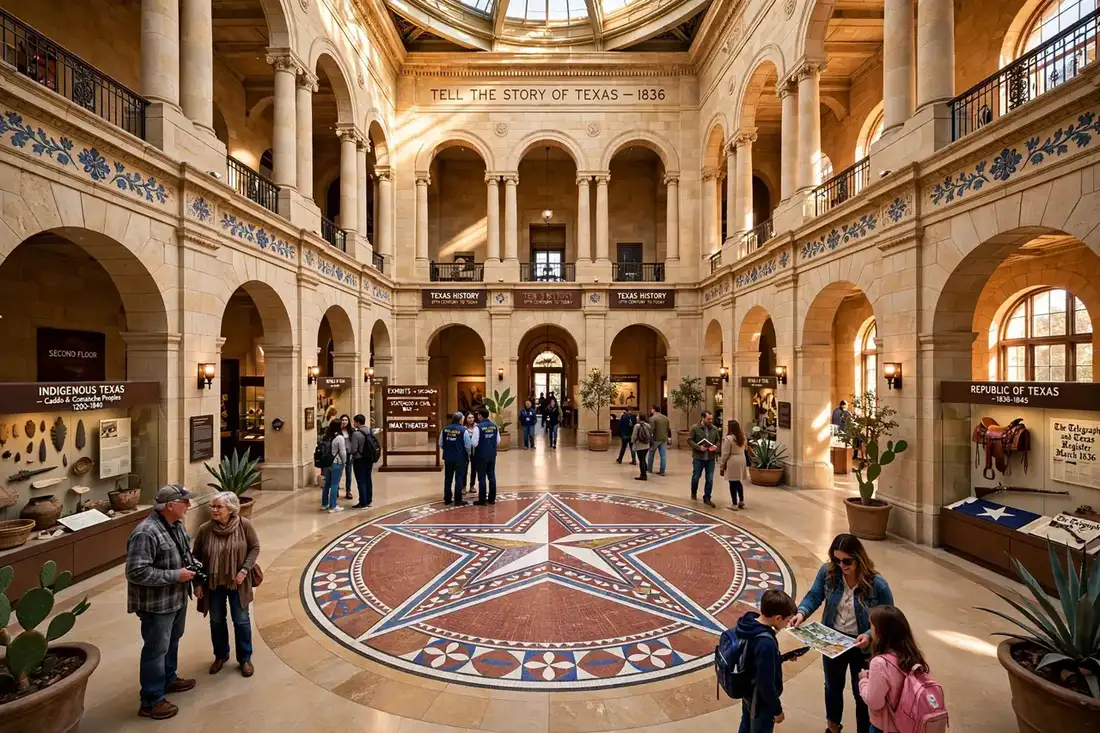
The Bullock Texas State History Museum tells the story of Texas with blockbuster energy: three floors of exhibits from prehistory through the oil boom, an IMAX theater, and the state’s most comprehensive historical collection. The “Spirit of Texas” is the theme, and the museum delivers it with multimedia flair.
The exhibits are engaging and well-produced — Texas history is inherently dramatic, and the Bullock knows how to tell it. The IMAX documentaries are excellent. It is the best single place to understand the Texas story, from Spanish missions to Silicon Hills.
Go for the essential Texas history experience. Allow 2–3 hours. The downtown location pairs with the Capitol. A must for understanding the state. Price: $$.
The Bullock Texas State History Museum tells the story of Texas with blockbuster energy — three floors of exhibits from prehistory through the oil boom to the tech era, an IMAX theater, and the state’s most comprehensive historical collection. The ‘Spirit of Texas’ is the theme, and the museum delivers it with multimedia flair that makes history exciting. The exhibits are engaging and well-produced — Texas history is inherently dramatic, from Spanish missions to the Alamo to the oil gushers, and the Bullock knows how to tell it. The IMAX documentaries are excellent, with Texas stories on the giant screen. The museum covers the full sweep: Native American heritage, Spanish colonization, the Republic, statehood, the Civil War, cattle drives, oil, and modern Texas. It is the best single place to understand the Texas story. For the essential Texas history experience, this is it. Allow 2–3 hours. The downtown location pairs with the Capitol — do both. A must for understanding the state.
2. Blanton Museum of Art — UT Campus
The Blanton Museum of Art is one of the great university art museums: 21,000+ works with particular strength in Latin American art, European old masters, and modern/contemporary. The Ellsworth Kelly chapel (“Austin”) — a standalone stone building with colored-glass windows — is a transcendent experience.
The Latin American collection is among the best in the country, and the Kelly chapel alone justifies the visit — it is a secular spiritual space of extraordinary beauty. The museum is active, with strong programming and a beautiful building. Admission is refreshingly affordable.
Go for the art, the Kelly chapel, and the Latin American holdings. The UT campus setting is lovely. Do not miss “Austin” — it is unforgettable. Price: $.
The Blanton Museum of Art is one of the great university art museums — 21,000+ works with particular strength in Latin American art, European old masters, and modern/contemporary. The Ellsworth Kelly chapel (‘Austin’) — a standalone stone building with luminous colored-glass windows — is a transcendent experience that alone justifies the visit. The Latin American collection is among the best in the country, offering depth and breadth that rivals dedicated museums. The European paintings include significant old masters, and the modern/contemporary holdings are strong. The Kelly chapel is the crown jewel: a secular spiritual space of extraordinary beauty, where light through colored glass creates an atmosphere of profound calm. The museum is active, with strong programming, and the building is beautiful. Admission is refreshingly affordable. For the art, the Kelly chapel, and the Latin American holdings, the Blanton is essential. The UT campus setting is lovely. Do not miss ‘Austin’ — it is unforgettable.
3. LBJ Presidential Library & Museum — UT Campus
The LBJ Presidential Library & Museum is one of the great presidential libraries: the story of Lyndon Johnson, from Texas Hill Country to the Great Society to Vietnam. The exhibits are substantive and honest — including the difficult chapters — with a replica Oval Office and the presidential limousine.
The library does not shy away from complexity: civil rights triumphs alongside Vietnam tragedy. The archives are a scholar’s treasure. The building itself — a striking modernist monolith — is an Austin landmark. It is a serious, rewarding visit.
Go for presidential history and the Great Society story. Allow 2–3 hours. The UT campus location pairs with the Blanton. A top-tier presidential library. Price: $$.
The LBJ Presidential Library & Museum is one of the great presidential libraries — the story of Lyndon Johnson, from Texas Hill Country to the Great Society to Vietnam, told with substance and honesty. The exhibits are substantive and do not shy away from complexity: the triumphs of civil rights legislation alongside the tragedy of Vietnam. The museum features a replica Oval Office, the presidential limousine, and immersive exhibits on the 1960s. The archives are a scholar’s treasure, documenting one of America’s most consequential presidencies. The building itself — a striking modernist monolith — is an Austin landmark. The library captures LBJ’s outsized personality and the tumultuous era he led. It is a serious, rewarding visit that grapples with difficult history. For presidential history and the Great Society story, it is top-tier. Allow 2–3 hours. The UT campus location pairs with the Blanton — do both. A must for history buffs.
4. Thinkery — Mueller
Thinkery is Austin’s children’s museum: hands-on STEM exhibits, creative play spaces, and programming that makes learning joyful. The museum serves kids through joyful exploration — water play, building zones, art studios, and outdoor areas.
The exhibits are well-designed and the staff is excellent — this is a children’s museum done right. The Mueller location is family-friendly, with parks nearby. It is clean, engaging, and endlessly re-visitable for Austin families.
Go for kids, hands-on learning, and family days. Check the program schedule — workshops and events add value. A must for Austin families with young children. Price: $$.
Thinkery is Austin’s children’s museum — hands-on STEM exhibits, creative play spaces, and programming that makes learning joyful for kids. The museum serves children through joyful exploration: water play areas, building zones, art studios, and outdoor spaces that encourage discovery. The exhibits are well-designed and the staff are excellent — this is a children’s museum done right, with thoughtful curation for different age groups. The programming is strong, with workshops, story times, and special events that add value. The Mueller location is family-friendly, with parks nearby for extending the outing. It is clean, engaging, and endlessly re-visitable for Austin families — kids discover something new each time. For kids, hands-on learning, and family days, Thinkery is essential. Check the program schedule — workshops and events add significant value. A must for Austin families with young children.
5. Mexic-Arte Museum — Downtown
The Mexic-Arte Museum is Austin’s Mexican and Latin American art museum: contemporary and traditional works celebrating Mexican, Latino, and Latin American culture. The Day of the Dead exhibitions are legendary, and the permanent collection is rich.
The museum is a cultural anchor for Austin’s Latino community and a vital artistic voice. The exhibitions are vibrant, political, and beautiful. The downtown location on Congress is convenient. It offers a perspective essential to understanding Austin.
Go for Latin American art, Day of the Dead season (fall), and cultural depth. The exhibitions rotate — check the schedule. An important Austin institution. Price: $.
The Mexic-Arte Museum is Austin’s Mexican and Latin American art museum — contemporary and traditional works celebrating Mexican, Latino, and Latin American culture. The Day of the Dead exhibitions are legendary, drawing crowds for the vibrant ofrendas and celebrations. The permanent collection is rich, spanning folk art to contemporary painting. The museum is a cultural anchor for Austin’s Latino community and a vital artistic voice in the city. The exhibitions are vibrant, political, and beautiful — reflecting the lived experience of Mexican-American culture. The downtown location on Congress Avenue is convenient. It offers a perspective essential to understanding Austin’s multicultural identity. For Latin American art, Day of the Dead season (fall), and cultural depth, Mexic-Arte is important. The exhibitions rotate — check the schedule. An important Austin institution that deserves wider recognition.
6. Umlauf Sculpture Garden & Museum — Zilker
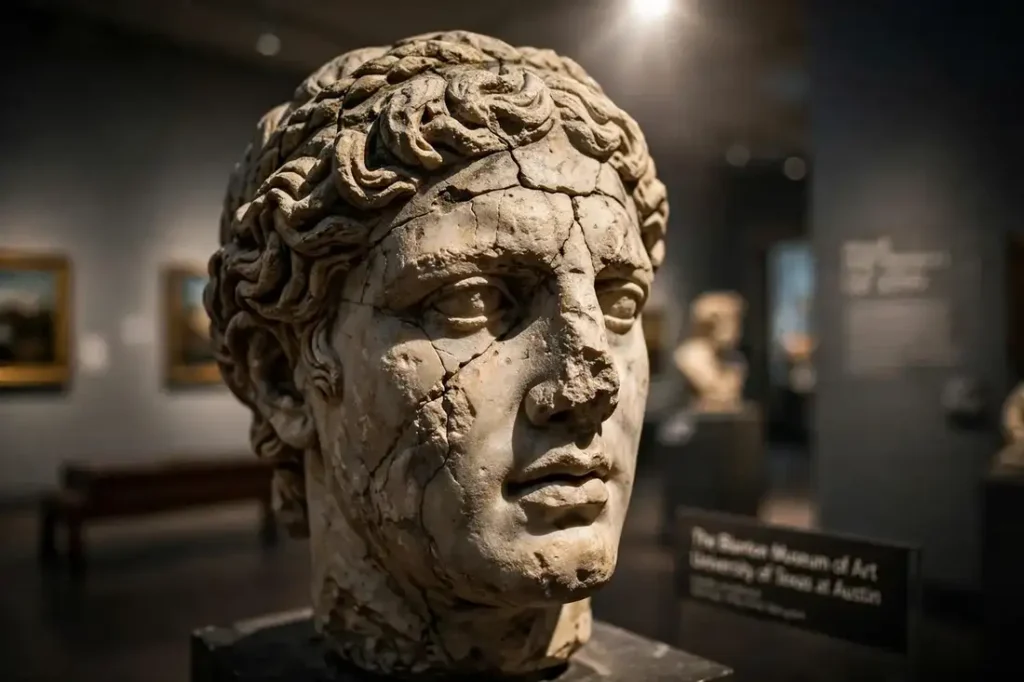
The Umlauf Sculpture Garden & Museum honors sculptor Charles Umlauf: his home, studio, and a lush garden filled with his works. The setting — a shady, tranquil garden near Zilker Park — is magical, and the sculptures are beautiful.
The garden is the star: winding paths, mature trees, and sculptures at every turn. It is peaceful, romantic, and photogenic. The museum offers insight into Umlauf’s process. It is a hidden gem that feels like a secret.
Go for the garden tranquility, sculpture lovers, and a peaceful escape. Combine it with Zilker Park. The monthly “Umlauf After Dark” events are lovely. Price: $.
The Umlauf Sculpture Garden & Museum honors sculptor Charles Umlauf — his home, studio, and a lush garden filled with his works. The setting is magical: a shady, tranquil garden near Zilker Park, with winding paths, mature trees, and sculptures at every turn. The garden is the star — peaceful, romantic, and photogenic, offering a serene escape from the city. The sculptures are beautiful, ranging from expressive figures to abstract forms. The museum offers insight into Umlauf’s process, with his studio preserved. It is a hidden gem that feels like a secret — many Austinites do not know it exists. The monthly ‘Umlauf After Dark’ events are lovely, with the garden illuminated. For the garden tranquility, sculpture lovers, and a peaceful escape, the Umlauf is perfect. Combine it with Zilker Park for a full outing. A tranquil treasure.
7. Harry Ransom Center — UT Campus
The Harry Ransom Center is a humanities research library and museum: home to a Gutenberg Bible, the world’s first photograph, Frida Kahlo paintings, and vast literary archives. The public exhibitions draw from these treasures — always fascinating, always free.
The exhibitions are scholarly but accessible — recent shows have covered everything from literature to film to photography. The permanent treasures (Gutenberg, Niépce’s photograph) are mind-blowing to see in person. And it is free.
Go for literary and cultural treasures, free exhibitions, and the Gutenberg Bible. The UT campus location pairs with the Blanton and LBJ Library. A scholar’s delight. Price: Free.
The Harry Ransom Center is a humanities research library and museum — home to a Gutenberg Bible, the world’s first photograph (Niépce’s heliograph), Frida Kahlo paintings, and vast literary archives spanning centuries. The public exhibitions draw from these treasures, offering fascinating shows on literature, film, photography, and culture. The exhibitions are scholarly but accessible — recent shows have covered everything from classic literature to cinema history. The permanent treasures are mind-blowing to see in person: the Gutenberg Bible (one of the most important books ever printed) and the first photograph (a blurry but miraculous image from 1826). And it is free — one of Austin’s great cultural bargains. For literary and cultural treasures, free exhibitions, and the Gutenberg Bible, the Ransom Center is a delight. The UT campus location pairs with the Blanton and LBJ Library. A scholar’s paradise.
8. Texas Memorial Museum — UT Campus
The Texas Memorial Museum is UT’s natural history museum: dinosaurs, Texas wildlife, gems and minerals, and paleontology. It is a classic natural history museum — earnest, educational, and beloved by generations of Texas schoolchildren.
The exhibits are traditional but solid, with good dinosaur specimens and Texas-focused natural history. It is affordable and kid-friendly. For UT campus museum-hopping, it rounds out the Blanton and Ransom Center nicely.
Go for dinosaurs, natural history, and affordable family outings. The campus cluster (Blanton, Ransom, Texas Memorial, LBJ) makes a full museum day. Price: $.
The Texas Memorial Museum is UT’s natural history museum — dinosaurs, Texas wildlife, gems and minerals, and paleontology exhibits. It is a classic natural history museum: earnest, educational, and beloved by generations of Texas schoolchildren who visited on field trips. The exhibits are traditional but solid, with good dinosaur specimens that thrill kids and Texas-focused natural history that educates. The gem and mineral collection sparkles. It is affordable and kid-friendly, making it a great family outing. For UT campus museum-hopping, it rounds out the Blanton and Ransom Center nicely — art, literature, and natural history in one area. The museum has a nostalgic charm that newer institutions lack. For dinosaurs, natural history, and affordable family outings, it delivers. The campus cluster (Blanton, Ransom, Texas Memorial, LBJ) makes a full museum day. A classic.
9. The Contemporary Austin — Downtown & Laguna Gloria
The Contemporary Austin operates two sites: the downtown Jones Center (rotating contemporary exhibitions) and Laguna Gloria (a 14-acre lakeside sculpture park and historic villa). Together they offer Austin’s best contemporary art experience.
Laguna Gloria is the highlight — sculptures along Lake Austin, the historic Driscoll Villa, and art-school energy. The downtown Jones Center hosts strong rotating shows. The combination of urban gallery and lakeside sculpture park is unique.
Go for contemporary art and the Laguna Gloria sculpture park. The lakeside setting is gorgeous — pack a picnic. Check both locations’ schedules. Price: $$.
The Contemporary Austin operates two sites: the downtown Jones Center (rotating contemporary exhibitions) and Laguna Gloria (a 14-acre lakeside sculpture park and historic villa). Together they offer Austin’s best contemporary art experience. Laguna Gloria is the highlight — sculptures along the Lake Austin shoreline, the historic Driscoll Villa, art-school energy, and peacocks roaming the grounds. The downtown Jones Center hosts strong rotating shows of contemporary artists. The combination of urban gallery and lakeside sculpture park is unique — you get white-cube exhibitions and outdoor art in one institution. The sculpture park is gorgeous — pack a picnic and wander among the works. For contemporary art and the Laguna Gloria sculpture park, The Contemporary is essential. Check both locations’ schedules — they offer different experiences. A vital Austin art institution.
10. Neill-Cochran House Museum — West Campus
The Neill-Cochran House Museum is Austin’s historic house: an 1855 Greek Revival mansion, one of the city’s oldest surviving buildings. The house museum preserves Austin’s early history with period furnishings and exhibits on the city’s development.
The house is beautiful and the history is fascinating — Austin’s frontier days feel tangible here. The grounds host events and the museum offers a quiet, reflective experience. It is a window into a vanished Austin.
Go for historic architecture, early Austin history, and a peaceful visit. The West Campus location is convenient. A charming hidden gem. Price: $.
The Neill-Cochran House Museum is Austin’s historic house — an 1855 Greek Revival mansion, one of the city’s oldest surviving buildings. The house museum preserves Austin’s early history with period furnishings and exhibits on the city’s development from frontier town to capital. The house is beautiful, with classic Greek Revival architecture, and the history is fascinating — Austin’s frontier days feel tangible here. The grounds host events and the museum offers a quiet, reflective experience away from the downtown hustle. It is a window into a vanished Austin, when the city was a rough frontier settlement. The West Campus location is convenient. For historic architecture, early Austin history, and a peaceful visit, the Neill-Cochran House is charming. A hidden gem that rewards the curious. The guided tours bring the history to life.

11. Elisabet Ney Museum — Hyde Park
The Elisabet Ney Museum is the former studio of sculptor Elisabet Ney: a historic limestone building in Hyde Park housing her works and preserved studio. Ney — a 19th-century sculptor who created statues of Texas heroes — is a fascinating figure, and the museum preserves her world.
The studio is evocative — you can feel the artistic presence. The sculptures are impressive, and Ney’s story (a European artist who chose Texas) is compelling. The Hyde Park setting is charming. It is free and wonderfully uncrowded.
Go for art history, a free hidden gem, and Hyde Park charm. The studio atmosphere is the draw. A uniquely Austin experience. Price: Free.
The Elisabet Ney Museum is the former studio of sculptor Elisabet Ney — a historic limestone building in Hyde Park housing her works and preserved studio. Ney, a 19th-century German sculptor who created statues of Texas heroes (including Stephen F. Austin and Sam Houston for the Capitol), is a fascinating figure, and the museum preserves her world. The studio is evocative — you can feel the artistic presence in the space where she worked. The sculptures are impressive, showcasing her skill and the neoclassical style. Ney’s story (a European artist who chose Texas, living unconventionally) is compelling. The Hyde Park setting is charming, in one of Austin’s most historic neighborhoods. It is free and wonderfully uncrowded. For art history, a free hidden gem, and Hyde Park charm, the Ney Museum is a delight. The studio atmosphere is the draw. A uniquely Austin experience.
12. O. Henry Museum — Downtown
The O. Henry Museum preserves the home of writer William Sydney Porter (O. Henry): the Queen Anne cottage where he lived in Austin. The museum celebrates the short-story master with exhibits on his life, his Austin years, and his literary legacy.
The house is charming and the literary history is engaging — O. Henry coined “the City of Austin” references that endure. The annual O. Henry Pun-Off (held nearby) is a beloved Austin tradition. It is a quick, delightful visit.
Go for literary history, a quick downtown stop, and O. Henry fans. The cottage is picturesque. Combine it with downtown exploring. Price: Free.
The O. Henry Museum preserves the home of writer William Sydney Porter (O. Henry) — the Queen Anne cottage where he lived in Austin during the 1880s. The museum celebrates the short-story master with exhibits on his life, his Austin years, and his literary legacy. The house is charming, a picturesque Victorian cottage that transports you to 1880s Austin. The literary history is engaging — O. Henry coined phrases and created characters that endure, and his Austin years shaped his writing. The annual O. Henry Pun-Off (held nearby) is a beloved Austin tradition celebrating wordplay. It is a quick, delightful visit — perfect for literature lovers. The downtown location makes it an easy stop. For literary history, a quick downtown visit, and O. Henry fans, it charms. Combine it with downtown exploring. Free and delightful.
Best Museums in Austin: At-a-Glance Comparison
| Museum | Area | Focus | Price | Best For |
|---|---|---|---|---|
| Bullock Museum | Downtown | Texas history | $$ | Texas story |
| Blanton | UT Campus | Fine art | $ | Art + Kelly chapel |
| LBJ Library | UT Campus | Presidential | $$ | History buffs |
| Thinkery | Mueller | Children’s STEM | $$ | Young families |
| Mexic-Arte | Downtown | Latin American art | $ | Cultural depth |
| Umlauf | Zilker | Sculpture garden | $ | Tranquil beauty |
| Ransom Center | UT Campus | Humanities | Free | Literary treasures |
| Texas Memorial | UT Campus | Natural history | $ | Dinosaurs |
| Contemporary Austin | Downtown/Lake | Contemporary art | $$ | Modern art |
| Neill-Cochran | West Campus | Historic house | $ | Early Austin |
| Ney Museum | Hyde Park | Sculptor studio | Free | Hidden gem |
| O. Henry | Downtown | Literary house | Free | Quick visit |
How Much Do Austin Museums Cost?
Austin is a great museum value: three museums on this list are free (Ransom Center, Ney, O. Henry), several are under $15 (Blanton, Mexic-Arte, Umlauf, Texas Memorial, Neill-Cochran), and the majors (Bullock, LBJ, Thinkery, Contemporary) run $15–$25. The UT campus cluster offers a full museum day at minimal cost.
Check for free days and student discounts. Our free museums guide covers national options, and museum visiting tips will help you plan.
Best Austin Museums for Every Interest
Best for art lovers
The Blanton (with the Kelly chapel) is essential. The Contemporary Austin (Laguna Gloria!) is the modern complement. Mexic-Arte adds vital cultural perspective.
Best for Texas history
The Bullock is the comprehensive story. The LBJ Library adds presidential depth. The Neill-Cochran House shows early Austin.
Best for families
Thinkery (hands-on STEM), the Bullock (IMAX + Texas drama), and the Texas Memorial Museum (dinosaurs). For more, see our best museums for kids.
Best free museums
The Ransom Center (Gutenberg Bible!), the Ney Museum, and the O. Henry Museum — all free, all worthwhile. See our free museums guide.
Best hidden gems
The Umlauf Sculpture Garden (tranquil beauty) and the Ney Museum (free, evocative) are the insider picks. For national context, see our best museums in the USA.
Tips for Visiting Austin Museums Like a Local
Do the UT campus cluster: Blanton, Ransom Center, Texas Memorial, and LBJ Library are all on/near campus — a full museum day, mostly affordable or free.
Do not miss the Kelly chapel: The Blanton’s “Austin” is a transcendent experience — plan time to sit in it.
Hit Laguna Gloria: The Contemporary Austin’s lakeside sculpture park is gorgeous — pack a picnic and wander.
Check free options: Three free museums plus affordable others make Austin a museum bargain. See our free museums guide.
Time the Bullock: The IMAX shows have set times — check the schedule and plan around them.
Watch: Austin’s Museum Highlights
Want a visual preview? This video tours Austin’s top museums and cultural spots:
Frequently Asked Questions About Austin Museums
What is the best museum in Austin?
The Bullock (Texas history) and the Blanton (art + Kelly chapel) are the two essentials. The LBJ Library is the third pillar.
Are there free museums in Austin?
Yes — the Harry Ransom Center, Elisabet Ney Museum, and O. Henry Museum are all free. See our free museums guide.
Which Austin museums are best for kids?
Thinkery (hands-on STEM), the Bullock (IMAX), and the Texas Memorial Museum (dinosaurs). See our best museums for kids.
What is the Ellsworth Kelly chapel?
“Austin” — a standalone stone chapel at the Blanton with luminous colored-glass windows. A secular spiritual space and an unforgettable art experience.
Can I visit multiple UT campus museums in one day?
Yes — the Blanton, Ransom Center, Texas Memorial Museum, and LBJ Library cluster on/near campus. Plan a full day.
What is the best art museum in Austin?
The Blanton Museum of Art — 21,000+ works, superb Latin American holdings, and the Kelly chapel. See our best art museums in the USA.
The Bottom Line
Austin’s museums are as distinctive as the city: Texas history with swagger, world-class art on campus, a transcendent chapel, hidden sculpture gardens, and free literary treasures. It is a museum scene with personality — and remarkable value.
Start with the essentials, then discover the gems. For more museum inspiration nationwide, browse our best museums in the USA.