Best Golf Clubs for Beginners: choosing your first set is one of the most important — and most confusing — decisions a new golfer faces. Walk into any golf shop and you will find walls of drivers, irons, and wedges at prices ranging from a couple hundred dollars to several thousand, each promising more distance and forgiveness. The truth is refreshingly simple: beginners do not need the most expensive clubs, but they do need the right kind of clubs — forgiving, properly sized, and suited to a developing swing. This buying guide cuts through the marketing to explain what actually matters: which clubs beginners need, what “game improvement” really means, new versus used, how club fitting works, and a smart buying strategy for every budget.
What Makes a Club “Beginner-Friendly”?
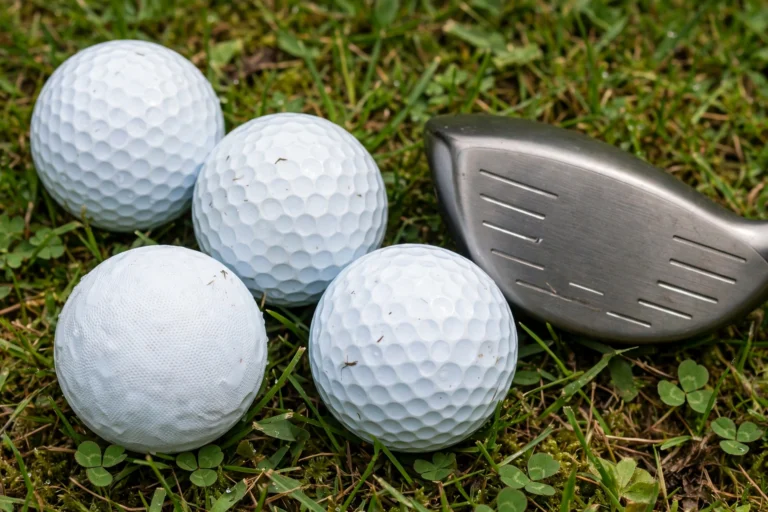
Not all golf clubs are created equal, and the differences matter most for new players. Beginner-friendly clubs — usually marketed as “game improvement” or “super game improvement” — share design features that help mishits fly straighter and farther:
- Larger clubheads with perimeter weighting. Weight pushed to the edges of the clubhead increases the moment of inertia (MOI), meaning the face twists less on off-center hits. Your mishits stay in play instead of diving into the trees.
- More loft. Higher-lofted drivers (10.5–12 degrees) and stronger-lofted irons help beginners launch the ball higher with more carry. Height equals distance for slower swing speeds.
- Wider soles. Thick-soled irons glide through turf instead of digging, turning fat shots into playable ones.
- Longer, lighter shafts. Graphite shafts in woods and hybrids (and sometimes irons) are lighter than steel, helping beginners generate clubhead speed with less effort.
- Offset hosels. The clubface sits slightly behind the shaft, giving you a fraction more time to square the face — a subtle anti-slice feature.
The opposite — “players” clubs or blades with small heads, thin soles, and minimal offset — look beautiful but punish every mishit. They are designed for golfers who strike the center of the face consistently. As a beginner, forgiveness is not a compromise; it is the correct engineering choice for your swing.
Which Clubs Do Beginners Actually Need?
You are allowed 14 clubs, but beginners should start with 8–10. A leaner set is lighter, cheaper, and — critically — forces you to learn each club’s job instead of drowning in options. Here is the ideal beginner bag:
| Club | Why a Beginner Needs It | What to Look For |
|---|---|---|
| Driver (1-wood) | Maximum distance off the tee on long holes | 10.5°–12° loft, large 460cc head, forgiving model |
| 3-wood or 5-wood | Long fairway shots; easier off the tee than driver | Shallow face, graphite shaft — many beginners prefer a 5-wood |
| Hybrid (3H/4H) | Replaces hard-to-hit long irons; the beginner’s best friend | 22°–25° loft; easy launch from any lie |
| Irons: 6, 7, 8, 9 | The core of your game — approach shots | Cavity-back, wide sole, game-improvement set |
| Pitching wedge (PW) | Short approach shots, 100 yards and in | Usually included in iron sets; 44°–46° loft |
| Sand wedge (SW) | Bunkers and short greenside shots | 54°–56° loft with bounce to glide through sand |
| Putter | Used on every hole — highest usage club in the bag | Mallet style is most forgiving for alignment |
Notice what is missing: the 3-iron, 4-iron, and 5-iron. Long irons are the hardest clubs in the bag to hit well, and modern hybrids do their job better for beginners. Many starter sets now replace long irons with hybrids by default — that is a feature, not a flaw.
New vs. Used: The Smart Beginner’s Dilemma
Here is the honest breakdown both sides deserve:
Buying New: Box Sets
Beginner box sets (a full matched set in one box) from established manufacturers typically cost $250–$500 and are the simplest path to a coherent, forgiving set. Everything matches, the lofts progress sensibly, and the clubs are designed as a system. For most beginners, a current or recent box set is the best value in golf retail. Premium individual game-improvement clubs can run far higher per club — money better saved until your swing stabilizes.
Buying Used: Maximum Value
Golf equipment depreciates fast, which is great news for buyers. Quality used game-improvement irons from 3–5 years ago often sell for a fraction of their original price while performing nearly identically for a beginner’s swing. Certified pre-owned programs from major retailers inspect and grade clubs, removing the guesswork. Thrift stores, garage sales, and online marketplaces can yield incredible finds — a $50 used set that gets you playing beats a $1,500 set gathering dust. If you go the secondhand route, our thrift store shopping tips apply perfectly to hunting golf gear: inspect grips and faces, check for shaft damage, and know the going rates before you buy.
| Option | Typical Cost | Pros | Cons |
|---|---|---|---|
| New box set | Typically $250–$500 | Matched set, warranty, latest forgiveness tech | Higher upfront cost |
| Certified pre-owned | Typically $150–$350 | Quality checked, big savings | Less selection, may need new grips |
| Used (private sale) | Typically $50–$200 | Cheapest entry point | No warranty, condition varies |
| Rentals | Typically $10–$25 per round | Zero commitment | Unfamiliar clubs each time |
Prices vary by market and condition — always verify current pricing before buying. One caution: avoid ultra-cheap no-name sets from discount outlets; inconsistent manufacturing can mean unpredictable lofts and lies that actively hinder learning. Stick to recognizable brands, even used.
Club Fitting: What Beginners Should Know
Club fitting — adjusting clubs to your body and swing — sounds like an advanced luxury, but a basic fitting matters more for beginners than almost anyone. Ill-fitting clubs force compensations that become bad habits. The good news: a beginner fitting is simple and often free with purchase.
- Length: clubs should let you address the ball with comfortable posture. Standard length fits most adults 5’7″–6’1″; outside that range, adjustments help enormously.
- Lie angle: the angle between shaft and clubhead affects direction. A quick lie-board test shows whether your irons need bending flatter or more upright.
- Shaft flex: beginners with moderate swing speeds generally fit regular or senior flex; stiffer shafts suit faster swings. The wrong flex costs distance and accuracy.
- Grip size: grips that are too small encourage overactive hands (hooks); too large restricts release (slices). Most beginners fit standard or midsize.
You do not need a $150 launch-monitor fitting on day one. But when buying, ask the shop to check your length, lie, and grip size — many retailers include this basic fitting free with a set purchase. As your swing develops over the first year or two, a full fitting becomes one of the highest-value investments you can make. Until then, standard specs with correct length and grips will serve you well.
Driver Buying Tips for Beginners
The driver gets the most attention and causes the most trouble. Shop smart:
- Choose 10.5° of loft or more. Higher loft launches the ball higher with less side spin — the two things beginners need most. Many new golfers benefit from 12°.
- Get the maximum 460cc head. Bigger head, bigger sweet spot, more forgiveness. There is no reason for a beginner to use anything smaller.
- Consider draw-biased models. Many game-improvement drivers offer draw or anti-slice weighting that helps counteract the beginner’s classic left-to-right ball flight.
- Do not overspend here. A forgiving driver from 3–4 years ago performs within a few yards of today’s model for a developing swing. Allocate savings to lessons instead.
- Tee it high and swing smooth. No driver fixes a violent swing. Tee the ball so half of it sits above the crown, and swing at 80 percent effort.
Putters: The Most Underrated Purchase
You will use your putter on every hole — roughly 36 times per round — yet beginners routinely spend the least thought on it. A putter that fits your eye and stroke is worth more than a premium driver:
- Mallet vs. blade: mallet putters (large, geometric heads) offer more forgiveness and easier alignment for beginners. Blades demand a more precise stroke.
- Length matters most: with the putter soled flat, your eyes should be roughly over the ball and your arms hanging naturally. Standard 34–35 inches fits most adults.
- Try before you buy: roll putts on the shop’s practice green with several models. The one that feels like it aims itself is the one.
- Budget generously here: a good used mallet putter ($50–$100) is one of the best values in golf — you will keep it for years.
The Beginner’s Buying Strategy: A 3-Phase Plan
Do not buy everything at once. Follow this phased approach and you will spend less while learning more:
| Phase | When | What to Buy | Budget |
|---|---|---|---|
| Phase 1: Discover | Months 1–3 | Rentals or a basic used set; glove, balls, tees | Typically $50–$200 total |
| Phase 2: Commit | Months 3–12 | New box set or quality used game-improvement set; golf shoes | Typically $250–$600 |
| Phase 3: Optimize | Year 2+ | Professional fitting; upgrade driver/putter; fill gaps (gap wedge, extra hybrid) | Typically $200–$800 as needed |
This phased plan prevents the classic beginner mistake: spending $1,500 on clubs, then discovering six months later that your swing needs different specs. Let your game tell you what to buy. And remember that gear is only part of the equation — a $300 set with five lessons will beat a $2,000 set with zero lessons every single time. Plan your purchases the way you would any seasonal spending by checking what to buy each month — golf gear often goes on sale in late fall and winter when retailers clear inventory.
Essential Accessories (and What to Skip)
| Buy Now | Buy Later | Skip for Now |
|---|---|---|
| Golf glove (1–2) | Stand bag (lightweight) | Rangefinder (use free apps) |
| Tees (assorted lengths) | Spikeless golf shoes | Swing analyzer gadgets |
| Ball markers + divot tool | Rain glove and towel | Multiple premium ball models |
| Budget golf balls (bulk) | Umbrella | Training aids (get lessons first) |
| Sunscreen + hat | Push cart | Expensive headcovers |
Online shopping for golf gear is convenient but requires care — counterfeit clubs are a real problem on marketplace sites. Buy from authorized retailers or certified pre-owned programs, and review online shopping safety tips before ordering expensive equipment from unfamiliar sellers. If a deal looks too good to be true on premium clubs, it almost certainly is.
Caring for Your Clubs: Make Them Last
- Clean grooves after every round. A wire brush and warm soapy water take two minutes and preserve spin and control. Dirty grooves cost you real performance.
- Dry everything before storage. Moisture causes rust on clubheads and rots grips. Towel clubs dry after wet rounds.
- Replace grips yearly. Worn grips force you to squeeze harder, creating tension throughout the swing. Regripping a set typically costs $5–$12 per club at a shop — cheap maintenance with outsized benefits.
- Store indoors. Trunk heat warps shafts and melts grips over time. Clubs live in the garage or closet, not the car.
- Check ferrules and heads. A loose clubhead is a safety hazard. If a head rattles or twists, stop using the club and have it re-epoxied.
Best Golf Clubs for Beginners: FAQ
How many clubs should a beginner carry?
Eight to ten is ideal: driver, fairway wood, hybrid, four irons (6–9), pitching wedge, sand wedge, and putter. Fewer clubs mean less confusion and lighter bags. You can add the remaining clubs as your game develops.
Are expensive golf clubs worth it for beginners?
No — not at first. A beginner’s swing changes rapidly, and premium clubs are engineered for consistent ball-strikers. Spend modestly on forgiving clubs and redirect the savings into lessons, which improve your game far more per dollar.
What is the best age to buy a full set?
There is no age requirement — juniors, adults, and seniors all benefit from properly fitted beginner sets. Junior golfers should use junior-specific sets (lighter, shorter) rather than cut-down adult clubs, and re-size as they grow.
Should beginners use graphite or steel shafts in irons?
Either works. Graphite is lighter and can help slower swing speeds generate more clubhead speed; steel offers more feedback and is typically cheaper. Most box sets choose for you sensibly — graphite in woods and hybrids, steel or graphite in irons.
How do I know when to upgrade my clubs?
Upgrade when your swing is consistent (you strike the center of the face regularly) and your current clubs are holding you back — typically after 1–2 years of regular play. A professional fitting at that point will tell you exactly what your swing needs.
Can I mix brands in my bag?
Absolutely. There is no rule requiring matched brands — many experienced golfers play a mixed bag optimized club by club. Beginners often start matched for simplicity, then customize as preferences emerge.
Buy Forgiveness, Not Promises
The best golf clubs for beginners are not the most expensive or the most advertised — they are the most forgiving clubs that fit your body and your budget. Start lean with 8–10 clubs, prioritize forgiveness over prestige, buy used or box sets without shame, get the basics of length and grip size checked, and spend what you save on lessons. Your clubs are tools, not talismans; the magic is in the swing you build with them. Set a sensible budget using a holiday shopping budget planner if you are buying during sale season, keep your gear clean and dry, and get fitted properly when your swing settles in year two. Do that, and your first set will carry you happily from your first topped 7-iron all the way to breaking 100 — and beyond.
Special Considerations: Left-Handed, Senior, and Junior Beginners
Standard advice assumes a right-handed adult of average height — but golf welcomes everyone, with a few adjustments:
Left-Handed Golfers
Left-handed clubs are widely available from major brands, though selection is narrower and box sets may have fewer options. The good news: left-handed used clubs are often cheaper because demand is lower. Everything in this guide applies in mirror image — and lefties should know that some instructors teach exclusively right-handed, so finding a left-handed-friendly teacher (or one comfortable mirroring demonstrations) is worth the search.
Senior Beginners
Golf is one of the best sports to start later in life, and equipment can help: lighter graphite shafts throughout the bag (including irons), higher-lofted drivers (12°+), more hybrids replacing long irons, and softer-compression balls all compensate for moderate swing speeds. Larger, softer grips ease arthritic hands. None of this is “giving up distance” — it is optimizing for the swing you have, which is exactly what fitting is for.
Junior Beginners
Kids need junior-specific sets — lighter, shorter, with flexible shafts — never cut-down adult clubs, which are too heavy and stiff and breed bad mechanics. Junior sets are sized by height rather than age; re-size as the child grows, typically every 2–3 years. The priority for juniors is fun and athletic motion, not equipment optimization — a $150 junior set and a patient instructor beat expensive gear every time.
When to Replace Your Beginner Set: 5 Signs
- You strike the center of the face consistently. When mishits become rare, you can benefit from less-forgiving, more workable clubs.
- Your swing speed has clearly increased. If your fitter-measured speed has jumped a full flex category, your shafts are holding you back.
- Distance gaps are wrong. If your 7-iron flies nearly as far as your 6-iron (or your wedges overlap), your lofts and set makeup no longer suit your swing.
- You have a consistent shot shape. Once you reliably draw or fade the ball, clubs with less offset and more workability become assets instead of liabilities.
- You are fitted and the data says so. A launch-monitor fitting showing poor launch conditions or dispersion with current clubs is the definitive signal.
For most golfers this takes 1–3 years. Do not upgrade on a schedule — upgrade on evidence. And when you do, sell or donate the beginner set: quality starter clubs are always in demand, and passing them on grows the game.
Red Flags: Clubs and Sellers to Avoid
- Counterfeit clubs on marketplace sites — misaligned logos, suspiciously low prices on current models, and sellers without history. Buy from authorized retailers.
- “Tour issue” or “prototype” listings aimed at beginners — irrelevant to your game and often fake.
- Full-price last year’s model when the new release just dropped — previous-year clubs typically discount 20–40 percent.
- Blade irons marketed to beginners — beautiful, brutal, and wrong for developing swings regardless of the sales pitch.
- Overly long drivers (46″+) sold as distance machines — longer shafts are harder to control; most beginners hit 44.5–45.5″ drivers better.