There is nothing quite like gliding across real ice under open sky — twinkle lights overhead, a mug of hot cocoa waiting at the warming hut, the city skyline or mountain peaks framing the rink. Outdoor ice skating rinks turn winter’s coldest months into its most magical, and the best ones are destinations worth traveling for: Rockefeller Center’s postage-stamp rink beneath the giant Christmas tree, a beachfront rink steps from the Pacific in Coronado, and frozen lakes in the Rockies where you skate against a backdrop of snow-covered peaks.
This guide covers twelve of America’s most spectacular outdoor ice skating rinks, what first-timers need to know (rentals, lessons, what to wear), how to skate safely on natural ice, and tips for making the most of your visit. Most seasonal rinks open around Thanksgiving and run through January or February; mountain and northern rinks often stay open into March.
Before You Go: First-Timer Essentials
Rentals and Lessons
Every rink on this list rents skates — typically $5–$15 on top of admission — and most offer beginner lessons or “learn to skate” sessions. Rentals are the right call until you skate regularly; when you do buy, get fitted at a skate shop rather than guessing sizes online. Many rinks also rent “skate aids” (those penguin or walker-style supports) that make the first hour dramatically less terrifying for kids and nervous adults. Use them shamelessly.
What to Wear
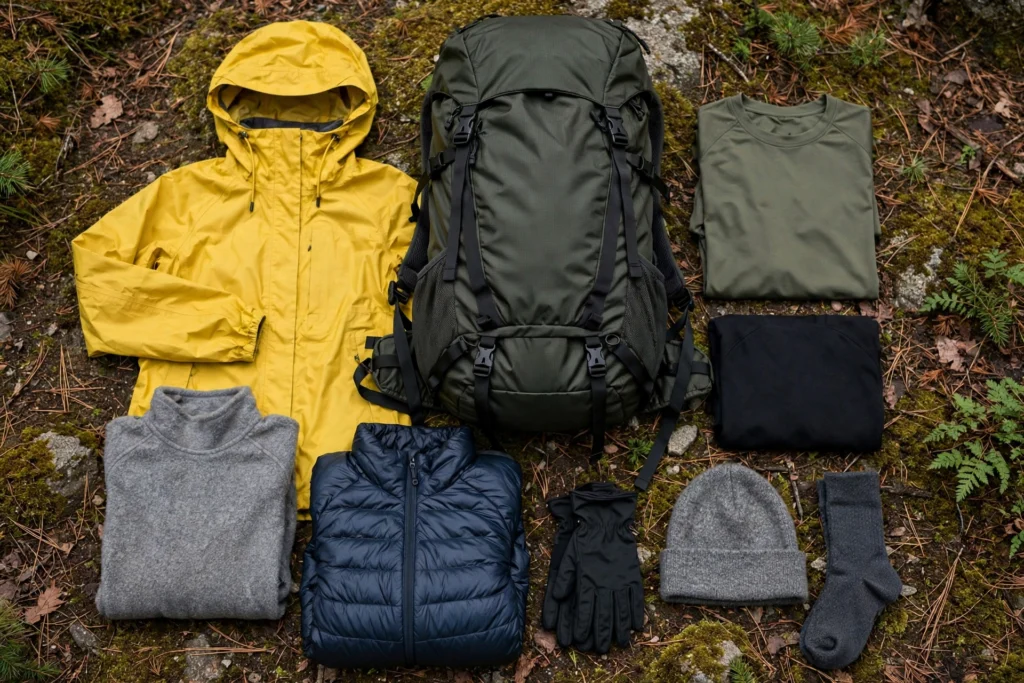
Dress in warm, flexible layers: thermal base layer, insulating mid-layer, windproof outer layer. Gloves or mittens are essential — you will catch yourself on the ice, and bare hands on ice plus other skaters’ blades is a bad combination. Wear long socks that rise above the skate cuff to prevent blisters. A helmet is strongly recommended for children and anyone unsteady; many rinks lend them free. Skip the bulky snow boots-as-skates idea — real skates or rentals only.
Basic Technique in 60 Seconds
Bend your knees (more than you think), lean slightly forward, and march — don’t try to glide at first. Look where you are going, not at your feet. To stop, point your toes inward (snowplow). To fall safely, go loose and sideways rather than stiff and backward; tuck your chin. Everyone falls. Falling well is the actual skill.
The 12 Best Outdoor Ice Skating Rinks in the USA
| Rink | Location | Typical Season | Why It Is Special |
|---|---|---|---|
| The Rink at Rockefeller Center | New York, NY | Oct – Apr | Iconic; Christmas tree; bucket-list skate |
| Skating by the Sea, Hotel del Coronado | Coronado, CA | Late Nov – early Jan | Beachfront rink; ocean views; palm trees |
| Boston Common Frog Pond | Boston, MA | Late Nov – Mar | Historic park; lessons; First Night spectacular |
| McCormick Tribune Ice Rink, Millennium Park | Chicago, IL | Nov – Mar | Free admission; skyline views; huge crowds |
| Keystone Lake | Keystone, CO | Dec – Mar | Largest outdoor rink in North America; mountain lake |
| Guidant John Rose MN OVAL | Roseville, MN | Nov – Mar | 110,000 sq ft; 400m speed track; massive |
| LeFrak Center at Lakeside, Prospect Park | Brooklyn, NY | Nov – Mar | Covered + open-air rinks; lake views |
| Lake Morey Skating Trail | Fairlee, VT | Jan – Feb (conditions) | 4.5-mile groomed lake trail; magical |
| Nestlenook Farm | Jackson, NH | Dec – Mar | Currier-and-Ives farm; sleigh rides; warming hut |
| Pershing Square | Los Angeles, CA | Nov – Jan | Downtown LA; palm trees; winter in the sun |
| WinterSkate, Rice Park | St. Paul, MN | Nov – Feb | Part of Winter Carnival; Wells Fargo rink |
| Depot Rink, Mill City | Minneapolis, MN | Nov – Mar | Historic train depot; riverfront; skyline |
Rink Spotlights
1. The Rink at Rockefeller Center — New York, New York
The most famous patch of ice on earth. Opened in 1936, the Rockefeller Center rink hosts 150 skaters at a time beneath the world-famous Christmas tree (in season) and the golden Prometheus statue year-round. It is small, it is crowded, and it is absolutely worth doing once. Book the “First Skate” morning session or VIP skate to avoid the worst lines, and go on a weekday if you can. The 2025–26 season runs from October into April. Nothing says New York winter like this rink.
2. Skating by the Sea — Coronado, California
A real-ice rink on the Windsor Lawn of the historic Hotel del Coronado, steps from the Pacific Ocean — repeatedly named one of the best rinks in America by USA Today 10Best. Roughly 10,000 square feet of refrigerated ice with ocean, palm tree, and Victorian hotel views, open Thanksgiving weekend through early January. Ninety-minute sessions include skate rentals; the adjacent Frostbite Lounge offers fire pits, drinks, and snacks. At around $40 admission, it is premium-priced and premium-magical.
3. Boston Common Frog Pond — Boston, Massachusetts
Skating in America’s oldest public park (est. 1634) is its own reward. The Frog Pond offers public skating seven days a week plus lessons, rentals, and special events like IceFlow yoga-on-ice. The two Skating Spectacular shows on First Night (December 31) are a Boston New Year’s Eve tradition. Managed by The Skating Club of Boston, the programming quality is excellent for beginners.
4. McCormick Tribune Ice Rink — Chicago, Illinois
Free admission in the heart of Millennium Park with the Chicago skyline as the backdrop — this is one of the best-value winter experiences in America. (Skate rentals cost extra.) The rink draws huge crowds on weekends, so go weekday mornings for breathing room. Pair it with the park’s public art and a hot chocolate from a nearby café for the perfect Chicago winter day.
5. Keystone Lake — Keystone, Colorado
The largest outdoor maintained ice skating rink in North America: a frozen five-acre lake in the Rocky Mountains, groomed nightly by Zambonis. Skating here — mountains rising on all sides, steam rising off the ice at dusk — is genuinely otherworldly. The resort village offers rentals, lessons, hockey, and horse-drawn sleigh rides. Conditions run December through March; check the resort’s ice report before driving up.
6. Guidant John Rose Minnesota OVAL — Roseville, Minnesota
The nation’s largest outdoor refrigerated skating facility: 110,000 square feet of ice including a 400-meter Olympic-style speed skating track surrounding an infield arena for hockey, bandy, and open skating. Minutes from the Twin Cities, it is a mecca for serious skaters and a fantastic family outing alike. The sheer scale has to be seen to be believed.
7. LeFrak Center at Lakeside — Brooklyn, New York
Prospect Park’s architectural showpiece offers both covered and open-air rinks overlooking the lake, plus a skating school, figure skating and hockey programs. The 2025–26 season runs November through March. It is less touristy than Rockefeller Center and better for actual skating — locals treat it as their winter clubhouse.
8. Lake Morey Skating Trail — Fairlee, Vermont
A four-and-a-half-mile groomed skating trail winding around Lake Morey — one of the longest in the country. Skating a winding trail through snow-covered woods, rather than laps of a rink, is a completely different and magical experience. Conditions are everything: the trail needs sustained cold, typically January–February. Call ahead or check reports; when it is open, go.
9. Nestlenook Farm — Jackson, New Hampshire
A storybook White Mountains farm where you skate a three-acre frozen pond that meanders under picturesque bridges, then warm up by the stone fireplace in the hut with hot cocoa. Horse-drawn sleigh rides on lantern-lit trails complete the Currier-and-Ives fantasy. It is intimate, romantic, and one of New England’s most charming winter outings — ideal for couples and families with young kids.
10. Pershing Square — Los Angeles, California
Downtown LA’s holiday rink proves winter does not require winter weather: skate under palm trees with the city skyline around you, November through January. It is affordable, centrally located, and delightfully surreal — where else do you skate in a t-shirt? A great option for visitors who want a taste of the season without the cold.
11. WinterSkate at Rice Park — St. Paul, Minnesota
Part of the legendary St. Paul Winter Carnival, the Wells Fargo WinterSkate rink in Rice Park offers free skating in a beautifully lit downtown park setting. The carnival itself — ice sculptures, parades, treasure hunts — makes late January in St. Paul a genuine winter destination. Embrace the cold; Minnesotans do.
12. The Depot Rink — Minneapolis, Minnesota
Set in the historic Milwaukee Road Depot with the downtown skyline and riverfront nearby, this rink combines architectural character with excellent ice. The indoor-outdoor setup means skating continues in any weather, and the location puts you steps from Mill City’s restaurants and museums. A Twin Cities winter essential.
Skating on Natural Ice: Safety Rules
Rinks are controlled environments; frozen lakes and ponds are not. If you venture onto natural ice:
- Check thickness: 4 inches of clear, solid ice minimum for skating. Never trust ice by appearance alone — check with local authorities or bait shops that monitor conditions.
- Never skate alone on natural ice, and carry ice picks around your neck.
- Avoid ice near inlets, outlets, docks, and aerators; moving water means thin ice.
- White or “snow ice” is half as strong as clear blue/black ice — double the thickness requirement.
- If you fall through: do not panic; kick to the surface, get horizontal, kick and pull yourself onto the ice, then roll away from the hole. Get warm immediately — hypothermia is the real danger.
Planning Your Skating Outing
Timing
Weekday sessions are dramatically less crowded than weekends at every popular rink. Evening sessions under lights are the most atmospheric; morning sessions have the best ice. Holiday weeks (Christmas–New Year’s) are peak — book tickets in advance wherever reservations are offered.
Costs
Expect $0–$25 admission (many municipal rinks are free or cheap; Rockefeller Center and resort rinks are premium) plus $5–$15 for rentals. Lessons run $15–$40 per session. A family of four can skate for under $50 at most municipal rinks — one of winter’s best entertainment values.
Pairing With Winter Events
Skating pairs beautifully with the season’s other outdoor events: holiday markets, tree lightings, and winter festivals. Our guide to holiday tree lightings and markets helps you build a full winter day around your skate session. And for year-round outdoor fun beyond winter, browse free events near you.
Frequently Asked Questions
How much does outdoor ice skating cost?
It varies widely: many city rinks charge $0–$12 admission, rentals add $5–$15, and premium experiences (Rockefeller Center, resort rinks) run $25–$60+. Lessons are extra. Overall, it remains one of the most affordable winter outings for families.
Do I need to know how to skate before going?
No — rinks expect beginners. Rent skates, grab a skate aid (the penguin walkers), stay near the rail at first, and consider a 30-minute beginner lesson. Most people are shuffling around comfortably within an hour.
What is the best age for kids to start ice skating?
Most rinks welcome skaters from age 3–4 with lessons typically starting at 4–5. Young beginners do best with skate aids, helmets, and short sessions (30–45 minutes before cold and frustration set in). Double-blade skates, where available, help toddlers balance.
Can I bring my own skates?
Yes, everywhere. Bringing your own well-fitted skates is more comfortable and cheaper than renting. Get them sharpened at the start of each season — dull blades make skating much harder and are a common reason beginners struggle.
What happens if the ice is too warm or it snows?
Refrigerated rinks operate in marginal weather; natural-ice venues close when conditions deteriorate. Heavy snow usually means a delayed opening while crews clear the surface. Always check the rink’s website or social media before heading out, especially for lake and trail venues.
Is outdoor ice skating a good date idea?
It is a classic for a reason: built-in hand-holding (for balance, obviously), hot chocolate breaks, beautiful settings, and natural conversation. Evening sessions under lights are the most romantic. Go on a weeknight to avoid crowds.
How do I keep my feet warm while skating?
Properly fitted skates (not too tight — circulation matters), wool or synthetic socks (never cotton), and toe warmers on bitter days. If your feet go numb, take a break in the warming area — numb feet cannot feel blisters forming.
Are outdoor rinks open when it is snowing?
Usually yes — skating in light snow is magical. Rinks pause for heavy snow to resurface, and may close temporarily for ice maintenance. Call ahead during storms.
Embrace the Season
Winter gives you two choices: hibernate or participate. Outdoor ice skating rinks make participation irresistible — exercise, beauty, hot cocoa, and the particular joy of gliding. Start with your nearest municipal rink this season, work up to a destination skate at Rockefeller Center or Keystone Lake, and remember the outdoor event packing essentials for staying comfortable out there. The ice is waiting.
Ice Skating Lessons: What to Expect
Most rinks on this list offer group lessons, and they are the fastest path from wall-clinging to actual skating. A typical beginner series runs 4–6 weekly sessions of 30–45 minutes, costing $80–$150 including practice time. You will learn the snowplow stop, forward glides, backward wiggles, and safe falling — the complete survival toolkit. Kids’ lessons group by age (usually 4–6, 7–12, teen), and instructors are skilled at making the first session fun rather than frightening.
Private lessons ($40–$80 per half hour) accelerate progress dramatically if you have a specific goal — a trip to Rockefeller Center next month, for instance. One or two privates before a destination skate trip is money well spent. For adults, look for “adult-only” beginner sessions; learning alongside fellow wobbly grown-ups is far less intimidating than sharing the ice with six-year-olds who learn everything instantly and show no mercy.
Regional Guide: Where to Skate Across the Country
| Region | Best Bets | Season Notes |
|---|---|---|
| Northeast | Rockefeller Center, Frog Pond, LeFrak Center, Lake Morey | Longest season; most variety; book holidays early |
| Midwest | Millennium Park (free), MN OVAL, Depot Rink, WinterSkate | Coldest = most reliable ice; embrace it |
| Mountain West | Keystone Lake, Nestlenook Farm (New England technically) | Scenic alpine skating; check conditions reports |
| West Coast | Coronado Skating by the Sea, Pershing Square | Novelty factor high; mild weather; short seasons |
| South | Temporary holiday rinks in most major cities | Seasonal pop-ups; check city event calendars |
Do not overlook your own city’s temporary holiday rink — most major metros install one from Thanksgiving to January, and skating your hometown rink ten times builds more skill (and more memories) than one bucket-list trip. The destination rinks are the reward; the local rink is the practice.
Warm-Up Breaks: The Art of the Cocoa Stop
Proper skating rhythm is 45–60 minutes on the ice, then a warming break — not because you are weak, but because cold muscles skate worse and enjoy it less. The best rinks design for this: warming huts with fireplaces, cocoa stands, fire pits, and overlooks where you can watch other skaters. Use breaks to retie skates (they loosen), wiggle toes back to life, and apply the hand warmers you smartly packed. Families should plan breaks before kids get miserable, not after — a cocoa stop at the first complaint preserves the day; one demanded through tears ends it. The cocoa, it must be said, tastes objectively better after an hour on the ice. This is science.
Skating Fitness: Why It Is Such Good Exercise
Ice skating burns 400–600 calories per hour while feeling like play — the gliding motion builds quads, glutes, and core stability with far less joint impact than running. The balance demands engage stabilizer muscles that gym workouts miss, and the posture required (knees bent, core braced, chest up) retrains alignment that desk work destroys. Beginners get an extra workout simply from the effort of staying upright. Regular skaters report improved ankle strength, better balance in daily life, and the particular satisfaction of a skill that is visibly, measurably improving every session. It is one of the rare workouts where the learning curve itself is the fun — every visit, you are noticeably better than the last.