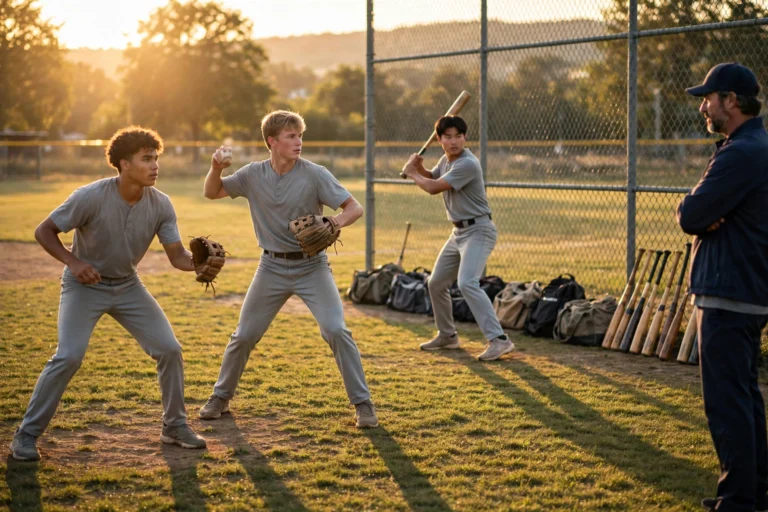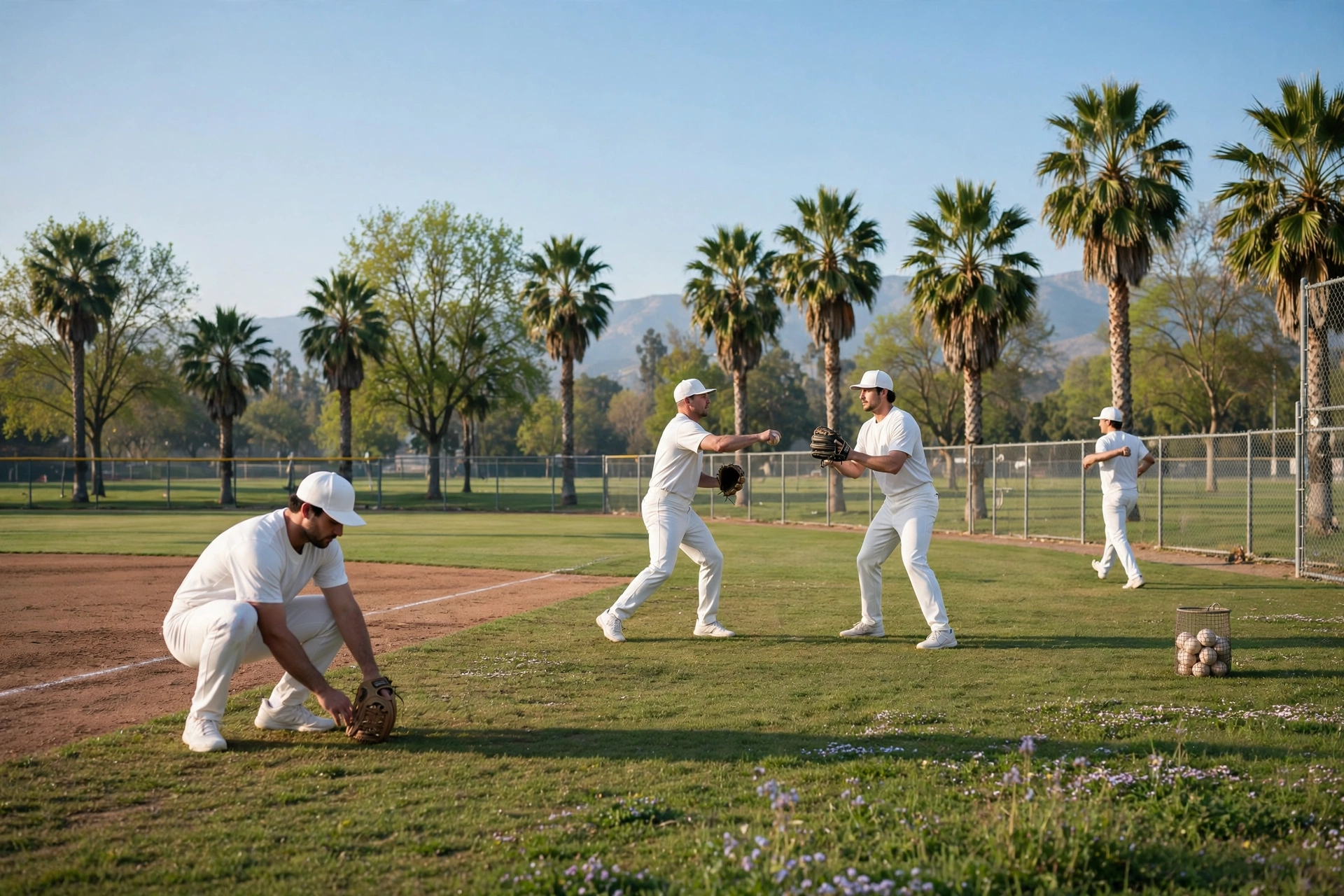
Every February, while most of the country is still shivering, baseball comes back to life in Arizona and Florida — and this mlb spring training guide will show you exactly how to be there for it. Spring training is the six-week preseason where all 30 Major League teams prepare for the season: pitchers build up arm strength, new players fight for roster spots, and fans get the most relaxed, affordable, up-close baseball experience in the sport. Games are casual, tickets are cheap, autographs are plentiful, and the weather is glorious.
Whether you are planning a dedicated baseball road trip or just wondering what spring training is all about, this guide covers everything: the two leagues (Cactus League in Arizona and Grapefruit League in Florida), when to go, how to buy tickets, where to stay, what to bring, and insider tips for getting autographs and watching practice like a pro.
What Is Spring Training?
Spring training is Major League Baseball’s preseason, running from mid-February through late March. Each team plays roughly 30 exhibition games while also holding daily practices. The games do not count in the standings, which creates a uniquely relaxed atmosphere: star players might play only five innings, top prospects get long looks, and experimental lineups are the norm.
But do not mistake “exhibition” for “meaningless.” For players on the roster bubble, spring training is a job interview played out in public. Position battles — who wins the fifth starter spot, who makes the bench — are the real drama of March. For fans, the stakes-free environment is the appeal: you can watch future stars up close, chat with fellow fans, and enjoy baseball in its purest, least corporate form.
Why Fans Love It
- Affordability: Tickets often cost a fraction of regular-season prices, with lawn and berm seating available at many parks.
- Access: Smaller stadiums mean you are close to the action. Players are approachable, and autograph opportunities abound before games and at practices.
- Weather: Arizona and Florida in February and March offer sunshine and 70s temperatures while the rest of the country freezes.
- Volume: With 15 teams in each state playing daily, you can easily catch two games in one day or a different team every day of your trip.
Cactus League vs. Grapefruit League
The 30 teams split evenly between two states. Choosing between them is the first big decision in any MLB spring training guide, so here is the honest comparison:
| Factor | Cactus League (Arizona) | Grapefruit League (Florida) |
|---|---|---|
| Teams | 15 | 15 |
| Location | Phoenix metro area — all stadiums within ~50 miles | Spread across Florida — from Tampa to Miami to the Space Coast |
| Getting around | Easy: one home base, short drives between parks | Harder: long drives between stadiums; pick a region |
| Stadiums | Modern, mostly built since the 1990s; several shared by two teams | Mix of classic and modern parks, more spread out |
| Other attractions | Desert hiking, golf, Scottsdale nightlife | Beaches, theme parks (Orlando/Tampa areas) |
| Best for | First-timers; maximum baseball per day | Combining baseball with a Florida vacation |
The verdict for most first-timers: Arizona’s Cactus League is the easier trip. You can stay in one hotel in the Phoenix area (Scottsdale, Mesa, and Tempe are popular bases) and reach every stadium within about an hour. Several facilities host two teams that share the complex, so you might see morning workouts for one club and an afternoon game for another without moving your car.
Florida’s Grapefruit League rewards travelers who want variety beyond baseball. Base yourself on the Gulf Coast (Tampa/Clearwater/Dunedin area) or the Atlantic side and pair games with beaches. Just be realistic about drive times — seeing teams on opposite coasts in one day is not practical.
When to Go: Timing Your Trip
Spring training has distinct phases, and when you go shapes what you see:
- Mid-February (pitchers and catchers report): Only workouts, no games yet. Great for autograph hunters and practice watchers; not ideal if you want games.
- Late February: Exhibition games begin. Rosters are huge, stars play sparingly, and minor leaguers get lots of action. Cheapest tickets, smallest crowds.
- Early to mid-March: The sweet spot. Regulars play deeper into games, position battles intensify, and the weather is ideal. Book early — this is peak season.
- Late March: Final roster cuts happen; starters play nearly full games to ramp up. Some stars leave early for international tournaments or rest. Last chance before Opening Day.
Weekday games draw smaller crowds than weekends. If your schedule is flexible, Tuesday-through-Thursday games offer the best combination of availability and atmosphere.
Tickets: How to Buy and What to Expect
Buying spring training tickets is refreshingly simple compared to the regular season:
- Buy from the team or stadium site: Most Cactus and Grapefruit League tickets go on sale in late fall or early winter. Popular matchups (rivalries, weekend games) sell out sections quickly.
- Consider lawn/berm seating: Many parks offer grass berms beyond the outfield — bring a blanket, pack a picnic, and watch the game at the lowest price point. Kids love the berm.
- Check secondary markets for sold-out games: Weekend games against popular opponents can sell out; verified resale is usually reasonable since face values are low.
- Look for multi-game packs: Some teams sell ticket strips or flex packs that cut the per-game cost if you are seeing several games.
Expect to pay roughly the price of a movie ticket — sometimes less — for good seats. Premium games and dugout-adjacent seats cost more but still run far below regular-season equivalents. One of the joys documented in every MLB spring training guide is sticker shock in reverse: you keep expecting the catch, and there isn’t one.
Where to Stay and How to Get Around
Arizona (Cactus League)
Base yourself in the East Valley (Mesa, Tempe, Scottsdale) for central access to most stadiums. The Phoenix metro has abundant hotels, vacation rentals, and restaurants at every price point. A rental car is essentially required — public transit does not efficiently connect the stadiums. Spring break overlaps with peak spring training, so book lodging early; prices spike in March.
Florida (Grapefruit League)
Pick a coast and commit. The Tampa Bay area (with teams in Tampa, Clearwater, Dunedin, and Bradenton) offers the densest cluster. The Fort Myers area hosts two teams’ complexes. Orlando is not a spring training hub itself but works as a theme-park-plus-baseball combo base with drives to nearby parks. Again, a rental car is a must.
What to Bring to the Ballpark
- Sun protection: Sunscreen, a hat, and sunglasses are non-negotiable. Day games in the desert and Florida sun are intense, and many seats are uncovered.
- Autograph supplies: A baseball (or team cap, or program) and a permanent marker. Mornings before games are prime autograph time near the dugouts and practice fields.
- A blanket or towel: For berm/lawn seating.
- Light layers: Desert mornings can be cool before the sun takes over; Florida can surprise with a chilly evening.
- Cash and card: Most parks are cashless now, but a small amount of cash is handy for parking or street vendors.
- Binoculars: Optional, but great for watching practice-field action across the complex.
How to Watch Practice Like a Pro
Many fans skip workouts, which is a mistake — morning practices are often the best part of a spring training trip. Gates for practice fields typically open mid-morning, and admission is usually free or very cheap. Here is how to make the most of it:
- Arrive when gates open: Pitchers do fielding practice and bullpen sessions early; position players take batting practice in groups.
- Walk the complex: Teams have multiple practice diamonds. Wander between them to watch infield drills, outfield work, and bullpens simultaneously.
- Watch the back fields: Minor leaguers and prospects play on the back fields — this is where you see tomorrow’s stars before anyone knows their names.
- Be ready for autographs: Players walk between fields and are generally generous with signatures during camp. Be polite, have your item and marker ready, and read the room — a player heading to a bullpen session is working.
Autograph Tips That Actually Work
- Mornings beat afternoons: Players are relaxed before workouts and games. Post-game, they are tired and heading out.
- Position yourself smartly: Near the dugout ends, along the railings by the practice fields, and at the player parking lot exits (respectfully, without blocking).
- Kids get priority: Players genuinely favor young fans. If you are bringing children, put them front and center with their items ready.
- Know the roster: Learn the top prospects’ names and numbers. Getting a future star’s autograph before they break out is a badge of honor.
- One item per player: Do not be the person shoving a stack of cards at a player. One signature, a thank-you, and move on.
Food, Drink, and Ballpark Culture
Spring training concessions lean into local flavor: Sonoran-style Mexican food in Arizona parks, Cuban sandwiches and fresh seafood in Florida. Prices are lower than regular-season MLB parks, and the vibe is festive rather than frenzied. Many parks allow more relaxed policies (checked at each stadium’s site), and the between-inning entertainment skews family-friendly.
Each stadium has its own personality. Some are intimate bandboxes where you can hear infield chatter; others are sprawling complexes with tiki bars and kids’ zones. Part of the fun is sampling several — no two spring parks feel quite the same.
Sample 4-Day Cactus League Itinerary
| Day | Morning | Afternoon | Evening |
|---|---|---|---|
| 1 (Thu) | Arrive, settle in Scottsdale/Mesa | Practice fields + autographs at one complex | Night game |
| 2 (Fri) | Back fields: watch prospects | Day game at a second stadium | Explore local restaurants |
| 3 (Sat) | Morning workout, different team | Day game at a third stadium | Desert sunset / downtown |
| 4 (Sun) | Brunch, souvenir shopping at team shops | Final day game | Depart |
This pace — one workout plus one game daily — is sustainable and hits the highlights without burnout. Hardcore fans do doubleheaders (two games in one day); it is doable in Arizona given the short drives, but pace yourself in the sun.
Spring Training With Kids
Spring training may be the single best live-sports experience for families. Games are short-ish, stakes are low, kids can move around, berm seating lets them sprawl, and players are generous with young fans. Bring the autograph supplies, plan around the heat (morning practices + shaded seats), and let kids pick a “prospect to follow” — tracking a young player’s spring stats gives them a rooting interest all season.
If you are building a bigger family trip around baseball, our family event planning guide covers the logistics of group outings, and the best family events in the USA roundup can fill your non-game days. For the outdoor-venue side of the trip — hiking, patios, open-air attractions — our guide to the best outdoor concert venues doubles as inspiration for enjoying Arizona and Florida’s open-air lifestyle between games.
Budget: What a Trip Costs
| Expense | Budget Estimate (per person/day) | Notes |
|---|---|---|
| Game tickets | $15–$60 | Berm/lawn cheapest; dugout boxes priciest |
| Lodging | $80–$250 | Book early for March; vacation rentals for groups |
| Rental car | $40–$80 | Essential in both states |
| Food & drink | $40–$80 | Ballpark food cheaper than regular season |
| Parking | $5–$20 | Varies by stadium; some free lots |
A long weekend is very doable on a moderate budget — which is exactly why spring training has become a beloved annual pilgrimage for baseball fans across the country.
Cactus League Stadium Clusters
One reason Arizona works so well for baseball trips is geography. The stadiums cluster in three loose groups, which makes planning efficient:
- East Valley (Mesa, Tempe): Several stadiums within a short drive of each other — ideal for morning-practice-plus-afternoon-game combos without relocating.
- Scottsdale / Salt River: The upscale base, with two-team shared complexes nearby and excellent dining for evenings.
- West Valley (Glendale, Goodyear, Surprise, Peoria): Another tight cluster; you can easily pair a morning workout at one complex with an afternoon game at another.
Because multiple complexes are shared by two teams, check both clubs’ schedules when planning — a “quiet” day for one team might be a workout day for its complex-mate, doubling your baseball.
Grapefruit League Regional Breakdown
Florida demands a regional strategy. The main clusters:
- Tampa Bay area: The densest concentration — teams in Tampa, Clearwater, Dunedin, and Bradenton are all within reasonable drives, making this the best Florida base for maximizing games.
- Fort Myers / Southwest Florida: Two teams with neighboring complexes; easy to pair workouts and games.
- Southeast coast (Jupiter, Port St. Lucie, West Palm Beach area): Several teams along the Atlantic; combine with beach time.
- Central (Kissimmee/Orlando, Lakeland): Works for theme-park combo trips.
Do not try to cover multiple regions in one short trip. Pick one, settle in, and enjoy the depth rather than chasing breadth across Florida’s highways.
Night Games and Special Events
Most spring games are day games, but select night games appear on schedules — and they are wonderful. Cooler air, stadium lights, smaller crowds, and a relaxed evening vibe make night games a highlight. Fireworks nights, Bark at the Park (dog-friendly games), and themed giveaways punctuate the schedule; check each team’s promotions calendar when buying tickets.
Many complexes also host charity games, alumni games, and prospect showcases around camp. These one-off events are often announced on short notice via team social media accounts — worth following in the weeks before your trip.
Weather by Month: What to Expect
| Period | Arizona Highs | Florida Highs | Notes |
|---|---|---|---|
| Mid-February | Upper 60s–low 70s | Low–mid 70s | Cool mornings; layers needed |
| Early March | Low–mid 70s | Mid–upper 70s | Ideal baseball weather |
| Mid-March | Upper 70s–low 80s | Upper 70s–low 80s | Peak season; sunscreen essential |
| Late March | Mid 80s+ | Mid 80s+ | Hot afternoons; seek shade |
Rain is rare in Arizona but possible in Florida — afternoon showers are a known March phenomenon on the Gulf Coast. Stadiums handle brief delays well, and full rainouts are uncommon.
Frequently Asked Questions
When does MLB spring training take place?
Pitchers and catchers report in mid-February, exhibition games run from late February through late March, and Opening Day follows in the last week of March. The exact calendar shifts slightly each year.
Do spring training games count?
No — they are exhibition games. Wins and losses do not affect the regular-season standings. Individual performances matter enormously, though, for players competing for roster spots.
Which is better: Cactus League or Grapefruit League?
For a first trip focused on maximizing baseball, Arizona’s Cactus League wins on convenience — all 15 teams play within the Phoenix metro area. Florida’s Grapefruit League is better if you want to combine baseball with beaches or theme parks.
Can you get autographs at spring training?
Yes — spring training is the best autograph opportunity in baseball. Morning practices, pre-game near the dugouts, and practice-field walkways are prime spots. Bring a ball and a permanent marker, be polite, and mornings work better than afternoons.
How far in advance should I book?
Book lodging as early as possible — ideally in the fall — since March is peak season in both Arizona and Florida. Game tickets for most matchups remain available closer to the date, but weekend games against popular teams can sell out.