

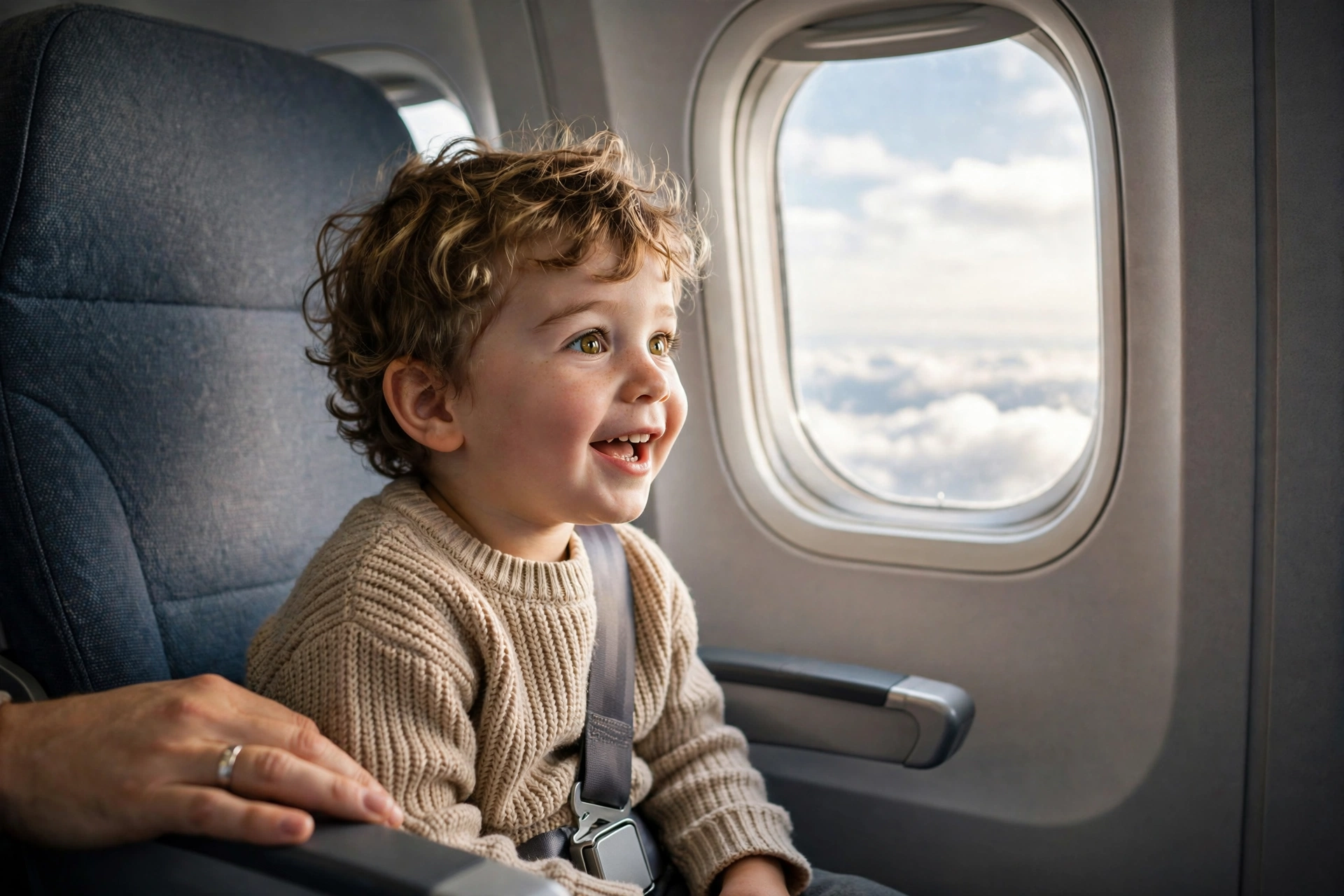
Traveling with toddlers is widely considered the final boss of family travel — your child is old enough to have opinions and energy but too young for reason or patience. Yet millions of parents do it successfully every year, and the secret is never luck. It is preparation tailored to the toddler brain: snacks on a schedule, novelty on rotation, movement built into the day, and expectations set low. This guide delivers 30 field-tested survival tips for traveling with toddlers by plane, car, and hotel, plus packing lists, sleep strategies, and answers to the questions every parent asks before the trip.
Why Toddlers Are the Toughest Travelers (Ages 1–3)
Understanding the “why” makes the “how” much easier. Toddlers are developmentally wired to move, explore, and test boundaries — all things that travel restricts. They have no concept of time (“only two more hours” means nothing), limited impulse control, and a fierce need for routine in unfamiliar places. They are also at peak separation anxiety and peak stranger danger, which can make even cheerful hotel staff seem threatening.
The good news: toddlers are also highly distractible, deeply comforted by familiar objects, and capable of genuine delight at new experiences. A toddler who melts down at the gate may be giggling at the airplane window ten minutes later. Your job is not to prevent every meltdown — it is to shorten them and survive them with your sanity intact.
Before You Go: Planning Tips
1. Lower Your Expectations (Then Lower Them Again)
You will not see everything on your itinerary. You will eat at weird hours. Someone will cry in a beautiful place. Plan one anchor activity per day, keep everything else optional, and you will actually enjoy the trip instead of mourning the trip you imagined.
2. Keep Routines Sacred
Travel disrupts everything, so protect the two routines that matter most: meals and sleep. Keep meal and nap times as close to home schedule as possible, even if it means leaving a museum early. A rested, fed toddler is a different child than a hungry, overtired one.
3. Book Direct Flights and Drive Smart
When traveling with toddlers, every connection is a gamble. Pay extra for nonstop flights if you can. For road trips, plan to drive during nap times or overnight — a sleeping toddler is the best road-trip companion. Break drives longer than 4 hours into segments with playground stops, and check our best family road trips in the USA for routes built around kid-friendly stops.
4. Choose Toddler-Friendly Lodging
A vacation rental with a kitchen, washing machine, and separate bedroom beats a single hotel room every time. You can cook simple meals, handle blowouts without panic, and stay up after bedtime without whispering in the dark. If you book a hotel, request a ground-floor room near an exit for easy stroller access.
5. Bring the Sleep Setup From Home
Sleep is the foundation of a good trip. Bring the portable crib or travel bed your toddler already knows, plus their sleep sack, lovey, white noise machine, and bedtime books. Familiar sleep cues in an unfamiliar room work wonders. Practice one nap in the travel crib at home before the trip.
6. Talk About the Trip in Advance
Toddlers handle new experiences better when they are previewed. Read books about airplanes or hotels, watch videos of your destination, and narrate the plan in simple terms: “First we ride the big plane, then we swim in the pool!” It will not eliminate surprises, but it reduces the shock of the new.
Flying With Toddlers: 8 In-Flight Survival Tips
7. Time Flights Around Naps — Carefully
Booking a flight during nap time is the classic advice, and it works — if your toddler actually sleeps in motion. If yours does not sleep anywhere but their crib, book a morning flight when they are happiest and most cooperative instead. Know your kid.
8. Pack a “Busy Bag” of Wrapped Surprises
Buy or gather 8–10 small, lightweight items (stickers, mini figures, crayons, a new board book) and wrap each one. Hand your toddler one every 20–30 minutes. The unwrapping alone buys five minutes of focus, and novelty resets their attention span. Dollar-store toys are perfect — if one gets lost under a seat, no tears (from you).
9. Snacks Are a Strategy, Not Just Food
Pack twice as many snacks as you think you need, and dole them out slowly. Puffs, crackers, fruit pouches, and cereal take time to eat and keep little hands busy. Snack cups with lids prevent spills. Avoid sugary snacks that spike energy — you want calm, sustained munching.
10. Manage Ear Pressure at Takeoff and Landing
Offer a sippy cup, straw cup, or snack during takeoff and descent — swallowing equalizes ear pressure. For toddlers who resist, lollipops or chewy fruit snacks work. If your toddler is congested, consider a pediatrician-approved decongestant before the flight.
11. Walk the Aisle Early and Often
Do not wait for restlessness to become a meltdown. Once the seatbelt sign is off, take regular strolls up and down the aisle. Let your toddler “visit” the galley, wave at passengers (most love it), and stretch their legs. Movement breaks every 30–45 minutes prevent the worst of the wiggles.
12. Use Screen Time Without Guilt
Download favorite shows and toddler apps before the flight — airplane Wi-Fi is unreliable. Bring kid-safe volume-limited headphones and a fully charged tablet plus a power bank. There is no parenting award for screen-free flying; there is only arrival with sanity.
13. Dress for Blowouts and Spills
Pack two full outfit changes for your toddler and one shirt for yourself in your carry-on. Dress your toddler in easy-on, easy-off layers. Airplane lavatories have changing tables — use them, never the seat.
14. Board Last, Not First
Family boarding sounds helpful, but sitting on the plane for an extra 30 minutes with a toddler is a strategic error. Send one parent ahead with the bags while the other lets the toddler run around the gate area until final boarding. Less confined time equals fewer meltdowns.
Road Trips With Toddlers: 7 Tips
15. Stop Every 2 Hours — No Exceptions
Toddlers need to move. Plan stops at playgrounds, rest areas with grass, or fast-food play places every 2 hours (90 minutes for under-twos). A 15-minute run-around resets their tolerance for the car seat dramatically. Apps that map playgrounds along your route are worth their weight in gold.
16. Create a Backseat Command Center
Organize a within-reach kit: sippy cup, snacks, wipes, diapers, a change of clothes, favorite toys, and trash bags. A backseat organizer keeps everything accessible so you are not pulling over for a dropped pacifier. Refill the snack supply at every stop.
17. Master the Car-Seat Entertainment Rotation
Rotate toys just like on a plane: introduce one new item every 30–45 minutes. Window clings, magnetic drawing boards, busy books, and snack traps are car-seat champions. Audiobooks and toddler music playlists (downloaded, not streamed) fill the gaps.
18. Drive During Sleep Windows
The single best road-trip hack: align driving with naps or bedtime. Leave at nap time for afternoon legs, or drive overnight for long hauls while your toddler sleeps through. A white-noise app and a darkened car (window shades help) encourage car-seat naps.
19. Pack a Portable Potty
If your toddler is potty training, a foldable travel potty is non-negotiable. Rest-stop bathrooms are intimidating and sometimes far apart. Bring extra training pants, wipes, and a full change of clothes — regression during travel is completely normal.
20. Never Skip the Pre-Drive Diaper Change
Change into a fresh overnight diaper right before a long driving stretch, even during the day. Overnight diapers hold more and buy you an extra hour between stops. Apply diaper cream preventatively — sitting in a car seat for hours invites rashes.
21. Have an Overnight Bag Ready
If your road trip includes hotel nights, pack a separate overnight bag with pajamas, toiletries, bedtime essentials, and next-day clothes. Digging through a packed trunk at 9 PM with a cranky toddler is miserable; grabbing one bag is easy.
Hotel and Lodging Tips
22. Toddler-Proof on Arrival
Do a 5-minute safety sweep the moment you arrive: cover outlets, move breakables and cleaning supplies up high, check balcony locks, secure blind cords, and wedge a towel under the door to prevent slamming. Bring a few outlet covers and a roll of painter’s tape (for covering sharp corners and locking cabinets) in your luggage.
23. Recreate the Bedtime Routine Exactly
Bath, book, song, lovey — do every step in the same order as home. Familiar routines signal to your toddler’s brain that sleep is coming, even in a strange room. Keep bedtime within 30 minutes of the usual time for the first few nights.
24. Manage the New-Room Excitement
Expect your toddler to treat the hotel room like a playground for the first hour. Let them explore (safely), then start the wind-down routine. Some parents do a “practice” quiet time in the room during the day so bedtime is not the first time the toddler is asked to be calm there.
25. Handle Time Zones Gradually
For 1–3 hour differences, split the adjustment: shift meals and bedtime by 30–60 minutes for a few days before departure. For bigger jumps, prioritize daylight exposure on arrival and keep your toddler hydrated. Most toddlers adjust within 3–4 days.
Eating Out and Daily Life Tips
26. Eat Early, Eat Fast, Eat Prepared
Restaurants are easiest at 5 PM when they are empty and your toddler is not yet overtired. Bring backup snacks in case food is slow, order the toddler’s meal first, and do not linger — 45 minutes is a realistic max. Vacation rentals with kitchens let you skip restaurant stress for most meals.
27. Build the Day Around One Activity
One real outing per day is the sweet spot: a morning at the zoo, then back for nap and a low-key afternoon. Toddlers get overstimulated fast, and a packed itinerary guarantees meltdowns. The pool at your lodging counts as an activity — and it is usually their favorite one. For shoreline days, our family beach day guide covers toddler-specific beach tactics.
28. Bring Familiar Foods
Pack a stash of your toddler’s trusted foods — the crackers, pouches, and cereal they always eat. New places mean new foods, and a hungry toddler who rejects the local menu needs a backup. Grocery delivery to your rental on arrival day saves a stressful store run.
29. Embrace the Stroller (and the Carrier)
Bring both if you can: a lightweight stroller for long days and naps on the go, and a carrier for crowds, stairs, and places strollers cannot go. A stroller with a good recline doubles as a nap spot, letting you keep exploring while your toddler sleeps.
30. Tag-Team and Take Breaks
If two parents are traveling, take shifts. One parent gets a solo coffee run while the other handles breakfast; swap for an afternoon break. A 30-minute reset makes you a dramatically more patient parent. Traveling with toddlers is a marathon, and even marathoners take water breaks.
What to Pack: Toddler Travel Checklist
| Category | Essentials |
|---|---|
| Diapering | Diapers (1 per 2 hours + extras), wipes, cream, changing pad, disposable bags |
| Feeding | Sippy cups, snacks (double what you expect), bibs, familiar foods |
| Sleep | Travel crib, sleep sack, lovey, white noise machine, nightlight |
| Clothing | 2 outfits per day, pajamas, layers, swim gear, sun hat |
| Health | Thermometer, infant pain reliever, saline spray, sunscreen, first-aid basics |
| Entertainment | Busy bag items, books, tablet + headphones, comfort toy |
| Safety | Outlet covers, painter’s tape, portable potty, carrier, stroller |
| Documents | ID/birth certificate, insurance cards, pediatrician’s number |
Toddler Travel by Age: What Changes
Not all toddlers are the same, and your strategy should shift as your child grows. At 12–18 months, expect limited mobility but maximum clinginess — these babies still nap twice a day, eat constantly, and are soothed by nursing or bottles. Travel is about managing their physical needs on schedule, and a carrier is your most valuable tool. At 18–24 months, mobility explodes: they walk, climb, and run, but understanding is minimal. This is the age of containment strategy — the stroller, the high chair, and the fenced playground are your best friends, and novelty toys matter more than ever.
By 2–3 years, language changes everything. Your toddler can understand simple explanations (“the plane goes up-up-up!”), express needs (“more crackers please”), and be motivated by small rewards. Screen time becomes genuinely useful, simple games like “I spy” start working, and they can handle slightly longer outings. The trade-off is bigger opinions and more dramatic meltdowns when things go wrong. Across all ages, the constants remain: protect sleep, feed proactively, and build movement into every travel day.
Frequently Asked Questions
What is the hardest age to travel with a toddler?
Most parents say 15–24 months is the peak difficulty: mobile enough to run, too young to reason with, and often dropping naps. By age 3, language and the ability to understand simple bribes (“if you sit still, we get ice cream”) make travel noticeably easier.
Should I bring a car seat when traveling with a toddler?
Yes, if you will be in cars at your destination. Options include bringing your own (gate-check it free on flights), renting one with a rental car (often worn and of unknown history), or buying a lightweight travel car seat. For ride-shares and taxis, a compact travel car seat or a CARES harness (for planes) are popular solutions.
How do I get my toddler to sleep in a hotel?
Recreate the home routine exactly, bring all familiar sleep items, and keep the room dark (pack suction-cup blackout shades or use towels over windows). White noise covers hallway sounds. Expect the first night to be rough — most toddlers settle by night two or three.
What if my toddler will not wear a mask / sit still / stop screaming?
Focus on what you can control: snacks, novelty, movement breaks, and your own calm. You cannot force a toddler into perfect behavior, and fellow travelers generally understand. Apologize briefly if needed, then focus on soothing your child rather than managing strangers’ opinions.
Is it worth traveling with a toddler, or should I wait?
Travel with toddlers is harder than travel without them, but parents consistently say the memories are worth it — first beach trips, grandparents’ hugs, the wonder in their eyes at new animals. Adjust your expectations, travel slower, and go. You will never regret the trip; you might regret the years you stayed home.
How far in advance should I plan?
Book flights and lodging 2–3 months ahead for the best prices and family-friendly room selection. But keep the daily itinerary loose — the best toddler trips leave plenty of unscheduled time for naps, playgrounds, and spontaneous fun.
The Bottom Line
Traveling with toddlers is not about achieving a perfect trip — it is about collecting imperfect, wonderful moments between the meltdowns. Pack the snacks, wrap the toys, protect the naps, and give yourself grace. And when you are ready to plan where all that preparation pays off, explore the best family vacation destinations in the USA. The toddler years are short, the memories are long, and one day you will miss the tiny hand in yours at the airport. Go make the memories.


