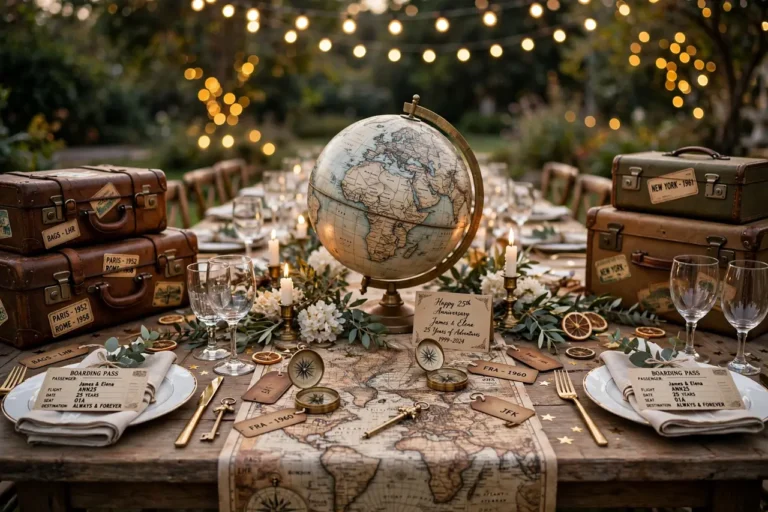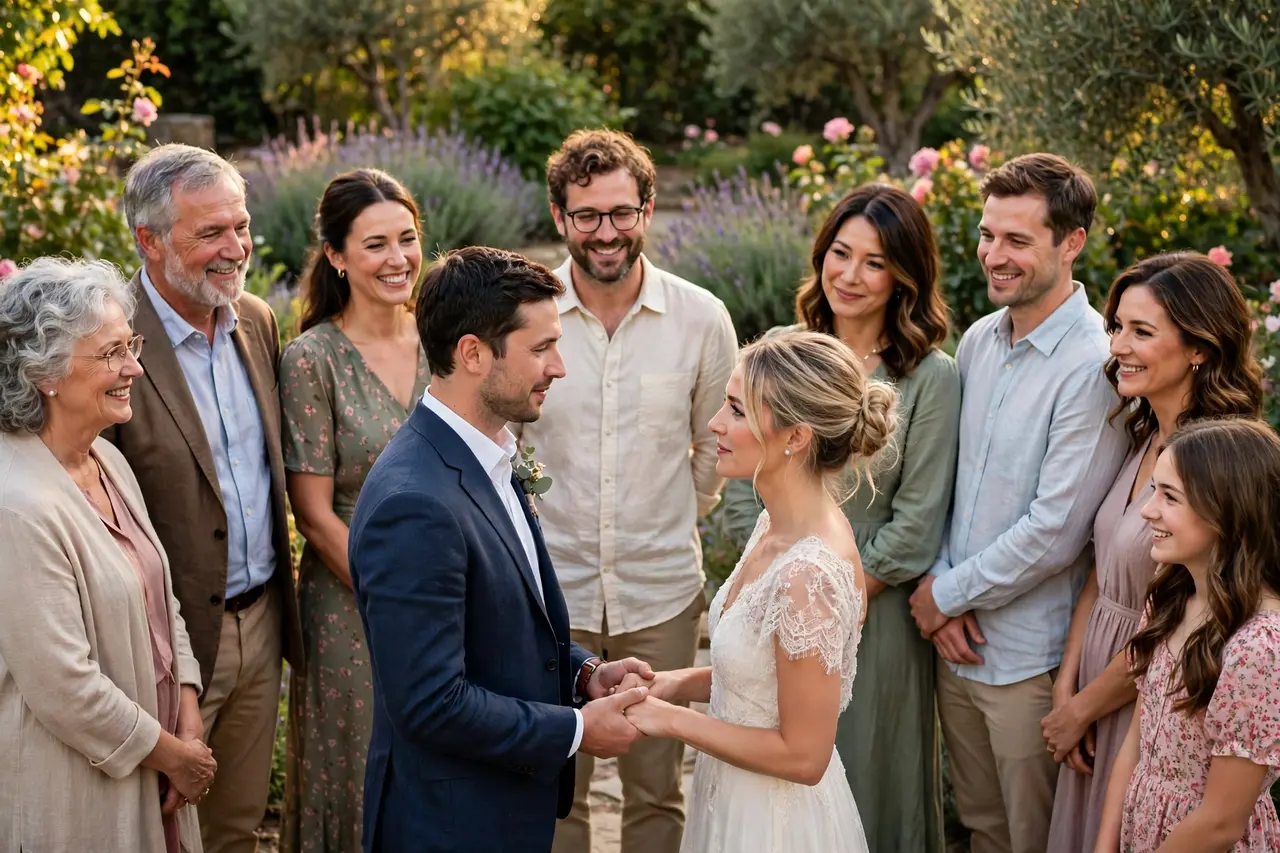
There is a particular magic to a small vow renewal that a big one cannot replicate. It is the magic of eye contact — of looking around your ceremony and actually seeing every face, knowing every name, remembering exactly why each person is there. No receiving line. No table assignments. No performing for the back row. Just the people who know your story best, gathered close enough to hear your voice shake.
Small vow renewals are having a moment, and it is not hard to see why. Couples are emerging from years of elaborate wedding culture with a clear-eyed question: what actually mattered? The answer, overwhelmingly, is the vows and the witnesses — not the headcount. A ceremony with eight people who love you will out-memorize a ballroom of 200 acquaintances every time, because intimacy is not a compromise. It is an upgrade.
This guide is your complete playbook for a small vow renewal ceremony: why smaller works, how to think about guest count, fifteen concrete ideas for small-scale ceremonies, planning logistics that change (for the better) at small sizes, budget comparisons, and answers to the questions that come up when you go intimate. Whether “small” means just the two of you or thirty of your nearest, you will find your shape here.
The Case for Keeping It Small
Start with the emotional math. At a 150-person renewal, you will spend roughly four minutes per guest if you try to speak to everyone — which means you will speak meaningfully to almost no one, and you will spend the day managing rather than experiencing. At a 15-person renewal, you can have a real conversation with every single person there. You can look each of them in the eye during your vows. They can cry without feeling watched by strangers. The ceremony becomes a shared experience instead of a performance, and shared experiences are what memories are made of.
Then there is the honesty factor. Big ceremonies subtly pressure couples toward generality — you cannot tell the emergency-room story in front of your boss’s wife. Small ceremonies liberate specificity. With only your inner circle present, your vows can name the real things: the rough patch, the fear, the joke only six people understand. Guests consistently report that small ceremonies move them more, precisely because the words were not sanded down for a crowd.
Logistics, of course, transform completely. A small renewal can happen in your living room, at your favorite restaurant’s back table, on a hiking trail, in a chapel that seats twenty. Venues that would laugh at a 200-person inquiry will welcome fifteen people with open arms — often for free or close to it. Catering becomes a great restaurant instead of a banquet contract. Photography becomes one talented friend instead of a team. Every line item on the budget shrinks, which means every dollar you do spend buys more quality.
Finally, there is the repeatability argument. A small renewal is easy enough to do again — in five years, in ten, on a Tuesday because you felt like it. Couples who go small often discover they have accidentally started a tradition: a regular recommitment ritual that keeps the marriage’s story current. The big ballroom happens once. The small ceremony becomes part of the marriage itself.
How Small Is Small? The Guest-Count Tiers
“Small” covers a wide range, and each tier has its own character. Understanding the tiers helps you choose — and helps you explain your choice to anyone who asks.
| Tier | Guest Count | Character | Typical Venue | Budget Feel |
|---|---|---|---|---|
| Just Us | 2 (+ officiant/photographer) | Private, sacred, intense | Anywhere meaningful | $200–$1,500 |
| Inner Circle | 3–10 | Warm, conversational, deep | Home, restaurant, park | $500–$3,000 |
| Gathering | 11–25 | Festive but personal | Backyard, small venue, chapel | $1,500–$6,000 |
| Intimate Party | 26–50 | Lively, still knowable | Restaurant buyout, garden venue | $4,000–$12,000 |
The sweet spot for most couples is the Inner Circle or Gathering tier: enough people to feel celebrated, few enough that every face matters. Notice how the tiers map to venues — as the count drops, the world’s most meaningful locations (your home, your favorite trail, the restaurant where you met) become available. That is not a coincidence. Small guest counts unlock place, and place is half the ceremony.
A word on the politics of small: someone will be disappointed not to be invited, and that is okay. The kindest approach is clarity delivered early — “we are keeping it to our ten closest people” — rather than apologetic vagueness. Most people understand instantly. The ones who do not were probably not inner-circle material anyway. Protect the intimacy; it is the whole point.
Fifteen Small Vow Renewal Ceremony Ideas
Each idea below is designed for 25 or fewer guests. Pick the one that matches your marriage’s personality — or combine two.
1. The living-room ceremony. Clear the furniture, arrange chairs in a circle, and exchange vows in the room where your actual life happens. There is no venue more meaningful than home, and no audience more honest than the people who have sat on that couch. Tier: Inner Circle. For room-by-room inspiration, see marriage anniversary decoration ideas at home.
2. The chef’s-table renewal. Book the chef’s table or private dining room at a beloved restaurant for your twelve favorite people. Say your vows between the appetizer and the main course, with the chef as an honorary witness. Dinner is the reception. Tier: Inner Circle.
3. The circle of stories. Seat everyone in a circle. Before your vows, each guest shares a two-minute memory of your marriage — the funnier and more specific the better. Then you exchange vows into a room already full of your own story. Tier: Inner Circle or Gathering.
4. The sunrise hike. Take your eight favorite people up a trail at dawn. Vows at the summit, thermoses of coffee, breakfast sandwiches at the top. The shared effort bonds the group, and the view does the decorating. Tier: Inner Circle.
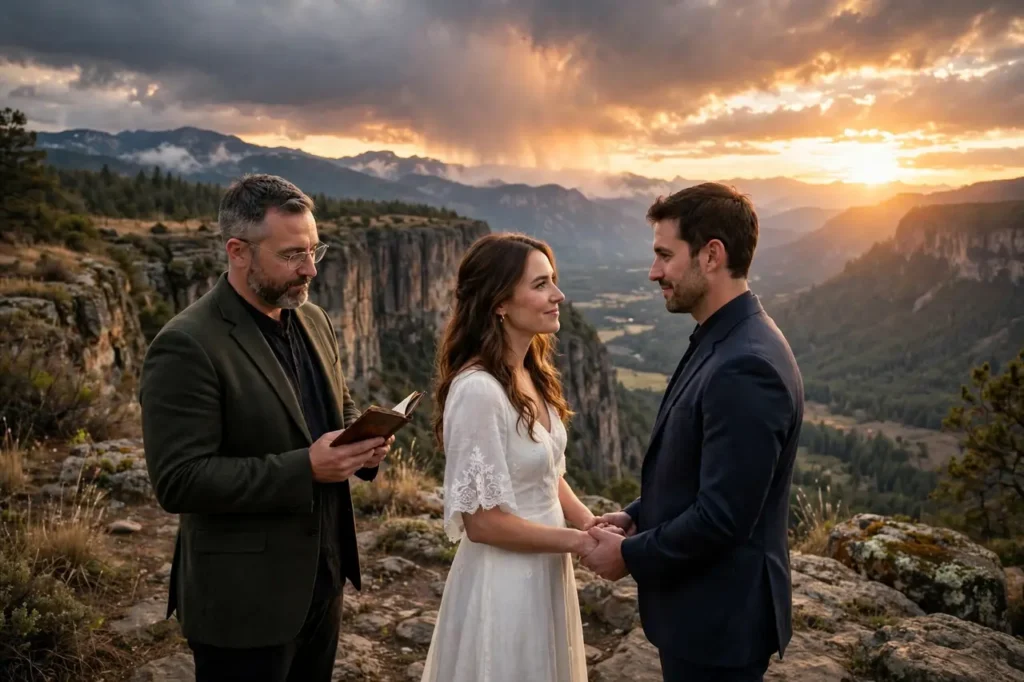
5. The backyard evening. String lights, a simple arch, twenty chairs on the lawn, a grill going for dinner after. The backyard renewal is the quintessential small ceremony — personal, affordable, and effortlessly warm. Tier: Gathering.
6. The chapel hour. Many historic chapels seat 20 to 40 and rent by the hour for a fraction of ballroom prices. An hour in a beautiful small chapel — vows, a song, a blessing — followed by dinner nearby is timeless. Tier: Gathering.
7. The wine-bar vow. Reserve the back room of a wine bar for fifteen people. Exchange vows, then let the sommelier lead a tasting where each wine is paired with a chapter of your marriage. Sophisticated, delicious, memorable. Tier: Inner Circle.
8. The family-table ceremony. Host a long-table dinner for twenty at home or a rented house. Clear the plates after the main course, stand at the head of the table, and exchange vows with everyone seated — no standing, no processional, just words over candlelight. Then dessert. Tier: Gathering.
9. The art-gallery hour. Many small galleries rent for intimate events at surprisingly low rates — and your ceremony among the art, with 20 guests, feels impossibly chic. Vows, a string duo or playlist, wine after. Culture + romance + intimacy. Tier: Gathering.
10. The picnic renewal. A beautiful park, a gorgeous spread (charcuterie boards, good bread, champagne), blankets and low tables. Vows at golden hour, then everyone eats where they sit. Relaxed, affordable, and photogenic beyond reason. Tier: Inner Circle or Gathering.
11. The bookstore ceremony. Independent bookstores often host small events — and exchanging vows among the shelves, surrounded by stories, is catnip for literary couples. Read to each other from a beloved book as part of the vows. Tier: Inner Circle.
12. The sunrise beach. Dawn, an empty beach, your ten favorite people, vows with the sun rising behind you. No decor needed — the sky handles it. Breakfast together after. The most beautiful free venue on earth. Tier: Inner Circle.
13. The mountaintop promise. For the active and the bold: hike (or drive) to a summit with your smallest circle and exchange vows above the world. The effort of getting there becomes part of the vow’s meaning. Tier: Just Us or Inner Circle.
14. The vow-and-dinner party. The simplest social format: host a great dinner party, and tuck a ten-minute vow exchange between the main course and dessert. Guests came for dinner; they witness a recommitment. The surprise makes it unforgettable. Tier: Inner Circle or Gathering. Set the table beautifully with ideas from marriage anniversary table decoration ideas.
15. The annual tradition starter. Use this small renewal to launch a ritual: every anniversary, the same small group (or just the two of you), new vows, same spot. The first one is a ceremony; the tenth is a legacy. Small makes repetition possible — and repetition is what turns moments into traditions. Tier: any small tier.
Planning a Small Ceremony: What Changes
Small does not mean effortless — it means differently effortful. Here is what to know.
Venues open up. Restaurants, galleries, chapels, parks, boats, and homes all become viable at small sizes — many for free or a nominal fee. Book 2 to 4 months out; small venues have less competition but also less inventory. Always visit at your planned ceremony time to check light and noise.
Catering gets better. At 15 guests, you can afford the great restaurant, the beloved food truck, or the ambitious home-cooked menu. Per-person quality goes up as headcount goes down — one of the great joys of going small. Consider a private chef for the evening; at small counts it is often cheaper than catering.
Photography matters more, not less. With no crowd to hide in, every photo is intimate — which means a skilled photographer is worth more, not less. Book a photographer whose portfolio shows small, emotional events. Two hours of coverage is usually plenty for a small ceremony.

The program can breathe. Small ceremonies support formats that big ones cannot: the story circle, individual toasts from every guest, a group vow, a long leisurely meal with speeches between courses. Use the intimacy — program for it rather than in spite of it. For planning the meal-centered versions, romantic marriage anniversary date ideas at home has menus and formats worth stealing.
Communicate the size with warmth. “We are keeping it tiny — just our ten favorite humans” lands better than a vague apology. People understand small; what stings is feeling excluded without explanation. Be clear, be warm, and consider a casual open-house or video call for the wider circle afterward.
Small Ceremony Budget Comparison
| Element | Just Us (2) | Inner Circle (10) | Gathering (25) |
|---|---|---|---|
| Venue | $0 (meaningful spot) | $0–$300 (home/park/restaurant) | $200–$1,000 (small venue) |
| Food & drink | $100–$300 (nice dinner) | $300–$1,000 (restaurant/private chef) | $750–$2,500 (catering) |
| Photography | $0–$500 | $300–$800 (2–3 hrs) | $500–$1,200 (half day) |
| Flowers & decor | $30–$100 | $75–$300 | $150–$500 |
| Attire | $0–$200 | $0–$300 | $100–$500 |
| Typical total | $130–$1,100 | $675–$2,700 | $1,700–$5,700 |
Watch: Why Small Vow Renewals Win
This lovely film from Simply Eloped — specialists in intimate ceremonies — makes the case for renewing your vows beautifully and personally, without the production. It is a perfect watch if you are still deciding between small and grand.
The Small-Ceremony Guest Experience: Making 15 People Feel Like the Event of the Year
A common worry about small ceremonies: will it feel like an event, or just a nice dinner with some words? The answer depends entirely on how you treat your guests. At a big wedding, the production creates the occasion. At a small renewal, attention creates it — and attention is free. Here is how to make every guest feel like they attended the event of the year.
Invite like it matters. Even for 12 people, send a real invitation — paper or a beautiful digital one — with the story: why you are renewing, why they are invited, what to expect. A thoughtful invitation tells guests this is not casual. It sets the emotional register weeks in advance, and guests arrive already feeling honored. Include one personal line per guest if you can (“we want you there because you saw us through 2019”). That line will be kept forever.
Give everyone a role. The secret weapon of small ceremonies: participation. With 15 guests, you can give every single person something to do — a reading, a toast, carrying flowers, lighting a candle, reading one line of a group blessing, taking charge of the playlist. Roles transform guests from audience into cast, and cast members remember the show forever. Ask early, keep assignments small, and watch people rise to the occasion.
Feed them exceptionally. At small counts, per-person food budgets stretch wonderfully. This is where you serve the meal you would serve at a restaurant you love — or hire the private chef, or cook the ambitious menu. Guests remember food more than decor at every event ever studied; at a small renewal, an extraordinary meal becomes the day’s second ceremony. Do not skimp here. This is the splurge that pays.
Create one unforgettable moment per guest. With 15 people, you can afford personal touches at scale: a handwritten note at each place setting recalling a specific memory with that guest. A photo of you with each guest displayed or gifted. A toast that names each person. These micro-moments cost almost nothing and make guests feel seen — which is the rarest luxury at any celebration.
Let it run long. Big events run on tight timelines; small gatherings should not. The luxury of a small renewal is unhurried time — the three-hour dinner, the lingering conversation, the second bottle opened because nobody wants the night to end. Do not over-program. Build in generous unscheduled time and protect it. The best moments of small ceremonies are always the unplanned ones: the story someone tells, the song someone sings, the toast nobody expected.
Send them home with something. A small favor with meaning beats an expensive generic one: a candle with a note, a photo from the day printed on the spot, a jar of your famous jam, the playlist. Better yet, send photos within a week — a shared album of the day’s best moments, with a thank-you note. The follow-through extends the event’s glow and tells guests their presence mattered.
The math of it. Fifteen guests, each given a role, a personal note, an exceptional meal, and unhurried time: that is not a small event. That is the most lavishly attentive event those fifteen people will attend all year. Bigness was never about headcount. It was about how the guests felt — and at a small renewal done right, they feel like the most important people in the world. Because to you, they are.
Small Ceremony, Big Feelings: Managing the Emotions
Small ceremonies are emotionally intense — more intense, often, than big ones. Without a crowd to diffuse the feeling, every emotion lands directly. Couples are frequently surprised by how overwhelming a 12-person ceremony feels compared to the 150-person wedding they once had. Here is how to navigate the beautiful overwhelm.
Expect it to hit harder. At a big wedding, you perform; at a small renewal, you feel. The vows are spoken to faces you know intimately, in a room small enough that every tear is visible. Many couples report that their small renewal moved them more than their wedding — not because the wedding was lacking, but because intimacy concentrates emotion the way a lens concentrates light. Knowing this in advance transforms surprise into readiness.
Build in breathing room. Do not schedule the ceremony back-to-back with anything. Give yourselves 30 unscheduled minutes before (to arrive emotionally, not just physically) and keep the post-ceremony transition gentle — no receiving line, no immediate toasts. Let the feeling land before the party begins. The best small ceremonies have soft edges: time to cry, to hug, to stand in the afterglow without being managed.
Normalize the tears — everyone’s. In a small room, one person’s tears start a chain reaction, and that is a feature, not a bug. Tell your guests in the welcome: “There will be tears. Let them come.” Provide tissues visibly (a basket, not hidden). When the officiant or a guest cries mid-reading, pause with warmth, not panic. The shared vulnerability is what makes small ceremonies unforgettable — it is the group feeling something true together.
Have a grounding plan. If you tend to get overwhelmed, agree in advance on a grounding signal with your partner — a squeeze of the hand, a shared breath, a sip of water. Print your vows large so tears do not blur them. Keep water within reach. And remember the secret every officiant knows: pausing is more powerful than powering through. A ten-second pause, hand in hand, eye to eye, while the room holds its breath — that is not a breakdown. That is the ceremony at its peak.
Let the guests feel it too. Small ceremonies sometimes make guests feel self-conscious about their own emotions (“everyone can see me crying”). Dissolve this by naming it: the officiant’s welcome can include “this is an intimate gathering, and feelings are welcome here.” When the hosts model emotional openness, guests follow. The result is a room full of people who stopped performing and started feeling — which is the rarest atmosphere any celebration can achieve, and the one your small renewal is perfectly designed to create.
The One-Page Small Ceremony Planner
Strip small-ceremony planning to its essentials and it fits on one page. Here is the whole plan, in order: 1. Choose your number (2, 10, 25 — let the venue and your heart agree). 2. Choose your place (somewhere meaningful that holds your number comfortably). 3. Choose your date (your anniversary, or the nearest Saturday — meaning beats precision). 4. Invite personally (a call or a beautiful message, not a mass text; tell each person why they made the list). 5. Write the vows (start three weeks out; finish three days out; read aloud twice). 6. Assign the roles (officiant, photographer, music-human, point person — four roles cover everything). 7. Plan the food (the great restaurant, the private chef, the ambitious home menu — feed them well). 8. Handle the logistics (parking, bathrooms, weather backup, sound check — the unglamorous list). 9. Rehearse once (walk the space, test the sound, read the vows aloud in the actual spot). 10. Be present (the plan is done; your only job on the day is to feel it). Print this, check the boxes, and enjoy the simplest event plan you will ever execute — because the smallness does half the work for you.
Frequently Asked Questions
How small is too small for a vow renewal?
There is no minimum. Just the two of you is a complete ceremony — many couples say the just-us renewal was the most romantic thing they have ever done. The right size is the one where every person present matters to the marriage. If that is two, it is two.
Will people be offended if they are not invited?
Some might feel a pang, but clear, warm communication prevents real offense. “We kept it to our ten closest people” is universally understood. Most people are relieved, frankly — small ceremonies free the wider circle from obligation. Consider sharing photos or a video afterward so everyone feels included.
Can a small ceremony still feel like an “event”?
Yes — intimacy and occasion are not opposites. Dress well, set a beautiful table, hire the photographer, play the music. The markers of occasion (intention, beauty, ritual) work at any size. A 12-person ceremony with candles, vows, and a great meal feels every bit as significant as a ballroom — often more so.
What is the best venue for a small vow renewal?
Your home, a beloved restaurant’s private room, a small chapel, a scenic park, or a meaningful outdoor spot. The best venue is one with personal meaning that comfortably holds your count — meaning first, beauty second, convenience third. Visit at ceremony time before committing.
How do we handle the “program” with so few people?
Lean into formats big ceremonies cannot do: a story circle where each guest shares a memory, individual toasts, a group vow or blessing, a leisurely multi-course meal with speeches between courses. Small programs should feel like a gathering, not a show — conversational, unhurried, real.
Should we still hire a photographer for a tiny ceremony?
Yes — arguably more so. Small ceremonies produce the most emotionally rich photos (no crowd, no distance, all feeling), and you will want them. Two to three hours of coverage from a photographer experienced with intimate events is the sweet spot. It is the best money a small ceremony can spend.
Can we have a small ceremony now and a big party later?
Absolutely — this is an increasingly popular approach. Exchange vows intimately (just you, or your inner circle), then throw a larger celebration party weeks or months later where you share the story and photos. You get the intimacy and the party, each in its ideal form.
How far in advance should we plan a small renewal?
Two to four months is plenty for most small ceremonies — the logistics are light. If you want a specific small venue, photographer, or date (like your actual anniversary), book those first, as far out as needed. The vows themselves deserve at least a few weeks of thought. Everything else can come together quickly.
Conclusion: Small Is Not Less — It Is More, Concentrated
A small vow renewal is not a wedding with the volume turned down. It is a different thing entirely: a ceremony distilled to its essence — two people, true words, and the witnesses who know what those words cost. No performance. No strangers. Just the concentrated truth of your marriage, spoken where everyone can hear it.
So gather your ten favorite humans, or your two, or just each other. Stand somewhere meaningful. Say the true thing. The smallness is not a compromise you are making. It is the gift you are giving — to your guests, to your marriage, and to yourselves. Here is to small ceremonies and enormous love.