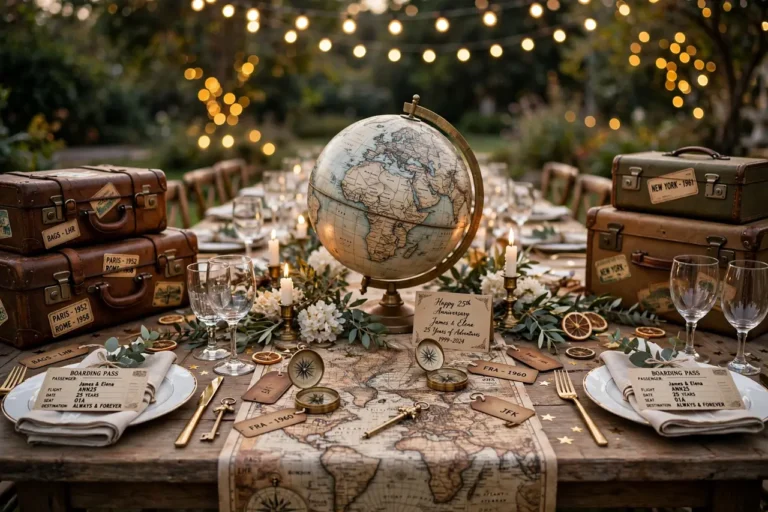
The way to a memorable Rose Day dinner is not a restaurant reservation — it is your own kitchen, two sets of hands, and recipes designed for exactly two people. Cooking together is one of the most romantic things a couple can do: the teamwork, the tasting, the flour on the nose, the first bite of something you made side by side. But romantic cooking has rules. The wrong recipe — fussy, stressful, scaled for eight — turns the evening into a dishwashing marathon. The right recipes make you look like a chef while barely trying.
This collection gives you four complete, tested-style recipes scaled precisely for two: an elegant appetizer, a showstopper main, a perfect side, and a chocolate dessert designed to end the evening on a high. Plus a bonus rose cocktail, an alternative main for variety, a full vegetarian menu, four complete menu pairings for different tastes and budgets, a stress-free prep timeline, and answers to the questions home cooks ask most. Every recipe includes ingredients, step-by-step method, timing, and make-ahead notes — everything you need to cook with confidence.
The Rules of Romantic Cooking for Two
Before the recipes, the strategy that makes them work. Rule 1: Cook what you can mostly make ahead. Romance dies when one person is frantically searing while the other waits. Choose recipes where 70% of the work happens before the evening starts, leaving only finishing touches — searing, plating, warming — for go-time. Rule 2: Scale precisely for two. Recipes written for four do not simply halve well; seasonings, cooking times, and pan sizes all shift. Every recipe below is engineered for two servings — no math, no leftovers mountain.
Rule 3: One showstopper, not three. A romantic dinner needs exactly one “wow” dish. If the main is ambitious, keep the appetizer and dessert simple; if dessert is the star, keep the main straightforward. Three ambitious dishes means three chances for stress. Rule 4: Plate like you mean it. The same food on a warmed plate, wiped clean at the edges, with a garnish, looks and tastes twice as good. Buy a squeeze bottle for sauces if you want the restaurant look — it costs $2 and transforms plating. Rule 5: The kitchen gets cleaned as you go. Nothing kills the post-dinner mood like a disaster zone. Wash or stack as you cook; future-you, lingering over dessert, will be grateful.
Rule 6: Cook together when you can. The most romantic version of these recipes is not one person performing while the other watches — it is both of you in the kitchen, dividing tasks, tasting from the same spoon, bumping hips at the stove. Assign roles: one person handles the sear, the other the sauce; one stirs the risotto while the other pours the wine. Couples who cook together report the meal tasting better, and they are right — shared effort seasons food in a way no spice can. Even the cleanup, done together with music on, becomes part of the evening rather than its end.
Recipe 1: Burrata with Blistered Tomatoes and Basil (Appetizer)
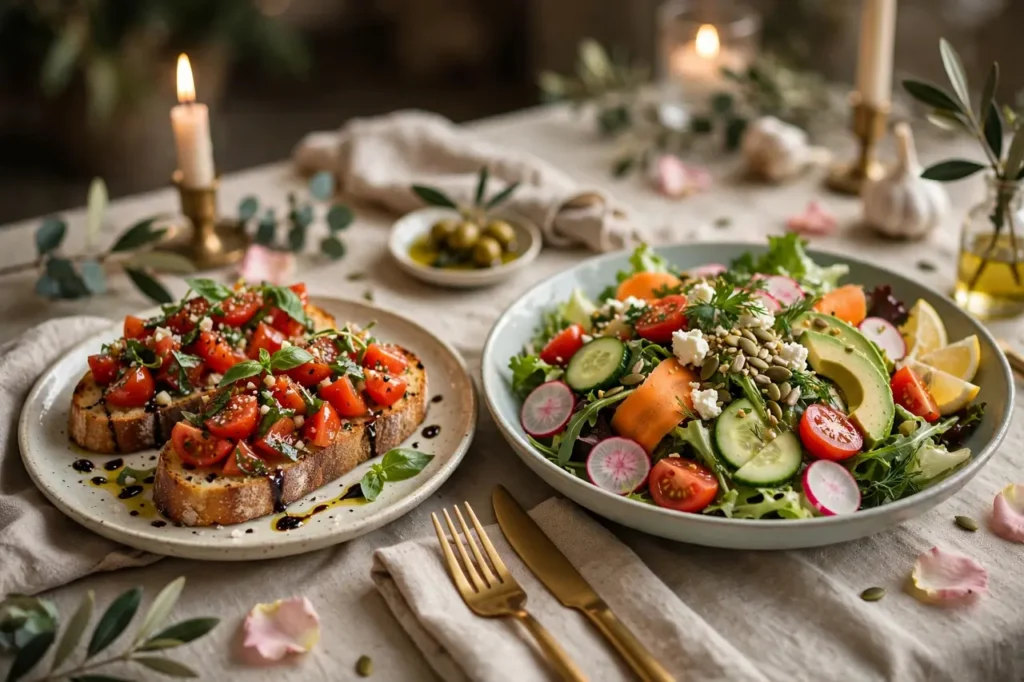
Why it works: Five ingredients, fifteen minutes, looks like a restaurant appetizer. Creamy burrata against sweet blistered tomatoes is the kind of contrast that makes people close their eyes on the first bite. Time: 15 minutes. Make-ahead: none needed — it is fastest fresh.
Ingredients (for 2): 1 ball fresh burrata (4 oz); 1 pint cherry tomatoes; 2 tablespoons olive oil, plus more for drizzling; 2 cloves garlic, thinly sliced; flaky sea salt and cracked black pepper; fresh basil leaves; crusty bread for serving.
Method: Heat the olive oil in a skillet over medium-high heat until shimmering. Add the cherry tomatoes and cook, shaking the pan occasionally, until they blister and char in spots and start to burst — about 5–7 minutes. Add the sliced garlic in the last minute (it burns fast) and cook until golden. Season generously with flaky salt and pepper. Place the burrata in the center of a shallow serving plate, spoon the hot tomatoes and their juices around it, drizzle with your best olive oil, and scatter torn basil over everything. Serve immediately with warm crusty bread. The hot-cold, creamy-acidic contrast is the whole dish — do not skip warming the bread.
Romantic note: Serve this as a shared plate in the middle of the table, not as two separate portions. Sharing food is intimacy made edible — and reaching across the table for the last tomato is practically a love language.
Recipe 2: Pan-Seared Filet Mignon with Red Wine Pan Sauce (Main)
Why it works: Filet mignon is the most foolproof luxury protein — tender, mild, and nearly impossible to ruin if you respect the thermometer. The red wine pan sauce tastes like a restaurant and takes five minutes. Time: 30 minutes (plus resting). Make-ahead: bring steaks to room temperature 45 minutes before cooking; make the sauce base ahead if you like.
Ingredients (for 2): 2 filet mignon steaks, 6–8 oz each, at least 1.5 inches thick; kosher salt and cracked black pepper; 1 tablespoon neutral oil; 2 tablespoons butter; 2 sprigs fresh thyme (or 1 sprig rosemary); 1 small shallot, minced; 1/2 cup dry red wine; 1/2 cup beef stock; 1 teaspoon Dijon mustard.
Method: Pat the steaks very dry and season aggressively with salt and pepper on all sides — more than feels reasonable. Let them sit at room temperature for 45 minutes. Heat the oil in a heavy skillet (cast iron ideal) over high heat until just smoking. Sear the steaks 3–4 minutes per side for medium-rare, adding the butter and thyme in the last 2 minutes and basting the foaming butter over the steaks. Transfer to a warm plate, tent loosely with foil, and rest 8–10 minutes — non-negotiable; resting redistributes the juices.
While the steaks rest, make the sauce in the same pan: pour off excess fat, sauté the shallot 1 minute, add the wine and scrape up the browned bits, then add the stock and simmer until reduced by half and slightly syrupy, about 4–5 minutes. Whisk in the Dijon and any resting juices from the plate. Slice the steaks against the grain, fan on warmed plates, and spoon the sauce over. Serve with the side dish below.
Chef’s tips: Use a thermometer — 130°F internal for medium-rare after resting (pull at 125°F). Do not press the steaks with a spatula (it squeezes out juice). If filet is beyond budget, the identical method works beautifully with strip steaks or, for a different direction, thick pork chops. For a non-beef alternative that is equally romantic, see the menu pairings table below.
Recipe 3: Garlic-Parmesan Mashed Potatoes (Side)
Why it works: The perfect supporting actor — creamy, comforting, and happy to wait while you sear the steaks. Time: 25 minutes. Make-ahead: fully; reheat gently with a splash of cream.
Ingredients (for 2): 1 lb Yukon Gold potatoes, peeled and quartered; 3 cloves garlic, peeled; 3 tablespoons butter; 1/4 cup warm heavy cream; 1/4 cup grated Parmesan; salt and white pepper; chives for garnish.
Method: Boil the potatoes and garlic together in salted water until completely tender, 15–18 minutes. Drain well and return to the hot pot for 1 minute to steam dry — this is the secret to fluffy, not gummy, mash. Mash with the butter first, then beat in the warm cream and Parmesan until silky. Season with salt and white pepper (white pepper keeps the color pristine). Keep warm, covered, while the steaks cook; a spoonful of extra cream stirred in before serving revives them perfectly. Garnish with snipped chives.
Variation: For a lighter pairing with fish or chicken, swap in roasted asparagus with lemon and Parmesan: toss spears with olive oil and salt, roast at 425°F for 10–12 minutes, finish with lemon zest and shaved Parmesan. Equally elegant, half the richness — the right call if dessert is the evening’s showstopper.
Recipe 4: Chocolate Lava Cakes for Two (Dessert)
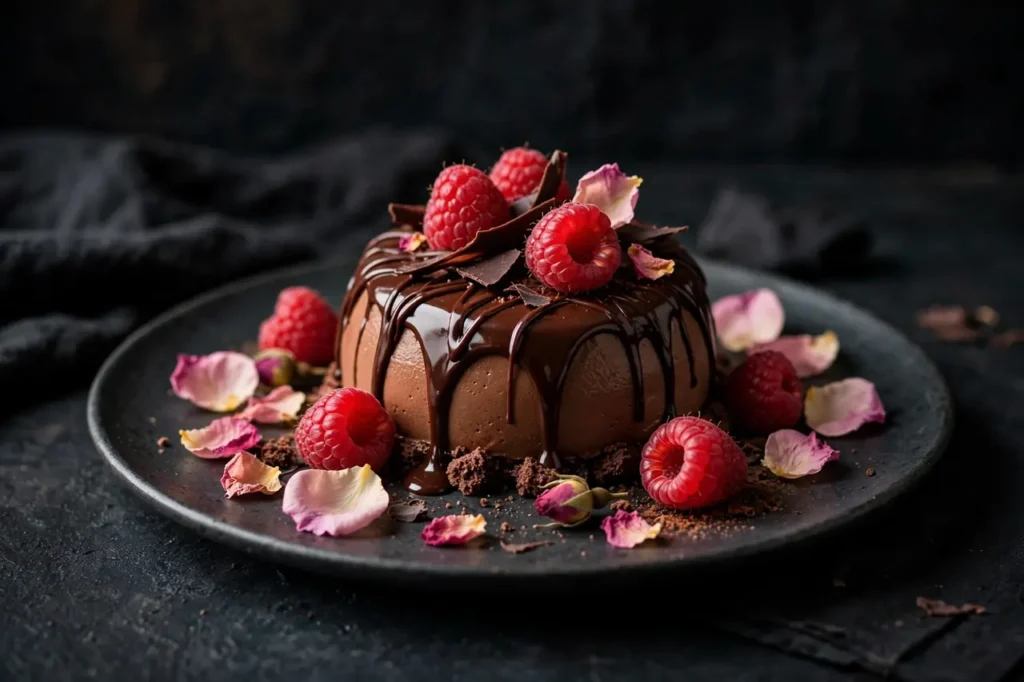
Why it works: The molten-center chocolate cake is the definitive romantic dessert — dramatic, indulgent, and far easier than its reputation. This version is engineered for exactly two ramekins and a guaranteed molten center. Time: 20 minutes. Make-ahead: assemble the batter in ramekins up to 4 hours ahead; refrigerate and bake when ready.
Ingredients (for 2): 4 oz good dark chocolate (60–70%), chopped; 1/2 cup (1 stick) butter, plus more for ramekins; 2 eggs + 1 yolk, room temperature; 1/4 cup sugar; pinch of salt; 2 tablespoons flour; cocoa powder for dusting; vanilla ice cream and fresh raspberries for serving.
Method: Heat the oven to 425°F. Butter two 6-oz ramekins generously and dust with cocoa powder, tapping out the excess. Melt the chocolate and butter together (microwave in 30-second bursts or over a double boiler), stirring until glossy; cool slightly. Whisk the eggs, yolk, sugar, and salt until thick and pale, about 2 minutes. Fold the chocolate into the eggs, then fold in the flour just until combined. Divide between ramekins.
Bake 11–13 minutes — the edges should be set and the centers still jiggly. This is the critical moment: underbaked by a minute is perfect (molten), overbaked by a minute is just chocolate cake (still good, less drama). Let stand 1 minute, run a knife around the edges, invert onto plates, and lift off the ramekins. Serve immediately with ice cream and raspberries. The contrast of hot cake, cold ice cream, and tart berries is the entire argument for this dessert.
The rose touch: scatter a few fresh, clean rose petals around the plates (unsprayed roses only — never use florist roses of unknown treatment on food). It is a small gesture that makes the dessert unmistakably Rose Day.
Bonus: The Rose Gin and Tonic (Cocktail for Two)
Why it works: Batched in a pitcher, served in beautiful glasses, unmistakably Rose Day. Time: 5 minutes (+1 hour optional steep). Make-ahead: fully — keep chilled.
Ingredients (for 2): 4 oz gin; 1 tablespoon dried culinary rose buds (food-grade); 8 oz good tonic water, chilled; ice; lemon twists and fresh rose petals for garnish. For a mocktail version, replace gin with 4 oz chilled hibiscus tea — the color and floral notes carry the drink.
Method: If time allows, steep the rose buds in the gin for 1 hour, then strain — this gives a gorgeous blush color and subtle floral aroma. (Skip the steep and just garnish if you are in a hurry.) Fill two large glasses with ice, divide the gin, top with tonic, and stir once. Express a lemon twist over each glass, drop it in, and float a fresh petal on top. Serve as the pre-dinner cocktail while the appetizer finishes — the ritual of the first sip marks the evening’s beginning. For a winter variation, swap the tonic for chilled prosecco and add a splash of elderflower liqueur; the result is festive, floral, and dangerously easy to drink.
4 Complete Menus: Pick Your Evening
| Menu | Appetizer | Main | Dessert | Best for |
|---|---|---|---|---|
| The Classic | Burrata & blistered tomatoes | Filet mignon, red wine sauce, mashed potatoes | Chocolate lava cakes | The full romantic production |
| The Italian | Bruschetta al pomodoro | Homemade pasta with slow-simmered ragù | Tiramisu (make a day ahead) | Couples who love cooking together |
| The Light & Bright | Seared scallops | Pan-roasted salmon, asparagus, lemon | Berry pavlova or lemon posset | When dessert is the showstopper |
| The Cozy | Baked brie with honey | Creamy Tuscan chicken with crusty bread | Chocolate mousse (make ahead) | Maximum comfort, minimum stress |
The Classic menu above is the four recipes in this collection, sequenced as an evening. The other three menus swap components for different tastes — the Italian for the hands-on couple, the Light & Bright for the health-conscious, the Cozy for the ultimate comfort night. All follow the same rules: one showstopper, mostly make-ahead, scaled for two. For more date-night cooking inspiration, our romantic recipes collection and dessert ideas beyond chocolate extend the repertoire.
Prep Timeline: The Stress-Free Evening
| When | Do this |
|---|---|
| Morning / day before | Make dessert components (mousse, tiramisu) or lava cake batter in ramekins; chill |
| 3:00 p.m. | Set the table; arrange roses; make the cocktail pitcher; chill wine |
| 5:00 p.m. | Prep all ingredients (mise en place); bring steaks to room temperature |
| 6:00 p.m. | Start potatoes; make appetizer components ready to assemble |
| 6:45 p.m. | Get dressed; light candles; pour cocktails |
| 7:00 p.m. | Assemble and serve appetizer (15 min) |
| 7:30 p.m. | Sear steaks; make pan sauce; plate mains |
| 8:15 p.m. | Bake lava cakes (12 min); serve dessert |
| 8:45 p.m.+ | The evening is yours — no more cooking |
Recipe 5: Creamy Tuscan Chicken (Alternative Main)
Why it works: For couples who prefer chicken — or when filet is beyond budget — this one-pan dish delivers restaurant richness with weeknight ease. Sun-dried tomatoes, garlic, spinach, and Parmesan cream: it tastes like the Italian restaurant, made in 30 minutes. Time: 30 minutes. Make-ahead: none needed; it is a true weeknight-to-date-night dish.
Ingredients (for 2): 2 chicken breasts (6 oz each), pounded to even thickness; salt, pepper, and 1 teaspoon Italian seasoning; 2 tablespoons olive oil; 3 cloves garlic, minced; 1/2 cup sun-dried tomatoes, sliced; 3/4 cup heavy cream; 1/2 cup chicken stock; 1/3 cup grated Parmesan; 2 cups fresh spinach; fresh basil for serving; crusty bread or pasta for two.
Method: Season the chicken and sear in olive oil over medium-high heat, 5–6 minutes per side, until golden and cooked through (165°F internal). Remove to a plate. In the same pan, sauté garlic 30 seconds, add sun-dried tomatoes, then pour in the cream and stock, scraping up the browned bits. Simmer 3–4 minutes until slightly thickened, stir in the Parmesan until melted, then wilt in the spinach. Return the chicken to the pan, spoon sauce over, and simmer 2 minutes to meld. Serve over pasta or with crusty bread for the sauce — the sauce is the point, so provide ample mopping material.
Why couples love it: everything happens in one pan, the sauce is forgiving (cream covers many sins), and it reheats beautifully if the evening runs long. It is the “we are too tired to be fancy but still want it to feel special” main — and honestly, most Rose Day evenings are exactly that. Serve it straight from the pan at the table for a rustic, abundant feel, with the bread in a cloth-lined basket and the wine already poured. The presentation says “abundance” while the effort says “relax” — the ideal combination for a weeknight Rose Day.
The Vegetarian Rose Day Menu
Romance is not meat-dependent. This full vegetarian menu follows the same rules — one showstopper, mostly make-ahead, scaled for two — and stands proudly beside any steak dinner.
Appetizer: Whipped ricotta crostini. Whip 1 cup ricotta with olive oil, lemon zest, salt, and honey until fluffy; spread on toasted baguette slices; top with roasted grapes (tossed in olive oil, roasted at 400°F for 15 minutes until blistered) and thyme. Sweet, creamy, and gorgeous.
Main: Wild mushroom risotto. The showstopper: arborio rice stirred with a mix of sautéed wild mushrooms (cremini, shiitake, oyster), finished with Parmesan, butter, and truffle oil if you are feeling luxurious. Risotto demands 20 minutes of stirring — do it together, with wine, taking turns. The stirring is the date.
Dessert: The lava cakes above — already vegetarian — or a raspberry pavlova: crisp meringue, whipped cream, and a mountain of berries. Dramatic, light after the rich risotto, and stunning with rose petals.
The vegetarian menu also happens to be the most budget-friendly of the collection — mushrooms and arborio rice cost a fraction of filet mignon — proving again that thought, not expense, makes the evening. Whatever menu you choose, the principles are identical: prep ahead, plate beautifully, be present, and let the meal be the backdrop for the conversation that actually matters.
Kitchen Equipment That Earns Its Keep
You do not need a chef’s kitchen, but a few tools transform date-night cooking. An instant-read thermometer ($15) is the single highest-ROI purchase — it eliminates all guesswork on meat doneness and is the difference between confident and anxious cooking. A heavy skillet (cast iron or stainless) sears properly where nonstick steams; if you buy one pan for romantic dinners, make it this. Ramekins for the lava cakes double as serving dishes for mousses and crème brûlées year-round.
A Microplane zester turns lemon zest, Parmesan, and garlic into restaurant-quality garnishes in seconds. Warmed plates — run them under hot water or stack in a low oven — keep food hot at the table far longer than cold plates, a small luxury with outsized impact. And a squeeze bottle ($2) for sauces gives you the plating control that makes home cooking look professional. None of this is required — the recipes work with basic equipment — but each item removes a friction point between you and a calm, confident evening.
Watch: Romantic Valentine’s Dinner Recipes
See three restaurant-quality romantic dinner recipes — filet mignon, steak marsala, and chicken piccata — demonstrated step by step, perfect inspiration for your Rose Day menu.
Rose Day Dinner Recipes: Frequently Asked Questions
What is the best main dish for a romantic dinner for two?
Filet mignon with pan sauce is the classic choice — luxurious, foolproof with a thermometer, and fast. Excellent alternatives: pan-seared salmon (lighter), creamy Tuscan chicken (comforting), or homemade pasta with ragù (for couples who love cooking together). Choose what you cook confidently.
How do I scale recipes down for two people?
Every recipe in this collection is already engineered for two — no math needed. As a general rule, proteins scale linearly (buy 6–8 oz per person), but seasonings, liquids, and cooking times do not halve cleanly; when adapting other recipes, keep seasonings at 2/3 of the original and check doneness early.
What dessert is most romantic for Rose Day?
Chocolate lava cake — the molten center is pure theater, and it is easier than it looks. Close seconds: chocolate mousse (fully make-ahead, zero evening stress), tiramisu (better made a day ahead), or fresh berries with quality chocolate for the minimalist.
Can I make any of this ahead of time?
Yes — strategically. Desserts (mousse, tiramisu, lava cake batter) are ideal make-aheads. Mashed potatoes reheat beautifully. The appetizer and the steak sear are best fresh, but all prep (chopping, measuring, room-temp steaks) happens in advance. The timeline table above sequences everything.
What if I am a beginner cook?
Choose the Cozy menu (baked brie, Tuscan chicken, mousse) — all forgiving, all impressive. Or make the evening a cook-together date where learning is the point. And remember: a simple meal executed calmly beats an ambitious meal executed frantically, every single time.
What wine pairs with filet mignon?
A medium-to-full red: Cabernet Sauvignon, Malbec, or a Chianti Classico. You do not need an expensive bottle — a $15–20 wine you enjoy beats a $50 wine chosen for the label. Decant 30 minutes before serving. For the full evening, our cocktails and mocktails for two guide covers the drinks program.
How do I keep the food warm while we eat each course?
Warm your plates (low oven or hot water), tent resting meat loosely with foil, and keep sides covered. Serve each course promptly rather than letting things sit — the timeline above spaces courses so nothing waits more than a few minutes. A warmed plate buys you 10 minutes of grace.
Are rose petals safe to use as garnish?
Only food-grade or unsprayed roses — never florist roses, which are treated with pesticides and preservatives not meant for consumption. Culinary rose buds and petals are sold at spice shops and online; homegrown unsprayed roses also work. When in doubt, use petals as decoration around the plate, not on the food.
What is a good vegetarian romantic main dish?
Wild mushroom risotto — it is luxurious, hands-on (stirring together is part of the date), and impressive. Other strong options: eggplant Parmesan, butternut squash ravioli with brown butter and sage, or a well-executed vegetable Wellington. The vegetarian menu section above builds a complete evening around risotto.
How do I time multiple courses without stress?
Work backward from dessert: the timeline table above sequences a full evening so nothing collides. The master principles: dessert first (it waits best), appetizer components prepped before guests sit, mains seared à la minute (they are fast), and a 30–45 minute gap between courses for conversation. Courses should breathe — rushing them ruins the pacing that makes a dinner feel like an occasion.
Four recipes, one pitcher of cocktails, and an evening built for two. Cook with confidence, plate with care, and let the food do what it has always done — bring people closer, one bite at a time. And remember the real secret of the romantic dinner: it was never about the food. The filet, the lava cake, the candlelight — they are all just scaffolding for the thing that actually matters, which is two people choosing, deliberately, to pay attention to each other for one whole evening. The recipes make that easy. You supply the rest.