

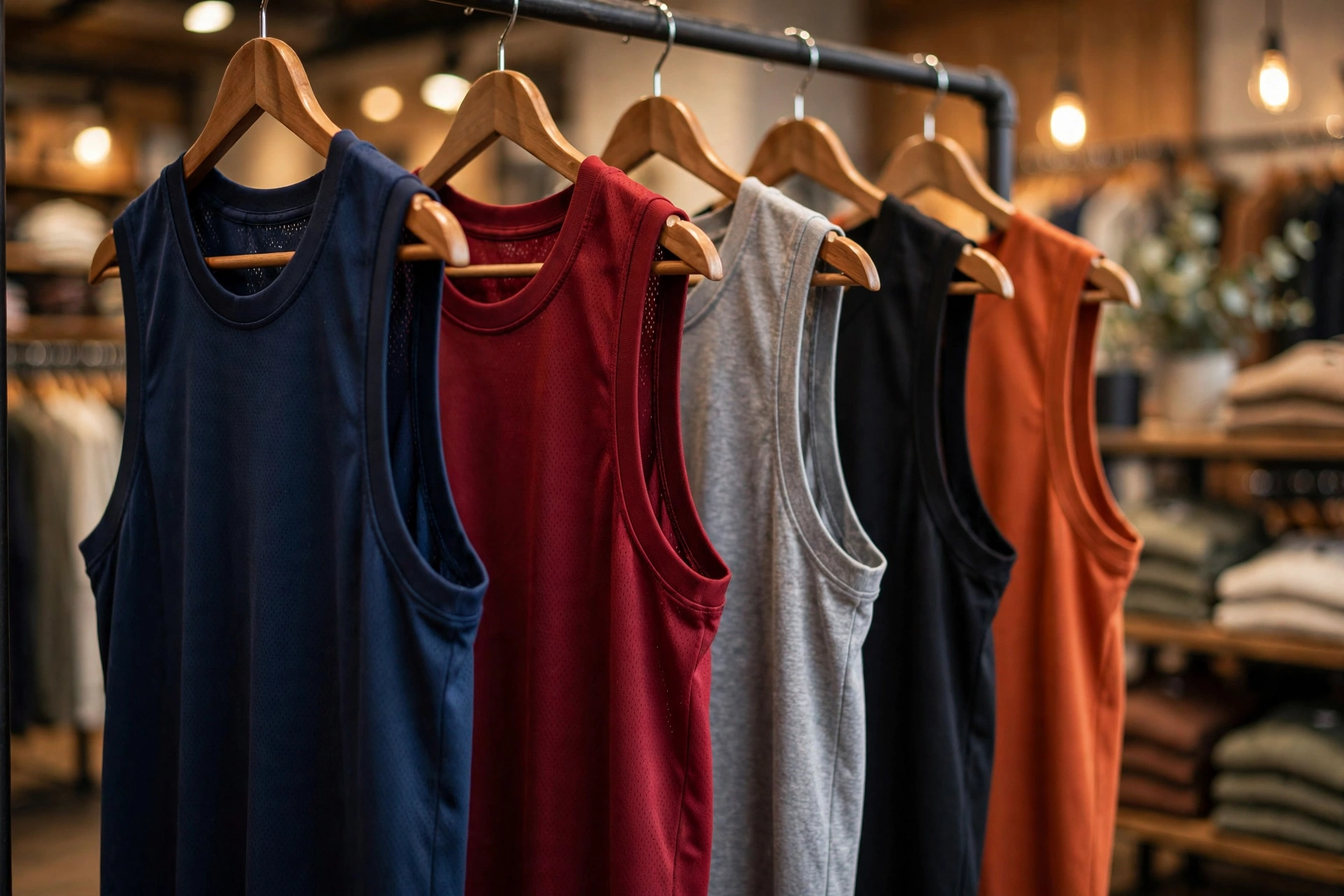
Buying an NBA jersey should be simple — pick your player, pick your size, done. Instead, first-time buyers face a maze: Swingman versus Authentic versus replica, Nike versus Mitchell & Ness versus Fanatics, stitched versus heat-pressed, Association versus Icon versus Statement editions, and a minefield of counterfeits. This nba jersey buying guide cuts through all of it: the jersey tiers explained with honest price ranges, how sizing actually works, how to spot fakes, where to buy safely, and how to care for your jersey so it lasts for years.
Whether you are buying your first jersey or adding to a collection, the goal is the same — get the right jersey at the right price, and avoid the disappointment of a peeling, misspelled fake. Here is everything you need to know before you spend a dollar.
The Three Tiers: Replica vs. Swingman vs. Authentic
Licensed NBA jerseys come in three main quality tiers. Understanding them is 90% of making a smart purchase:
| Feature | Replica (Fan) | Swingman | Authentic |
|---|---|---|---|
| Typical price | $60 – $80 | $110 – $160 | $200 – $400+ |
| Names & numbers | Screen-printed or heat-pressed | Heat-applied twill (stitched look) | Fully stitched twill |
| Fabric | Basic polyester mesh | Higher-quality mesh blend | Premium on-court performance fabric |
| Fit | Loose, casual | Relaxed, closer to player look | Athletic, true-to-player cut |
| Design accuracy | Simplified team look | Very close to on-court | Exact on-court replica |
| Durability | Moderate — graphics can peel | Good everyday durability | Highest — sewn details last |
| Best for | Budget shoppers, kids, casual wear | Most fans — the sweet spot | Collectors, superfans, on-court use |
Which tier should you buy?
- Buy Replica if: Budget is the priority, it is for a kid who will outgrow it, or you want a beater jersey for pickup games. Honest, affordable fandom.
- Buy Swingman if: You want the best balance of look, feel, and price. For the vast majority of fans, this is the right answer — it looks convincingly like what players wear at roughly half the Authentic price.
- Buy Authentic if: You are a collector, you want the exact on-court garment, or you play in the jersey and need performance fabric. The stitched details and premium materials are genuinely superior.
The Brands: Nike, Mitchell & Ness, and Fanatics
- Nike: The NBA’s official on-court outfitter since 2017. Nike makes the Authentic jerseys (the actual on-court product) and the Swingman line. If you want what the players wear right now, it is Nike.
- Mitchell & Ness: The king of throwbacks. This brand specializes in Hardwood Classics — faithful reproductions of historic jerseys from past eras, available in Swingman and Authentic tiers. For a 1990s Bulls or 1980s Lakers jersey, this is the gold standard.
- Fanatics: Makes the entry-level replica tier (often branded as “Fanatics Fast Break” replicas). Affordable and officially licensed — the most common jersey you will see in the stands.
All three are officially licensed, which means the league has approved the product and the quality. Anything outside these brands (or the NBA Store itself) deserves scrutiny — which brings us to fakes.
Jersey Editions: Association, Icon, Statement, City
Since Nike took over, every team releases multiple jersey editions each season, and the names confuse everyone at first:
- Association Edition: The traditional white home jersey. The classic look.
- Icon Edition: The traditional colored road jersey — the team’s primary color.
- Statement Edition: The bold alternate, often in black or a striking alternate colorway. Usually the most popular seller.
- City Edition: A new design each season honoring the team’s city — local culture, history, and landmarks woven into the design. These are annual collector’s items and often sell out.
- Classic Edition: Throwback designs honoring historic uniforms, rotated among teams each season.
There is no “better” edition — it is pure aesthetics. Statement and City editions tend to be the most distinctive and the most likely to become conversation pieces. If you are buying for a fashion-forward fan, start there.
Sizing: How NBA Jerseys Actually Fit
Jersey sizing is the number-one source of buyer’s remorse. Here is how to get it right:
- Check the brand’s size chart first. Nike, Mitchell & Ness, and Fanatics each publish chest measurements — use a tape measure, not your t-shirt size.
- Decide your fit intention. Want the baggy, throwback look? Size up. Want a modern athletic fit? Take your measured size. Authentic jerseys run slimmer and longer (they are cut for 6’6″ athletes); many fans size up one in Authentic.
- Swingman is the most forgiving. Its relaxed cut works for most body types at true size.
- Youth sizes exist across all tiers — do not buy an adult small for a kid; youth larges fit better and cost less.
- Women’s cuts are available in most popular players and teams, tailored differently from the men’s unisex cut.
- When in doubt, try one on. Sporting goods stores stock the same brands — find your size in any jersey from that brand and it will translate.
Spotting Fakes: The Counterfeit Checklist
Counterfeit jerseys flood online marketplaces, and they have gotten frighteningly good. Protect yourself with this checklist:
- Price too good to be true: An “Authentic” jersey listed at $40 is fake. Full stop. Compare against the price ranges in the tier table above.
- Buy from authorized sellers: The NBA Store, Nike, Fanatics, Mitchell & Ness, and major sporting-goods retailers. Marketplaces with third-party sellers are where fakes thrive.
- Check the jock tag: Authentic jerseys have a detailed jock tag at the lower front with size, manufacturing info, and holographic or coded elements. Fakes often have blurry, misspelled, or generic tags.
- Inspect the stitching: On Swingman and Authentic tiers, names and numbers should be cleanly applied twill — even edges, no loose threads, no bubbling. Fakes show wavy stitching and glue residue.
- Compare the details: Pull up the official product photo and compare the jersey you are considering down to the smallest detail — font shapes, stripe widths, logo placement. Counterfeits almost always get something subtly wrong.
- Feel the fabric: Licensed jerseys use quality mesh with a specific hand-feel. Paper-thin, plasticky, or oddly shiny fabric is a red flag.
- Check seller reviews and return policy: Legitimate sellers offer returns. A no-returns, ships-from-nowhere listing at 70% off is not a deal — it is a scam.
Custom Jerseys: Name and Number
Most official retailers offer customization — your name (or a nickname) and your number on a team jersey. A few things to know:
- Custom jerseys are typically final sale — no returns, so triple-check the spelling.
- Character limits apply (usually around 12 characters for the nameplate).
- Customization costs extra — typically $20-50 depending on the tier.
- Some retailers will not print names of current players on other teams or trademarked terms.
- A custom jersey with your name never goes out of style when players get traded — a genuine advantage in an era of constant roster movement. (Player movement is constant in the modern NBA — one more reason a custom jersey never goes stale.)
Caring for Your Jersey: Make It Last
A good jersey can last a decade with proper care — or one season without it. The rules:
- Wash cold, inside out, gentle cycle. Heat is the enemy of heat-pressed graphics and can warp twill.
- Hang dry or tumble low. Never use high heat. Better yet, air dry.
- Never iron directly on names, numbers, or logos. If you must de-wrinkle, use a steamer held at a distance or iron inside-out on low with a cloth barrier.
- Wash sparingly. Jerseys worn to games do not need washing after every wear — spot clean and air out between washes to preserve the graphics.
- Store folded or hung — avoid cramming into drawers, which cracks printed graphics over time.
When to Buy: Timing Your Purchase
| Timing | Price Situation | Selection |
|---|---|---|
| Season tip-off (October) | Full price, new City Editions drop | Best — every player and edition available |
| Holiday season | Frequent 20-30% sales | Good, but popular sizes sell out |
| All-Star break (February) | Mid-season promotions | Good |
| End of season / summer | Deepest discounts on outgoing designs | Picked over — but the deals are real |
| After a player is traded | Old-team jerseys get clearanced | Great deals if you love the player regardless of team |
The savvy move: buy your favorite player’s current team jersey at season start for full selection, and hunt clearance racks in summer for last season’s designs at 40-60% off. A jersey does not expire when the season does.
Throwback Jerseys: A Collector’s Primer
Throwback (Hardwood Classics) jerseys deserve special mention because they follow slightly different rules:
- Mitchell & Ness is the authority — their throwbacks are researched against the original garments, down to fonts and mesh patterns.
- Eras matter: The same franchise wore very different jerseys across decades. Decide whether you want the 90s pinstripes, the 80s Showtime gold, or the 70s ABA-inspired look — each is a different product.
- Authentic throwbacks replicate the original materials and cuts, which can fit very differently from modern jerseys (shorter, wider). Check era-specific sizing notes.
- Value retention: Limited Mitchell & Ness Authentics of iconic players hold value well; mass-market replicas do not appreciate. Buy throwbacks for love, not investment — but buy the good ones.
Jersey Collecting 101: Building a Collection
For many fans, one jersey becomes five, and five becomes a wall. If you are bitten by the collecting bug, collect smart:
- Start with your all-time favorite player, not the current hot name. Rookie-sensation jerseys are everywhere; the jersey you will still love in ten years is the one tied to your memories.
- Prioritize stitched over printed for pieces you want to keep long-term — Authentic and quality Swingman jerseys age far better than heat-pressed replicas.
- City Editions are natural collector’s items — produced for one season only, they become conversation pieces and sometimes appreciate.
- Keep the tags and receipts for premium purchases. Provenance matters if you ever resell, and it proves authenticity.
- Rotate what you wear. Collectors who wear every jersey evenly keep the whole collection in better shape than those who wear one favorite into the ground.
- Frame the grails. A signed or game-issued jersey belongs in a UV-protective display case, not in the wash. Framing a $300 Authentic is cheaper than replacing it.
Kids’ Jerseys: What Parents Should Know
Buying for a young fan has its own playbook:
- Buy the replica tier. Kids outgrow jerseys in a season or two — the $60-80 tier is the rational choice, and the quality is perfectly good for playground and school wear.
- Size with growth room. A slightly big jersey looks authentically baggy on a kid and buys you an extra year. Youth sizes are cut generously.
- Let them choose the player. The jersey they begged for gets worn 100 times; the one you picked gets worn twice.
- Consider the custom option with their own name and number — kids love it, it never becomes outdated by a trade, and it is usually cheaper than a star player’s jersey.
- Stain-treat early. Teach the cold-wash-inside-out routine from day one; kids’ jerseys live hard lives.
Buying a Jersey as a Gift: The No-Stress Playbook
Jerseys are among the most-gifted sports items — and the most returned, because gift buyers guess wrong. Follow this playbook:
- Find their size without asking: Check the tag on a hoodie or t-shirt they own from the same brand family. When truly guessing, a men’s medium or large covers the most adults; for kids, buy one size up from their current t-shirt.
- Pick the player carefully: The safest gift is their all-time favorite player, not the current rookie sensation. If they have strong team loyalty, any star on their team works. When in doubt, a custom jersey with their own name is unfailingly loved.
- Choose Swingman for gifts. It hits the sweet spot: impressive quality without the Authentic price, and the relaxed fit is forgiving on sizing guesses.
- Keep the gift receipt. Buy from a retailer with easy exchanges, and include the receipt — sizing swaps should be frictionless, not awkward.
- Time it right: Holiday sales (November-December) routinely knock 20-30% off, and buying before the season means full size availability.
- Presentation matters: Jerseys photograph beautifully folded in a box with tissue. Add a note about a memory — the game you attended together, the Finals you watched — and the gift becomes a keepsake.
The golden rule of jersey gifting: it is better to give a replica in the right size of the right player than an Authentic in the wrong size of a player they are lukewarm about. Thoughtfulness beats price tags.
Stadium vs. Street: Where You’ll Wear It
Match the jersey to its mission. For games: Swingman or Authentic — they look right under arena lights and survive the night. For pickup runs: Replica — breathable, cheap, and you will not mourn a snag. For the street: Statement or City editions in Swingman — they read as fashion, not costume. For the collection wall: Authentic or Mitchell & Ness throwbacks, framed and untouched. One jersey cannot do all four jobs well; the fans with the best rotations own different tiers for different arenas of life.
Frequently Asked Questions
What is the difference between Swingman and Authentic NBA jerseys?
Authentic jerseys are the exact on-court product: premium performance fabric, fully stitched twill names and numbers, and a true athletic cut ($200-400+). Swingman jerseys use heat-applied twill instead of stitching and a more relaxed fit at roughly half the price ($110-160) — the best value for most fans.
How should an NBA jersey fit?
It depends on the look you want. Swingman jerseys fit true to size with a relaxed cut. Authentic jerseys run slimmer and longer — many fans size up one. For a baggy throwback look, size up; for a modern athletic fit, take your measured size from the brand’s chart.
Where is the safest place to buy an NBA jersey?
The NBA Store, Nike, Fanatics, Mitchell & Ness (for throwbacks), and established sporting-goods retailers. Avoid third-party marketplace sellers offering steep discounts — those are overwhelmingly counterfeit.
How can you tell if an NBA jersey is fake?
Check the price (too cheap = fake), the jock tag details, the quality of stitching or heat application, the fabric feel, and compare every design detail against the official product photo. Blurry tags, wavy stitching, glue residue, and misspellings are giveaways.
What do the Association, Icon, Statement, and City editions mean?
They are Nike’s jersey lineup: Association (white home), Icon (colored road), Statement (bold alternate), and City (a new city-inspired design each season, often a collector’s item). Classic Edition throwbacks rotate among teams as well.
Can you wash an NBA jersey in the washing machine?
Yes — cold water, inside out, gentle cycle, then hang dry or tumble low. Never use high heat, and never iron directly on names, numbers, or logos.
The Bottom Line
The right NBA jersey is the one that matches your budget, your fit preference, and your fandom — which for most people means a Swingman in the edition whose design makes your heart beat a little faster, bought from an authorized seller, in your measured size. Avoid the too-good-to-be-true deal, wash it cold and inside out, and it will be with you for seasons of memories. Now go find your colors.


