
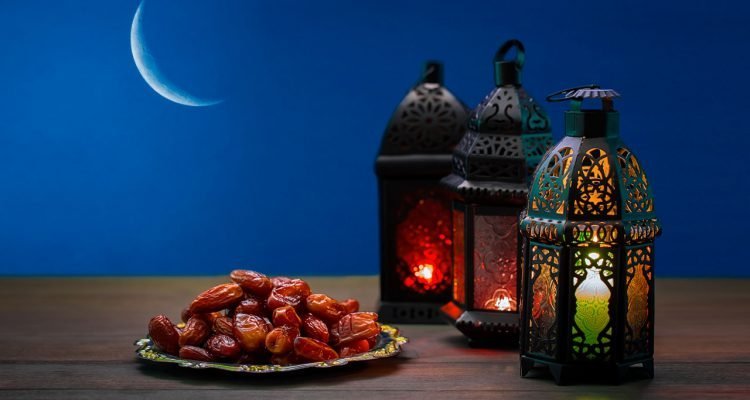
Looking for the best iftar quotes to share this Ramadan? Iftar — the blessed evening meal that breaks the daily fast during Ramadan — is one of the most cherished moments of the holy month. As the sun sets and the Maghrib adhan echoes from the mosques, millions of Muslims around the world gather with family and friends to break their fast, traditionally with dates and water, following the beautiful Sunnah of Prophet Muhammad ﷺ. It is a moment of gratitude, togetherness, and deep spiritual reflection after a full day of fasting, prayer, and self-restraint.
Whether you are searching for heartfelt iftar wishes to send to your loved ones, powerful iftar duas to recite at sunset, or inspiring quotes about breaking the fast, this collection brings together the finest iftar quotes from the Quran, authentic hadith, renowned scholars, and well-wishers across the globe. From short iftar captions for WhatsApp and Instagram to profound supplications and Prophetic traditions, these words capture the joy, mercy, and blessings of the iftar table. You may also love our Islamic quotes collection for more spiritual inspiration.
Browse through our themed sections below to find the perfect iftar message for every moment — and don’t forget to share these blessings with family and friends. Ramadan Mubarak!
Best Iftar Quotes & Wishes
As the sun dips below the horizon during Ramadan, Muslims around the world gather to break their fast with iftar — a moment of gratitude, community, and spiritual renewal that deserves beautiful words. These iftar quotes, wishes, and duas capture the essence of that sacred evening meal, blending heartfelt devotion with the warmth of shared tradition. Whether you’re looking for iftar wishes to send to family, meaningful duas to reflect on, or inspiring captions for your Ramadan posts, this collection speaks to the deep significance of breaking fast together.
Iftar is far more than just a meal; it’s a daily celebration of discipline, faith, and gratitude during the holy month of Ramadan. After hours of fasting from dawn to sunset, the first sip of water and the first date carry profound meaning — a reminder of blessings often taken for granted. The Prophet Muhammad (peace be upon him) encouraged breaking the fast promptly and sharing food with others, making iftar a time of both personal reflection and communal generosity. These quotes honor that spirit, drawing from Quranic verses, hadith, and the heartfelt expressions of believers across cultures. Use them in greeting cards, WhatsApp messages, social media posts, or simply as evening reflections to deepen your Ramadan experience. Share an iftar wish with someone fasting far from home — it might be the warmth they need.
“Even as Ramadan holds profound meaning for the world’s 1.5 billion Muslims, it is also a reminder to people of all faiths of our common humanity and the commitment to justice, equality, and compassion shared by all great faiths. In that spirit, I wish Muslims across America and around the world a blessed month, and I look forward to again hosting an iftar dinner here at the White House. Ramadan Kareem.” — Barack Obama
“I look forward to hosting an Iftar dinner celebrating Ramadan here at the White House later this week and wish you a blessed month.” — Barack Obama
“Over the past month, Muslims have fasted, taking no food or water during daylight hours, in order to refocus their minds on faith and redirect their hearts to charity. Muslims worldwide have stretched out a hand of mercy to those in need. Charity tables at which the poor can break their fast line the streets of cities and towns. And gifts of food and clothing and money are distributed to ensure that all share in God’s abundance. Muslims often invite members of other families to their evening iftar meals, demonstrating a spirit of tolerance.” — George W. Bush
It’s Iftar time — the moment you waited for all day long, but with joy, because Roza is all about staying away from bad deeds. May Allah accept our fasts.
TAQWA is the best objective of our Ramadan prep work — to be among the exemplary in the meantime and also permanently!
“In His infinite mercy, Allah has sent the light of Ramadan to erase the night. He has sent the month of the Qur’an so that He might elevate us and bring us from our isolation to His nearness.” — Yasmin Mogahed
“Praise belongs to God who appointed among those roads His month, the month of Ramadan, the month of fasting, the month of submission, the month of purity, the month of putting to test, the month of standing in prayer, in which the Quran was sent down as guidance to the people, and as clear signs of the Guidance and the Separator.” — Imam Zayn Al ‘Abidin, Al-Sahifat Al-Sajjadiyya
“I’m sorry, I will not change what I am or pretend to be something else just so that you will like me. Why? Because I don’t want to wake up one day and realize that everyone likes me… except me!” — Brooke Hampton
Iftar Dua & Supplication Quotes
The sayings and practices of Prophet Muhammad (peace be upon him) provide the practical blueprint for iftar, and these hadith about breaking the fast offer both guidance and inspiration. From the sunnah of breaking fast with dates to the duas he recommended at iftar time, these narrations connect modern practice to prophetic tradition. For anyone seeking authentic iftar quotes rooted in Islamic scholarship, hadith collections are an indispensable source.
What makes these hadith so valuable is their specificity — they give concrete details: what to eat first, what dua to recite, the virtue of providing iftar to others, and the joy Allah promises the fasting person at the moment of breaking fast. This section includes hadith from Sahih Bukhari, Sahih Muslim, and other trusted collections, each with its source noted. Use them to enrich your understanding, share them in study circles, or simply let them deepen your appreciation as you sit down to iftar.
وَبِصَوْمِ غَدٍ نَّوَيْتَ مِنْ شَهْرِ رَمَضَانَ Wa bisawmi ghadinn nawaiytu min shahri Ramadan. I intend to keep the fast for tomorrow in the month of Ramadan.
Nawaitu sauma ghadin ‘an adai fardi shahri Ramadhana hadzihis sanati lillahi ta’ala. I intend to do the obligatory fast tomorrow in the month of Ramadan this year, for the sake of Allah.
اللَّهُمَّ اِنِّى لَكَ صُمْتُ وَبِكَ امنْتُ وَعَلَيْكَ تَوَكَّلْتُ وَعَلَى رِزْقِكَ اَفْطَرْتُ Allahumma inni laka sumtu wa bika aamantu wa ‘alaika tawakkaltu wa ‘ala rizqika aftartu. O Allah! I fasted for You and I believe in You, and I put my trust in You, and I break my fast with Your sustenance.
Aftara ‘indakumus-saimuna wa akala ta’amakumul-abraru wa sallat ‘alaikumul-malaika. (Let the fasting ones break their fast with you. Let the righteous eat of your meal. And let the angels pray for you for forgiveness.) — Musnad, 3:138
The Messenger of Allah (S) when he broke his fast used to say: The thirst has gone and the veins have recovered and the reward is established, if Allah wills (dhahaba az-zama’ wabtallat al-‘urooq wa thabata al-ajr in sha Allah). — Ahmad, Al-Baihaaqee
“O Allah! Feed the one who fed me and give drink to the one who gave me to drink.” — Muslim
Make dua — it’s Ramadan, the month of forgiveness.
Sayyiduna ‘Abdullah ibn ‘Amr ibnul ‘As reports that Nabi (sallallahu ‘alayhi wa sallam) said: The fasting person’s du’a at the time of iftar is not rejected. — Sunan Ibn Majah, Hadith 1753
Sayyiduna Abu Hurayrah (radiyallahu ‘anhu) reports that Nabi (sallallahu ‘alayhi wa sallam) said: “…The supplication of three people are not rejected, [the second person being] the fasting person at iftar…” — Sunan Tirmidhi, Hadith 2526; Sahih Ibn Hibban
The Prophet Muhammad (peace be upon him) said: Whatever is prayed for at the time of breaking the fast is granted and never refused.
Indeed, there is for the fasting person when he breaks his fast, a supplication which is not rejected. — Ibn Majah, al-Hakim
At every breaking of the fast, Allah has people whom He redeems.
Every day and every night, during the month of Ramadan, there are people to whom Allah grants freedom from the Fire, and there is for every Muslim a supplication which he can make and will be granted. — Ahmad and Ibn Majah
Now, abandon your tasbih (proclamation of Allah’s greatness and exaltedness); pray for forgiveness for the Community of Muhammad! — Ramuzu’l-Ahadth, Hadith 584
In fact, Sayyiduna ‘Abdullah ibn ‘Amr would gather his family and children and make dua at iftar time. — Musnad Abi Dawud At Tayalisi, Hadith 2376
Ashrah-e-maghfirat shuru ho chuka hai, jis mein Allah Ta’ala waqt-e-iftar 60,000 gunahgaron ki maghfirat roz farmata hai. Dua karein ke in 10 dino mein kisi din hum sab bhi shamil ho jayein. Kasrat se istighfar karein; Allah hum sab ki bakhshish farmaye. Ameen!

Quranic Verses & Hadith About Iftar
The Quran speaks directly about fasting, patience, and divine mercy, and these selected verses about Ramadan and iftar carry the ultimate authority for believers. When searching for authentic Islamic quotes about fasting, there is no source more profound than the words of Allah Himself, revealed to guide humanity. These verses — presented with their surah references — illuminate why Muslims fast, what Allah promises those who do, and how the act of breaking fast fits into a life of worship.
Reading Quranic verses about fasting during iftar time adds a layer of sacredness to the meal. Many families have the tradition of reciting or reflecting on a verse before eating, turning the physical act of breaking fast into a moment of worship. These selections focus on themes central to Ramadan: the prescription of fasting (Surah Al-Baqarah), Allah’s closeness to those who call upon Him, gratitude for provision, and the mercy that encompasses all things. Use them as evening reflections, share them with proper citation, or include them in Ramadan greeting cards for a touch of divine wisdom.
“…and eat and drink until the whiteness of the day becomes distinct from the blackness of the night at dawn, then complete the fast till nighttime.” — Holy Qur’an, Surah Baqarah 2:187
“O you who believe! Fasting is prescribed to you as it was prescribed to those before you, so that you may learn self-restraint.” — Quran 2:183
“Allah says: O you who have believed, decreed upon you is fasting as it was decreed upon those before you that you may become righteous.” — Quran 2:185
“And it is better for you that you fast, if you only knew.” — Quran 2:184
“Fasting men and fasting women, God has prepared forgiveness and a splendid wage.” — Quran, Al-Ahzab 33:35
“The most honored by Allah amongst you are those best in taqwa.” — Quran 49:13
“The Night of Al-Qadr is better than a thousand months.” — Quran 97:3
Praise be to Allah. It was narrated that Zayd ibn Khaalid al-Juhani said: The Messenger of Allah (peace and blessings of Allah be upon him) said: “Whoever gives iftar to one who is fasting will have a reward like his, without that detracting from the reward of the fasting person in the slightest.” — al-Tirmidhi 807; Ibn Majah 1746
The Prophet (PBUH) said: Fasting is a screen (from Hell) and there are two pleasures (moments of happiness or joys) for a fasting person — one at the time of breaking his fast, and the other at the time when he will meet his Lord. — Bukhari
Sayyiduna Sahl Bin Sa’d narrated that the Blessed Prophet said: “People will always remain well as long as they hasten to do Iftar.” — Sahih Bukhari 645/1 #1957
Amrun Ibn Maimoon Al-Awdee said: “The companions of the Messenger were the fastest people to break the fast (at Maghrib) and the last to eat the Sahoor.” — Abdur Razaak in the Mussanaf
The Messenger of Allah ﷺ used to prefer breaking the fast with dates, and if he did not find any, he would then break it with water.
Anas Bin Malik (may Allah be pleased with him) said: “The Prophet ﷺ used to break his fast with fresh dates before he prayed. If he did not find fresh dates then he would use dried dates. If he did not find that also, he drank a few sips of water.” — Ahmad and Abu Dawood
The Holy Prophet has said: “My Ummah will remain steadfast in my Sunnah as long as they do not wait for the stars to appear for Iftar.” — Sahih Ibne Hibban 209/5 #3501
Shaykh al-Islam [Ibn Taymiyah] said: What is meant by giving him iftar is giving him enough to satisfy him. — Al-Ikhtiyaaraat, p. 194
Allah (SWT) has made Ramadan fasting obligatory. I have made the night prayer (taraweeh) sunnah. He who fasts and observes night prayers, believing in the virtues and seeking his reward from Allah (SWT), will be saved from his sins like a newborn baby. — Nasai
The Prophet ﷺ drank it and then said: “When you see night falling from this side, the fasting person should break his fast.” — Sahih Al-Bukhari
Abdullah Bin Awfa narrated: We were in the company of the Prophet ﷺ on a journey and he was fasting, and when the sun set, he addressed somebody: “O so-and-so, get up and mix Sawiq (a coarse mixture of ground wheat and barley) with water for us.”
It is reported that the Messenger of Allah (T) used to break his fast before the Maghrib Salaat. — Ahmad and Abu Dawood
Sayyiduna Anas narrated that the Holy Prophet used to do Iftar with fresh dates before the (Maghrib) Salah. If the fresh dates were not available he would eat a few dry dates instead, and if they were not available either, he would drink a few handfuls of water. — Sunan Abu Dawood 447/2 #2356
Abu Dardaa said: “There are three signs of prophethood: hastening the breaking of the fast, delaying the Sahoor, and placing the right hand on the left hand in the Salaat.” — Tabaraanee
“This is a month, the first of which brings Allah’s mercy, the middle of which brings His forgiveness, and the last of which brings emancipation from the fire of Jahannum.” — Bukhari
Sayyiduna Abu Hurairah narrated that the Holy Prophet said that Allah has said: “Amongst My servants, the one hastening to do Iftar is dearer to Me.” — Jami Tirmizi 164/2 #700
Sayyiduna Abu Hurairah narrated that the Noble Rasul warned: This religion will always remain dominant as long as people hasten to do Iftar, because the Jews and Christians delay their Iftar. — Sunan Abu Dawood 446/2 #2353
Sayyiduna Salman Farsi narrated that the Beloved Rasul said: “If anyone serves a fasting Muslim with Iftar, angels will pray for his forgiveness in Ramadan, and Jibrail will pray for his forgiveness at Laila-tul-Qadr.” — Tabrani, Mujam Al-Kabeer 262/6 #6162
Sayyiduna Zaid Bin Khalid Juhani narrated that the Holy Prophet said: “Anyone who gives provisions to a Ghazi or a Hajj pilgrim, or looks after his family in his absence, or serves a fasting person with Iftar, will be rewarded the same as him without any reduction in their reward.” — Sunan Al-Kubra 256/2 #3330
If anyone serves a fasting Muslim with water, Allah will make him drink water from my pond (Hawd) and he will not feel thirst till he enters Heaven. — Sahih Ibne Khuzaimah 194/5 #3458
“The time between the five prayers, two consecutive Friday Prayers, and two consecutive Ramadans are expiations for all that has happened during that period, provided that one has avoided the grave (major) sins.” — Hadith, Muslim
In one of the narrations of Abu’sh-Shayh and Ibn-i Hibban, Prophet Muhammad (PBUH) said: Whoever offers iftar to a fasting person out of one’s halal (lawful) income in the month of Ramadan, on all the nights of Ramadan, the angels pray for him/her — and at Laylat al-Qadr (the Night of Power) the Archangel Gabriel, peace be upon him, performs ‘musafaha’ (shaking hands) with him/her. With whomever Gabriel performs musafaha, his/her heart becomes tender and tears in his/her eyes increase.
A sip of water. — at-Targhb wa’t-Tarhib, 2:431
Inspirational Iftar Quotes for Ramadan Reflection
Ramadan transforms the rhythm of daily life, and these quotes about Ramadan reflections invite you to pause and consider what the holy month truly means. Beyond abstaining from food and drink, Ramadan is a time for spiritual cleansing, increased prayer, charity, and self-discipline. The reflections gathered here — from scholars, poets, and everyday believers — explore themes of patience, gratitude, forgiveness, and the profound peace that comes from drawing closer to Allah.
What makes Ramadan so powerful is its comprehensive nature: it disciplines the body, quiets the mind, and softens the heart simultaneously. These quotes capture that multi-dimensional experience, offering wisdom for both new and lifelong observers of the fast. Whether you’re seeking motivation for the challenging middle days of Ramadan, words to explain the month’s significance to curious friends, or simply beautiful language to savor during quiet taraweeh nights, this section delivers. Consider keeping a Ramadan journal this year — pairing one of these reflections with your own daily thoughts creates a keepsake of spiritual growth you’ll treasure long after Eid.
Ramadan is all about fasts, and fasts are all about patience and resistance towards bad deeds. Fasting is not just about staying hungry and thirsty all day — it’s about thanking Allah for blessing us with this precious month in which we can ask for His forgiveness.
Make this Ramadan the turning point in your life. Break free from the deceptions of this world and indulge in the sweetness of Eeman (faith).
Don’t be a servant of Ramadan; be a servant of Allah — be consistent.
“Ramadan is a BOOT CAMP for the Muslim body and soul. In this holy month, make every day count.” — Ibn Jeem
“The philosophy of fasting calls upon us to know ourselves, to master ourselves, and to discipline ourselves the better to free ourselves. To fast is to identify our dependencies, and free ourselves from them.” — Tariq Ramadan
“Instead of looking outside of ourselves and counting potential enemies, fasting summons us to turn our glance inward, and to take the measure of our greatest challenge: the self, the ego, in our own eyes and as others see us.” — Tariq Ramadan
“We must master our egoism, and through this mastery, step outside ourselves and educate ourselves in giving. Fasting requires that we rediscover all that is alive around us, and reconcile ourselves with our environment.” — Tariq Ramadan
“Fasting is, first and foremost, an exercise for identifying and managing adversity in all its forms. With faith, in full conscience, fasting calls women and men to an extra degree of self-awareness.” — Tariq Ramadan
The Prophet ﷺ preferred to break his fast with food that was easily available and did not disdain to break his fast with a few sips of water if there was no food. It was his custom to follow a simple diet, and he did not order special dishes made to break the fast with — although there were some dishes considered delicacies in those days, like Tharid (meat mixed with bread), Talbinah (a sweet), soups, vegetables, roasted meat, and dishes prepared with cheese and refined butter — which he enjoyed occasionally.
The Prophet ﷺ did not make a “tradition” of indulging his appetite — a fact which should give his Ummah plenty of food for thought. Whose “traditions” are we following when we sit down to our smorgasbords every day? And whose traditions are more worthy of being followed?
Heaven is not too hard to achieve. Allah gives us very many opportunities to achieve heaven, and one of these opportunities is Ramadan and fasting. Happy Iftar time!
“Have you ever wondered why we’re happy in Ramadan? Because we do what we were created to do.” — Sh. Alaa Elsayed
“We observe that in the scriptures, fasting almost always is linked with prayer. Without prayer, fasting is not complete fasting; it’s simply going hungry.” — Joseph B. Wirthlin
Every worship depends upon faith in Allah Almighty. If you are doing good things for the wrong reasons, then Allah does not need your worship. But if you are doing a little good deed for the right reason, then it’s enough for Allah to forgive your every sin.
For a real Muslim, the end of Ramadan is not “completion” — it is the beginning of a new journey leading in the direction of Jannah.
One of the salaf said: For me to invite ten of my companions and feed them food that they like is dearer to me than freeing ten of the sons of Ismaa’eel from slavery.
There were among the salaf those who used to offer food to their brothers whilst fasting, and they would sit and serve them — such as al-Hasan and Ibn al-Mubaarak.
From the ‘ibaadah of providing food for people stem many other acts of worship, such as creating love and friendship towards those who are given the food, which is a means of entering Paradise — as the Prophet (peace and blessings of Allah be upon him) said: “You will not enter Paradise until you truly believe, and you will not truly believe until you love one another.” — Narrated by Muslim, 54
Abu al-Siwaar al-‘Adawi said: Men from the tribe of Banu ‘Adiyy used to pray in this mosque, and not one of them would break his fast on his own; if they found someone to join them they would eat with him — otherwise they would take their food out to the mosque and eat with the people, and the people would eat with them.
Mould yourself, form yourself — this Ramadan, adjust yourself and be a practicing Muslim.
All knowledge of the month of Ramadan: it is a unique exercise — a wash for the stomach — and Muslims will create a force.
[Image: Inspirational Ramadan iftar table gathering — quote card image to be inserted here]
Happy Iftar Wishes for Family & Friends
As Ramadan draws to a close, hearts turn toward Eid ul-Fitr — the Festival of Breaking the Fast — and these quotes capture that bittersweet anticipation. There’s a unique emotion in the last few iftars of Ramadan: gratitude for the month’s blessings mixed with longing to hold onto its spiritual clarity. These quotes about Eid anticipation, the joy of completion, and the hope for accepted fasts speak to that tender transition.
Eid ul-Fitr is both a celebration and a graduation — the culmination of thirty days of discipline rewarded with feasting, new clothes, and communal prayer. Use these quotes in Eid greeting cards, as captions for your Eid morning photos, or as reflections during the final taraweeh nights. And as you prepare for Eid, remember those less fortunate — the true spirit of the festival includes ensuring everyone can celebrate, which is why Zakat al-Fitr is due before the Eid prayer.
Just a few more minutes till Iftar! May Allah forgive us and accept our hard work for doing good deeds. Happy Iftar time!
The time of fulfillment of Roza has arrived. May Allah accept our fasts and forgive all our sins, and may He give us refuge from the Hellfire.
May Allah bless you and also protect you from all wrongs. May peace, delight, and hope be filled in your home. Have a blessed Ramadan.
This season of holy Ramadan, may Allah sprinkle His wonderful blessings over you and your family. May you all have a peaceful Ramadan! Happy Ramadan Iftari.
Happy Iftar greetings to all my Muslim friends! May this Iftari lead you towards the happiness and blessings of Allah.
When we start Roza by the grace of Allah — He, Almighty Allah, sends His angels to record our faith and the reason we are fasting. May Allah accept all your worship and fasts.
May this Ramadan be successful for all of us, and may it also bless us with health and wealth.
Iftar time is near. You showed the best of your strength and courage to achieve your life’s mission. Ask for Allah’s forgiveness at the time of fulfillment of Roza.
Wishing you the happiest iftar time with lots of health and joy. I hope you always remain smiling like this. Ramadan Mubarak and Iftar Mubarak!
May Allah shower His wonderful blessings over you and your family. May you all have a peaceful Ramadan! Happy Ramadan Iftari.
May this Iftar be joyous and healthful, and may it fill your life with the full blessings of Ramzan!
May Allah bless you with lots of comfort and pleasure. May He grace you and your family with good health and joy. Ramadan Mubarak, Iftar Mubarak!
May Allah Almighty accept our fasts and bless us in this holy month of fasting. Ameen!
I am 100 percent sure that I am spending the best time of my life right now because it’s Ramadan — and I am 100 percent sure you will agree with me. Happy Iftar time!
Short Iftar Captions for WhatsApp & Social Media
In the age of shared iftar tables on Instagram and Ramadan vlogs, the right caption can turn a simple food photo into a meaningful message. These iftar captions for social media are crafted to be concise, heartfelt, and shareable — perfect for Instagram posts, Facebook updates, WhatsApp statuses, and TikTok videos. Whether you’re posting your iftar spread, a family gathering, or a quiet moment of dua, there’s a caption here that fits.
The best Ramadan social media content balances beauty with substance. They range from short and punchy (ideal for stories) to slightly longer reflections (perfect for feed posts). Pro tip: pair a caption with a genuine moment rather than a staged shot — authenticity resonates far more during Ramadan than perfection. And consider using your platform to highlight charitable iftar initiatives in your community; a caption that inspires giving multiplies the blessing.
May this Ramadan be the best one yet.
May the sweets of iftari make your life sweeter in every possible way!
Light, celebrate Ramadan — show us the way; together we walk toward peace and social harmony.
I am fortunate with the love and protection of God — have a wonderful Ramadan!
And you are also developing your connection with God.
[Image: Happy iftar wishes greeting card — quote card image to be inserted here]
FAQs About Iftar Quotes
What is the best dua to recite at iftar?
The most famous iftar dua is: “Allahumma inni laka sumtu wa bika aamantu wa ‘ala rizqika aftartu” — “O Allah, I fasted for You, I believe in You, and I break my fast with Your provision.” Another authentic supplication is: “Dhahaba az-zama’ wabtallat al-‘urooq wa thabata al-ajr in sha Allah” — “The thirst has gone, the veins are moistened, and the reward is assured, if Allah wills.” Recite them with a present heart in the precious moments before breaking your fast.
What should I say when wishing someone a happy iftar?
Keep it warm and simple: “Iftar Mubarak!”, “May Allah accept your fasts and duas,” or “Wishing you a blessed iftar with your loved ones.” You can also pick any of the heartfelt iftar wishes from this collection to share via WhatsApp, text message, or social media.
Why do Muslims break their fast with dates?
Breaking the fast with dates follows the Sunnah of Prophet Muhammad ﷺ, who used to break his fast with fresh dates before the Maghrib prayer — or dried dates, or a few sips of water if dates were unavailable (Ahmad and Abu Dawood). Dates also quickly restore the body’s energy after a long day of fasting. You can read more about Ramadan’s traditions in Britannica’s guide to Ramadan.
Is the dua made at iftar time accepted?
Yes — the moments before iftar are among the most blessed times for supplication. The Prophet ﷺ said that the fasting person’s du’a at the time of iftar is not rejected (Sunan Ibn Majah), which is why many Muslims gather their families and make dua together just before breaking the fast. Learn more about the holy month in History.com’s overview of Ramadan.
Related Quotes You’ll Love
- 500+ Islamic Quotes – Inspirational Islamic Quotes On Life
- 500+ Ramadan Quotes, Verses And Sayings With Images
- 300+ Eid Mubarak Wishes, Quotes For Eid ul Adha & Eid al Fitr
- 200+ Eid Al Fitr Quotes – Happy Eid Mubarak Wishes
Iftar is far more than an evening meal — it is a daily celebration of faith, patience, gratitude, and togetherness during the blessed month of Ramadan. May these iftar quotes, duas, and wishes fill your evenings with joy and your heart with peace. Share them with your family and friends, and as we look forward to Eid, don’t miss our Eid Mubarak wishes. Have a truly blessed Ramadan — Iftar Mubarak!



Pingback: 500+ Best Islamic Quotes 2027: Inspirational Quotes on Life
Pingback: Best Islamic Quotes 2027: 500+ Inspirational Words of Faith
Pingback: 500+ Islamic Quotes 2027: Inspiring Quran & Hadith Wisdom