A honeymoon anniversary photoshoot is your chance to do what the wedding day never allowed: slow down, choose the location, wear what you want, and take photographs that are entirely about the two of you — no timeline, no guests, no pressure. Whether you hire a professional or hand a talented friend your camera, the right theme turns a simple portrait session into an experience you will remember as fondly as the photos themselves.
This guide walks you through everything: how to choose between a pro and DIY, eight fully-developed photoshoot themes with styling notes, a planning timeline, wardrobe advice, and a shot list you can hand to any photographer. By the end, you will have a complete plan for a shoot that feels like you.
Pro or DIY? How to Decide
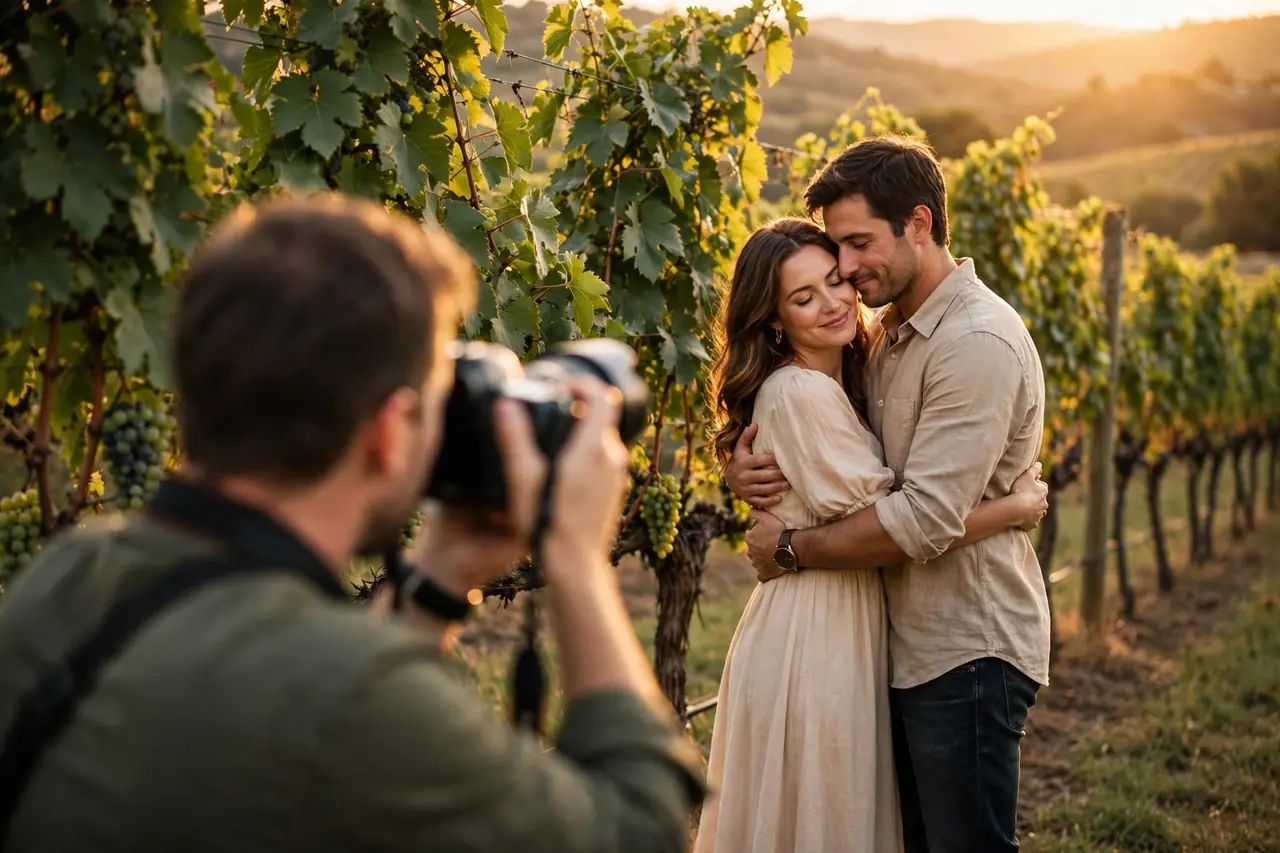
Hiring a professional photographer buys you three things: technical skill in difficult light, an outsider’s eye for genuine moments, and — underrated — a third person managing the process so you can just be present together. A 60–90 minute couples session typically costs $200–$600 depending on your market, and most photographers offer shorter mini-sessions for less. When interviewing, look at full galleries (not just highlights), ask how they direct awkward couples, and make sure their editing style matches your taste — light and airy versus dark and moody is a real fork in the road.
DIY works beautifully when the concept is strong and the light is forgiving. A phone on a tripod with a remote shutter, golden-hour light, and one of the themes below can produce images you will genuinely love. The trade-off is effort: someone has to run back and forth to check framing, and you lose the candid magic of a photographer catching unguarded moments. A hybrid option — hiring a photography student or talented amateur for $100–$150 — splits the difference nicely. Whatever you choose, decide based on the theme: complex lighting and motion concepts deserve a pro, while simple lifestyle concepts are perfect DIY territory.
Theme 1: Golden Hour Romance
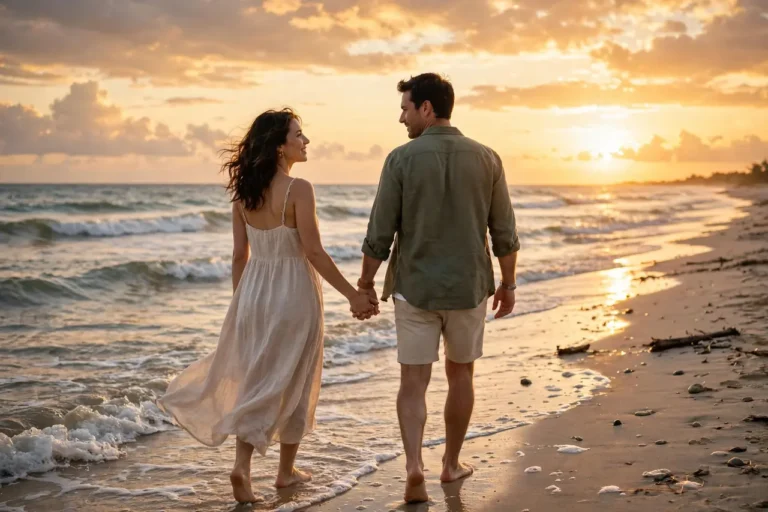
The classic for a reason. Schedule your session for the final ninety minutes before sunset in an open location — beach, field, hilltop, desert — and let warm directional light do the creative work. Styling: flowing fabrics, bare feet or simple sandals, a relaxed color palette of creams, soft blues, and warm neutrals. Key shots: walking hand in hand toward the light, the forehead kiss with sun flare, silhouettes as the sun dips, and a champagne toast against the sky. Ask your photographer to shoot into the light for dreamy flare and glow. This theme flatters every couple and every age, which is why it never goes out of style. Bring a blanket for seated shots and a change of shoes for walking between spots. If the sky cooperates with clouds, you get nature’s softbox; if it is clear, you get drama — either way, you win.
Theme 2: Urban After Dark
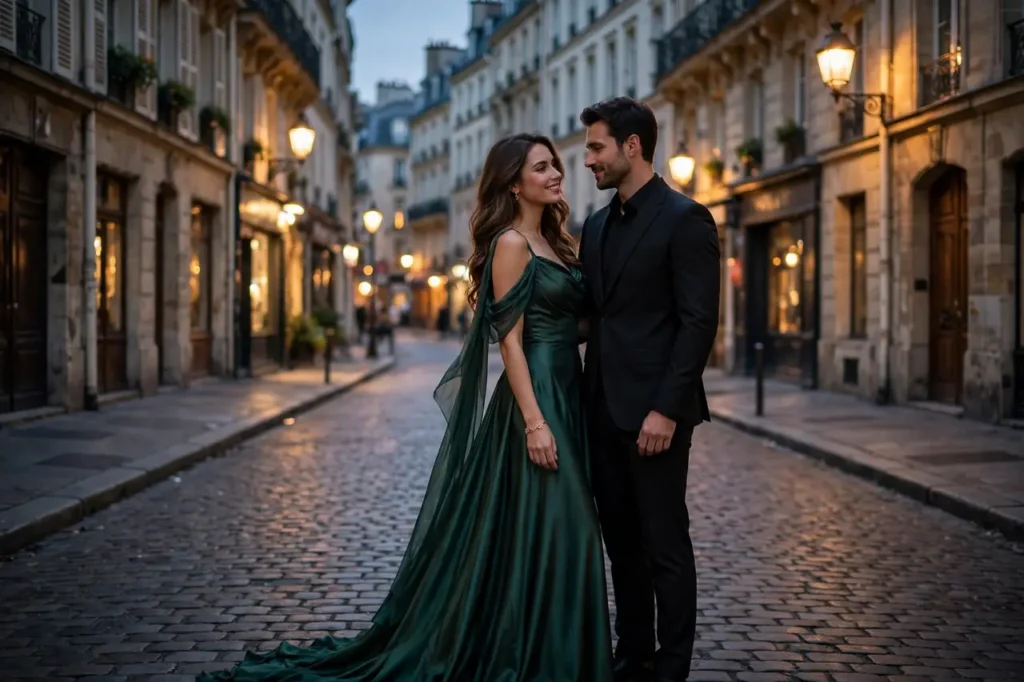
For couples who feel most themselves in the city: a night shoot among neon signs, lit windows, rain-slicked streets, and architectural lines. Styling goes dressier here — cocktail attire, a sharp suit, heels that can handle cobblestones (bring flats for walking). Key shots: kissing under a streetlamp, reflections in wet pavement or glass storefronts, the piggyback ride across an empty intersection, and moody portraits against textured walls. This theme demands a photographer comfortable with low light and preferably a fast prime lens; phone-only shooters will struggle after dark. Scout the route in advance for the best-lit blocks, and check whether any areas need permits. End at a late-night dessert spot for candids over something sweet — the night-owl energy is part of the aesthetic.
Theme 3: Vintage Honeymoon
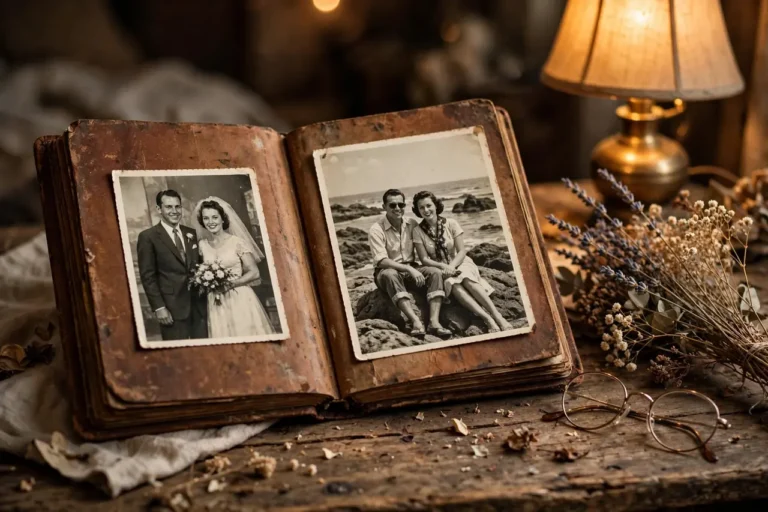
Channel the era of your grandparents’ honeymoon — or your own, if it was decades ago. Think classic cars, retro diners, old train stations, film-noir lighting, and period styling: victory rolls or a sharp side part, a tea-length dress or a double-breasted suit, cat-eye sunglasses. Key shots: leaning on the vintage car, sharing a milkshake with two straws, the train-platform farewell kiss, and black-and-white portraits with dramatic shadows. Source props from thrift stores and rental companies: a rotary phone, vintage suitcases, old cameras. This theme photographs best in black and white or with a warm film-like edit. It is also the most fun to plan, because the styling deep-dive — researching the era, hunting the pieces — becomes part of the anniversary celebration itself.
Theme 4: Adventure Session
Hiking boots instead of heels. This theme is for couples whose love language is a trailhead: shoot on a mountain ridge, in a slot canyon, beside an alpine lake, or at the edge of a waterfall. Styling is practical-meets-romantic — flannel and denim, or a flowy dress over hiking boots for the iconic contrast shot. Key shots: the summit embrace, the piggyback on the trail, the tent-door kiss at dawn, and wide landscapes with you small in the frame (which paradoxically makes the love feel bigger). Logistics matter here: check trail permits, start early for the best light and fewest crowds, bring twice the water you think you need, and choose a photographer who actually hikes. The resulting images have a National Geographic grandeur that studio shoots cannot touch — and the shared effort of getting there becomes part of your story.
Theme 5: At-Home Lifestyle
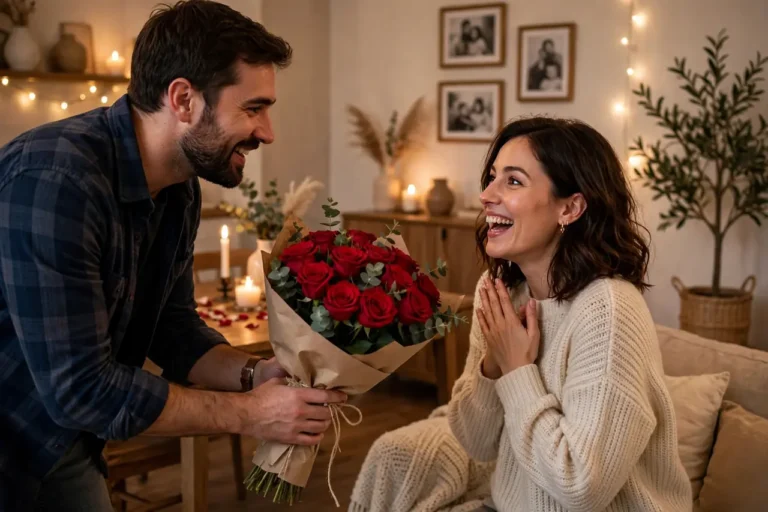
The most intimate theme requires no travel at all: your home, your light, your real life, elevated. A good lifestyle photographer shoots your morning routine like a film — coffee in bed, dancing in the kitchen, reading together on the couch, the dog photobombing everything. Styling: what you would actually wear, just the best version of it; linen, cotton, bare feet. Key shots: the kitchen slow dance, the bedhead coffee portrait, cooking together mid-laugh, and the front-porch golden-hour finale. Tidy but do not sterilize — the well-loved couch and the crowded bookshelf are the point. This theme is ideal for new parents, homebodies, and anyone who finds location shoots performative. It is also the most affordable professional option, since there are no travel fees, and the images age beautifully because they document your actual life.
Theme 6: Editorial Fashion
Treat yourselves like a magazine spread. Hire a photographer with a fashion portfolio, book a striking location — modern architecture, a greenhouse, an art museum’s exterior — and dress to the nines: gown, tuxedo, dramatic accessories, professional hair and makeup. Key shots: the wind-machine hair moment (a friend with a sheet works), the intense stare-down-the-lens portrait, the movement shot with fabric flying, and the quiet in-between frame that fashion editors love most. This theme is unabashedly glamorous and produces wall-worthy art, but it requires commitment — half-hearted editorial looks awkward, while full commitment looks incredible. Discuss the exact mood with your photographer using reference images, and do not skimp on hair and makeup; they are half the image. For milestone anniversaries, this is the theme that makes you feel like celebrities for a day.
Theme 7: Seasonal Celebration
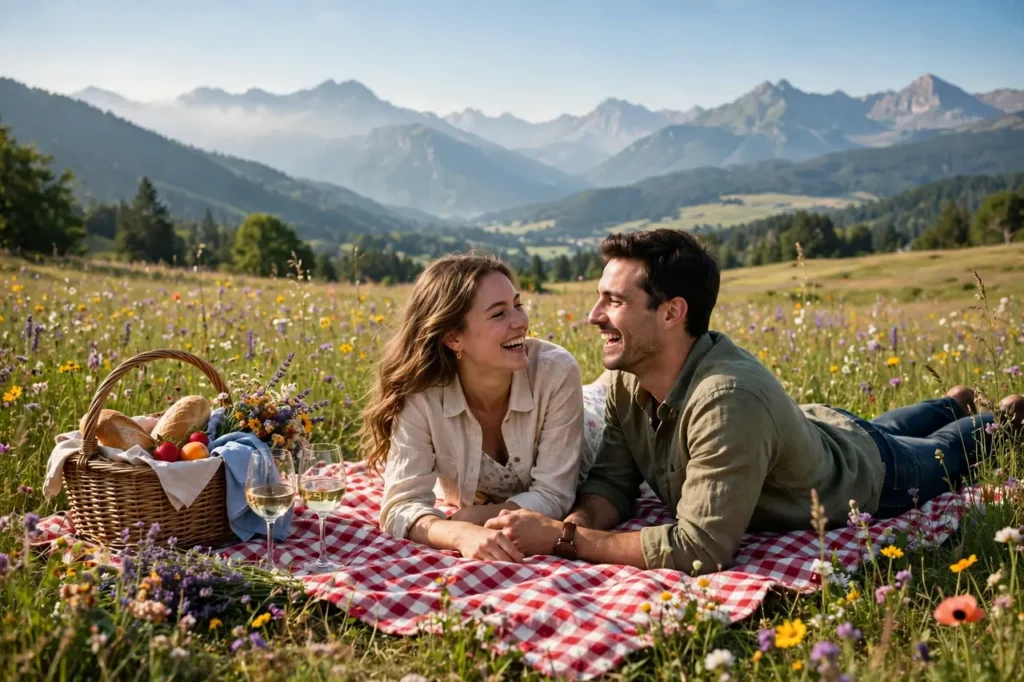
Build the shoot around your anniversary season and let nature art-direct. Spring: cherry blossoms, tulip fields, rain-washed gardens. Summer: sunflower fields, beaches, golden wheat. Fall: foliage tunnels, pumpkin patches, misty mornings. Winter: snowfall, evergreen forests, cozy cabin exteriors with breath visible in the air. Styling follows the season — pastels for spring, brights for summer, rich jewel tones for fall, deep reds and creams for winter. Key shots depend on the season but always include one wide environmental portrait that shows off nature’s work and one tight, warm close-up that contrasts with it. Seasonal shoots have a built-in deadline (blossoms do not wait), so book early and have a weather backup. The resulting images feel timeless because the season itself becomes a character in your story.
Theme 8: The Recreated Honeymoon
The most meaningful theme: restage your honeymoon. Return to the destination if you can, or recreate its essence locally — the beach town becomes any beach, the Parisian café becomes the French bistro downtown. Wear approximations of your honeymoon outfits, strike the same poses from your favorite originals, and photograph the pairs side by side. Key shots: the exact recreation of your three favorite honeymoon photos, plus new portraits in the same spirit. This theme merges the photoshoot with the then-and-now concept, giving you both beautiful portraits and a nostalgia project in one session. Tell your photographer the concept in advance and share the originals; a good pro will study the light and composition of the old shots to echo them deliberately. For the full methodology, see our guide to anniversary photo ideas for couples.
Your Planning Timeline
| When | What to do | Notes |
|---|---|---|
| 8 weeks out | Choose theme, set budget | Agree on the vibe together — both partners should love it |
| 6 weeks out | Book photographer, scout locations | Weekend golden-hour slots go first; have backups |
| 4 weeks out | Plan wardrobe, order props | Try everything on together; photograph test outfits |
| 2 weeks out | Confirm details, check weather patterns | Book hair/makeup now if using pros |
| 1 week out | Final confirmations, pack a shoot bag | Snacks, water, touch-up kit, backup outfit |
| Day before | Charge everything, lay out outfits | Get real sleep — it shows on camera |
| Shoot day | Arrive early, warm up, have fun | The first 15 minutes are warm-up; the magic comes after |
Wardrobe: The Five Rules
Rule one: coordinate, don’t match. Pick a palette of two to three complementary tones and build both outfits within it. Rule two: dress for the theme’s energy. Flowing fabrics for romantic themes, structured pieces for editorial, practical layers for adventure. Rule three: bring options. Two outfits per person minimum — one dressy, one relaxed — doubles your gallery’s variety. Rule four: mind the details. Lint-roll everything, trim nails, bring touch-up powder, and avoid brand-new shoes that will hurt by minute twenty. Rule five: be yourselves, elevated. The goal is the best version of your actual style, not a costume. If you never wear red, your anniversary shoot is not the time to start. Comfort reads as confidence on camera, and confidence is the most flattering thing you can wear.
The Essential Shot List
Hand this to your photographer (or your tripod): the walking-toward-camera candid, the forehead kiss, the genuine-laugh moment (have someone tell a joke), the silhouette, the close-up of intertwined hands with rings, the over-the-shoulder look-back, the piggyback or lift, the quiet in-between moment when you think no one is shooting, the wide environmental portrait showing the location, and one completely silly frame. Ten shots, and you have a complete gallery. Everything beyond this list is bonus. Tell your photographer which three matter most to you — professionals prioritize beautifully when they know your hierarchy.
For couples who prefer staying in, these anniversary photoshoot ideas at home adapt several of these themes to your living room, and our romantic anniversary breakfast ideas pair perfectly with a morning lifestyle session.
Posing Guide for Couples Who Feel Awkward
Almost every couple feels awkward for the first fifteen minutes of a shoot. The fix is prompts, not poses. Instead of “stand like this,” a good photographer says: “walk toward me and tell each other about your first date,” “whisper the most embarrassing thing about your partner,” “nuzzle into their neck and breathe.” Movement and interaction produce genuine expressions; static posing produces mannequins. If you are directing yourselves, use the “almost” technique: almost kiss (and hold), almost laugh (think of something funny), almost walk away (then look back). The almost-moments are where the magic lives. Keep your hands busy — in pockets, on each other, in hair — because idle hands create stiff arms. And remember the 70/30 rule: spend 70 percent of the shoot moving and interacting, 30 percent in composed poses. The candids will outshine the composed shots every time, but you need both for a complete gallery.
What to Pack in Your Shoot Bag
The unglamorous kit that saves shoots: water and snacks (hanger ruins photos), a lint roller, blotting papers or powder, lip balm and a lip color for touch-ups, a small mirror, bobby pins and a brush, band-aids for new shoes, a portable phone charger, the printed shot list, any props in a dedicated bag, a blanket for seated shots and warmth, and a change of shoes for walking between locations. For outdoor shoots add sunscreen, bug spray, and a backup plan for wind (extra bobby pins, a weighted hem). Pack the bag the night before and assign one person to carry it — usually whoever is not being photographed at that moment, which is nobody, so just take turns. A well-packed bag means the only thing you think about during the shoot is each other.
Real Couples, Real Shoots
Jess and Tom, 10th anniversary, adventure theme. They hiked to a fire lookout at dawn with a photographer who trail-runs. “The photos are epic,” Jess says, “but honestly the memory is the hike — the headlamps, the thermos coffee at the top, watching the sun come up together. The photos are just proof it happened.”
Amara and Devon, 5th anniversary, at-home lifestyle. With a toddler and no babysitter, they did the shoot at home during nap time. “The photographer captured us folding laundry and laughing about it,” Amara says. “It is the most honest picture of our marriage that exists. Fancy would have been a lie.”
Rosa and Miguel, 25th anniversary, recreated honeymoon. They returned to the same beach town, stayed in the same hotel chain, and recreated six honeymoon photos with a local photographer. “The staff remembered us — or pretended to, beautifully,” Miguel laughs. “Our kids saw the side-by-sides and finally understood why we talk about that trip so much.”
Mini-Sessions: The Budget Alternative
Full portrait sessions are wonderful, but mini-sessions — 20 to 30 minutes, a handful of edited images, often $100–$200 — deliver 80 percent of the joy at a third of the price. Photographers offer them seasonally (spring blossoms, fall foliage, holiday setups), and the time constraint forces efficiency: you arrive styled, shoot the essential list, and leave. Minis work best for simple themes — golden hour romance, seasonal celebration, the recreated honeymoon — where the concept does not need elaborate setup. Book the moment dates are announced; popular mini-session days sell out in hours. Arrive fifteen minutes early, outfits steamed and ready, because there is no warm-up time built in. For many couples, an annual mini-session becomes the tradition itself: same photographer, same season, a growing archive of who you were each year.
After the Shoot: Making the Photos Last
Do not let your gallery die in an email attachment. Within a week of delivery, choose your favorites and act: order one large print for the wall (16×20 or bigger — small prints underwhelm), start an annual anniversary album that you will add to every year, and back up the full-resolution files in two places. Share a curated handful on social media if that is your thing, but keep the most intimate frames private — scarcity makes them special. Consider the “one frame per year” gallery wall: a single large frame added each anniversary, building over decades into the most meaningful art installation in your home. And write down the story of the shoot while it is fresh — where you went, what went wrong, what made you laugh — tucking the note behind the print or into the album. Future you will treasure the context as much as the image.
Working With Your Photographer: Communication Tips
Great photos come from great communication. Before the shoot, share a mood board or a handful of reference images showing exactly the look you want — photographers are visual people, and “romantic but not cheesy” means different things to different artists. Discuss your must-have shots explicitly, and equally important, mention anything you dislike (“we hate overly posed prom-style photos”). On shoot day, speak up in the moment: if a pose feels wrong, say so immediately rather than suffering through twenty frames. Ask to see a few shots on the camera’s display early on — it builds trust and lets you adjust. Afterward, be specific with feedback on the gallery (“we love the candids, could we get more of the wide landscapes?”) rather than vague dissatisfaction. And always credit your photographer when sharing publicly; referrals are their livelihood, and a tagged post is the best thank-you. The couples with the best galleries are not the most photogenic — they are the most communicative.
Watch: Honeymoon Photography in Action
See how a professional approaches romantic couple portraits on location — the posing, the light-chasing, and the relaxed direction that makes couples look natural.
Frequently Asked Questions
How much should we budget for an anniversary photoshoot?
Professional sessions run $200–$600 for 60–90 minutes in most markets, plus potential costs for hair and makeup ($100–$250), location permits ($0–$200), and wardrobe. DIY costs almost nothing beyond props and maybe a tripod. Set your total budget first, then allocate: photographer first, then styling, then extras. The theme you choose drives the budget more than anything else.
What if one of us hates having our photo taken?
Choose a theme with movement and activity — adventure, at-home lifestyle, or the recreated honeymoon — where the focus is on doing something together rather than posing. Tell the photographer upfront; good ones have entire toolkits for camera-shy subjects, mostly involving prompts (“tell me about your first date”) instead of poses. And keep the session to 60 minutes max. Most reluctant subjects relax by minute fifteen and enjoy themselves by minute thirty.
Can we include our kids or pets in the photoshoot?
Yes, with planning. Schedule family-inclusive shots for the first twenty minutes when kids and animals are freshest, then have a helper take them away for the couples-only portion. Bring treats, toys, and patience. Some of the most beloved anniversary images include the whole family — the honeymoon was the seed, after all — but the couples-only frames are the heart of the session.
What happens if it rains on our outdoor shoot?
First, do not panic — overcast light is gorgeous for portraits, and rain shots (kissing under one umbrella, dancing in a drizzle) are unforgettable. Discuss a rain plan with your photographer in advance: a covered location, a shifted time, or a backup date. Some photographers offer one free weather reschedule. Only truly dangerous weather should cancel; moody skies make better photos than blank blue ones.
How do we choose a location?
Match the location to the theme, then visit it at the same time of day as your planned shoot. Check light direction, crowds, parking, restrooms, and whether permits are needed (many parks and historic sites require them for professional shoots). Arrive thirty minutes early on shoot day to find the exact spots. A location that is meaningful to you beats a merely pretty one every time.
Should we do hair and makeup professionally?
For editorial, urban-night, and golden-hour-romance themes: yes, it makes a visible difference, especially in professional images. For lifestyle, adventure, and at-home themes: your polished everyday look is perfect and more authentic. Whoever does it, the goal is “you on your best day,” not a stranger. Book a trial if the shoot matters a lot to you.
What time exactly is golden hour in each season?
Golden hour is roughly the last hour before sunset, but its character shifts with the seasons. In summer, it is long and warm — nearly ninety minutes of usable glow, with sunset as late as 8 or 9 p.m. In winter, it is brief and low — sometimes just thirty minutes of angled light, with sunset before 5 p.m. — so winter shoots must start earlier and move faster. Spring and fall offer the sweet spot: moderate length, rich color, comfortable temperatures. Check a golden-hour calculator app for your exact location and date, and schedule the session to end — not start — at sunset, so you capture the full progression from warm light to blue-hour drama.
How long until we get our photos?
Typical turnaround is two to four weeks for a full edited gallery, though many photographers send a few sneak peeks within days. Ask about timeline when booking, especially if you need images for a party or announcement. Rush editing is sometimes available for a fee. While you wait, the phone snaps from the day will tide you over.
What do we wear for a winter photoshoot?
Layers in rich textures: wool coats, chunky knits, scarves, and boots photograph beautifully in winter light. Stick to deep, saturated colors — burgundy, forest green, navy, cream — which pop against pale winter landscapes. Bring hand warmers and shoot in short bursts with warm-up breaks; genuine smiles are hard with chattering teeth. A thermos of something hot doubles as a prop and a survival tool.
A honeymoon anniversary photoshoot is really a date disguised as a production — two hours of focused, intentional togetherness that happens to produce beautiful evidence. Pick the theme that makes you both a little excited, find your light, and let the camera witness what the years have built. For the grandest version of the concept, these silver anniversary celebration ideas show how milestone couples go all out.