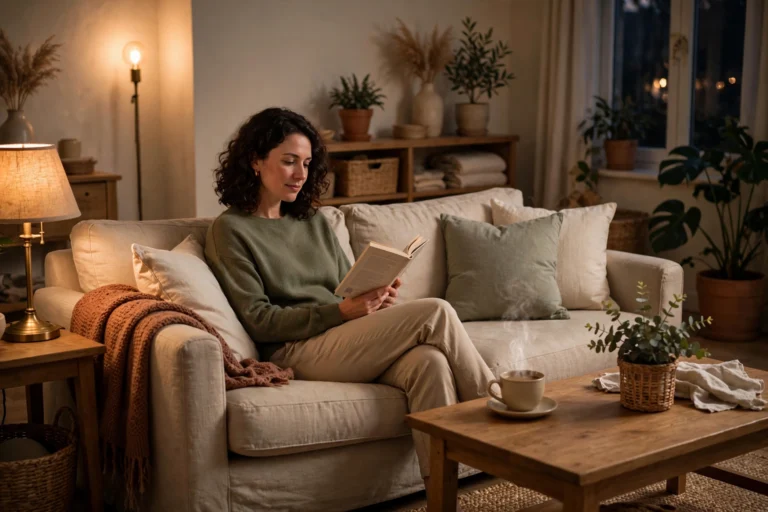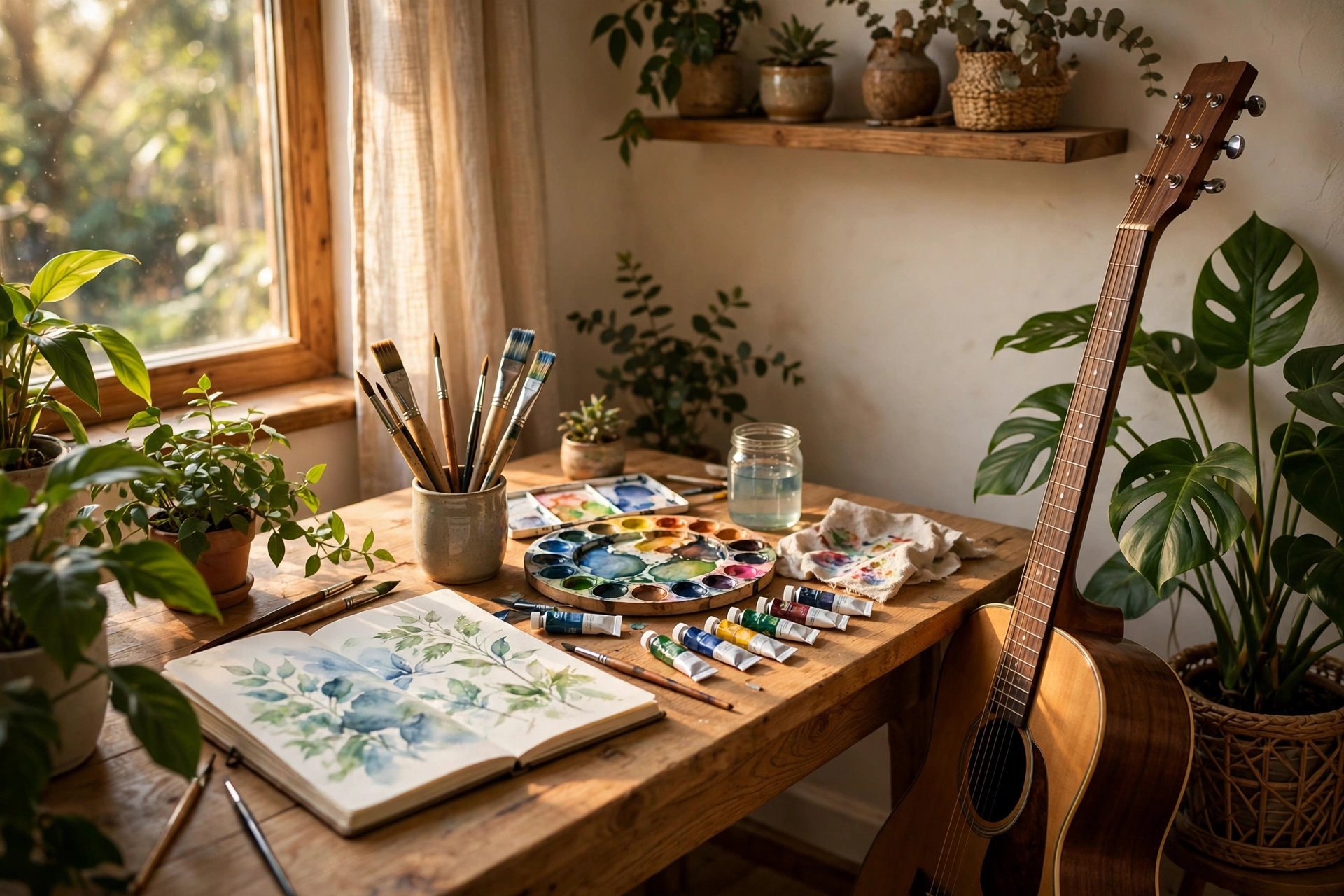
Searching for hobbies for adults to try is often the first step back to yourself — because somewhere between careers, mortgages, and responsibilities, many adults quietly shelved the activities that used to make them feel alive. This guide rounds up 50+ hobbies for adults across every interest and budget, with a comparison table to help you choose, tips for starting as a complete beginner, and realistic advice on fitting hobbies into an already-full life.
Why Adults Need Hobbies
Hobbies are not frivolous. Research on leisure consistently links regular hobby engagement to lower stress, better mood, improved cognitive function, and even better physical health. Hobbies give adults three things that work and obligations rarely provide:
- Autonomy: You choose the hobby, the pace, and the goals. That sense of control is psychologically restorative.
- Mastery: Getting better at something — anything — builds self-efficacy that spills into the rest of life.
- Flow: Absorbing activities quiet the mental chatter of to-do lists and worries. Flow states are among the most satisfying human experiences.
Hobbies also protect against the “all work, no self” trap and give you an identity beyond your job title and family role. The question is not whether you have time for a hobby — it is whether you can afford not to have one.
How to Choose the Right Hobby
Before browsing the list, clarify what you want the hobby to do for you:
- De-stress and unwind? Look at creative and nature hobbies.
- Meet people? Look at social and team hobbies.
- Get moving? Look at active hobbies.
- Learn and grow? Look at intellectual and skill-building hobbies.
- Make things? Look at crafts and DIY.
- Earn a little? Look at monetizable hobbies (marked below).
Also consider practical constraints: budget, available time blocks, space at home, and whether you want a solo or social activity. The best hobby is the one you will actually do — so be honest about your real life, not your idealized one.
Creative Hobbies for Adults
- Photography — Start with your phone; learn composition before buying gear. Free to start, endlessly deep.
- Drawing and sketching — A sketchbook and pencils cost under $15. Daily 10-minute sketches build skill fast.
- Watercolor painting — Forgiving, portable, and meditative. Starter sets are affordable.
- Creative writing — Fiction, memoir, poetry, or journaling. Free; local workshops add community.
- Pottery and ceramics — Community studios offer beginner classes with all materials included.
- Knitting and crochet — Portable, calming, and you make useful things. Great for TV time.
- Music production — Free software (like GarageBand) turns a laptop into a studio.
- Learning an instrument — Ukulele and keyboard are beginner-friendly; 15 minutes daily works.
- Calligraphy and hand lettering — Inexpensive to start, satisfying to practice, useful for gifts and cards.
- Digital art — A basic tablet opens illustration, design, and animation. Monetizable. 💰
Active and Outdoor Hobbies for Adults
- Hiking — Free after basic gear. Start local — our family hiking trails guide works for solo adults too.
- Running — The cheapest endurance sport. Couch-to-5K programs make starting realistic.
- Cycling — Commute, fitness, and exploration in one. Used bikes keep costs down.
- Swimming — Full-body, low-impact. Community pools offer affordable lap swim.
- Rock climbing — Indoor gyms offer beginner classes; it is problem-solving with your body.
- Kayaking and paddleboarding — Rentals make this accessible without buying gear.
- Gardening — Start with herbs or containers. Physical, patient, and you eat the results.
- Birdwatching — Free, meditative, and surprisingly addictive. A basic field guide or app is all you need.
- Stargazing — Free and profound. Our stargazing guide covers the basics for beginners of any age.
- Geocaching — Real-world treasure hunting with a free app. Great with friends or kids.
Social Hobbies for Adults
- Join a recreational sports league — Softball, soccer, volleyball, kickball. Instant community.
- Board game groups — Meetups and game cafés welcome beginners; the hobby has exploded with great modern games.
- Book clubs — Libraries host free ones; starting your own takes five friends and a group chat.
- Volunteering — Animal shelters, food banks, park cleanups. Purpose plus people.
- Community theater — Acting, set building, or backstage crew. Welcoming to newcomers.
- Dance classes — Salsa, swing, ballroom, or hip-hop. Exercise disguised as fun.
- Cooking clubs — Rotate hosting dinner parties with themes. Delicious socializing.
- Trivia nights — Bars and breweries host them; bring friends, no prep needed.
Intellectual Hobbies for Adults
- Learning a language — Free apps plus library resources; 15 minutes daily compounds remarkably.
- Chess — Free online; local clubs welcome all levels. A lifetime of depth.
- Astronomy — Beyond stargazing: learn the science, join a local astronomy club’s public nights.
- History deep dives — Podcasts, documentaries, and library books on any era that fascinates you.
- Coding — Free courses abound; build small projects that solve your own problems. Monetizable. 💰
- Genealogy — Trace your family story; libraries offer free ancestry database access.
- Wine, coffee, or tea appreciation — Tastings and home brewing turn consumption into craft.
Crafts, DIY, and Making Hobbies
- Woodworking — Start with hand tools and small projects; community workshops offer space and tools.
- Sewing — Mend, alter, and create. Used machines are affordable and capable.
- Candle and soap making — Inexpensive starter kits; results make great gifts. Monetizable. 💰
- Home brewing — Beer, kombucha, or mead. Science you can drink.
- Model building — Kits for planes, ships, Gundam, or architecture. Meditative precision.
- 3D printing — Entry printers are affordable; design and make functional objects. Monetizable. 💰
- Upcycling and furniture flipping — Thrift stores supply the raw material; creativity supplies the rest. Monetizable. 💰
Calming and Mindful Hobbies
- Yoga — Studios, free videos, or park sessions. Strength, flexibility, and calm in one.
- Meditation — Free to start; even 10 minutes daily changes baseline stress.
- Journaling — Morning pages, gratitude, or bullet journaling. A notebook is all you need.
- Puzzles — Jigsaw puzzles are cheap, social, and deeply satisfying.
- Aquariums — Watching fish genuinely lowers stress; start small and simple.
- Bonsai — Patience made visible. Starter trees are inexpensive.
- Foraging — Learn local edible plants (with an expert guide first — safety matters). Free food, deep nature connection.
- Letter writing — Fountain pens, nice paper, real mail. Slow communication as a craft.
Hobby Comparison Table
| Hobby | Startup Cost | Time Needed | Social? | Active? | Can Monetize? |
|---|---|---|---|---|---|
| Hiking | $0–100 | 2+ hrs/session | Either | Yes | No |
| Photography | $0 (phone) | Flexible | Either | Light | Yes |
| Knitting | $15–30 | 30+ min/session | Either | No | Yes |
| Running | $0–120 (shoes) | 30+ min/session | Either | Yes | No |
| Pottery | $100–200 (class) | 2+ hrs/session | Yes | Light | Yes |
| Language learning | $0 | 15+ min/day | Either | No | Yes |
| Gardening | $30–100 | Flexible | Either | Light | Sometimes |
| Board games | $0–50 | 1–3 hrs/session | Yes | No | No |
| Woodworking | $100–300 | 2+ hrs/session | Either | Light | Yes |
| Volunteering | $0 | Flexible | Yes | Varies | No |
| Stargazing | $0 | 1+ hrs/session | Either | No | No |
| Coding | $0 | Flexible | Either | No | Yes |
How to Start a Hobby as a Complete Beginner
- Start embarrassingly small. Buy the $15 sketchbook, not the $200 easel. Take the free trial class before the membership. Small starts survive; big investments create pressure.
- Take one beginner class. A single guided session — in person or online — teaches more than weeks of fumbling and connects you with fellow beginners.
- Follow the “10-hour rule.” Commit to 10 hours before judging. Every hobby feels awkward at first; the first 10 hours get you past the worst of it.
- Find your people early. Clubs, meetups, online communities, or a browse through fun things to do with friends turn solo practice into shared joy — and accountability.
- Embrace being bad at it. Beginner’s mind is the point. Adults who demand instant competence quit; adults who laugh at their lopsided pottery bowl continue.
- Schedule it. “When I have time” means never. Block 2–3 hours weekly like any important appointment.
Fitting Hobbies Into a Busy Adult Life
- Micro-sessions count: 15 minutes of sketching, language practice, or reading daily beats a monthly 4-hour binge for skill-building.
- Combine with existing time: Audiobooks or language lessons during commutes, knitting during shows, walking meetings.
- Trade, don’t add: Swap 30 minutes of scrolling for 30 minutes of hobby. You are not finding new time — you are reallocating wasted time.
- Make it social: Hobby + friends = two needs met in one block. Dinner clubs, running groups, and craft nights are efficient joy.
- Seasonal rotation: It is fine to garden in summer and do puzzles in winter. Rotating hobbies keeps things fresh and fits the seasons.
- Protect it quarterly: Review whether the hobby still fits. Quitting a hobby that no longer serves you is not failure — it is curation.
Hobbies for Couples and Families
Shared hobbies strengthen relationships while checking the hobby box:
- Cooking challenges or cuisine-of-the-month cooking
- Hiking or cycling together (pick trails everyone enjoys)
- Board game nights with a rotating game
- Gardening a shared plot
- Learning a dance style together
- Photography walks with a theme
- Volunteering as a family
Hobbies That Can Become Side Income
Not every hobby should be monetized — but some naturally can. If extra income appeals to you, these hobbies have the clearest paths:
| Hobby | How It Earns | Realistic Timeline | Startup Cost |
|---|---|---|---|
| Photography | Portraits, events, stock photos, prints | 6–18 months to paid work | $0–1,000 |
| Freelance writing | Articles, copywriting, newsletters | 3–12 months | $0 |
| Digital art / design | Commissions, prints, freelance design | 6–18 months | $100–500 (tablet) |
| Crafts (candles, pottery, knit goods) | Etsy, markets, local shops | 3–12 months | $50–300 |
| Woodworking / furniture flipping | Custom pieces, flipped furniture | 6–18 months | $100–500 |
| Coding / web skills | Freelance projects, templates | 6–24 months | $0 |
| Music / audio | Lessons, gigs, production | 12+ months | Varies |
| Baking / specialty foods | Cottage food sales, markets | 3–12 months | $50–200 |
Two rules for hobby income: first, keep one hobby purely for joy with zero monetization pressure — the moment everything must earn, nothing restores. Second, validate demand before investing heavily — sell three items to strangers before buying the professional equipment.
A Seasonal Hobby Calendar
Rotating hobbies with the seasons keeps things fresh and matches activities to conditions:
- Spring: Gardening starts, hiking returns, outdoor photography, spring cleaning projects, farmers market cooking.
- Summer: Swimming, kayaking, camping, outdoor concerts and festivals, travel sketching, grilling mastery.
- Fall: Harvest cooking and canning, fall hiking, cozy indoor crafts (knitting, puzzles), photography of autumn color, haunted history tours.
- Winter: Indoor deep-dives — language learning, instrument practice, reading challenges, board game season, soup and bread baking, planning next year’s adventures.
Seasonal rotation also solves the “I have too many hobbies” problem: you are not quitting gardening in winter, you are parking it until spring.
How to Quit a Hobby Gracefully
Quitting is a skill. Hobbies that no longer fit — the kayak gathering dust, the guitar untouched for a year — create background guilt. Release them cleanly:
- The 3-month test: If you have not touched it in 3 months and feel relief (not guilt) at the thought of quitting, let it go.
- Distinguish pause from quit: Some hobbies are seasonal or life-stage dependent. Boxing up the supplies labeled “revisit in 2027” is a pause, not a failure.
- Sell or gift the gear: Unused equipment is clutter with memories. Pass it to someone who will use it.
- Extract the lesson: What did the hobby teach you about what you enjoy? Apply it to choosing the next one.
- No sunk-cost mourning: The money and time spent bought you information and experience. That is not waste — that is how you learn what fits.
Frequently Asked Questions
What are good hobbies for adults to try?
Good hobbies for adults to try include hiking, photography, gardening, cooking, reading, yoga, learning a language or instrument, volunteering, board games, and crafting. The best choice depends on your goals — stress relief, socializing, fitness, learning, or creativity — and your practical constraints of time, budget, and space.
What hobbies are good for adults with no time?
Micro-hobbies fit busy schedules: 15-minute daily sketching, language app sessions, reading before bed, bodyweight workouts, journaling, or container gardening. The key is small, regular sessions rather than waiting for big free blocks that never come.
What are inexpensive hobbies for adults?
Many great hobbies cost almost nothing: hiking, running, bodyweight fitness, drawing, journaling, reading (library), birdwatching, stargazing, volunteering, geocaching, meditation, and learning a language with free apps. Start free, invest only after the habit sticks.
How do I find hobby groups near me?
Check community center and library bulletin boards, search meetup platforms for your interest, look for local clubs (running, photography, astronomy, board games), ask at specialty shops (game stores, craft stores, bike shops), and browse local event listings. One in-person meetup beats months of solo hesitation.
Can hobbies actually make money?
Some can, with time and skill: photography, digital art, crafts, woodworking, coding, music, and furniture flipping all have markets. But monetizing changes the hobby’s psychology — keep at least one hobby purely for joy, with no pressure to perform or profit.
How many hobbies should an adult have?
One to three active hobbies is the sweet spot for most adults: ideally one physical, one creative or intellectual, and optionally one social. More than that spreads your limited time too thin; fewer is fine if the one you have deeply satisfies you.
Hobbies for Specific Goals: A Quick Matcher
| If You Want… | Try These First | Why They Fit |
|---|---|---|
| To de-stress fast | Gardening, swimming, yoga, puzzles | Repetitive, physical, low-pressure |
| To meet people | Rec leagues, board game groups, volunteering, dance classes | Built-in social structure |
| To get fit | Running, cycling, climbing, martial arts | Progress is measurable and motivating |
| To make money eventually | Photography, coding, crafts, freelance writing | Clear markets for the output |
| To unplug | Woodworking, fishing, birdwatching, stargazing | Hands and eyes busy, screens irrelevant |
| To learn deeply | Language, instrument, chess, astronomy | Years of depth, beginner-friendly entry |
| Something with your partner | Cooking challenges, hiking, dance, travel planning | Shared goals strengthen bonds |
| Something solo and quiet | Journaling, drawing, bonsai, reading challenges | Restorative solitude |
Pick the row that matches your current need, try the first option for 10 hours, and reassess. The matcher removes the paradox of choice that keeps so many adults hobby-less. And if you are torn between two options, choose the one with the lower barrier to the first session — the hobby you start this weekend beats the theoretically perfect hobby you start “someday.”
Free Ways to Test-Drive Hobbies
Before spending a dollar, sample widely: library workshops and maker spaces, community center trial classes, free museum and park programs, YouTube tutorials for nearly every hobby on this list, Meetup.com beginner events, and “bring a friend” free days at climbing gyms, studios, and ranges. Most hobbies reveal whether they fit within 2–3 free sessions — enough to feel the texture of the activity without committing. The adults who stick with hobbies are usually the ones who sampled five and chose one, not the ones who bought gear for the first idea. Keep a simple list of what you tried and what you noticed; it becomes a personal guide to your own taste.
The Bottom Line
The best hobbies for adults to try are the ones that match your life as it actually is — your budget, your schedule, your energy. Start small, give it 10 hours, find your people, and let yourself be a beginner. Somewhere in the list above is the thing that makes you lose track of time. Go find it.