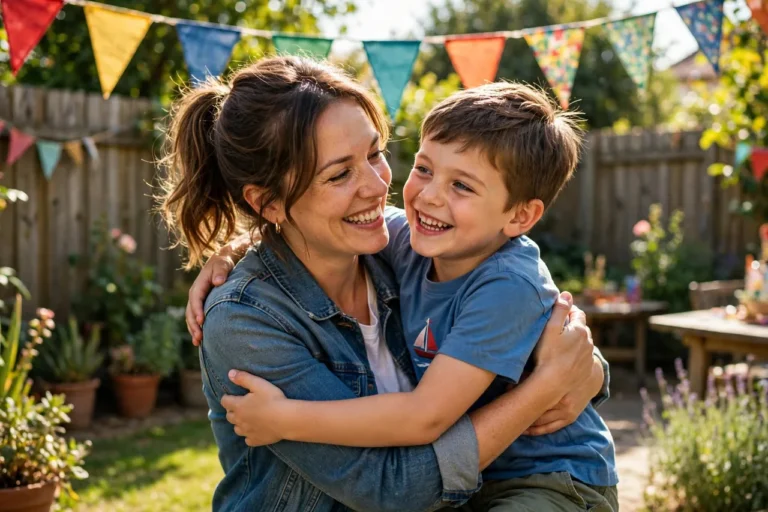
There is a particular look on a child’s face — eyes wide, mouth open, pure disbelief melting into joy — that only a great surprise can produce. It is the look that makes all the secret planning worthwhile. Family day surprise ideas are about engineering those moments: the morning they wake up to something unexpected, the afternoon the ordinary day suddenly becomes extraordinary, the evening reveal they will talk about for years. A surprise transforms family day from “a nice day together” into a story your family tells forever.
This guide is your complete surprise playbook: how to plan without getting caught, 80+ surprise ideas organized from dawn to bedtime, reveal techniques for every budget, trip and experience reveals that maximize the gasp factor, and the psychology of why surprises bond families so powerfully. Whether you are surprising young kids, skeptical teens, or even your partner, you will find ideas calibrated to every age and every level of sneakiness. Shh — let’s plan something wonderful.
Why Surprises Make Family Day Unforgettable
Psychologists have found that unexpected positive events create stronger, longer-lasting memories than expected ones. The brain flags surprises as important — the dopamine hit of the unexpected literally etches the moment deeper into memory. That is why adults can vividly recall a surprise party from twenty years ago but forget last Tuesday’s dinner. For children, whose worlds are largely predictable routines, a genuine surprise is electric.
Surprises also communicate love in a language kids understand fluently: effort. A child may not grasp the concept of “quality time,” but they absolutely grasp that Mom woke up early to fill the hallway with balloons, or that Dad secretly planned a whole trip. The secrecy itself is part of the gift — it tells them they were worth scheming for.
But surprises need calibration. Young children can be overwhelmed by too-big surprises (a child expecting a normal morning may cry rather than cheer at a sudden trip — build up gently). Teens need surprises that respect their autonomy. And every surprise needs a soft landing: make sure the reveal includes comfort, food, and time to process. The goal is delight, not shock.
The Art of Secret Planning
Before the ideas, the tradecraft. Great surprises require operational security.
Recruit one co-conspirator. Surprises are easier — and more fun — with a partner in crime. An older child makes an excellent accomplice and learns the joy of giving.
Plan in the open by hiding in routine. “I need to run errands Saturday morning” covers a multitude of surprise preparations. Use normal activities as cover for abnormal preparations.
Prepare the night before. Most morning surprises are actually evening preparations. After the kids are asleep, the real work begins: balloons, notes, decorations, packed bags.
Have a cover story ready. For trip reveals and big surprises, prepare a plausible boring plan (“we’re visiting Aunt Linda”) so the contrast maximizes the reveal.
Capture the reaction. Set up a phone to record the reveal moment. You will be too busy enjoying it to film well, so a tripod or a propped phone is essential. These videos become priceless.
Build in a buffer. Surprises disrupt routines — kids may need time to adjust, eat, or just process. Do not schedule the surprise back-to-back with something else important.
Morning Surprises: Wake Up to Wonder
Starting the day with a surprise sets a tone of magic that lasts for hours. These ideas greet the family before the day even begins.
Balloon Avalanche
Tape a plastic tablecloth across a doorway, fill the space behind it with inflated balloons, and let the kids burst through in the morning. It costs a bag of balloons and ten minutes of inflation (an electric pump is worth its weight in gold), and the shrieking delight is instantaneous. Add a note on the door: “Family Day starts NOW.”
Breakfast in Bed… in the Living Room
Serve breakfast picnic-style on a blanket in the living room — or deliver it to kids still in bed on trays. The novelty of eating somewhere unusual transforms an ordinary meal. Add a “menu” with silly dish names (“Cloud Fluff Pancakes,” “Dragon Juice”) and take orders like a restaurant.
Treasure Map Morning
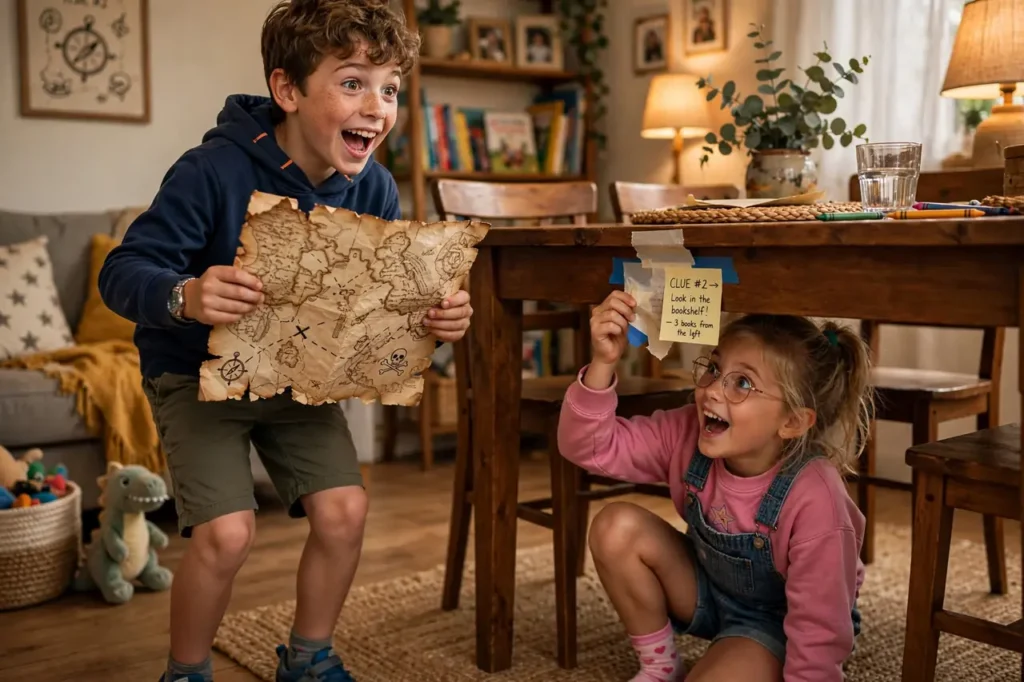
Leave an aged-looking treasure map (tea-stained paper, burnt edges) on the breakfast table. It leads through a series of clues around the house to a treasure chest — which contains the day’s plan, or small gifts, or the first surprise of many. Kids who wake up to a mystery stay engaged all morning.
Sidewalk Chalk Message
Write a giant surprise message on the driveway for the kids to discover: “SURPRISE! We’re going to the ZOO today!” or a trail of chalk arrows leading to a hidden gift. It is public, festive, and photographable — neighbors will smile all day.
Mystery Guest Appearance
Arrange for a beloved grandparent, cousin, or family friend to secretly arrive the night before and be waiting at breakfast. For kids who miss distant relatives, a surprise visitor outranks any gift. Coordinate arrival times carefully and have the visitor hidden until the perfect moment.
Wake-Up Serenade
Gather the family (minus the birthday-style honoree, if the surprise is for one person) and wake the kids with a silly song, kazoos, and a parade into their room. It is chaotic, loud, and joyful — the opposite of a grumpy alarm-clock morning. Film it; morning faces are comedy gold.
Surprise Room Makeover Reveal
While the kids sleep (or are out with the other parent), transform a room: new bedding, wall decals, a reading nook, reorganized toys. Reveal it with a drumroll. Even small changes feel enormous to kids when presented as a surprise, and it is practical too.
Pancake Shape Messages
Use squeeze bottles to write messages in pancake batter: “SURPRISE!” “We love you!” “Zoo day!” Kids watch the words appear on the griddle with growing excitement. It is a small surprise that costs nothing and starts the day with wonder.
Daytime Surprises: Turning Ordinary into Extraordinary
Midday surprises work best when they interrupt routine — the family thinks it is a normal day until suddenly it is not.
The “Boring Errand” That Isn’t
Announce a dull errand — “we need to drop something at the library” — and arrive somewhere wonderful instead: the amusement park, the beach, a favorite restaurant. The contrast between expectation and reality is the whole trick. Keep the secret until you are in the parking lot for maximum effect.
Flash Picnic
Secretly pack a full picnic, then announce a spontaneous outing mid-morning: “grab your shoes, we’re leaving in ten minutes!” Arrive at a beautiful spot with food, games, and blankets already packed. Spontaneity feels like magic to kids, even when it was planned for a week.
Surprise Activity Vouchers
Present each child with a handmade booklet of “surprise vouchers”: one free ice cream trip, one movie choice, one stay-up-late pass, one “skip chores” card. Let them redeem vouchers throughout the day. The booklet itself is a gift, and the redemptions spread surprises across the whole day.
Mystery Destination Drive
Put blindfolds on the kids (willing participants only), drive to a surprise destination, and remove the blindfolds on arrival. The suspense of the drive is half the fun — play guessing games along the way. Destinations can be simple: the ice cream shop across town feels epic when it is a mystery.
Surprise Playdate or Cousin Visit
Secretly arrange for best friends or cousins to meet you at the park, the pool, or your backyard. Kids’ joy at unexpected friend appearances is explosive. Coordinate with the other parents on timing and have a cover story for why you are “just going to the park.”
Reverse Surprise: Kids Surprise Parents
Help the kids plan a surprise for the other parent (or grandparents): a handmade card ambush, a secretly prepared dessert, a living room they cleaned and decorated. Teaching kids to give surprises is as valuable as receiving them — and parents’ genuine surprise delights kids enormously.
Treasure Hunt with Real Treasure
Elevate the classic scavenger hunt: the final treasure is something real and exciting — tickets to an event, a long-wanted toy, a letter revealing a trip. The hunt builds anticipation for an hour; the treasure delivers the payoff. Riddles tailored to your family’s inside jokes make it personal.
Surprise Pet Introduction
If your family has been planning to adopt a pet, the reveal can be a legendary family day moment — with caveats. Only do this if the decision is fully made, the pet is already secured, and everyone is prepared for the responsibility. A surprise pet is wonderful when it is responsible; it is a disaster when it is impulsive. Plan thoroughly, then enjoy the pandemonium.
Trip and Experience Reveals: The Big Ones
Some surprises deserve a production. These reveal techniques turn “we’re going on a trip” into a core memory.
The Scavenger Hunt Reveal
Create a series of clues around the house, each leading to the next, with the final clue revealing the trip: a suitcase packed and waiting, boarding passes in an envelope, a map with the destination circled. The hunt gives kids time to build excitement and guess — the speculation is delicious. Film the final reveal.
The Puzzle Reveal
Have a custom puzzle made (or make one from a printed photo) showing the destination. The family assembles it together, and the picture slowly reveals where they are going. It is collaborative, suspenseful, and the finished puzzle becomes a keepsake.
The Fake-Out Gift
Wrap a series of nested boxes, each containing a clue, getting smaller and more exciting: socks, then a travel guide, then sunglasses, then finally the tickets. The escalating silliness builds laughter and anticipation. Kids open each layer with increasing frenzy.
The Video Reveal
Create a short video — slideshow of the destination, a “news broadcast” announcing the trip, or a recorded message from a character — and gather the family to watch. End the video with the reveal and capture the live reaction. Video reveals work especially well for surprising kids who are hard to fool in person.
The Morning-Of Surprise
For maximum impact, reveal on the morning of departure: wake the kids with packed bags by the door and announce “we’re leaving in one hour!” It requires serious secret packing and a cover story for the days before, but the sheer disbelief-to-joy arc is unmatched. Best for short trips where packing is simple.
The Countdown Chain Reveal
Start a paper countdown chain a week before family day without explaining what it counts down to. Each day the kids remove a link and find a small clue. By family day morning, they have guessed (or are desperate to know). The week of anticipation multiplies the reveal’s impact.
Watch: A Real Family Surprise
Want to see what a genuine family surprise looks like? This video captures parents surprising their son with a hidden destination — the unfiltered reaction, the disbelief, the joy. It is a beautiful reminder of why we plan these moments.
Evening Surprises: Ending with a Bang
After a full day, an evening surprise feels like a bonus — the day keeps getting better.
Backyard Movie Premiere
Secretly set up an outdoor movie while the kids are occupied: sheet screen, projector, blankets, popcorn bar. Announce “one more surprise” after dinner and lead them outside. The transformation of the familiar backyard into a cinema is genuinely astonishing the first time. Our drive-in movie theater guide has setup tips that work for surprise screenings too.
Fireworks or Sparkler Finale
Where legal and safe, end the day with sparklers or a small fireworks show. The light, the noise, the celebration — it is a finale worthy of the day. Always prioritize safety: adult supervision, water bucket nearby, clear space. For a safe alternative, glow sticks and a dance party deliver celebration without fire.
Surprise Dessert Bar
While the family is busy, transform the kitchen into a dessert bar: ice cream sundae station, chocolate fountain, or a tower of the kids’ favorite treats. Reveal it with a drumroll after dinner. Ending the day with unexpected sweetness is a memory-maker.
Stargazing Surprise
Lead the family outside “for some fresh air” to find blankets, hot chocolate, and a telescope (or just a stargazing app) waiting. Lie back and find constellations together. It is calm, magical, and the perfect emotional landing after an exciting day. See our stargazing with kids guide for what to look for.
Memory Video Premiere
Secretly compile photos and clips from the day (taken on your phone throughout) into a quick slideshow video, then premiere it after dinner. Watching the day’s highlights together — the morning surprise, the afternoon adventures — while the memories are hours old is profoundly moving. Kids are amazed that the day they just lived is already a movie.
Midnight (or Late-Night) Feast
For older kids, announce a surprise late-night feast: wake them at 10 PM for pancakes, hot chocolate, and whispered conversation. Breaking the bedtime rule — once, deliberately, as a celebration — feels rebellious and special. Keep it short and cozy; the rule-breaking is the gift.
Surprises by Age Group
Toddlers and Preschoolers (Ages 1–5)
Little ones love small, immediate surprises: a balloon-filled room, a treasure map, a special breakfast, a surprise visit from a favorite person. Keep surprises gentle and concrete — abstract reveals (“we’re going on vacation in three weeks!”) mean nothing to a three-year-old. The surprise should be experienceable NOW: open this, eat this, go here now. Watch for overstimulation; an overwhelmed toddler may cry at what was meant to delight. Have comfort ready.
Big Kids (Ages 6–12)
This is the golden age of surprises. Kids are old enough to appreciate planning, young enough for full wonder. Scavenger hunts, mystery destinations, trip reveals, and elaborate productions all land perfectly. Involve them as co-conspirators for surprises aimed at siblings or parents — being trusted with a secret is thrilling at this age. Their reactions are the most photogenic of any age group.
Teens (Ages 13+)
Teens are harder to surprise (they notice everything) but the payoff is huge when you succeed. Effective teen surprises respect their autonomy: a surprise concert or event with a friend invited, a room upgrade they actually wanted, a “yes day” with real freedom, or a trip reveal with input on activities. Avoid surprises that feel controlling or babyish. The best teen surprise often includes an element of trust — “we planned this because we know you’ll love it.”
Surprising Your Partner
Do not forget the other parent! Plan a surprise they will love: a kid-free hour with a book and a bath (kids help by being angels), a secretly planned date night, a heartfelt video of the kids saying what they love about them, or a surprise vow renewal-style moment. Modeling surprise-giving teaches kids generosity, and a happy partner makes every family day better. For romantic inspiration, see surprise ideas for your wife — many adapt to family day.

Surprise Planning Timeline Table
| When | Task | Details |
|---|---|---|
| 2 weeks before | Choose the surprise | Pick based on age, budget, and the “gasp factor” you want |
| 10 days before | Recruit co-conspirators | Partner, older child, or friend; assign roles |
| 1 week before | Order supplies | Balloons, decorations, tickets, custom items need lead time |
| 3 days before | Prepare cover story | Plausible boring plan that explains any odd behavior |
| Night before | Secret setup | Decorate, pack bags, hide clues, charge cameras |
| Morning of | Execute | Reveal at the planned moment; film reactions |
| During the day | Layer surprises | One big reveal + small surprises throughout |
| Evening | Finale | End with a bang: movie, sparklers, dessert bar, or memory video |
Surprise Fails: What to Avoid
Do not surprise with responsibility. A surprise pet, a surprise move, a surprise new sibling announcement — these are life changes, not gifts. Frame big news honestly, not as a prank.
Do not oversell. “This is the BIGGEST surprise EVER” creates expectations no reality can meet. Underplay it; let the surprise exceed expectations.
Do not forget the basics. A surprise trip without snacks, sunscreen, or a change of clothes is a crisis, not a delight. Pack for the surprise like you would for a planned outing.
Do not surprise an anxious child with chaos. Know your kid. Some children need predictability; for them, a “surprise” should be gentle and small, or revealed with plenty of warm-up.
Do not make it about you. The surprise is for them. If your teen would hate a public proposal-style reveal, do it privately. Read the room, not the Pinterest board.
Surprises for Grandparents and Extended Family
Surprises are not just for kids. Grandparents, in particular, are wonderfully easy to delight — and their reactions are just as precious.
The surprise visit: show up unannounced (coordinate with one insider) with the kids and a meal. For grandparents who live far, a surprise visit outranks any gift ever given. Film the doorstep moment.
The memory book ambush: secretly collect photos, notes, and drawings from every family member into a memory book, then present it at a family gathering. Grandparents reliably cry happy tears.
The skill surprise: have the kids secretly learn something — a song on an instrument, a dance, a poem in Grandpa’s native language — and perform it without warning. The pride on a grandparent’s face is unforgettable.
The “we’re all coming” reveal: for holidays, secretly coordinate the whole extended family to arrive. Tell Grandma it will be “just us this year,” then fill her house. The logistics are complex; the payoff is legendary.
Frequently Asked Questions
What are the best family day surprise ideas for toddlers?
For toddlers, think small, immediate, and gentle: a room filled with balloons, a treasure map leading to a new toy, a special breakfast served somewhere unusual, or a surprise visit from grandparents. The surprise must be experienceable right now — abstract future reveals mean nothing at this age. Keep it low-key enough not to overwhelm, and always have comfort (and snacks) ready in case the excitement tips into overstimulation.
How do I keep a surprise secret from my kids?
Recruit one co-conspirator so you are not carrying it alone, prepare at night after bedtime, use boring cover stories for odd behavior, and keep all evidence (receipts, tabs, messages) out of sight — kids are remarkable detectives. Tell as few people as possible, and brief everyone on the cover story. Most leaks come from excited adults, not sneaky kids, so swear your co-conspirators to secrecy with genuine seriousness.
What are good surprise ideas that cost little or no money?
The best surprises are often free: a balloon avalanche (one bag of balloons), a treasure map, a mystery destination drive to somewhere free, a flash picnic with food from home, a wake-up serenade, sidewalk chalk messages, or a memory video made from phone clips. Surprise is about the unexpected, not the expensive — a free surprise executed with love outshines a pricey one delivered flatly.
How do I surprise a teenager who suspects everything?
Lean into misdirection: establish a pattern of “no surprises” and let them get comfortable, or use a double-bluff where the obvious surprise hides the real one. Involve their friends (a surprise guest is nearly impossible to predict), time it when they least expect it (a random Tuesday beats a birthday), and choose surprises that respect their autonomy — experiences with freedom built in, not controlled productions. Teens who “knew something was up” still melt when the reveal exceeds their theories.
What is the best way to reveal a surprise trip to kids?
The scavenger hunt reveal is the gold standard: clues around the house building to packed bags and tickets. Alternatives: a puzzle that assembles into the destination photo, nested gift boxes with escalating clues, a custom video announcement, or the morning-of wake-up with bags packed. Film every reveal — the reaction video becomes a treasured keepsake. Match the method to your kids’ ages: hunts for big kids, simple direct reveals with visual props for little ones.
Should I be worried about surprising an anxious child?
Know your child. Some anxious kids love surprises once they feel safe; others find unpredictability genuinely distressing. For sensitive kids, use “previewed surprises” — “something exciting is happening after lunch, and here is a hint” — which preserves delight while reducing fear. Keep surprises small, stay physically close during the reveal, and make the landing soft with comfort and familiar routines. Delight should never come at the cost of security.
How many surprises should I plan for one family day?
One big centerpiece surprise plus two or three small ones is the sweet spot. A morning surprise, the main reveal midday, and an evening finale create a rhythm of delight without exhaustion. Too many surprises dilute each other and tire everyone out — including the planner. Remember that the “surprise” of an unstructured, joyful day together is itself a gift; not every hour needs a production.
What do I do if the surprise falls flat?
It happens — kids are tired, the timing is off, the reaction is not what you imagined. Do not take it personally and do not show disappointment; that pressures kids to perform gratitude. Give it time — many “flat” surprises become favorite memories in retrospect once kids process them. Have a flexible backup (move to the next fun thing), and remember that the effort still communicated love, even if the moment did not go viral in your mind.
Now go scheme something wonderful. The balloons are cheap, the planning is half the fun, and that look on their faces — the wide eyes, the gasp, the joy — is worth every secret kept. Happy surprising.