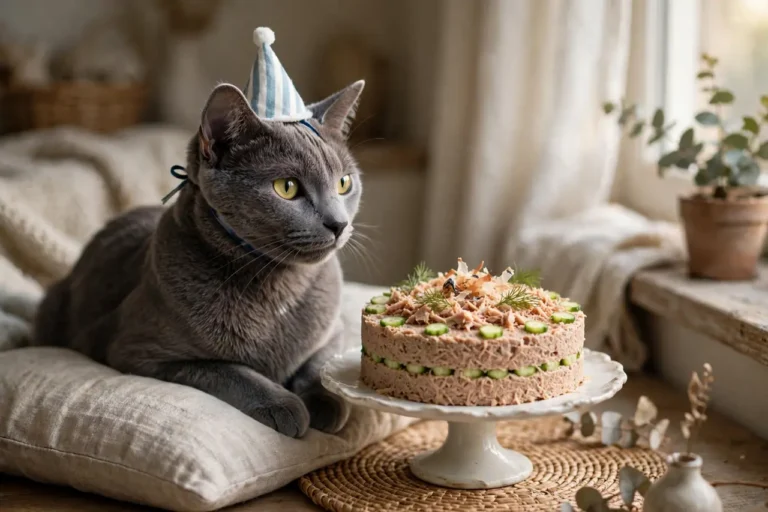
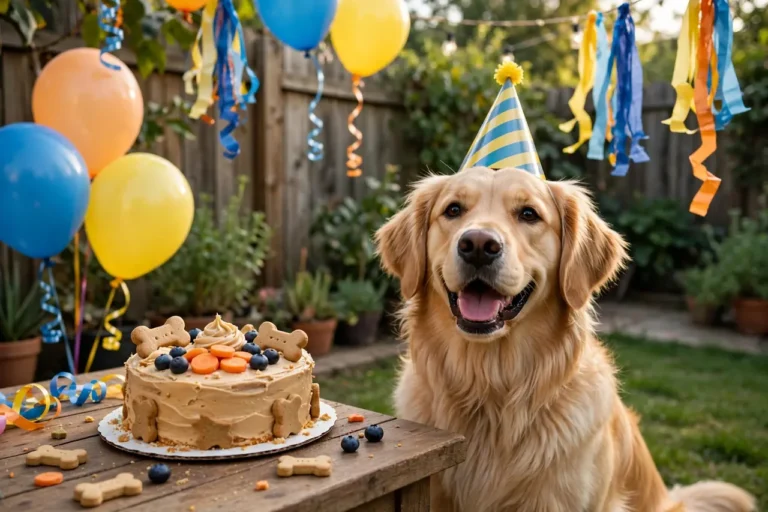
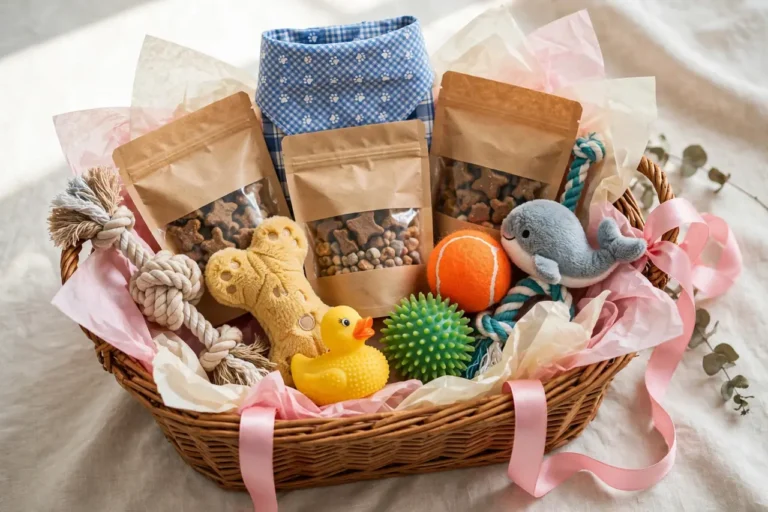
The cake lasts ten minutes. The photos last forever. These 28 dog birthday photoshoot ideas will help you capture frame-worthy birthday portraits — whether you are shooting on a phone or a DSLR, in a studio corner or your backyard. Organized from prep through backdrops, props, poses, lighting, the grand finale cake smash, and even editing and keepsakes, this is your complete playbook for birthday photos you will actually print. Work through the shot-list table during the session to make sure you capture every essential moment.
Photoshoot Prep: Setting Up for Success
Great pet photos are 20 percent camera and 80 percent preparation. Handle these before the first shutter click.
Timing. Shoot when your dog is naturally calm but not sleepy — typically mid-morning after a walk, or late afternoon. Avoid the post-nap groggy window and the pre-dinner hangry window. Keep sessions short: fifteen to twenty minutes for most dogs, with breaks. A tired, stressed dog photographs poorly; plan the key shots for the first ten minutes when focus and enthusiasm peak.
Treat strategy. Prepare three treat tiers: low-value kibble for basic attention, medium treats for holding poses, and jackpot treats (cheese, chicken) for the money shots. Cut treats pea-sized — you will use dozens, and a full dog stops working. Have water available, and take short breaks if your dog starts losing focus; a two-minute sniff break restores attention better than pushing through. And bring the squeaker: a squeaky toy held above the camera produces the alert, ears-up expression every time. Rotate your attention-getters — dogs habituate fast, so cycle through treats, toys, and funny noises.
Gear. You do not need a fancy camera — modern phones in portrait mode produce stunning pet portraits. Whatever you shoot with: clean the lens (seriously, it is always smudged), turn on burst mode, switch to the highest resolution, and get down to the dog’s eye level. If using a real camera, a 50mm-ish lens at a wide aperture gives that creamy blurred background; a fast shutter speed (1/500 or faster) freezes action. A helper is the single best “gear” upgrade: one person handles the dog, one shoots. And bring a portable charger — burst mode drains batteries fast, and a dead phone mid-cake-smash is a tragedy.
Grooming. Brush thoroughly, wipe eyes and muzzle, trim straggly fur around the face if your breed allows. A quick bath the day before (not day-of — damp fur photographs dull) makes coats shine. The camera magnifies every detail; five minutes of grooming saves hours of wishing you had. For white and light-coated dogs, a whitening shampoo the day before makes a visible difference in photos.
Backdrop Ideas (1–7)
The background makes or breaks a portrait. These seven setups work in any home.
1. The classic white sweep. A white bedsheet or roll of white paper taped to the wall and curved onto the floor creates the seamless studio look. It makes every coat color pop and keeps focus on the dog. Iron or steam the fabric — wrinkles photograph as shadows. This is the most versatile backdrop you can build for under ten dollars.
2. Balloon wall. A tight cluster of balloons in your palette covering a four-by-four-foot wall section. Festive, colorful, and unmistakably birthday. Keep the dog a few feet in front (not touching — popped balloons end sessions fast) and shoot with a slightly blurred background for depth.
3. Kraft paper mural. Tape kraft paper to the wall and hand-draw a birthday scene: paw prints, bones, “HAPPY BIRTHDAY [NAME].” Rustic, personal, and completely unique. Let kids decorate it — the imperfection is the charm. Photograph it before the dog leans on it.
4. Outdoor golden hour. No backdrop needed: shoot in a park or yard during the hour before sunset. The warm light flatters every coat, and natural backgrounds (grass, trees, blurred foliage) need no styling. This is the easiest professional-looking option — nature does the art direction.
5. The cozy corner. A styled corner with blankets, cushions, and fairy lights — the “lifestyle” look. It suits calm dogs who will settle into a nest. Shoot slightly from above for the cozy, intimate feel. This backdrop doubles as party decor, so it earns its setup time twice.
6. Sequin or shimmer curtain. A sequin backdrop curtain (under fifteen dollars) adds glamour and gorgeous bokeh when slightly blurred. Gold and rose gold flatter warm coats; silver suits black and grey dogs. Keep the dog a few feet forward so the sequins melt into sparkle.

7. Chalkboard message wall. A large chalkboard (or chalkboard-painted plywood) with a hand-lettered birthday message as the background. Personal, reusable, and very photogenic. Write big — the message should read clearly in the photo. This works beautifully for the “official” birthday portrait.
Prop Ideas (8–13)
Props add story and humor. The rule: props near the dog, rarely on the dog — and always with treats flowing.
8. The birthday crown. A small felt or cardstock crown, worn for exactly the photo moment. Most dogs tolerate crowns for about ninety seconds with treat support — which is all you need. Position it slightly back on the head (not over the eyes) and shoot fast.
9. Party hat (held, not worn). For dogs who reject headwear, have a helper hold the hat just above the dog’s head, out of frame. In the photo, it looks worn. This trick saves sessions with hat-hating dogs and produces identical results.
10. Number balloons. A giant foil number balloon showing the birthday age, held by a helper beside the dog or weighted nearby. It documents the milestone in the most shareable way. Keep it out of paw reach — foil numbers are surprisingly poppable.
11. The gift pile. Arrange wrapped presents (empty boxes wrapped festively work fine) around the dog. It creates the “spoiled birthday pup” narrative instantly. Let the dog “open” one for candid action shots — shredding paper is peak photo material.
12. Speech bubble signs. Hand-lettered signs on sticks: “BIRTHDAY BOY,” “SPOILED SINCE 2019,” “CAKE FIRST, QUESTIONS LATER.” Hold them beside the dog. They add humor and context, and they are endlessly reusable with new messages.
13. The birthday bandana. A festive bandana is the lowest-effort, highest-success prop — most dogs accept bandanas happily, they stay on, and they read clearly in photos. When all else fails, the bandana saves the session. Every dog should own a birthday bandana.
For more portrait inspiration, our at-home photoshoot guide has posing and lighting techniques that work for any subject — including four-legged ones.
Poses and Shot Ideas (14–20)
Dogs do not pose — they are. Work with natural behavior and you will get magic.
14. The regal sit. The classic: dog sitting squarely, looking at camera, backdrop clean. Achieve it with a treat held at lens level and the “sit-stay” your dog already knows. It is simple, timeless, and the shot most likely to get framed. Take twenty frames; one will have the perfect expression.
15. The head tilt. Say your dog’s name in a funny voice or squeak the toy — the head tilt follows. It is the most beloved dog expression in photography, and birthday sessions are the perfect excuse to capture it deliberately. Burst mode is essential; tilts last a second.
16. The action zoomie. Have a helper excite the dog at one end of the yard while you shoot at the other with a fast shutter speed. Mid-run shots with ears flying and pure joy on their face are electric. Shoot in burst, expect ninety percent blur, and treasure the ten percent that is perfect.
17. The cuddle close-up. You (or a favorite human) hugging the dog, both looking at camera — or the dog looking at you adoringly while you look at camera. These shots capture the relationship, not just the dog, and they become the most treasured photos over time. Do not skip the human-dog shots.

18. The detail shots. Close-ups of the paw on the cake, the nose touching a balloon, the birthday bandana’s knot, the greying muzzle. Details tell the story that wide shots miss, and they make beautiful album companions to the hero portraits. Get close — fill the frame.
19. The group photo. All the party dogs (and humans) together. This is chaos photography: have one helper per dog, treats ready, and shoot fast. Accept imperfection — a group shot where one dog is mid-sneeze is more memorable than a stiff perfect one. Take many; sort later.
20. The “before and after” cake shot. One pristine photo of the dog beside the untouched cake, then the glorious mess after. The contrast tells the whole birthday story in two frames. Plan the “before” shot carefully — you only get one untouched cake.
Lighting and Camera Tips (21–24)
Light is everything. These four tips improve any camera’s output immediately.
21. Window light is king. For indoor shoots, position the dog facing a large window — the soft, directional light flatters fur beautifully and creates natural catchlights in the eyes. Turn off overhead lights to avoid mixed color temperatures. Morning window light is the most flattering of the day.
22. Golden hour outdoors. The hour before sunset provides warm, soft, directional light that makes every dog look magnificent. Avoid midday sun — it creates harsh shadows and squinting. Overcast days are secretly excellent: the clouds act as a giant softbox, giving even, flattering light all day.
23. Get low. Shoot at the dog’s eye level, not from standing height. Photos taken looking down on dogs feel like snapshots; photos at eye level feel like portraits. It is uncomfortable for the photographer and transformative for the photo. Kneel, sit, or lie down — whatever the shot needs.
24. Burst mode always. Dogs move. Expressions change in milliseconds. Burst mode (holding the shutter for rapid frames) is the difference between missing the moment and nailing it. Storage is cheap; missed moments are not. Shoot hundreds, keep dozens, love a handful.
The Cake Smash Finale (25–28)
End with the main event: the glorious, messy, unforgettable cake smash.
25. The setup. Place the cake on a low, stable surface with a washable backdrop and floor covering — this will get messy. Position the dog, step back, and let them discover it. Do not rush: the sniffing, the first lick, the commitment — the sequence is the story.
26. The smash. Shoot continuously from the first touch. The best cake smash photos are mid-destruction: frosting on the nose, ears back in delight, total abandon. Resist “helping” — the dog’s technique is perfect as is. A helper with a backup treat keeps the dog engaged if they lose interest.
27. The aftermath portrait. After the cake is conquered, take the “aftermath” portrait: messy face, happy eyes, possibly wearing the cake. These are consistently owners’ favorite photos — pure, unfiltered joy. Wipe the eyes gently first (frosting in eyes is no fun), then shoot.
28. The bath-time bonus. If the smash gets truly epic, the cleanup bath becomes its own photo op — a soapy, silly coda to the session. Not every dog will cooperate, but the ones who do produce legendary photos. Keep the camera handy through cleanup.
The Must-Get Shot List
Print this checklist and work through it during the session. If you get these ten, the shoot is a success.
| # | Shot | When to Take It | Tips |
|---|---|---|---|
| 1 | The regal portrait | First 5 minutes | Treat at lens level, burst mode |
| 2 | Head tilt | While attention is fresh | Squeaker or funny voice |
| 3 | Detail close-up (nose/paw) | Calm moment | Get close, fill frame |
| 4 | With favorite human | Mid-session | Capture the bond |
| 5 | Action shot | High energy moment | Fast shutter, burst |
| 6 | With props (crown/hat) | Before patience fades | 90-second window, shoot fast |
| 7 | Group photo | When all guests present | One helper per dog |
| 8 | Cake “before” | Right before smash | One chance — make it count |
| 9 | Cake smash action | The main event | Shoot continuously |
| 10 | Messy aftermath portrait | After the cake | Wipe eyes, then shoot |
Editing Your Birthday Photos: Quick Phone Fixes
Ten minutes of editing elevates good photos to great ones. You do not need Photoshop — your phone’s built-in editor handles everything below.
Crop for impact. The single most powerful edit: crop tighter. Remove distracting background edges, center the dog’s face, and follow the rule of thirds loosely. Most birthday photos improve dramatically with a 10–20 percent crop. Do not be afraid to go close — a face filling the frame is more striking than a small dog in a big room.
Fix the light. Bump exposure slightly if the photo is dark (common with black dogs), lift shadows to reveal coat detail, and add a touch of warmth for golden-hour coziness. Avoid over-editing: the goal is “how it looked,” not “heavily filtered.” If the photo needs heroic rescue editing, it was probably not a keeper — move on.
Handle the eyes. Pet “demon eyes” from flash are best avoided (do not use flash), but if they happen, most editors have a red-eye tool that works on pets. More commonly, just ensure the eyes have catchlights — a tiny brightness boost to the eye area brings portraits alive. It is a subtle edit with outsized impact.
Batch with presets. If you love a particular look, save it as a preset (most editing apps allow this) and apply it to the whole shoot for a cohesive album. Consistent editing makes a set of photos feel like a professional session rather than random snapshots. Then share the best ones — a beautifully edited birthday portrait deserves an audience.
Turning Photos Into Keepsakes
Photos you print get loved; photos on your phone get forgotten. Turn the shoot into something lasting.
The annual photo book. After each birthday shoot, add the best twenty photos to an ongoing photo book. After five years, you will own a chronicle of your dog’s life that no amount of money can buy retroactively. Many print services offer beautiful lay-flat books for under forty dollars.
Wall art. Print the hero shot large — sixteen by twenty or bigger — and frame it. A statement birthday portrait becomes part of your home’s story. Canvas prints are forgiving of phone-photo resolution; framed prints suit sharper images. Rotate the displayed photo each year for a living gallery.
Gifts for fellow dog lovers. Grandparents, dog sitters, and fellow party guests love photo gifts: framed prints, photo mugs, calendars, or ornaments with the birthday portrait. They are personal, inexpensive, and always well received. Order right after the shoot while enthusiasm is high.
Social media done right. Share the best three to five photos (not thirty), write a caption with personality — borrow a line from our birthday quotes collection — and tag the location if the venue was great. Quality over quantity gets more love, and a tight edit respects your followers’ attention.
Watch: Pet Photography Tips
Learn the fundamentals of great pet portraits — lighting, attention tricks, and camera settings — in this helpful pet photography tutorial. Apply these techniques to your birthday shoot for instantly better results.
Frequently Asked Questions About Dog Birthday Photoshoots
What time of day is best for a dog birthday photoshoot?
Mid-morning (after a walk, before the day heats up) or the golden hour before sunset. Both offer flattering light and align with most dogs’ calm-but-alert windows. Avoid midday harsh sun and the pre-dinner cranky period. For indoor shoots, mid-morning window light is ideal. Schedule the session before the party’s chaos, not during — a calm dog photographs infinitely better than an overstimulated one.
How do I get my dog to look at the camera?
The holy trinity: a treat held directly above the lens, a squeaky toy squeezed at the right moment, and a helper making interesting noises behind the photographer. Rotate through them — dogs habituate quickly, so switch tactics every few minutes. Saying their name in an unusual voice often works once or twice. And accept that some of the best shots happen when the dog is not looking at camera — candid profiles and action shots have their own magic.
Should I hire a professional pet photographer?
For milestone birthdays, yes — it is worth it. Professionals bring expertise you cannot replicate quickly: reading dog body language, managing wiggles, studio lighting, and the patience of saints. Expect two hundred to five hundred dollars for a session with prints. For annual birthdays, DIY with the tips here produces wonderful results. Book professionals two to three weeks ahead, and bring the dog’s favorite treats and toys to the session.
What should my dog wear for the photoshoot?
Less is more. A birthday bandana or bow tie reads clearly and stays on; full costumes often look uncomfortable and photograph as such. If using a crown or hat, limit wear to the photo moment. Make sure anything worn is clean and fits well — the camera magnifies crooked accessories. And always prioritize the dog’s comfort: a happy naked dog beats a miserable costumed one in every photo.
How do I photograph a black dog?
Black dogs are notoriously tricky: shoot in bright (not harsh) light to reveal coat detail, use a lighter background for contrast, and slightly overexpose — camera meters underexpose dark subjects. Window light or open shade works beautifully. Avoid busy backgrounds that swallow dark shapes. Focus on the eyes: catchlights make black-dog portraits come alive. In editing, lift shadows gently rather than cranking exposure.
Can I do a birthday photoshoot with a phone?
Absolutely — modern phones are excellent pet cameras. Use portrait mode for blurred backgrounds, tap to focus on the eyes, and shoot in burst mode. Clean the lens first (it matters enormously). Shoot in good light rather than relying on flash — phone flash creates harsh, unflattering pet photos with demon eyes. The best camera is the one you have; technique matters far more than gear.
How long should the photoshoot last?
Fifteen to twenty minutes of active shooting for most dogs, with breaks. Puppies and high-energy dogs: ten minutes, twice, with a play break between. Seniors: keep it gentle and short — five great photos beat fifty stressed ones. Watch for stress signals (lip licking, yawning, turning away) and stop before the dog is done. You can always shoot more tomorrow; you cannot un-stress a bad session.
What if my dog will not sit still for photos?
Embrace motion. Action shots — running, jumping, shaking, mid-treat-catch — are often better than posed portraits anyway. Use a fast shutter speed (or sport mode on phones), shoot in burst, and let the dog be a dog. Alternatively, tire them out first with a good walk, then shoot during the calm aftermath. And remember: the “perfect” posed photo is overrated. Personality beats perfection.
How do I include multiple dogs in birthday photos?
One helper per dog is the golden rule. Position dogs with treats, have helpers hold attention above the lens, and shoot fast — the window of cooperation is brief. For dogs who do not get along, composite: photograph each separately against the same backdrop and combine in editing (or just display side by side). Do not force proximity for a photo; stressed dogs and great pictures are mutually exclusive.
What do I do with the photos after the shoot?
Print them! Digital photos languish; prints get enjoyed. Make a small album or a framed hero shot for the wall, share the best on social media with a caption from our birthday quotes collection, and back everything up in two places. Consider an annual birthday photo book — after five years, it becomes a treasured chronicle of your dog’s life. For posing ideas for future shoots, our photo ideas guide has concepts that adapt to pet portraits.
How do I get good photos if my dog is camera-shy?
Desensitize gradually: let the dog investigate the camera and tripod with treats over several days before the shoot, keep sessions very short, and never force proximity to equipment. Shoot from a distance with zoom rather than crowding. Candid shots during play often beat posed attempts for shy dogs — set up the backdrop near their favorite spot and capture them being themselves. Some of the most soulful pet portraits come from dogs who never once looked at the lens.
What background color works best for my dog’s coat?
Contrast is key: light coats pop against darker backgrounds (navy, forest green, charcoal), dark coats shine against light backgrounds (white, cream, pastels). Mid-tone coats are versatile — choose based on the party palette. Avoid backgrounds too close to the coat color (a cream dog on a cream backdrop disappears). When in doubt, a clean white or soft grey works for every dog and keeps the focus on the birthday star.
The secret of great dog birthday photos is not the camera — it is the preparation, the patience, and the willingness to embrace the chaos. Prep the treats, set the backdrop, get down to their level, work through the shot list, and shoot through the wiggles. Somewhere in those hundreds of frames is the photo that will hang on your wall for years: your dog, mid-joy, on the day that was all about them. Edit the best ones lightly, print the hero shot, and start the annual album — future you will be profoundly grateful. That is worth every blurry outtake. Happy shooting — and happiest of birthdays to your photogenic pup.