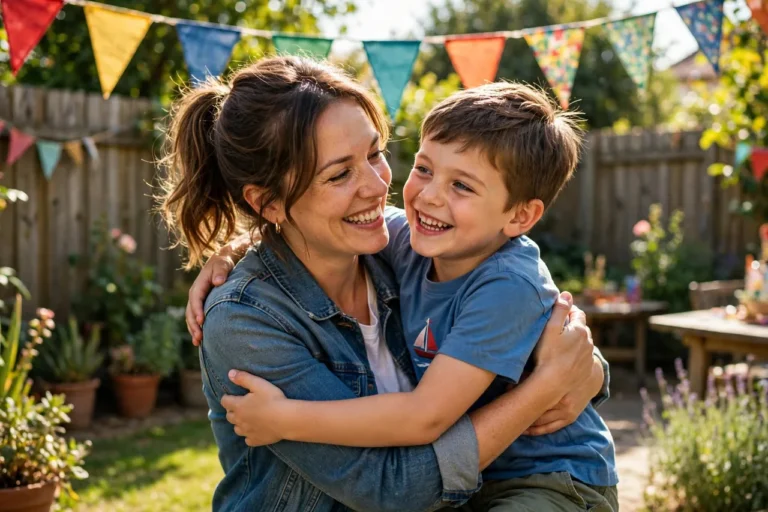
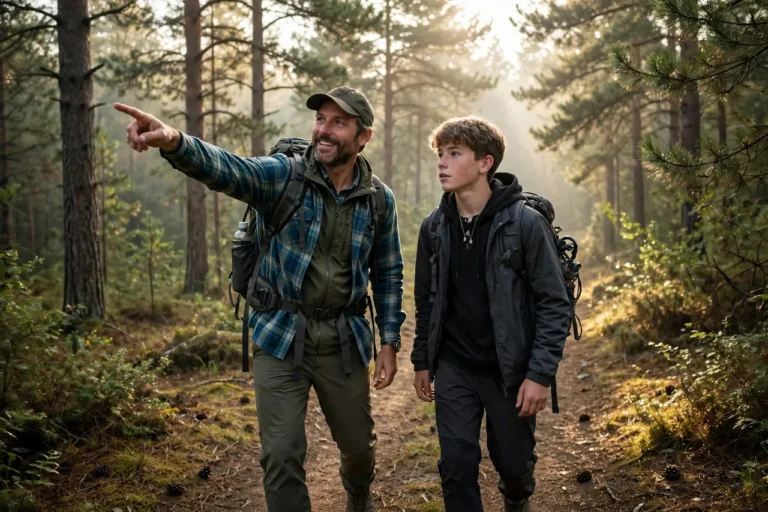
Years from now, when the details of this Daughter’s Day have softened in memory, the photographs will remain — sharp, vivid, irrefutable proof of a day she was celebrated. That is why daughter’s day photo ideas deserve a guide of their own: not because the day needs documenting for social media, but because your family deserves a visual archive of its love. The good news? You do not need a professional camera or a photography degree. You need light, a few good ideas, and the willingness to be a little silly together.
This guide covers everything: why these photos matter more than you think, golden-hour outdoor shoots, at-home lifestyle sessions, pose ideas that flatter every age, props that turn snapshots into stories, themed shoots from whimsical to elegant, and the honest pros and cons of DIY versus hiring a pro. You will also find a shoot-type comparison table and answers to the questions parents ask most — including how to photograph a camera-shy teen. Let’s make some memories you can hang on the wall.
Why These Photos Matter More Than You Think
Photographs are time machines with a shutter button. Ask any adult which possessions they would save from a fire, and photo albums rank near the top — not because the images are art, but because they are evidence: we were here, we were together, we were happy. Daughter’s Day photos serve a specific emotional function beyond ordinary snapshots. They are portraits of cherishing — images in which a daughter can see, literally, that she was celebrated.
There is developmental power here too. Children build their identity partly from the images they see of themselves — the “reflected self.” A daughter who grows up seeing photographs of herself laughing with her parents, being hugged, being the center of a joyful occasion, internalizes a story: I am loved, I belong, I matter. The annual Daughter’s Day photo, taken in the same spot year after year, becomes a visual timeline of her becoming — and teenagers who roll their eyes at the camera now will treasure that timeline later. (Every parent of an adult child confirms this. Every single one.)
So approach the day’s photography with intention but not pressure. The goal is not a perfect portrait; it is an honest one. Some of the most beloved family photos are blurry, mid-laugh, imperfectly lit — and perfect in every way that counts. Take many, curate later, print the best. A photo that lives only on a phone might as well not exist; a photo on the wall works on the heart every single day.
The Golden Hour Outdoor Shoot
If you take only one set of photos on Daughter’s Day, take them outdoors in the hour before sunset. Photographers call it the golden hour for a reason: the low sun bathes everything in warm, flattering light, softens shadows, and adds a glow that no filter can replicate. It is nature’s free portrait studio, and it makes everyone look radiant.
Location matters less than light, but a few settings sing: an open field or meadow (tall grass photographs like a dream), a beach at low tide (wet sand mirrors the sky), a park with big trees (dappled light through leaves), a flower garden in bloom, or even your own backyard if the light hits it right. Arrive 60–90 minutes before sunset to scout and warm up; the best light is in the final 30 minutes, when the sun sits low and everything turns to honey.
For the shoot itself, prioritize movement and connection over stiff posing. Walk hand in hand toward the camera (and away from it — the walking-away shot is a classic). Spin her around (little kids) or walk with arms linked (teens and adults). Sit in the grass together, foreheads touching. Throw leaves or petals in the air and shoot the burst. Whisper something funny to get a genuine laugh — the instruction “look at each other and laugh” produces the most natural smiles in photography. Take breaks; the in-between moments, when she thinks you are not shooting, are often the keepers.
Wardrobe tip: coordinate without matching exactly. Choose a color palette (cream and sage, blush and denim, white and gold) and let each person interpret it. Flowing fabrics — dresses, scarves — catch the light and the breeze beautifully. And bring the essentials: water, a backup outfit for kids (grass stains are inevitable), and a blanket for sitting shots. For pose-by-pose guidance, the video below — a behind-the-scenes mother-daughter fall shoot — is full of ideas you can steal.
The At-Home Lifestyle Shoot
Not every memorable photo needs a meadow. At-home lifestyle photography — candid, warm, documentary-style — captures the texture of real life: the kitchen where you baked together, the couch where you always cuddle, her bedroom with its posters and personality. These photos age beautifully because they preserve not just faces but place: the home she grew up in, exactly as it was.
The best light indoors is window light. Position her near a large window (she faces the window, you shoot with your back to it) for soft, flattering illumination. Turn off overhead lights, which cast unflattering shadows; open curtains wide. Morning light is crisp and bright, afternoon light is warm and golden — both work. Kitchens with big windows are secretly the best portrait studios in most homes.
Shoot the day’s real moments, not staged ones: her waking to the decorated room, floury hands from baking, the family piled on the couch, the candlelit dinner. The “day in the life” approach produces an album that tells a story rather than a set of portraits. Include details too — her hands holding the letter you wrote, the cake before it is cut, the balloons in the hallway. Detail shots are the punctuation marks of a photo story.
For a more directed at-home session, create one “set”: a blank wall with a balloon garland, the couch styled with the good throw pillows and fairy lights, or her bed made up pretty with the gift arranged on it. A single styled corner gives you portrait-quality results without transforming the whole house. And do not forget the self-timer group shot — prop the phone, set the timer, and pile in. The slight chaos of beating the timer usually produces everyone’s genuine smile.
Pose Ideas That Always Work
Posing is where most parents freeze, but a handful of reliable poses covers every age and mood. The secret: poses that involve connection (touch, eye contact, movement) always outperform poses that are merely decorative.
The classics: Foreheads touching, eyes closed — intimate and timeless. The big hug, lifted off the ground (for little ones) or the side-hug with heads tilted together (for teens). Walking hand in hand, shot from behind — the “journey together” image. Cheek to cheek, both smiling at the camera — simple, joyful, unfailingly charming.
The playful: The piggyback ride (works until she is far too big, and then it is funny). The “whisper a secret” — one whispers, the other laughs. The twirl — she spins, dress flying, pure joy. The “copycat” — strike the same silly pose side by side. Blowing bubbles, throwing leaves, jumping (time the jump; the outtakes are as good as the successes).
The tender: Her head on your shoulder, both looking at the camera — quiet and loving. Hands held, shot close — a detail image full of story. The “almost” — foreheads nearly touching, about to laugh. Reading together, heads bent over the same book. These quieter poses suit teens and adult daughters who have outgrown the silliness but not the closeness.
The generational: Three generations — grandmother, mother, daughter — hands stacked, or walking in a line holding hands, or the same pose recreated across decades (find an old photo of mother-as-daughter and recreate it). These images carry extraordinary emotional weight; if grandmother is available, prioritize this shot above all others.
For camera-shy subjects (hello, teenagers): shoot candidly during an activity rather than asking for poses. Give them a job — “hold the reflector” (a white pillow works) — so the camera feels incidental. Let them direct: “show me how you want to be photographed.” Teens who control the shoot participate willingly; teens who are posed like mannequins revolt. And always, always show them the back of the camera — letting her see a great shot of herself dissolves resistance faster than any persuasion.
Props That Tell a Story
Props give hands something to do, give photos a narrative, and give shy subjects something to hide behind (productively). The best props are personal — objects with story weight, not generic party supplies.
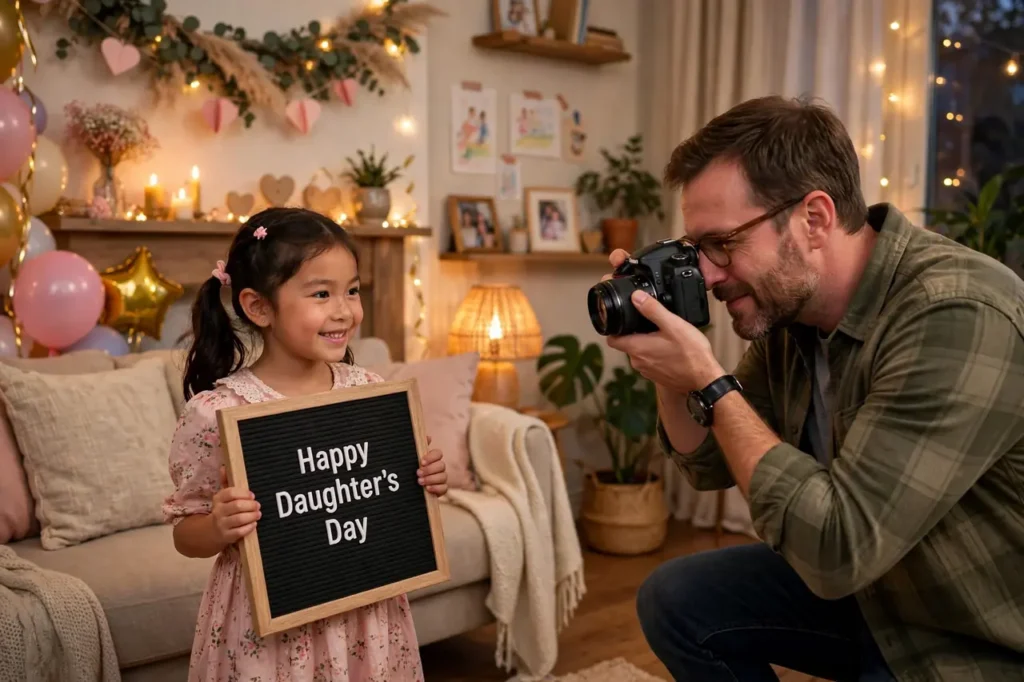
Letter boards and signs: A felt letter board reading “Happy Daughter’s Day 2026” dates the photo and makes it instantly shareable. Handwritten signs (“She is loved,” “Best day ever”) add a homemade charm. For the annual photo, hold a sign with her age — the series becomes a growth chart of joy.
Meaningful objects: Her favorite book, the stuffed animal she has had since birth, the trophy she is proud of, the instrument she plays. Photographing her with the things she loves creates portraits of identity, not just appearance. One powerful idea: photograph her holding a photo of herself as a baby — the “then and now” in a single frame.
Festive basics: Balloons (a bunch in her favorite colors, or a single giant one), flower crowns (easy to DIY with faux flowers and wire), confetti (biodegradable, outdoors only — your future self thanks you), fairy lights (hold a string for a magical glow effect), and a cozy blanket for snuggling shots. These are the workhorses of celebration photography: cheap, photogenic, and endlessly reusable.
Themed props: For a baking-day shoot: aprons, rolling pins, flour-dusted cheeks. For a tea party: fancy cups, a tiered stand, feather boas. For an adventure shoot: a map, binoculars, a backpack. Match props to the day’s activities and the photos document the celebration authentically.
Avoid prop overload — one or two meaningful props beat a cluttered frame. And remember the most powerful prop of all is free: each other. Arms around shoulders, hands held, heads together — connection outranks accessories every time.
Themed Shoots: From Whimsical to Elegant
A theme elevates a photo session from snapshots to a shoot — and themes are catnip for daughters who love to dress up, pretend, and play.
The princess/prince-cess: Tulle skirts or fancy dresses, tiaras, a “throne” (any decorated chair), and a regal attitude. Works for ages 3 to 13, and ironically for teens who will do it “as a joke” and secretly love it. Shoot in the prettiest room or garden you can find.
The vintage picnic: A blanket, a wicker basket, retro outfits (sundresses, suspenders), lemonade in glass bottles. Golden-hour light, a field or park, and a slightly faded edit afterward. Timeless and gorgeous at any age.
The artist’s studio: Aprons splattered with paint, canvases, brushes held like wands, colorful handprints. Shoot mid-creation for authentic mess and joy. The photos are vibrant, and the artwork becomes a prop with a story.
The black-and-white elegant: Simple dark or white clothing, minimal background, dramatic window light, monochrome edit. Strikingly sophisticated — particularly beautiful for mother-daughter portraits with teens and adult daughters. The absence of color forces attention to expression and connection.
The “day in the life”: No theme but the day itself — document the celebration documentary-style from morning reveal to evening toast. This is the least posed and often the most treasured: real laughter, real mess, real love. Give the camera to different family members through the day for varied perspectives (kids take wonderfully weird, wonderful photos).
The generational recreation: Find an old photo — mother as a child with grandmother — and recreate it precisely: same pose, similar clothes, same location if possible. Then display the two images side by side. This is advanced-level meaningful, and it reliably makes grandmothers cry happy tears.

DIY vs. Hiring a Pro: An Honest Comparison
Should you hire a photographer or do it yourself? Both paths produce beautiful results; the right choice depends on your priorities.
DIY wins on: cost (free), comfort (she relaxes with family behind the camera), spontaneity (shoot all day, not just the booked hour), and authenticity (candid moments a stranger would miss). Modern phones in good light produce genuinely excellent images. With the tips in this guide, a parent with a phone can create frame-worthy photos.
A pro wins on: technical quality (real cameras, real lenses, real expertise), direction (pros know how to pose reluctant teens), the “event” feeling (a booked shoot feels special), and — critically — getting the parents in the frame. The person always behind the camera is absent from the archive; hiring a pro puts the whole family in the picture. Many photographers offer affordable mini-sessions (20–30 minutes) that are perfect for a Daughter’s Day portrait set.
The hybrid: DIY all day for candids, plus a 20-minute mini-session for the formal portraits. Or: designate a talented friend or relative as the day’s photographer, gifting them prints as thanks. Or: hire a photography student — skilled, affordable, enthusiastic.
Whichever you choose, brief the photographer (even if it is Uncle Dave): share 3–4 inspiration images, list your must-have shots (the generational photo, the annual same-spot photo), and agree on a shot list. And print the results — a photo that stays digital is a photo half-lived. For words to pair with the prints — captions, album titles, frame inscriptions — our daughter quotes and birthday quotes collections are full of frame-worthy lines.
Editing and Sharing: After the Shoot
Taking the photos is only half the work. What you do with them determines whether they become treasured artifacts or forgotten files.
Edit lightly, preserve honestly. The goal of editing is enhancement, not transformation — especially for photos of your daughter. A small brightness lift, a touch of warmth, a gentle crop: that is usually enough. Resist heavy filters that alter how she looks; daughters (especially teens) are already navigating enough pressure about appearance without their own family photos implying they need fixing. Edit for light and mood, never for faces. The most beautiful thing in the photo is her, exactly as she is.
Curate ruthlessly. From a day of shooting, select 20–30 keepers — the ones that make you feel something. Delete the blurry, the blinked, the duplicates without mercy; a tight edit of 25 great photos is infinitely more powerful than 400 mediocre ones. Organize them into a dedicated Daughter’s Day album (phone, cloud, or both) so they do not dissolve into the camera roll’s chaos.
Print, frame, display. This is the step that converts digital files into family heritage. Print the best 5–10 as proper prints — drugstore printing is inexpensive and good. Frame one for her room (let her choose which), one for a shared space, and start the annual album. A wall that accumulates Daughter’s Day portraits year after year becomes one of the home’s most meaningful installations — a timeline of love she will walk past every day.
Share thoughtfully. A few photos shared with family (and, with permission, on social media) extend the celebration’s joy. But establish the consent rule early, especially with teens: she approves what gets posted, full stop. For young kids, consider who can see the images — private family albums over public feeds. And create the annual tradition of sending the best photo to grandparents with a handwritten note on the back; in an age of digital everything, a physical photo in the mail is a small miracle. For caption and inscription wording, our celebration ideas and daughter quotes collections have lines worth borrowing.
Back up everything. The unglamorous commandment: photos should exist in at least two places (phone + cloud, or cloud + external drive), with prints as the ultimate backup. Storage fails; prints endure. Future you — and future her — will be grateful for the redundancy.
Daughter’s Day Shoot Types at a Glance
| Shoot Type | Best Setting | Ideal Light | Cost | Best Ages |
|---|---|---|---|---|
| Golden hour outdoor | Field, beach, park | 1 hr before sunset | Free | All ages |
| At-home lifestyle | Kitchen, living room | Window light | Free | All ages |
| Themed shoot | Styled corner / garden | Golden hour / window | $–$$ (props) | 3–16 |
| Black-and-white elegant | Minimal interior | Dramatic window light | Free | Teens & adults |
| Generational portrait | Meaningful location | Soft natural light | Free | All ages |
| Pro mini-session | Photographer’s location | Pro lighting | $$ | All ages |
Watch: Behind the Scenes of a Mother-Daughter Shoot
See how the pros do it: this behind-the-scenes video of a mother-daughter fall photoshoot is packed with pose ideas, location tips, and the relaxed, joyful energy that makes for beautiful portraits. Watch it before your shoot for instant inspiration.
Frequently Asked Questions
What are good photo poses for mother and daughter?
The most flattering and meaningful poses involve connection: foreheads touching with eyes closed, walking hand in hand (toward or away from camera), cheek to cheek smiling, her head on your shoulder, and the big hug. For playful energy: piggyback rides, twirls, whispering secrets, and copycat silly poses. For teens and adults: quieter poses like sitting side by side, hands held in close-up, or reading together. Movement and genuine laughter always photograph better than stiff, formal posing — “look at each other and laugh” is the single most effective direction in family photography.
How do I photograph a teenager who hates having her picture taken?
Stop asking for poses and start documenting activities — shoot her baking, laughing, walking, living, rather than performing for the camera. Give her control: let her choose the location, the outfits, even direct the shoot. Show her the back of the camera frequently; seeing a genuinely good photo of herself dissolves resistance. Try the “photo walk” (walk together, shooting casually) or give her the camera for a while — teens who photograph others often become willing subjects themselves. And respect a real “no”: one refused photo is better than a day of resentment. The willing shots you do get will mean more.
What should we wear for Daughter’s Day photos?
Coordinate, don’t match: choose a palette of 2–3 complementary colors (cream + sage + denim, blush + white + gold) and let each person interpret it in their own style. Avoid neon, large logos, and busy patterns that fight for attention. Flowing fabrics photograph beautifully in breeze and movement. Dress for the setting — barefoot in a field, cozy knits at home, a little dressy for the elegant shoot. Most importantly, wear something she feels good in: confidence is the best filter, and a daughter who loves her outfit will shine in every frame.
What is the best time of day for outdoor Daughter’s Day photos?
The golden hour — roughly the hour before sunset — is unmatched: warm, flattering, directional light that makes everyone glow. The hour after sunrise is nearly as good (with the bonus of empty locations). Avoid midday sun, which creates harsh shadows and squinting; if midday is your only option, find open shade (under a tree, beside a building) where the light is soft and even. Overcast days are secretly excellent for portraits — clouds are nature’s softbox, producing beautifully even light all day.
How can I take good photos with just my phone?
Modern phones are remarkably capable — technique matters more than gear. Clean your lens (seriously, this fixes half of all bad phone photos). Shoot in the best light available (window light indoors, golden hour outdoors). Tap to focus on her eyes, then slide to adjust exposure. Use portrait mode sparingly — it is great for single subjects, less reliable for groups. Shoot in burst mode for action (jumps, twirls, laughter). Get low for kids (shoot at their eye level, not down at them). And take many — professionals shoot hundreds to get dozens; your hit rate improves with volume. Edit lightly: a small brightness and warmth boost is usually all a good photo needs.
What should I do with the photos after Daughter’s Day?
Print them — this is the step everyone skips and everyone regrets skipping. Choose 10–20 favorites and order prints (drugstore printing is cheap and good). Frame one for her room and one for a shared space. Start or add to an annual Daughter’s Day album — physical or digital — so the years accumulate into a story. Share a few with family (ask teens before posting publicly). And back everything up in at least two places. A photo that exists in three places (phone, cloud, print) is a memory secured; a photo that exists only on a phone is a memory at risk.
Say It With a Photograph
A thousand words, they say, and on Daughter’s Day every one of them is love. So take the photos — the posed and the candid, the golden-hour portraits and the blurry mid-laugh outtakes. Print them. Frame them. Hang them where she will see them every day and remember: once a year, her family stops the world to celebrate her, and the camera was there to prove it. Years from now, she will hold these images and feel what you feel right now, looking at her — the fierce, tender, overwhelming gladness of being her parent. That is what the photographs are for. That is what the day is for. Happy Daughter’s Day.