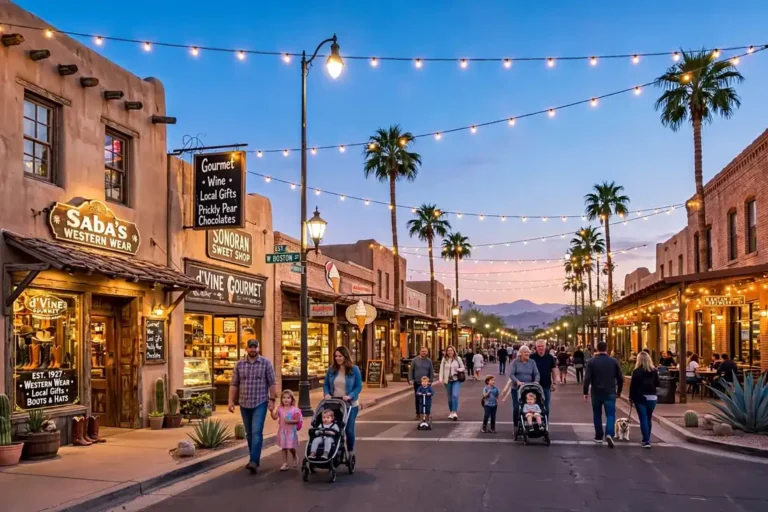
Community street fairs are the beating heart of neighborhood life in America — the weekends when a street closes to traffic and fills instead with food vendors, local artisans, live music, and neighbors who finally learn each other’s names. From big-city street festivals drawing tens of thousands to the humble block party on your own street, these events turn public space into community space.
This guide covers both sides of the equation: how to find and enjoy the street fairs happening around you, and how to organize a block party on your own street — permits, planning timelines, activities, and the mistakes to avoid. If you’re planning something bigger, our family event planning guide covers event logistics in greater depth.
What Counts as a Community Street Fair?
Street fairs exist on a spectrum, and knowing the types helps you find the ones you’ll enjoy:
- Neighborhood street fairs: one to a few blocks closed to traffic, with local vendors, food, music, and kids’ activities. Organized by merchant associations or community groups. Free to attend.
- Cultural street festivals: celebrating a neighborhood’s heritage — think Italian feasts, Caribbean carnivals, or Lunar New Year street fairs. Often the most vibrant events on this list.
- Art and craft street fairs: juried or curated artisan markets set up along closed streets. Great for unique gifts and home goods.
- Block parties: the smallest unit — a single residential block closed for a day, organized by the residents themselves. Potluck food, lawn games, maybe a bounce house.
- Citywide street festivals: large-scale events spanning many blocks with multiple stages, hundreds of vendors, and serious crowds.
When Street Fair Season Happens
Street fair season follows the weather: late spring through early fall in most of the country, year-round in warm climates. The peak months are typically June through September, with a secondary bump around holidays — many cities run special holiday street fairs in December.
Holiday weekends are prime time: Memorial Day weekend events and Labor Day weekend events often include street fairs, parades, and block parties. If you’re looking for a street fair, start checking calendars about a month before any three-day weekend.
How to Find Street Fairs Near You
- City special-events calendar: street closures require permits, so the city’s special events office usually lists permitted street fairs. Search “[your city] special events calendar” or “street closure permits.”
- Neighborhood and merchant associations: the organizations that run street fairs promote them heavily — follow your neighborhood association on social media.
- Tourism board calendars: larger street festivals appear here, especially ones that draw visitors.
- Local event platforms: Eventbrite and Facebook Events list many street fairs; filter by “festival” and “free.”
- Community boards and listservs: smaller fairs and block parties get announced on Nextdoor, neighborhood email lists, and physical flyers.
- Just walk around on weekends: in dense neighborhoods during fair season, you’ll stumble into street fairs regularly. Keep a tote bag handy.
Getting the Most Out of a Street Fair
Go hungry, bring cash
Street fair food is the main event — local restaurants and vendors serve their specialties at sidewalk stalls. Cash is faster than cards at busy food booths, and some smaller vendors are cash-only.
Arrive early for shopping, late for energy
Artisan vendors have the best selection in the first couple of hours. The crowds, music, and party atmosphere peak in the afternoon. Decide which you value more — or go twice.
Talk to the organizers
Street fairs run on volunteer labor. The info booth can tell you about the schedule (parade times, performances), and volunteering for an hour is a fast track to meeting your neighbors.
Bring the kids
Most community street fairs are extremely kid-friendly: face painting, bounce houses, games, and treats. They’re among the easiest free weekend outings for families.
How to Organize a Block Party: The Complete Playbook
Now the other side: throwing your own block party. It’s easier than you think, and it’s one of the highest-impact things you can do for your neighborhood. Here’s the full playbook.
Step 1: Check if you need a permit (you probably do)
Closing a street to traffic requires a permit from your city — typically from the transportation department, special events office, or police department. The process usually involves:
- An application submitted 30–90 days in advance (deadlines vary widely — check early).
- Signatures or consent from a percentage of residents on the block (often 50–75%).
- A small fee (many cities charge $25–$100; some waive it for residential block parties).
- Proof of liability insurance in some cities — often available cheaply as a one-day event policy.
- Barricade arrangements — some cities provide them; others require you to rent them.
Search “[your city] block party permit” for the exact requirements. Start this process first — everything else depends on the date being approved.
Step 2: Build your planning team
You need 3–5 committed neighbors, not a committee of 20. Assign clear roles:
- Coordinator: owns the timeline and the permit.
- Food lead: organizes the potluck sign-up or catering.
- Activities lead: plans games, music, and kids’ activities.
- Communications: handles flyers, the group chat, and day-of announcements.
- Safety/cleanup: manages barricades, first aid kit, and the end-of-day cleanup crew.
Step 3: Set the date and spread the word
Saturday afternoons are the classic block party slot — typically 12–6 p.m. or 2–8 p.m. Avoid holiday weekends (people travel) unless your block has a tradition of gathering then. Announce the date at least a month out with flyers in mailboxes and a group chat or email list.
Step 4: Plan the food
Three models work, pick one:
- Potluck: the classic. Use a shared sign-up sheet (even a simple online spreadsheet) organized by category — mains, sides, desserts, drinks — so you don’t end up with 14 pasta salads.
- Catered + potluck sides: the organizers order a main (tacos, BBQ, pizza) and neighbors bring sides. Split the catering cost per household.
- Food trucks: for larger blocks, booking one or two food trucks is a crowd-pleaser. Many trucks have minimums, so confirm the headcount math works.
Always ask about dietary restrictions and allergies in advance, and label dishes with common allergens.
Step 5: Plan activities
The best block parties have a loose structure — enough going on that nobody’s bored, but plenty of unstructured hangout time:
- For kids: bounce house (rented), water balloons or sprinklers in summer, face painting, chalk art contest, bike parade with decorations.
- For adults: cornhole tournament, trivia, live music from a neighbor’s band, cocktail/mocktail station.
- For everyone: group photo, raffle with donated prizes from local businesses, “guess the baby photo” board, community talent show.
- The secret weapon: a shared playlist and a decent Bluetooth speaker. Music makes everything feel like a party.
Step 6: Handle logistics
- Barricades: place them at both ends of the closed block per your permit instructions. Assign someone to monitor them.
- Restrooms: for parties over ~50 people or longer than 4 hours, consider renting a portable restroom. Your neighbors will thank you.
- Power: extension cords from nearby houses for speakers, bounce house blowers, and crockpots. Confirm with the homeowners first.
- First aid: a basic kit plus the location of the nearest urgent care, just in case.
- Trash: set out clearly labeled trash and recycling bins, and assign a cleanup crew with a firm end time.
Block Party Budget: What It Actually Costs
| Item | Typical Cost | Notes |
|---|---|---|
| Street closure permit | $0–$100 | Varies by city; some waive for residents |
| Liability insurance (one day) | $75–$200 | Required by some cities |
| Barricades | $0–$150 | Often provided by the city |
| Food (potluck model) | $0 (shared) | Each household contributes a dish |
| Food (catered main) | $10–$20 per household | Split across participating homes |
| Bounce house rental | $150–$300 | The biggest single expense for most parties |
| Portable restroom | $100–$200 | Recommended for 50+ guests |
| Decorations & supplies | $50–$100 | Banners, tablecloths, name tags, games |
Split across 20–30 households, a great block party often costs each family less than a dinner out.
Common Block Party Mistakes to Avoid
- Starting the permit process too late. This is the #1 killer of block party plans. Check your city’s deadline the moment you pick a date.
- Over-scheduling. A packed minute-by-minute agenda kills the relaxed vibe. Plan 3–4 anchor activities and leave the rest open.
- Forgetting the quiet neighbors. Personally invite the elderly residents and the people who keep to themselves — they’re often the ones who appreciate it most, and they may have great stories.
- No rain plan. Have a postponement date set from the start, or a garage/canopy backup plan.
- Skipping cleanup assignments. Assign cleanup crews before the party, not when everyone’s tired at 8 p.m.
- Forgetting to document. Designate someone to take photos — the group shot becomes neighborhood legend.
Street Fair Etiquette for Attendees
- Respect the neighborhood. You’re a guest on someone’s street. Keep noise reasonable as you arrive and leave, don’t block driveways, and use the portable restrooms provided.
- Buy something. Vendors pay for booth space; browsing without buying is fine, but if you attend regularly, support the people who make it happen.
- Leash and manage dogs. Crowded street fairs can overwhelm dogs. If yours isn’t crowd-proof, leave them home.
- Tip the performers. Street musicians and performers work for tips — a few dollars in the case keeps the music playing.
- Follow the event’s rules. Outside alcohol, glass containers, and drones are commonly prohibited. Check the event page.
Volunteering at Street Fairs
Street fairs run on volunteers — setup crews, info booth staff, kids’ activity helpers, cleanup teams. Volunteering a two-hour shift is the fastest way to meet neighbors and get insider access (volunteers always know where the good food is). Contact the organizing association a few weeks before the event; they almost always need more hands than they have.
Frequently Asked Questions
Do I need a permit for a block party?
In most US cities, yes — closing a public street to traffic requires a permit from the city, usually applied for 30–90 days in advance. Requirements vary: some cities just need an application and neighbor signatures, others require insurance and fees. Search “[your city] block party permit” for specifics.
How much does it cost to throw a block party?
With a potluck food model, a block party for 20–30 households typically costs $5–$15 per household when expenses (permit, bounce house, supplies) are split. The permit itself is often under $100 or waived for residents.
Are street fairs free to attend?
Community street fairs are almost always free to attend — you only pay for food, drinks, and anything you buy from vendors. Large citywide festivals sometimes charge admission, but neighborhood fairs don’t.
When is street fair season?
Late spring through early fall in most of the US (roughly May–September), year-round in warm climates. Holiday weekends — Memorial Day, July 4th, Labor Day — are peak street fair weekends.
How do I find out about street fairs in my neighborhood?
Follow your neighborhood or merchant association on social media, check the city’s special events calendar, and watch Nextdoor and community bulletin boards. Many smaller fairs are promoted almost entirely at the neighborhood level.
What should I bring to a street fair?
Cash, comfortable shoes, sun protection, a tote bag for purchases, and an appetite. If you’re bringing kids, add snacks, water, and a change of clothes — street fairs and popsicles are a messy combination.
The Bottom Line
Community street fairs — and the block parties that are their smallest, most personal form — are where neighborhoods become communities. Go to the fairs around you this season: eat the food, meet the vendors, learn your neighbors’ names. And if your block has never had a party, consider being the person who starts the tradition. The permit paperwork takes an afternoon; the friendships last for years.
Famous Street Fairs Worth Traveling For
Some street fairs are destinations in their own right — events worth planning a trip around:
- Large city street festivals: many major cities host signature multi-day street festivals each summer — typically featuring multiple music stages, hundreds of food and craft vendors, and crowds in the tens of thousands. Check your nearest big city’s tourism calendar for its flagship event.
- Cultural street festivals: the great ethnic neighborhood festivals — Lunar New Year parades, Italian feasts, Caribbean carnivals — are among America’s best street-level events. (See our guide to ethnic neighborhood festivals for a full tour.)
- Art-focused street fairs: juried art fairs that take over downtown streets draw artists from across the country and offer museum-quality work in an outdoor setting.
- Holiday street events: December transforms Main Streets nationwide — holiday strolls, tree lightings, and winter markets are often a town’s biggest event of the year.
When traveling for a street fair, book lodging early (small towns sell out), arrive the night before, and plan to spend the full day — the best fairs reward unhurried exploration.
The Year-Round Street Fair Calendar
- March–April: spring festivals begin; St. Patrick’s Day parades and events; cherry blossom festivals in applicable cities.
- May: fair season kicks into gear; Memorial Day weekend brings the first big wave of street fairs and block parties.
- June–August: peak season — weekly street fairs, night markets, and block parties in neighborhoods across the country.
- September: harvest festivals, cultural heritage months (Hispanic Heritage Month runs mid-September to mid-October), and end-of-summer blowouts.
- October: Oktoberfest celebrations, fall festivals, Halloween events and haunted attractions.
- November: holiday market openings, tree lighting season begins after Thanksgiving.
- December: holiday strolls, winter markets, New Year’s Eve street parties.
Turning Your Block Party Into a Tradition
The first block party takes effort. The fifth runs itself. Here’s how to make it stick:
- Fix the date: “the second Saturday of June” is easier to remember and plan around than a floating date. Traditions need predictability.
- Keep the organizing team fresh: rotate leadership every year or two so no one burns out. The founder’s job is to make themselves replaceable.
- Document and share: a shared photo album, a neighborhood social media group, a simple annual email — continuity lives in shared memory.
- Evolve the activities: retire what doesn’t work, keep what does, and let new neighbors bring new ideas. The best traditions adapt.
- Welcome newcomers explicitly: new families on the block should get a personal invitation, not just a flyer. The party is how they become neighbors.
Blocks with annual party traditions report something consistent: people look out for each other more. The party isn’t just a party — it’s the infrastructure of community.
Street Fairs and Local Business: Why They Matter
Street fairs aren’t just fun — they’re economic development. A successful neighborhood street fair can generate a significant share of a small business’s annual revenue in a single weekend, introduce hundreds of new customers to local shops, and demonstrate to city officials that the neighborhood deserves investment.
For attendees, this means your spending at street fairs has outsized impact. The $30 you spend at a local artisan’s booth, the dinner you eat at the neighborhood restaurant after the fair, the shop you discover and return to — it all compounds. “Shop local” is abstract advice; street fairs make it concrete and enjoyable.
If you own or work at a local business, participating in your neighborhood’s street fair — as a vendor, sponsor, or activity host — is among the highest-ROI marketing you can do. The customers you meet are literally your neighbors.
Inclusive Street Fairs: Making Everyone Welcome
The best community events actively welcome everyone. If you’re organizing:
- Keep it free. Admission fees exclude the neighbors who’d benefit most. Fundraise through vendor fees and sponsorships instead.
- Offer multilingual materials if your neighborhood is diverse — flyers, signage, and announcements in the community’s languages.
- Ensure physical accessibility — wheelchair-navigable routes, accessible restrooms, seating for seniors.
- Schedule thoughtfully — avoid major religious observances and consider shift workers with varied hours.
- Represent the whole block in planning, not just the most vocal residents. Knock on every door.