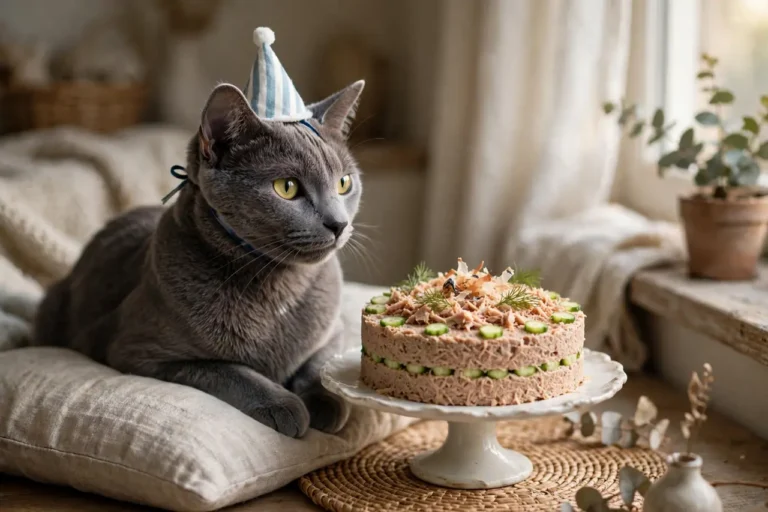
A cat’s birthday deserves more than the usual scoop from the treat bag — and homemade cat treats are surprisingly simple to make. Unlike dog treats, which often involve rolling, cutting, and long bakes, cat birthday treat recipes homemade-style tend to be tiny, protein-forward, and fast: a can of salmon, an egg, and fifteen minutes in the oven produces a week’s worth of birthday bites. This guide gives you ten tested recipes across every style cats love — crunchy baked nibbles, soft morsels, lickable purees, and frozen delights — plus the feline nutrition basics that make homemade treats genuinely better than store-bought.
You will also find a cat-safe ingredient reference, texture guidance for picky eaters, storage rules (fish-based treats are perishable — this matters), gift-packaging ideas for the cat-loving humans in your life, and answers to the most common questions, including how many treats are too many and whether homemade is actually healthier.
What Makes a Good Homemade Cat Treat
Cats are obligate carnivores, so the best homemade treats lead with animal protein: fish, poultry, or meat first, with minimal starch as binder. A good cat treat is also tiny — pea-sized or smaller — because cats eat small amounts and a large treat gets abandoned half-chewed. It should be aromatic (warming releases smell, which is why the 10-second microwave trick works), soft or easily crunchable (many cats reject rock-hard biscuits), and novel enough to feel special without being so strange the cat refuses it.
The never-list for cat treats: chocolate/cocoa, onion and garlic (more dangerous to cats than dogs — they damage feline red blood cells at lower doses), grapes and raisins, xylitol, excessive salt, raw fish in large amounts (thiaminase destroys vitamin B1), and cow’s milk in quantity (most adult cats are lactose intolerant; tiny tastes are fine). Also avoid dog treats as cat treats — they lack the taurine levels cats require. Taurine itself deserves emphasis: it is an essential amino acid for cats, critical for heart and eye health, and it comes from animal tissue. Every meat- and fish-based recipe in this guide supplies it naturally.
Crunchy Baked Nibbles
1. Two-Ingredient Salmon Bites
25 minutes total. Drain one 5-oz can of salmon (check meticulously for bones by running it through your fingers) and blend with 1 beaten egg until smooth. Spread ¼-inch thick on a parchment-lined baking sheet. Bake at 350°F (175°C) for 15 to 18 minutes until firm and lightly golden at the edges. Cool completely, then cut into pea-sized squares with a pizza cutter. Makes about 60 nibbles. These are the workhorse treat of this guide — dead simple, intensely aromatic, and the highest-value reward in most cats’ experience.
2. Tuna & Oat Crunchers
30 minutes total. Blend one 5-oz can of tuna in water (drained) with 1 egg and ½ cup oat flour into a thick dough. Roll into pea-sized balls, place on a parchment-lined sheet, and flatten slightly. Bake at 350°F for 16 to 20 minutes until firm and dry. For extra crunch, turn off the oven and leave them inside 30 minutes. Makes about 50 crunchers. The oat flour keeps these gentler than pure-fish treats — a good choice for cats with sensitive stomachs.
3. Chicken & Catnip Hearts
30 minutes total. Blend ½ cup finely shredded plain cooked chicken breast with 1 egg, ¼ cup oat flour, and 1 teaspoon dried catnip into a dough. Roll ⅛-inch thick and cut with a tiny heart-shaped cutter (or cut squares with a knife — the cat will not judge). Bake at 350°F for 14 to 16 minutes until set. Makes about 40 hearts. The catnip bakes into the treat — note that heat diminishes catnip’s potency, so these are mildly catnip-flavored; for the full effect, sprinkle fresh catnip on the serving plate.

4. Sardine Savory Squares
30 minutes total. Blend one 4-oz can of sardines in water (drained) with 1 egg and ⅓ cup oat flour. Spread thin on parchment and bake at 350°F for 15 minutes until firm. Cut into tiny squares. Sardines are nutritional powerhouses — omega-3s, vitamin D, calcium from the soft edible bones — and their strong aroma converts even treat skeptics. Open a window while baking; the smell is assertive. Makes about 50 squares.
| Recipe | Bake temp | Bake time | Yield | Best for |
|---|---|---|---|---|
| Salmon Bites | 350°F / 175°C | 15–18 min | ~60 | Training, high-value rewards |
| Tuna & Oat Crunchers | 350°F / 175°C | 16–20 min | ~50 | Sensitive stomachs |
| Chicken & Catnip Hearts | 350°F / 175°C | 14–16 min | ~40 | Party favors, gifts |
| Sardine Savory Squares | 350°F / 175°C | 15 min | ~50 | Picky eaters (strong aroma) |
Soft & Lickable Treats
Many cats — especially seniors and those with dental issues — prefer soft textures. These recipes need no real baking and come together in minutes.
5. Three-Ingredient Tuna Pâté
10 minutes + chilling. Blend one 5-oz can tuna in water (drained) with 2 tablespoons plain Greek yogurt until silky smooth. Spoon into a small ramekin and chill 1 hour to firm. Serve a tablespoon as the birthday “cake” with a single shrimp on top, or pipe tiny rosettes onto a plate with a zip-top bag. Keeps 2 days refrigerated. This is the fastest impressive cat treat in existence — five minutes of blending for something that looks patisserie-made.
6. Chicken Liver Mousse Cups
20 minutes + chilling. Simmer ¼ lb chicken livers in water 10 minutes until cooked through (no pink). Drain, cool slightly, and blend with 1 tablespoon plain Greek yogurt until mousse-smooth. Spoon into tiny paper cups and chill 2 hours. Top each with a sprinkle of bonito flakes. Makes 6 cups. Liver is extraordinarily rich in vitamin A — delicious and nutritious in small amounts, but keep portions tiny (a tablespoon per cat) because excess vitamin A is harmful. This is a sometimes-treat, not a daily one.
7. Birthday Lick Mat
5 minutes + freezing (optional). Spread 2 tablespoons of plain pumpkin puree or xylitol-free smooth peanut butter (yes, tiny amounts are safe for cats, though most prefer fish) thinly on a silicone lick mat, dot with tuna pâté (recipe 5), and sprinkle with bonito flakes. Serve as-is for a 10-minute birthday activity, or freeze 1 hour for a longer-lasting challenge. Licking is calming for cats — the repetitive motion releases endorphins — making the lick mat both treat and stress relief. For multi-cat homes, prepare one mat per cat; cats do not share well.
Frozen Delights
8. Salmon “Ice Cream” Bites
10 minutes + 3 hours freezing. Blend ½ cup plain Greek yogurt, 2 tablespoons canned salmon (drained, mashed fine), and 1 teaspoon water until smooth. Pipe pea-sized dots onto a parchment-lined tray and freeze 3 hours until solid. Transfer to a freezer bag. Serve 3 to 4 dots per cat — they melt quickly into creamy salmon bites. The cold temperature makes these especially appealing in summer, and the tiny size prevents the “too much” problem.
9. Tuna Broth Pops
5 minutes + 4 hours freezing. Pour the drained liquid from a can of tuna in water (no salt added variety) into small silicone molds — mini ice cube trays are perfect. Drop a single tiny piece of tuna into each. Freeze 4 hours. Serve one or two pops per cat in a shallow dish. These are nearly calorie-free hydration treats — ideal for cats who need to drink more water, which is most cats.
10. Goat Milk & Berry Frozen Nibbles
10 minutes + 3 hours freezing. Whisk ½ cup plain goat milk (many cats tolerate goat milk better than cow milk) with 2 tablespoons mashed blueberries. Pour into mini molds and freeze. The purple tint looks festive and the goat milk is gentle on stomachs. Serve 2 to 3 per cat. Note: even goat milk should be an occasional treat, not a daily drink — a tablespoon or two at a time.

Texture Guide: Matching Treats to Your Cat
Cats have texture opinions as strong as their flavor opinions. Use this guide to aim your baking:
| Cat type | Preferred texture | Best recipes here | Avoid |
|---|---|---|---|
| Senior / dental issues | Soft, lickable | Tuna pâté, lick mat, mousse cups | Hard crunchers |
| Kitten (6+ months) | Tiny & soft | Salmon bites (broken smaller), pâté | Large or very hard treats |
| Picky eater | Strong aroma, soft | Sardine squares, tuna pâté | Bland or dry treats |
| Food-motivated / bold | Any | All ten recipes | Nothing — lucky you |
| Overweight (vet plan) | Low-calorie, hydrating | Tuna broth pops, frozen dots | Calorie-dense baked treats in quantity |
How Many Treats Is Too Many?
The 10-percent rule applies to cats: treats should supply no more than 10 percent of daily calories. An average 10-pound cat eats roughly 200 to 250 calories daily, so the treat budget is just 20 to 25 calories — about 5 to 8 of the tiny baked nibbles in this guide, or a tablespoon of pâté. On the birthday, you can stretch slightly by trimming the regular meals, but “slightly” is the operative word. Cats gain weight easily and lose it with difficulty; a fat cat is not a happy cat, whatever the birthday photos suggest.
Count treats across the whole day, not per recipe. If the birthday includes a cake (see our cat birthday cake guide concept — a small fish-based cake) plus treats plus a lick mat, the total still needs to fit the budget. When in doubt, the lowest-calorie options here — tuna broth pops and frozen dots — let you be generous with quantity while staying lean on calories.
Storage: Fish Treats Are Perishable
This is the section that matters most for safety. Fish- and meat-based homemade treats contain no preservatives and spoil faster than flour-based dog biscuits. Baked nibbles keep 3 to 4 days refrigerated in an airtight container — not a week, not at room temperature. Pâté, mousse, and lick-mat mixtures keep 2 days refrigerated. Frozen treats keep 2 months in the freezer. Never leave fish treats at room temperature for more than 2 hours (1 hour in warm weather). When in doubt, throw it out — a cat’s digestive upset from spoiled fish is a miserable birthday outcome. Label every container with the date made; your future self will thank you.
Gift Packaging for Cat People
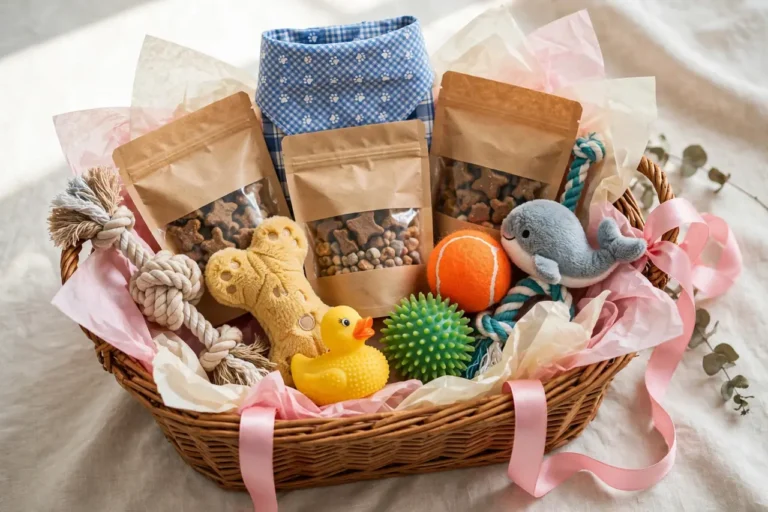
Homemade cat treats make charming gifts for the cat-obsessed humans in your life. Fill a small kraft bag or tin with the chicken and catnip hearts, add a handwritten tag (“Salmon Bites for Luna — baked with love, keep refrigerated, best within 4 days”), and tie with twine. For the full gift set, pair the treats with a small toy mouse and a card. Always include the ingredient list and the storage instructions — the recipient needs to know these are fresh, perishable treats, not shelf-stable commercial ones. A “baked on” date is more useful than a “best by” date for homemade goods.
Dehydrated Treats: The Long-Keeping Option
If you own a food dehydrator (or a patient oven), you can make the longest-keeping homemade cat treats of all. Dehydration removes moisture — the thing bacteria need — producing shelf-stable treats without preservatives.
11. Dehydrated Salmon Jerky Strips
6–8 hours (mostly hands-off). Slice fresh salmon fillet (previously frozen 48 hours to kill parasites, then thawed) into ¼-inch strips against the grain. Arrange on dehydrator trays and dry at 145°F (63°C) for 6 to 8 hours until completely dry and leathery — they should snap, not bend. Cool fully and store in an airtight jar at room temperature for up to 2 weeks. Break into pea-sized pieces for serving. One fillet makes dozens of treats at a fraction of commercial jerky prices.
12. Dehydrated Chicken Breast Chips
6–8 hours (mostly hands-off). Slice boneless, skinless chicken breast ⅛-inch thin (partially freeze first for clean slices). Dehydrate at 145°F for 6 to 8 hours until crisp. These shatter into tiny pieces — perfect training-size rewards. Store airtight at room temperature 2 weeks. No dehydrator? Use your oven at its lowest setting (170°F/75°C) with the door cracked open, 6 to 8 hours.
Food safety note: dehydrate at 145°F or above to inhibit bacterial growth, and start with previously-frozen fish. These are the only homemade cat treats in this guide safe at room temperature beyond a day — everything else stays refrigerated.
The Economics of Homemade Cat Treats
Cat treats are small, so the savings look small per batch — until you annualize them. A can of salmon ($2–$3) plus an egg ($0.25) makes 60 nibbles: about 5 cents each. Premium commercial cat treats run $6–$10 for a 2-oz bag containing roughly 60 treats: 10 to 17 cents each. A household going through a bag a month saves $60 to $120 a year baking the salmon bites alone — and the homemade version has two ingredients instead of twenty. The dehydrated jerky saves even more: commercial salmon jerky for cats runs $12+ for 3 oz; homemade costs the price of one fillet.
The hidden savings are in waste reduction. Commercial treats go stale, get rejected by picky cats, and expire. Homemade batches are small, fresh, and adjustable — if the cat rejects the tuna version, you have lost one can of tuna, not a $9 bag. Bake small, bake often, and let the cat’s preferences guide the economics.
Treat Puzzles: Making Ten Treats Feel Like Fifty
Cats value earned food over free food — researchers call it contrafreeloading, and most cats prefer working for treats over eating from a bowl. Stretch your homemade batch and enrich the birthday with puzzle presentation. Scatter nibbles through a snuffle mat so the cat “hunts” them. Drop treats into a cardboard box filled with crumpled paper for a dig-and-find game. Freeze pâté dots inside a Kong-style toy for a 20-minute project. Hide treats along a “trail” through the house leading to the birthday “cake.”
Puzzle feeding slows consumption (good for the calorie budget), provides mental stimulation (a tired brain is a happy brain), and turns ten treats into a full birthday activity. For senior cats, keep puzzles easy — a muffin tin with treats under lightweight balls, not a complex maze. For kittens, supervise: enthusiasm outpaces coordination at that age. The birthday dog’s humans might enjoy similar game ideas from our kids birthday party ideas — several translate directly to pet parties.
Baking Calendar: Spreading the Work
Twelve recipes is a lot for one session. Spread it across the week:
- Sunday: bake all four crunchy nibbles (one oven session, about 90 minutes total). Refrigerate.
- Wednesday: make the pâté, mousse cups, and lick-mat mix (30 minutes, no oven).
- Friday night: freeze the salmon bites, broth pops, and goat milk nibbles (10 minutes active, freezer does the rest).
- Saturday (party day): if dehydrating, start jerky in the morning; assemble the treat table in the afternoon.
Nothing in this calendar takes more than 90 minutes, and most days take under 30. The birthday itself stays relaxed — which is the entire point. A stressed human makes for a stressed cat, and the cat is the guest of honor.
Cat Treat Safety: The Complete Checklist
Run through this checklist before every treat-making session — it takes sixty seconds and prevents every common mistake:
- Fish check: canned fish in water, no added salt, bones removed; fresh fish previously frozen 48 hours if dehydrating raw.
- Dairy check: plain, unsweetened, xylitol-free; goat dairy preferred for sensitive cats.
- Label check: no xylitol/birch sugar, no onion or garlic powder hiding in “natural flavors.”
- Temperature check: cook everything fully; cool before serving; refrigerate within 2 hours.
- Size check: pea-sized or smaller; break larger pieces down. A tablespoon is plenty for a birthday serving.
- Quantity check: 10-percent rule — 20 to 25 calories of treats for an average cat.
- New ingredient check: introduce unfamiliar proteins in tiny amounts a day early.
- Medical check: kidney disease, diabetes, or allergies? Vet clearance first.
Tape this inside a kitchen cabinet and treat-making stays safe on autopilot. The checklist habit matters more than any single recipe — it is what makes the twelfth batch as safe as the first.
When Homemade Is Not Better: Honest Limitations
Homemade treats are wonderful, but honesty requires the caveats. They are not nutritionally complete — no homemade treat replaces balanced cat food, and a cat fed mostly on homemade treats will develop deficiencies (taurine, arachidonic acid, and vitamin levels need professional formulation). They are inconsistent — one batch’s salmon differs from the next, which matters for cats with precise medical diets. They spoil fast — the 2-to-4-day refrigerator life is real, and busy owners sometimes serve treats past their prime. And they are not automatically safer — a misread label or an undercooked batch can harm as easily as any commercial product.
The right framing: homemade treats are a supplement and a celebration, not a food system. Use them for birthdays, training jackpots, and enrichment. Rely on quality commercial food for the nutritional foundation. That division of labor — joy from the kitchen, nutrition from the bag — gives the cat the best of both worlds without asking homemade treats to do a job they were never designed for.
Watch: Homemade Cat Treats Step by Step
Watching the textures — how smooth the pâté should be, how thin to spread the baked treats — makes these recipes click. This video walks through six easy homemade cat treat recipes from start to finish:
Frequently Asked Questions
Everything cat owners ask before firing up the oven — safety, portions, picky eaters, storage, and special health needs.
Are homemade cat treats healthier than store-bought?
Usually, yes — with a caveat. Homemade treats contain no preservatives, artificial colors, or mystery “meat by-products,” and you control the ingredients completely. The caveat: they are not nutritionally complete, so they must remain treats (under 10 percent of calories), and fish-based treats spoil quickly. Store-bought treats from reputable brands are formulated to be safe and consistent. The healthiest approach is a mix: homemade for special occasions, quality commercial treats for everyday.
How many homemade treats can my cat have per day?
About 5 to 8 pea-sized nibbles, or a tablespoon of pâté — roughly 20 to 25 calories for an average 10-pound cat. On the birthday, you can go slightly higher by trimming regular meals, but keep the total modest. Overweight cats should stick to the lowest-calorie options like tuna broth pops.
Can kittens eat homemade treats?
Kittens over 6 months can have tiny amounts — break nibbles even smaller and offer just 2 to 3. Kittens under 6 months have specific nutritional needs and developing digestive systems; skip homemade treats and stick to their kitten food. Never give treats to nursing kittens.
Why won’t my cat eat the treats I made?
The most common reasons: served too cold (warm 10 seconds in the microwave), too large (break into smaller pieces), too unfamiliar (offer a pea-sized taste a day before), or wrong texture for that cat (try the pâté instead of the crunchers). Also check your fish — cats reject fish that smells off to them even when it seems fine to you. And some cats simply need privacy; leave the treat where they can investigate alone.
Is tuna safe for cats?
As an occasional treat, yes. The concern with tuna is only heavy, frequent feeding — it is low in vitamin E and contains mercury that accumulates over time. A few tablespoons a few times a month, including birthday treats, is perfectly safe. Do not feed tuna as a dietary staple.
Can I use dog treat recipes for my cat?
Not ideally. Dog treats are built on grains and peanut butter with flavor profiles cats find boring, and they lack the taurine density cats need. A nibble of a plain dog biscuit will not harm a cat, but for the birthday, bake the cat-specific recipes in this guide — they take the same amount of time and the cat will actually eat them.
How long do homemade cat treats last?
Baked fish nibbles: 3 to 4 days refrigerated. Pâté, mousse, and lick-mat mixes: 2 days refrigerated. Frozen treats: 2 months frozen. Never leave fish-based treats at room temperature more than 2 hours. Label everything with the date made.
Is catnip safe to bake into treats?
Yes, in small amounts — a teaspoon in a full batch is plenty. Note that heat diminishes catnip’s active compound, so baked-in catnip is mildly flavored; for the full effect, sprinkle fresh dried catnip on the serving plate. About half of cats respond to catnip at all — the rest are genetically immune and will simply ignore it.
Can I give my cat raw fish treats?
No. Raw fish contains thiaminase, which destroys vitamin B1, and may carry parasites. Always cook fish for homemade treats — the baking in these recipes handles it. If you are interested in raw feeding generally, it requires careful formulation with supplements; treats are not the place to start.
What if my cat has kidney disease?
Consult your veterinarian before offering any homemade treats. Cats with chronic kidney disease need restricted phosphorus, and fish is naturally high in phosphorus. Your vet may approve tiny portions of specific recipes or suggest alternatives. Never guess with CKD — a quick message to the vet beats a setback.
Cat birthday treat recipes homemade-style are a small effort with an outsized payoff: a few cans of fish, an egg, and half an hour produce treats that beat anything in a bag. Keep them tiny, keep them fresh, keep portions honest, and watch the birthday cat discover that today — mysteriously, wonderfully — the food is better than usual and the humans are paying truly delightful attention, year after year. For feline gift inspiration to complete the day, see our Christmas gifts for pet lovers guide, and for the perfect caption when the birthday photos go up, browse our birthday quotes collection.