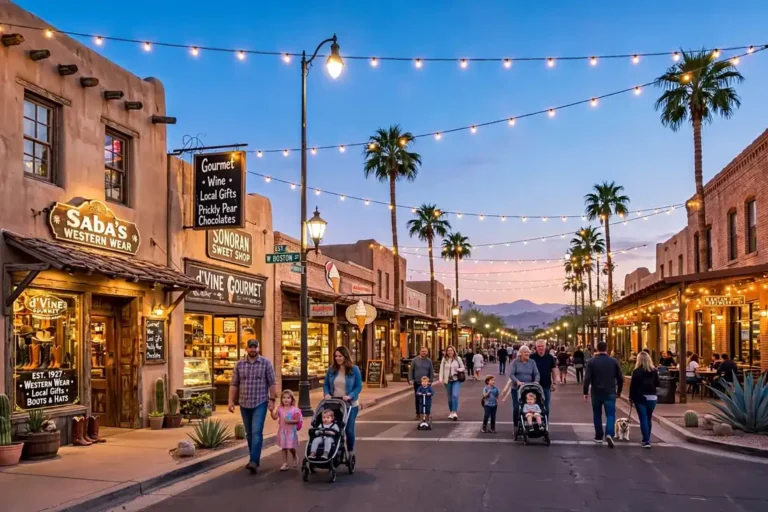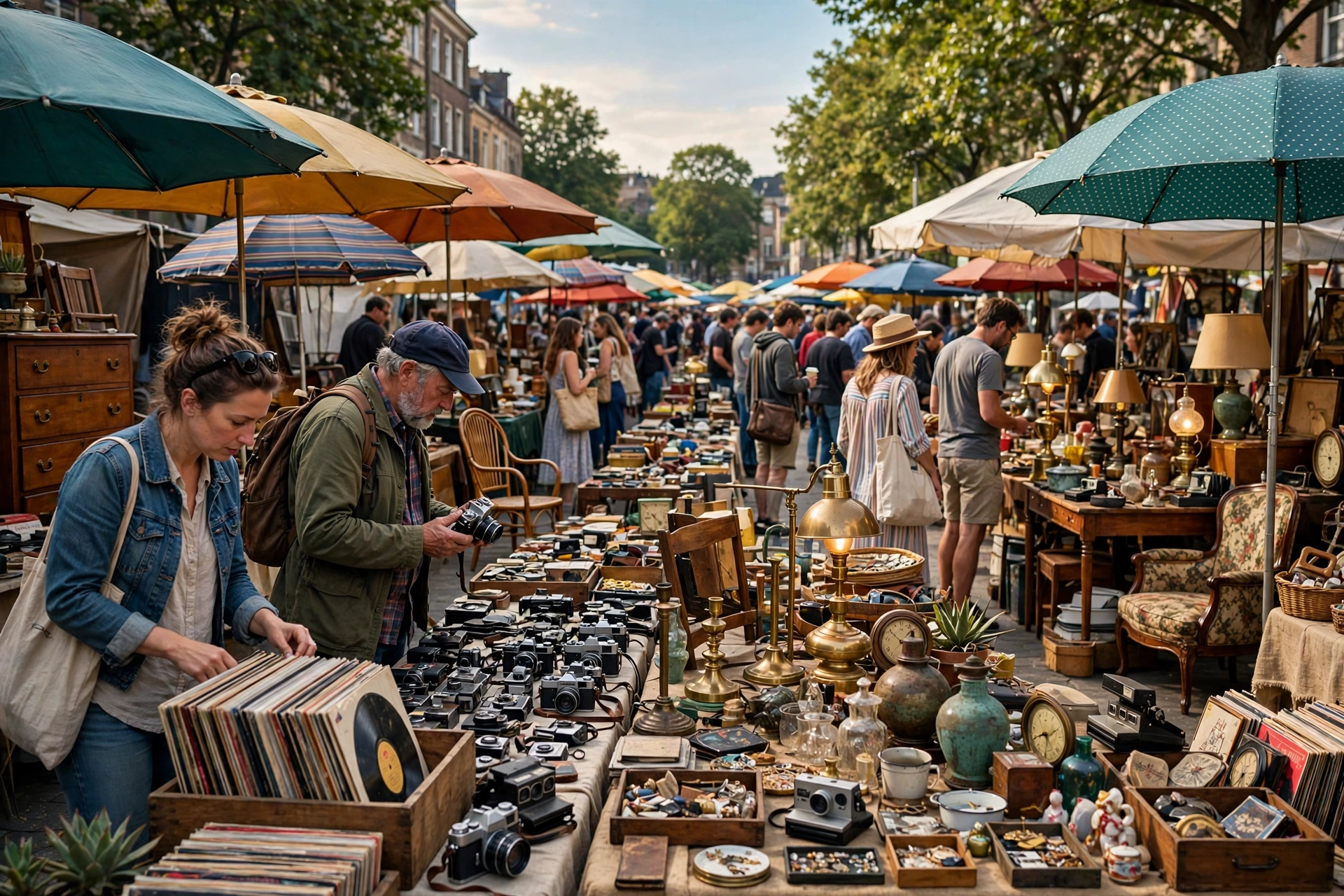
Hunting through the best flea markets in the USA is one of the great American weekend pastimes — part treasure hunt, part history lesson, part outdoor festival. Where else can you find a mid-century armchair, a box of vintage vinyl, handmade jewelry, and a breakfast burrito within a hundred yards of each other? From legendary monthly gatherings with thousands of vendors to small-town swap meets where the deals are real, this guide covers the country’s essential markets.
You’ll also learn the difference between flea markets, swap meets, and antique shows (they’re not the same thing), how to bargain without being obnoxious, what to bring, and when to go. Many of these markets pair perfectly with a morning at the farmers market — several cities host both on the same weekend.
Flea Markets vs. Swap Meets vs. Antique Shows
The terms get used interchangeably, but they describe different experiences:
- Flea markets: large, organized markets with a mix of antiques, vintage goods, collectibles, crafts, and new merchandise. Vendors rent booths; the best ones curate for quality. Usually held weekly or monthly.
- Swap meets: more informal and bargain-oriented, with a heavier emphasis on used goods, tools, electronics, and general merchandise. The vibe is closer to a giant yard sale. Common in the Southwest and West.
- Antique shows: curated events focused specifically on antiques and vintage items, often held a few times a year. Higher prices, higher quality, more serious collectors.
This list includes all three types, because the best treasure-hunting weekends often combine them.
The 12 Best Flea Markets in the USA
1. Rose Bowl Flea Market — Pasadena, California
Held on the second Sunday of every month at the Rose Bowl stadium, this is California’s most famous flea market — and one of the largest in the country, with around 2,500 vendors. The mix leans heavily toward vintage clothing, antiques, and collectibles, earning its reputation as a celebrity-shopping haunt. Admission is charged (with early-bird tiers for serious hunters), and the crowds are real — arrive at opening if you want first pick.
2. Brimfield Antique Show — Brimfield, Massachusetts
Three times a year, the tiny town of Brimfield (population ~3,800) hosts one of the largest outdoor antique events in America, with thousands of dealers spread along a mile of Route 20. Collectors plan entire vacations around it. The scale is overwhelming in the best way — you cannot see it all in one day, so prioritize. The shows typically run in spring and fall; confirm exact dates on the official site before booking travel.
3. Brooklyn Flea — Brooklyn, New York
Brooklyn Flea helped define the modern curated flea market — vintage and handmade goods, serious food vendors, and a distinctly Brooklyn crowd. Its flagship market runs seasonally (typically spring through fall), and the food lineup alone justifies the trip. It’s smaller than the Rose Bowl but more tightly curated, which many shoppers prefer.
4. Round Top Antiques Fair — Round Top, Texas
Twice a year, during Texas Antiques Week (spring and fall), the rolling countryside around tiny Round Top fills with fields of dealers — hundreds of venues across the area, from high-end European antiques to junk-tique barns. It’s a pilgrimage for interior designers and serious collectors, but casual treasure hunters are welcome too. Book lodging early; the whole region sells out.
5. Alameda Point Antiques Faire — Alameda, California
Held on the first Sunday of each month at the former Alameda Naval Air Station, this is the Bay Area’s premier antiques fair — 800+ vendors in a spectacular waterfront setting with views of San Francisco. The dealer quality is consistently high, and the monthly rhythm makes it a reliable habit rather than a once-a-year expedition.
6. Canton First Monday Trade Days — Canton, Texas
Despite the name, this market now runs Thursday through Sunday before the first Monday of each month — and it’s enormous, with thousands of vendors across hundreds of acres. The mix is eclectic: antiques and collectibles alongside new merchandise, crafts, and food. It’s less curated than Brooklyn Flea and more of an everything-under-the-sun Texas tradition.
7. Kane County Flea Market — St. Charles, Illinois
Held monthly at the Kane County Fairgrounds outside Chicago, this is one of the Midwest’s best — a long-running market with a strong antiques and collectibles focus. The indoor/outdoor setup means it runs year-round regardless of weather, and the dealer quality draws collectors from across the region.
8. Elephant’s Trunk Flea Market — New Milford, Connecticut
Every Sunday from spring through fall, this New England institution draws pickers and decorators hunting for furniture, architectural salvage, and vintage finds. The early-morning “picker” crowd is serious — dealers often sell their best pieces in the first hour. Arrive early, bring measurements of the spaces you’re furnishing.
9. Melrose Trading Post — Los Angeles, California
Every Sunday in the parking lot of Fairfax High School, this market blends vintage clothing, handmade goods, art, and antiques with a distinctly LA creative energy. It’s smaller and more curated than the Rose Bowl, with a strong showing of local designers and makers alongside vintage dealers. The food vendors and live DJ sets give it a weekend-festival feel.
10. Shipshewana Flea Market — Shipshewana, Indiana
In the heart of Indiana Amish country, Shipshewana hosts one of the largest flea markets in the Midwest, running Tuesdays and Wednesdays from spring through fall. The setting — surrounded by Amish farms, with horse-drawn buggies on the roads — is unforgettable, and the market itself offers everything from furniture to fresh produce. Pair it with the area’s Amish restaurants for a full day.
11. Traders Village — Grand Prairie, Texas
Open every weekend year-round, Traders Village (between Dallas and Fort Worth) is one of the largest weekend markets in Texas — thousands of dealers plus rides, food, and festival-style attractions. It’s part flea market, part family outing, which makes it ideal if you’re bringing kids or reluctant shoppers.
12. The 127 Corridor Sale — Kentucky, Tennessee, and Beyond
Not a single market but the “World’s Longest Yard Sale” — hundreds of miles of vendors along Highway 127, typically held over four days in early August, stretching from Alabama through Kentucky, Tennessee, Ohio, and into Michigan. It’s a road-trip event: drive the corridor, stop at farm fields and church parking lots, and haggle your way north. An unforgettable American experience.
Comparison Table: Markets at a Glance
| Market | Location | Schedule | Vibe |
|---|---|---|---|
| Rose Bowl Flea | Pasadena, CA | 2nd Sunday monthly | Vintage, celebrity-spotting, huge |
| Brimfield | Brimfield, MA | 3x per year | Serious antiques, overwhelming scale |
| Brooklyn Flea | Brooklyn, NY | Seasonal | Curated, foodie, hip |
| Round Top | Round Top, TX | Spring & fall | Designer pilgrimage, fields of dealers |
| Alameda Point | Alameda, CA | 1st Sunday monthly | High-quality antiques, waterfront |
| Canton Trade Days | Canton, TX | Monthly (Thu–Sun) | Enormous, eclectic, Texan |
| Kane County | St. Charles, IL | Monthly | Midwest antiques, year-round |
| Elephant’s Trunk | New Milford, CT | Sundays, seasonal | Pickers, furniture, early birds |
| Melrose Trading Post | Los Angeles, CA | Sundays | Creative, curated, festival feel |
| Shipshewana | Shipshewana, IN | Tue–Wed, seasonal | Amish country, huge variety |
| Traders Village | Grand Prairie, TX | Weekends, year-round | Family-friendly, festival atmosphere |
| 127 Corridor Sale | AL–MI via Hwy 127 | 4 days, early August | Road trip, yard-sale epic |
How to Bargain Like a Pro (Without Being Rude)
Haggling is expected at flea markets and swap meets — but there’s an art to it. Here’s how the experienced pickers do it:
- Be friendly first. Greet the vendor, show genuine interest in the item, and chat for a moment. Vendors give better prices to people they like.
- Ask “What’s your best price?” rather than making a lowball offer. It’s polite, and it invites the vendor to name their real floor.
- Bundle for discounts. Buying three items from one vendor gives you leverage: “Would you take $40 for all three?” Vendors love reducing inventory in bulk.
- Know the late-day advantage. In the last hour, vendors would rather sell at a discount than pack items back up. The selection is thinner, but the prices are softest.
- Carry cash in small bills. Cash talks. Having exact change for your offer makes it easy for the vendor to say yes.
- Don’t insult the merchandise. Pointing out flaws to drive down the price is fine; trash-talking someone’s goods is a fast way to get the full sticker price.
- Be willing to walk away. The most powerful negotiating tool is genuine indifference. If the price isn’t right, thank them and move on — sometimes they’ll call you back.
What to Bring to a Flea Market
- Cash in small bills — many vendors are cash-only or prefer it; small bills make exact offers easy.
- Measurements — tape measure plus the dimensions of any furniture spaces, doorways, and car trunk you’re trying to fill.
- A tote or rolling cart — your arms will give out before your enthusiasm does.
- Sun protection — hat, sunscreen, water. Most markets are outdoors with minimal shade.
- Your phone — for quick price checks on collectibles and antiques (eBay’s “sold listings” filter is the picker’s secret weapon).
- Snacks or a breakfast plan — the food vendors at top markets are excellent; arrive hungry and budget for lunch. Many markets now host great food trucks alongside the booths.
Best Times to Go
- Opening hour: best selection, highest prices, most serious competition. For rare finds, this is the only time that matters.
- Midday: biggest crowds, fullest food vendors, most festive atmosphere. Best for casual browsing and family outings — many of these markets are great free family outings even if you buy nothing.
- Last hour: thinnest selection, softest prices. Best for bargains on larger items vendors don’t want to reload.
- First day of multi-day events: best selection at shows like Brimfield and Round Top. Later days bring markdowns but picked-over inventory.
- Shoulder seasons: spring and fall markets often have better weather and smaller crowds than peak summer.
Spotting Fakes and Overpriced Goods
Not everything at a flea market is a treasure. A few reality checks:
- “Antique” claims: true antiques are 100+ years old. Most of what’s labeled antique is vintage (20–99 years) or simply old-looking. That doesn’t make it bad — just price it accordingly.
- Reproductions: popular items (Coca-Cola signs, “vintage” posters, farmhouse decor) are heavily reproduced. If the price seems too good for the real thing, it probably is.
- Check sold listings: before paying a premium for a “rare” collectible, check what identical items actually sold for on eBay — not what sellers are asking.
- New merchandise mixed in: many flea markets allow new goods. There’s nothing wrong with them, but don’t pay vintage prices for new items.
Frequently Asked Questions
Can you negotiate prices at flea markets?
Yes — bargaining is expected and welcomed at most flea markets and swap meets. Polite negotiation (asking for the best price, bundling items) is normal. Fixed-price vendors exist too; they’ll usually say so with signage.
What’s the best day to go to a flea market?
For the best selection, go at opening on the first day. For the best prices, go in the last hour. For the best overall experience (food, crowds, energy), midday on the main day is ideal.
Are flea markets cash-only?
Not anymore, but cash is still king. Many vendors now accept cards or payment apps, yet cash gives you negotiating leverage and speeds up transactions. Bring small bills.
What’s the difference between a flea market and a swap meet?
Flea markets tend to be larger and more organized, with a mix of antiques, vintage, and crafts. Swap meets are typically more informal and bargain-focused, with more used goods and general merchandise. In practice, the terms overlap heavily.
How early should I arrive at a big flea market like the Rose Bowl?
Serious hunters arrive before the gates open — many large markets sell early-bird admission for first access. If you’re casually browsing, arriving within the first two hours still gives you excellent selection without the dawn-patrol commitment.
Can I bring kids to a flea market?
Absolutely. Large markets like Traders Village are practically family festivals, with rides and food. Even antiques-focused markets are stroller-friendly in the morning hours. Bring snacks and sun protection.
The Bottom Line
The best flea markets in the USA reward curiosity, patience, and comfortable shoes. Whether you’re hunting mid-century furniture at the Rose Bowl, walking miles of dealers at Brimfield, or road-tripping the 127 Corridor, the formula is the same: arrive early, bring cash, check sold listings before you splurge, and don’t be afraid to haggle politely. The treasure is out there — happy hunting.
Planning Your Year: The Flea Market Calendar
Serious treasure hunters plan around the market calendar. Here’s how the year typically breaks down:
- January–February: quiet months for outdoor markets; indoor antique shows and monthly markets (Kane County, Traders Village) keep the habit alive.
- March–April: season openers. Spring Round Top (Texas Antiques Week) and the first Brimfield show draw national crowds.
- May–June: peak spring season. Markets are fully stocked, weather is ideal, and new vendors debut.
- July–August: the 127 Corridor Sale (early August) is the summer’s signature road-trip event. Regular monthly markets run at full strength.
- September–October: fall shows — Brimfield’s September event, fall Round Top — with harvest-season energy and excellent weather.
- November–December: holiday markets take over; many flea markets run special holiday editions with gift-oriented vendors.
Selling at Flea Markets: A Beginner’s Guide
Flipping the script — becoming a vendor — is easier than most shoppers realize, and it’s a legitimate side hustle:
- Start small: rent a single space at a local monthly market before committing to the big shows. Booth fees at community markets can be as low as $25–$50.
- Curate, don’t dump: the vendors who thrive sell edited collections (vintage kitchenware, mid-century smalls, vinyl) — not garage-sale randomness.
- Price clearly: tagged prices sell more than “make me an offer” — many buyers won’t ask.
- Display matters: tablecloths, vertical displays, and good lighting (for indoor markets) dramatically increase sales.
- Bring the infrastructure: tent, tables, chairs, bags for customers, a cash box with small bills, and a card reader.
- Know the rules: most markets prohibit counterfeits and require vendors to collect sales tax. Read the vendor agreement carefully.
Many successful vintage businesses started as a single flea market booth. If you love the hunt, consider selling the finds you don’t keep — it funds the hobby beautifully.
Flea Markets and Sustainability
There’s an underappreciated environmental case for flea markets: every vintage chair, used book, and secondhand jacket purchased is one fewer new item manufactured and one fewer item in a landfill. The most sustainable product is the one that already exists. Shopping flea markets, estate sales, and swap meets is thrifting at its most enjoyable — and the antiques you buy have already proven they last. In an era of fast furniture and disposable decor, the flea market is quietly one of the greenest ways to shop.
Estate Sales, Auctions, and Other Treasure-Hunting Cousins
Flea market lovers should know the adjacent worlds — each with its own culture and best practices:
- Estate sales: held in homes, usually over 2–3 days, with everything priced to sell. Day one has the best selection; the final day often brings 50%-off-everything deals. Arrive early on day one for valuables; arrive late on the last day for furniture bargains.
- Auctions: local auction houses run weekly or monthly estate and consignment auctions — now often with online bidding. Set a strict maximum before you bid; auction fever is real.
- Architectural salvage yards: permanent stores selling reclaimed doors, windows, fixtures, and lumber. A goldmine for renovators and DIYers.
- Library book sales: Friends of the Library sales offer books at $1–$2 — the cheapest quality reading material on earth, plus vintage finds in the collectibles section.
- Garage and yard sales: the hyper-local version. Neighborhood-wide sale days (often organized in spring) concentrate dozens of sales within walking distance.
The skills transfer: early arrival, cash in hand, polite bargaining, and knowing values work everywhere treasure is hunted.