

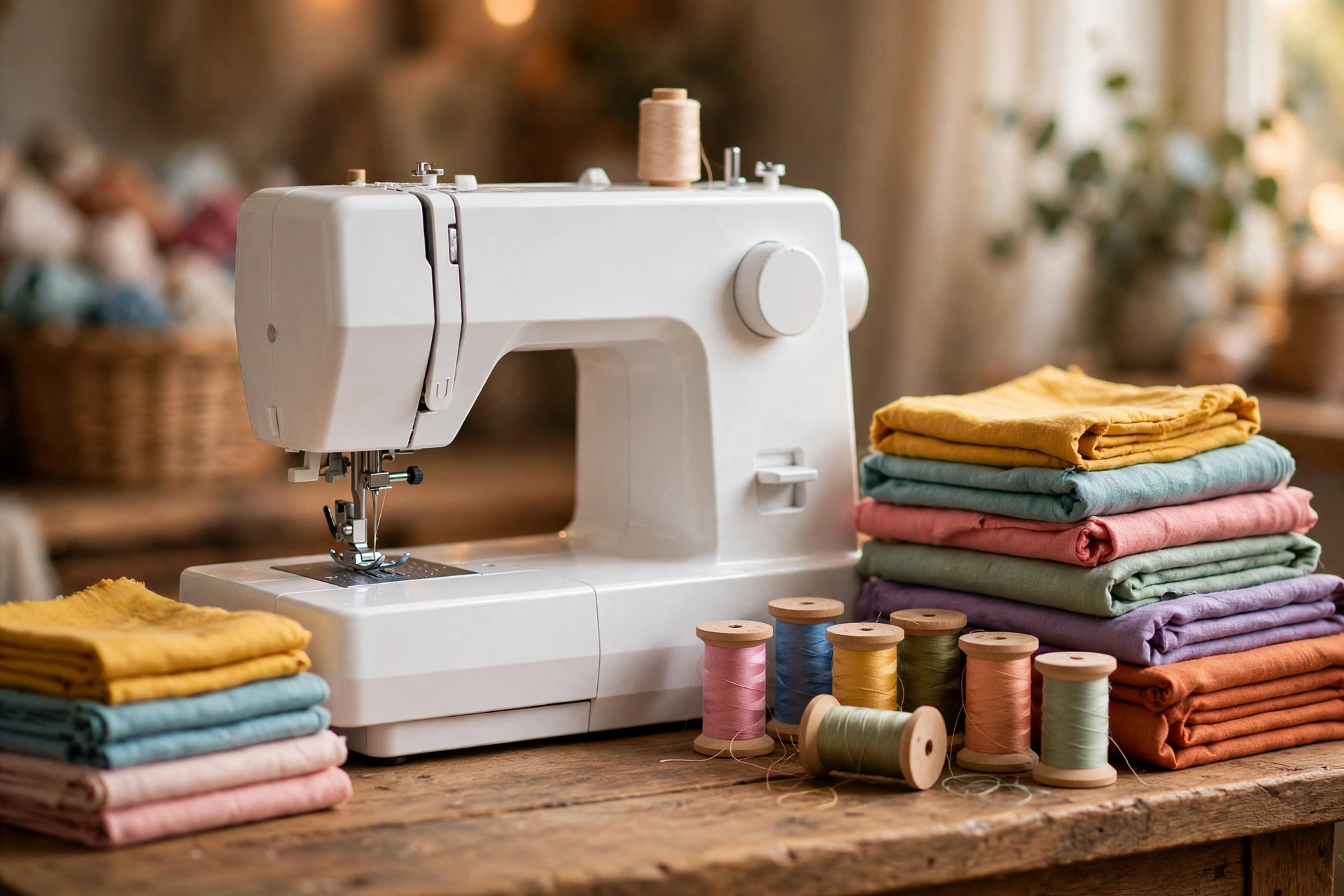
The best black friday sewing machine deals 2026 are shaping up to be the strongest buying opportunity of the year for sewists at every skill level. Whether you are a beginner buying your first machine, a quilter ready to upgrade to a model with a wider throat and faster stitch speed, or a crafter shopping for a thoughtful holiday gift, the days around Black Friday on November 27 deliver the deepest discounts on machines, sergers, and embroidery combos that you will see all year. Because sewing machines are durable goods that retailers discount aggressively to clear floor models and last year’s lineups, savvy shoppers who plan ahead can land premium features at beginner-machine budgets.
This guide walks you through everything you need to know before you shop: the types of machines worth watching, the features that actually matter (and the ones that are marketing noise), who should buy which machine, the timing strategy that separates real deals from inflated markdowns, and how to evaluate a sewing machine as a gift. You will not find fabricated prices or invented discount percentages here — only honest buying guidance grounded in how sewing machine retail really works. For the broader holiday sale picture, start with our best Black Friday deals hub and the Black Friday 2026 overview before narrowing in on the specific machine that fits your craft.
Why Black Friday 2026 Is the Best Time to Buy a Sewing Machine
Sewing machines follow a predictable retail rhythm. Manufacturers typically release new models in late summer and early fall, which means by November, retailers are motivated to move the previous generation off shelves. Black Friday, falling on November 27 in 2026, sits at the exact intersection of clearance pressure and peak holiday shopping traffic, so stores bundle machines with accessory kits, extended warranties, and bonus presser feet to win the sale. This is the one window where a mid-tier computerized machine can drop into the price territory usually reserved for entry-level models.
There is also a practical reason the timing works in your favor: winter is peak sewing season. After Black Friday, demand for machines rises as holiday gift projects, winter garment sewing, and New Year craft resolutions take hold. Retailers know this, which is why the deepest discounts appear in November rather than December or January, when shelves are thinner and prices firm back up. Shopping during the Amazon Black Friday event or the Walmart Black Friday sale puts you in position to buy before the seasonal surge, not after it.
Another factor is bundle value. Standalone machine discounts are only part of the story — Black Friday sewing machine packages routinely include walking feet, quilting extension tables, extra bobbin packs, seam rippers, and sometimes software or online class subscriptions. Evaluated as a total package, these bundles can represent far better value than the machine discount alone. Keep a running list of what you would buy separately anyway, and treat bundle contents as part of the math when you compare offers across retailers.
Types of Sewing Machines to Watch This Black Friday
Not all sewing machines serve the same purpose, and the deal landscape differs by category. Understanding the major types helps you spot which discounts are worth your attention and which are distractions.
Mechanical Sewing Machines
Mechanical machines use dials and levers to control stitch selection, tension, and stitch length. They are the workhorses of the sewing world: simple, durable, and often the most affordable category on Black Friday. These machines typically offer straight, zigzag, and a small set of utility stitches — everything a beginner needs for garments, repairs, and basic home decor. The trade-off is speed of setup; changing stitch types means physically turning a dial, and buttonholes are usually four-step manual processes rather than automatic.
Mechanical machines suit beginners, students, and anyone who sews occasionally and values reliability over features. On Black Friday, these are the machines most likely to see the steepest percentage discounts, because retailers use them as doorbusters to pull craft shoppers into the store or onto the site. If your budget is modest and your ambitions are practical — hemming, mending, simple garments, tote bags — a well-chosen mechanical machine bought on sale can serve you faithfully for a decade or more. Pay attention to the metal versus plastic internal frame question: all-metal mechanical machines handle denim and canvas better than their lightweight counterparts, and Black Friday is one of the few times premium mechanical models fall into reach.
Computerized Sewing Machines
Computerized machines replace dials with an electronic control panel or touchscreen, offering dozens or hundreds of built-in stitches, one-step automatic buttonholes, needle up/down memory, and programmable stitch sequences. They are the sweet spot for most sewists: approachable enough for a motivated beginner, capable enough for an intermediate sewer who wants to grow. Black Friday is the single best time to buy in this category because the discount gap between entry-level and mid-range computerized machines narrows dramatically.
When comparing computerized machines on sale, look past the headline stitch count. A machine advertising two hundred stitches may include dozens of decorative variants you will never use, while the twenty utility stitches handle ninety percent of real projects. What matters more is stitch quality, feed-dog performance, the ease of the automatic needle threader, and whether the machine sews smoothly through thick seams. Read the presser feet included in the box — a machine that ships with a walking foot, zipper foot, and blind-hem foot saves you separate accessory purchases that add up fast. Computerized machines are also where Black Friday bundles shine, since manufacturers pair them with quilting tables and foot sets to sweeten the package.
Embroidery and Combination Machines
Embroidery machines stitch decorative designs, monograms, and appliqué from digital files, and combination machines pair a full sewing machine with embroidery capability in one body. This is the premium category, and Black Friday discounts here can be substantial in absolute terms because the starting prices are high. Combination machines appeal to crafters who want one machine that does everything: garments one day, embroidered gifts the next.
The key buying consideration is hoop size. Entry-level embroidery machines typically include a four-by-four-inch hoop, which limits design size; step-up models offer five-by-seven or larger, which dramatically expands what you can create. On Black Friday, the price difference between hoop sizes can compress, making it worth stretching to the larger hoop if embroidery is a serious interest rather than a passing curiosity. Also evaluate the design library and connectivity: machines that accept USB uploads and connect to design software ecosystems give you more creative runway than closed systems. Factor in stabilizer, thread, and hoop costs — embroidery has ongoing consumable expenses, and the machine discount is only the entry fee.
Sergers and Overlock Machines
Sergers trim seam allowances and wrap thread around raw edges in one pass, producing the professional finished seams you see inside store-bought garments. They are the classic second machine: a complement to, not a replacement for, a regular sewing machine. Black Friday frequently brings serger bundles with extra thread cones, tweezers, and instructional DVDs or class access, because retailers know sergers intimidate beginners and packaging reduces that barrier.
A serger earns its place if you sew knit fabrics, make a lot of garments, or finish quilts and home decor professionally. The learning curve is real — threading a serger is famously fiddly — so look for models with color-coded threading paths, and treat a self-threading or air-threading feature as genuinely valuable rather than a luxury. If you have been renting time on a friend’s serger or making do with zigzag edge finishes, Black Friday is the pragmatic moment to bring one home.
Heavy-Duty Machines
Heavy-duty machines are built with stronger motors and metal frames to power through denim, canvas, leather, and multiple fabric layers. They appeal to upholstery sewists, bag makers, cosplayers, and anyone who regularly pushes a standard machine to its limits. Black Friday discounts in this niche are meaningful because heavy-duty machines rarely go on sale at other times of year — the category has steadier demand and less model turnover, so November is the exception.
When evaluating heavy-duty deals, focus on motor power, presser-foot lift height (taller lift accommodates thick layers), and the quality of the included heavy-duty needles and feet. A machine marketed as heavy-duty that ships with a standard needle assortment and plastic gears is selling a label; genuine heavy-duty construction shows up in the frame, the feed system, and the warranty terms. If your projects include leather or outdoor gear, confirm the machine’s stated capability for those materials rather than assuming.
Key Features to Compare Before You Buy
Marketing copy loves big numbers. The features below are the ones that actually affect your daily sewing experience.
Stitch Selection and Quality
Count the stitches you will use, not the stitches on the box. Straight, zigzag, stretch stitches, a blind hem, an overcast stitch, and a reliable one-step buttonhole cover the vast majority of projects. Stitch quality matters more than quantity: even, balanced stitches at varying speeds and across fabric weights indicate a well-engineered machine. If possible, test-sew before buying, or watch detailed video reviews that show stitch-outs on denim, knits, and chiffon rather than just listing the stitch menu.
Speed and Motor Power
Stitches per minute is the headline spec, but usable speed depends on the motor’s torque and the machine’s stability at high speed. Beginners rarely need maximum speed; control matters more. Experienced sewists value a machine that maintains even stitches when slowed down for curves and topstitching. Heavy-duty and quilting-oriented machines justify their stronger motors with smoother performance on thick assemblies, not just raw speed numbers.
Throat Space and Work Area
Throat space — the distance between the needle and the machine body — determines how comfortably you can maneuver quilts, large garments, and home decor projects. Standard machines offer around six inches; quilting-oriented models provide eight to eleven. If quilting is in your future, throat space is one of the hardest features to upgrade later, so buying a machine with generous space during a Black Friday sale is a long-term investment in comfort. Extension tables included in holiday bundles partially compensate on smaller machines.
Automatic Needle Threader and Bobbin System
An automatic needle threader sounds minor until you thread a needle fifty times in a project. Top-drop bobbins with clear covers let you monitor thread supply without removing the bobbin case. These convenience features are where mid-range machines distinguish themselves from entry models, and Black Friday pricing often erases the gap. If you have vision challenges or simply value your time, weight these features heavily.
Included Presser Feet and Accessories
A machine’s true price includes the accessories you must buy to use it well. Compare the included feet: all-purpose, zipper, buttonhole, blind hem, and walking feet cover the essentials. Machines that ship with a hard cover or soft case, an extension table, and a generous bobbin and needle starter set deliver better real value than a slightly cheaper machine that needs immediate accessory purchases. Black Friday bundles amplify this advantage — count the bundle contents before you compare prices.
Warranty and Service Network
Sewing machines are mechanical devices that eventually need service. A longer warranty, especially one covering electronic components on computerized models, is worth real money. Equally important is the service network: machines sold through authorized dealers typically include setup help, lessons, and local repair, while big-box purchases may leave you shipping the machine for service. Factor a local dealer’s lesson package into the value equation — an hour of instruction can save weeks of frustration.
Who Should Buy What: Matching the Machine to the Sewist
Absolute beginners should prioritize simplicity, a good manual, and included lessons over stitch count. A mechanical or basic computerized machine with clear threading diagrams and a responsive help line beats a feature-packed model that overwhelms. Black Friday beginner bundles with class subscriptions are genuinely useful here.
Intermediate sewists upgrading from a first machine should buy for the projects they want to attempt, not the ones they already do. That means more throat space, better buttonholes, and a walking foot for quilting or garment sewing. This is the buyer profile that benefits most from Black Friday, because the price compression between tiers is largest in the mid-range.
Quilters need throat space, precise quarter-inch feet, and smooth feed for free-motion work. Watch for quilting-specific bundles that include extension tables and walking feet.
Garment sewists should weigh sergers alongside machines — a Black Friday serger deal paired with a solid basic machine often outperforms a single expensive machine for clothing construction.
Embroidery enthusiasts should buy hoop size and design ecosystem, not stitch count. The combination machine versus dedicated embroiderer decision hinges on space and budget; combination machines save space, dedicated embroiderers save setup time.
Gift buyers should favor beginner-friendly computerized machines with automatic features and included lessons, and should buy from retailers with generous holiday return windows — more on that below.
Black Friday Sewing Machine Strategy: Timing and Where to Shop
The sewing machine sale season starts earlier than Black Friday itself. Retailers typically launch early-bird craft and sewing deals in the first two weeks of November, and the strongest machine discounts often appear then rather than on the Friday itself, because retailers want to capture gift buyers before the weekend rush. Track prices from early November so you recognize a genuine deal when it appears. Our Black Friday deals hub tracks the sale calendar across major retailers, and the Target Black Friday and Best Buy Black Friday guides cover electronics-adjacent categories that sometimes include sewing machines.
Do not overlook Cyber Monday, which falls on November 30 in 2026. Online sewing retailers and marketplaces often extend or refresh machine deals for Cyber Monday, and it can be the better day for computerized and embroidery models sold primarily online. Local sewing machine dealers deserve a place in your plan too: many run their own November promotions with lessons and service included, and a dealer demo lets you test-sew before committing. The best overall strategy is a short list of two or three target models, price tracking from early November, and a decision rule — buy when your target hits your price, whether that happens on November 12 or November 27.
How to Spot Real Discounts vs. Inflated Markdowns
Sewing machine pricing has a well-known quirk: manufacturer suggested retail prices are often set high, and street prices run well below them year-round. A deal advertised as a deep discount off MSRP may simply match the everyday price at a competing retailer. The defense is straightforward: compare the sale price against the machine’s typical selling price over the prior ninety days, not against the listed original price. Price-history tools and a quick check across two or three retailers reveal whether the discount is real.
Watch for model-number games. Manufacturers sometimes produce Black Friday-specific variants with slightly different model numbers and trimmed accessory sets. These are not scams, but they make price comparison harder and the accessory trim can erase the apparent savings. Compare the included feet, bobbins, and cover against the standard model before celebrating a low price. Also beware of refurbished machines advertised without clear labeling — refurbished can be excellent value with a proper warranty, but the listing should say so plainly.
Finally, evaluate the total cost of ownership. A machine that needs an immediate walking-foot purchase, a separate extension table, and a class subscription to use well may cost more all-in than a slightly pricier bundle that includes everything. Black Friday rewards the shopper who does the full math, not the one who chases the lowest headline price.
Sewing Machines as Holiday Gifts
A sewing machine is one of the most memorable gifts you can give a crafter — it is a tool that produces years of projects, and recipients remember who believed in their creativity. If you are buying for someone else, resist the urge to buy the cheapest machine; a frustrating machine can kill a new hobby before it starts. A beginner-friendly computerized model with an automatic needle threader, one-step buttonhole, and included lessons is the gift sweet spot: capable enough to grow with, simple enough to enjoy on day one.
Practical gift considerations matter. Check the retailer’s holiday return and exchange window — most extend returns into January, which protects you if the recipient already owns a machine or prefers a different model. Consider pairing the machine with a starter kit: quality thread, sharp fabric scissors, a seam ripper, and a simple first project kit turn the gift into an experience rather than a box. And if the recipient is a child or teen, look for machines with speed control and a finger guard, and plan to supervise the first sessions. A thoughtful machine gift, bought at Black Friday pricing, delivers value far beyond its price tag.
Caring for Your New Machine
Protect your Black Friday investment with basic maintenance. Clean lint from the bobbin area after every few projects, oil only where the manual specifies (many modern machines are self-lubricating in key areas), and use quality thread — cheap thread sheds lint and breaks more often. Change needles regularly; a dull needle causes skipped stitches and fabric damage that no machine feature can fix. Store the machine covered and out of damp spaces, and schedule professional servicing every year or two if you sew heavily. A well-maintained machine bought on sale will outlast a neglected premium model, and these habits cost almost nothing.
FAQs
When do the best Black Friday sewing machine deals 2026 go live?
Black Friday 2026 falls on November 27, but sewing machine deals typically begin in early November as retailers launch pre-Black Friday craft sales. The deepest discounts on popular computerized and mechanical models often appear in the two weeks before Black Friday, with online retailers refreshing offers on Cyber Monday, November 30. Start tracking your target models in early November so you can recognize a genuine price drop.
Should a beginner buy a mechanical or computerized sewing machine on Black Friday?
Either can work, but a basic computerized machine is usually the better Black Friday buy for a beginner. The automatic needle threader, one-step buttonhole, and stitch-selection display reduce early frustration, and holiday pricing often brings computerized models down near mechanical-machine prices. Choose mechanical only if you strongly prefer simplicity and plan to sew straightforward projects.
Are Black Friday sewing machine bundles worth it?
Often yes, provided the bundle contents are things you would buy anyway. Walking feet, extension tables, extra bobbins, and class subscriptions have real standalone value. Compare the bundle price against buying the machine plus those accessories separately at regular prices; if the bundle wins by a clear margin, it is a genuine deal. Be cautious of bundles padded with low-quality thread or flimsy accessories you will replace immediately.
How do I know if a sewing machine discount is real?
Ignore the advertised percentage off the manufacturer’s suggested price and compare the sale price to the machine’s typical street price over the previous few months. Check the same model across at least two retailers, verify the included accessories match the standard configuration, and confirm the model number is not a stripped-down holiday variant. A real deal beats the everyday price by a meaningful margin on an identical configuration.
Is it better to buy from a local dealer or a big retailer on Black Friday?
Big retailers usually win on headline price, while local dealers win on setup, lessons, and service. Many dealers run November promotions that narrow the price gap while including an hour or more of instruction and local repair access. If you are a beginner, the dealer’s lesson package can be worth more than the price difference. Experienced sewists who self-service can confidently chase the lowest big-retailer price.
What should I budget for accessories after buying the machine?
It depends on what is in the box. A well-bundled Black Friday machine may need nothing beyond fabric and thread. A bare machine typically needs extra bobbins, a variety pack of needles, quality thread, and possibly a walking foot or specialty feet — costs that add up quickly. Before comparing two deals, list the accessories each includes and price the gaps; the “cheaper” machine is not always cheaper.
Conclusion
The best Black Friday sewing machine deals 2026 reward the prepared shopper. Know your machine type, prioritize the features that affect real sewing — stitch quality, throat space, feed performance, included accessories, warranty — and track prices from early November so you can spot genuine discounts when they land around November 27. Buy the machine for the sewist you want to become, not just the projects you have today, and do the full bundle math before you commit. Whether you are upgrading your own craft room or giving someone the gift of a new creative pursuit, a well-chosen machine at Black Friday pricing is an investment that pays dividends in every project for years to come. For more holiday shopping strategy, explore our Black Friday 2026 guide and the best Black Friday deals hub.
In Pictures: Sewing Machines
Black Friday is the best time of year to upgrade a sewing machine, when retailers and dealers discount everything from beginner machines to long-arm quilters.
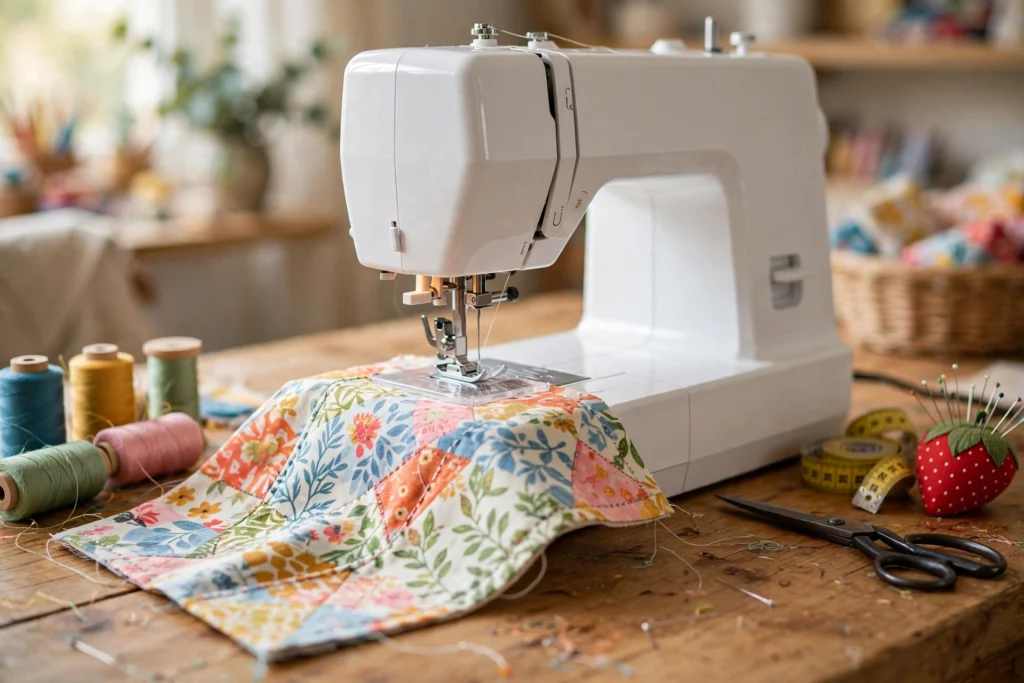
A modern sewing machine sits ready on a bright craft table, fabric and thread spools arranged nearby. A scene like this is what Black Friday shoppers are hunting for: a capable machine at its lowest price of the year.
Watch: 8 Tips For Buying A New Sewing Machine! What to know and look for
coolirpa explains what to consider when buying a sewing machine. Compare the features with your sewing needs and check current retailer prices.
Video by coolirpa. Watch on YouTube.
At a Glance: Sewing Machines
Typical price ranges for the sewing machines most often discounted on Black Friday, based on 2025 deal coverage.
| Machine | Type | Typical price range | Best for |
|---|---|---|---|
| Brother CS6000i | Computerized | $150–$200 | Beginners and casual sewists |
| Singer Quantum Stylist 9960 | Computerized | $350–$450 | Versatile projects, 600 built-in stitches |
| Janome HD3000 | Heavy-duty mechanical | $400–$500 | Denim, canvas and upholstery |
| Juki TL-2010Q | Straight-stitch semi-industrial | $800–$1,000 | Quilters who value speed |
| Bernina 770 QE | High-end computerized | $3,000–$4,000 | Professionals and serious hobbyists |


