Valentine’s Day in Canada looks familiar at first glance — cards, roses, dinners, the whole February 14 playbook. But spend the day north of the 49th parallel and the differences emerge quickly: it’s the dead of winter, the celebrations lean French in Quebec and prairie-practical in the West, and the country’s vastness means Valentine’s in Vancouver has almost nothing in common with Valentine’s in St. John’s. This guide goes beyond the American model to explore how Canada really celebrates — from Quebec’s Winter Carnival overlap to ice hotels, maple taffy, and winter date ideas that only make sense at -20°C.
Winter Is the Whole Point
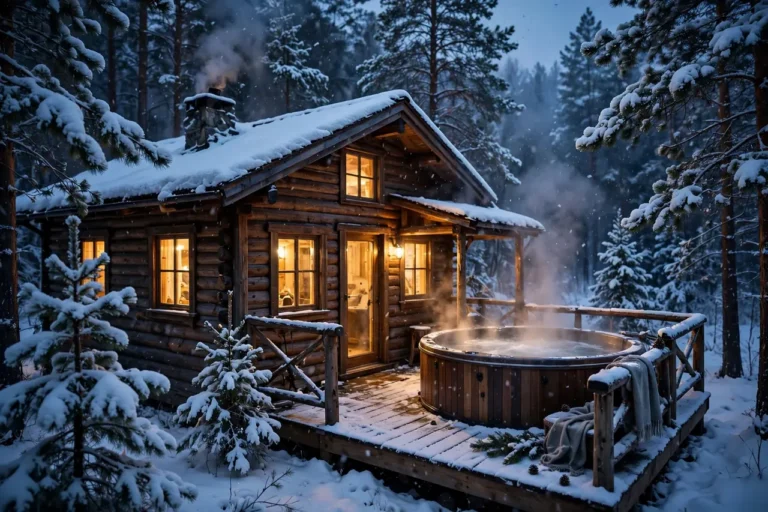
The defining fact of Valentine’s Day in Canada is the season. February is deep winter across most of the country: average February highs hover around -5°C in Toronto, -10°C in Montreal, and -15°C or colder on the Prairies. Only coastal British Columbia escapes the deep freeze, with Vancouver averaging a damp 7°C. This doesn’t dampen romance — it reshapes it around fireplaces, hot chocolate, skating rinks, and the particular coziness Canadians call hygge’s North American cousin.
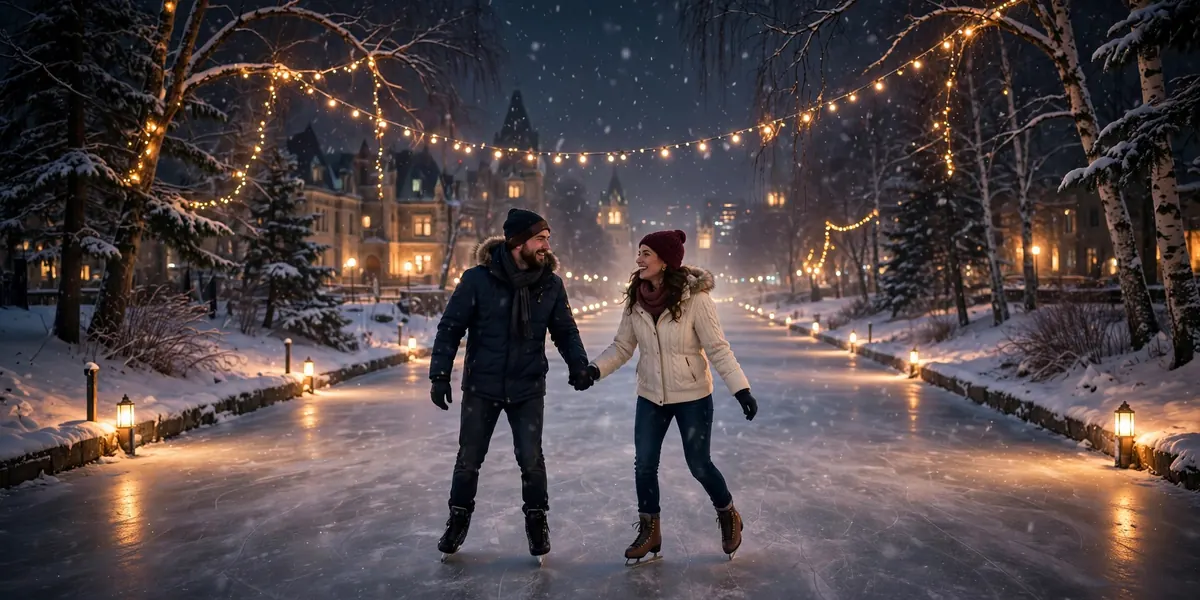
The winter setting creates date ideas that simply don’t exist elsewhere: skating on the Rideau Canal in Ottawa (the world’s largest skating rink when conditions allow — check locally, as warm winters have shortened seasons), dogsledding in Quebec, ice wine tastings in Niagara, and overnight stays in Quebec City’s famous Hôtel de Glace (Ice Hotel). Cold becomes a feature, not a bug: there’s a reason “cuddle weather” is practically a national slogan in February.
Quebec: Valentine’s with French Flair
Quebec does Valentine’s Day — la Saint-Valentin — differently from the rest of Canada, and the French influence shows everywhere. Cards and gifts carry French inscriptions, restaurants lean into French technique, and the romantic vocabulary of the day is simply richer. Quebecers are also more publicly affectionate than their Anglo-Canadian counterparts; the Latin influence is real.
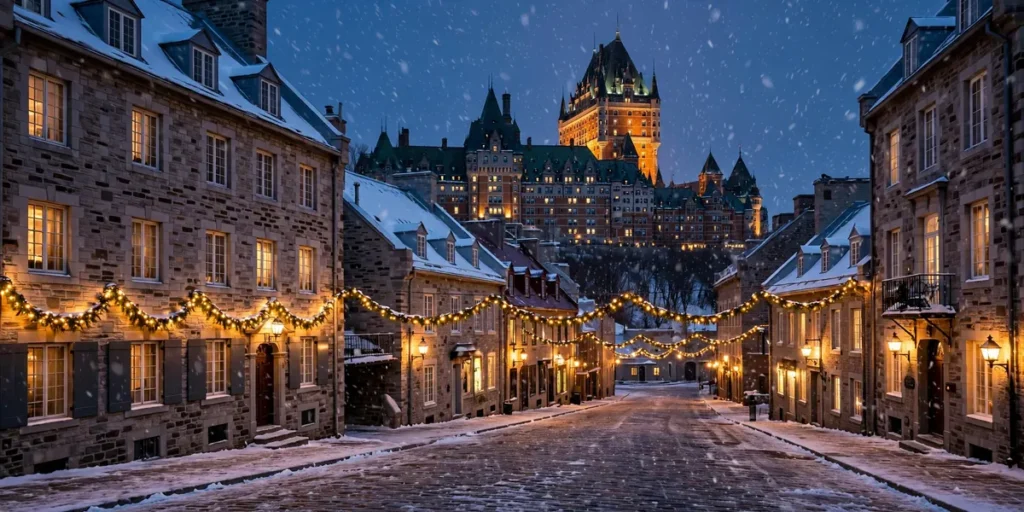
The timing is spectacular: Quebec City’s Winter Carnival (Carnaval de Québec), one of the world’s great winter festivals, typically runs in early February and often overlaps with Valentine’s season — check official dates each year, as they shift. Couples combine the two: daytime at the carnival (ice sculptures, the Ice Palace, Bonhomme the snowman mascot), evening at a romantic dinner in Old Quebec’s stone-walled restaurants. It’s arguably the best Valentine’s-week pairing in North America.
Quebec’s Ice Hotel (Hôtel de Glace), rebuilt each winter just outside Quebec City, offers overnight packages that are peak romantic novelty: sleeping in a thermal sleeping bag on an ice bed, sipping cocktails from ice glasses in the ice bar. Book well ahead — Valentine’s weekend is among its most requested dates.
A Brief History of Valentine’s Day in Canada
Valentine’s Day arrived in Canada with British and French settlers, and for much of the 19th century the two solitudes celebrated it in parallel: English Canada with posted valentines in the British style, French Canada with la Saint-Valentin cards and dances. The country’s first Valentine’s industry grew up around Toronto and Montreal printers, who produced cards for the domestic market by the late 1800s.
The 20th century standardized the day across the country through schools, department stores, and eventually television advertising. But regional character persisted — and in some ways deepened. Quebec’s Quiet Revolution of the 1960s gave la Saint-Valentin a modern, secular, joyfully French identity. The rise of the Winter Carnival (first held in its modern form in the 1950s) gave February a festival anchor that no other part of the country could match. And Canada’s adventure-tourism boom turned winter itself into a romantic asset: the Ice Hotel, aurora lodges, and Nordic spas all market Valentine’s packages today.
One charmingly Canadian footnote: the BeaverTail pastry, now synonymous with winter romance on the Rideau Canal, was popularized in Ottawa in the late 1970s — meaning the “BeaverTails on the canal” date is younger than the Walkman, yet feels timeless.
Regional Traditions: Coast to Coast
Ontario: Classic and Cosmopolitan
Toronto does Valentine’s at scale: the city’s restaurant scene — from Yorkville fine dining to Queen West’s eclectic spots — treats February 14 as a marquee night. The Distillery District, with its Victorian industrial architecture and twinkling lights, is a favourite romantic stroll. Niagara-on-the-Lake offers the wine-country alternative: ice wine tastings (ice wine is a Canadian invention and a point of national pride) and cosy inn stays.
Ottawa brings the winter spectacle: skating on the Rideau Canal under the lights, then warming up in the ByWard Market’s restaurants. It’s one of the most romantic free dates in the country when the ice is good.
The West: Mountains and Mild Coasts
Vancouver’s Valentine’s is the mild outlier: rainy but green, with the city’s seawall walks, Granville Island’s artisan shops, and Grouse Mountain’s snowy peak visible above the city. Whistler, two hours north, is the splurge: ski-in/ski-out romance, the Scandinave Spa’s outdoor hot baths in the snow, and village fine dining.
Alberta brings mountain drama: Banff and Lake Louise in February are postcard-perfect — frozen lake, snow-dusted peaks, and the famous Fairmont hotels’ Valentine’s packages. Ice skating on Lake Louise (when conditions permit) with the Victoria Glacier behind you is a once-in-a-lifetime date. Calgary and Edmonton celebrate with winter festivals and the practical warmth of the season.
The Maritimes and the North: Intimate and Hardy
Atlantic Canada keeps Valentine’s intimate: Halifax’s waterfront restaurants, kitchen parties (the Maritime social institution) with a romantic twist, and storm-watching on the coast. In Newfoundland, the tradition of “screech-ins” and live traditional music gives February 14 a local flavour you won’t find elsewhere.
The North — Yukon, Northwest Territories, Nunavut — offers the ultimate romantic extreme: aurora viewing. February is prime northern-lights season, and several lodges run aurora-viewing packages timed for Valentine’s. Watching the sky erupt in green from a hot tub at -30°C is not a date you forget.
Valentine’s Day in Toronto: A City Guide
As Canada’s largest city, Toronto sets the national Valentine’s tempo. Here’s how to do February 14 in the Six:
Morning: Start with a Valentine’s brunch — the city’s brunch culture is serious, and many restaurants run themed menus. Alternatively, skate at Nathan Phillips Square’s outdoor rink (free, skate rentals available) with the Toronto sign as your backdrop.
Afternoon: Walk the Distillery District: cobblestone streets, Victorian industrial architecture, art galleries, and chocolate shops. It’s the city’s most romantic neighbourhood stroll, especially with snow falling. The nearby St. Lawrence Market is perfect for picking up picnic supplies or artisanal chocolates.
Evening: Dinner is the main event. Yorkville’s fine-dining rooms, King West’s trendy spots, and the harbourfront restaurants all run Valentine’s menus — book by mid-January for the best tables. After dinner, the city’s theatre district, comedy clubs (Second City’s Toronto home is a great date), and rooftop bars keep the night going.
The splurge: A CN Tower dinner 351 metres up, with the city lights spread below. It’s touristy and completely worth it once. For a different kind of splurge, a night at a Yorkville boutique hotel with a spa morning after.
The budget play: Skate Nathan Phillips Square (free), grab BeaverTails-style pastries from a food truck, walk the Distillery District (free to wander), and cook dinner at home. Total cost: minimal. Romance: intact.
Valentine’s Day in Vancouver: The Mild Exception
Vancouver is Canada’s Valentine’s outlier — the one major city where February 14 might involve rain rather than snow. Average highs around 7°C and the city’s famous drizzle mean Vancouverites celebrate in a damp, green, almost Pacific-Northwest-romantic style: seawall walks in light rain (locals don’t bother with umbrellas), Granville Island’s artisan food market for picnic supplies, and the city’s excellent restaurant scene for dinner.
The mountains are the backdrop and the playground: Grouse Mountain, twenty minutes from downtown, offers snowshoeing, skating on its mountaintop pond, and the famous Grouse Grind for athletic couples. Whistler’s pull is magnetic — many Vancouver couples skip the city entirely for a mountain weekend of skiing, the Scandinave Spa’s thermal circuit in falling snow, and village dinners.
Vancouver’s Asian communities add another layer: the city’s large Chinese-Canadian population means Lunar New Year festivities sometimes overlap with Valentine’s season, and restaurants in Richmond run special menus that blend both celebrations. It’s a reminder that in Canada’s most diverse city, February 14 is just one of several love-and-luck traditions sharing the calendar.
Canadian Gift Customs
Canadian Valentine’s gifting follows North American patterns with local notes. Flowers and chocolates dominate; maple products — maple syrup gift sets, maple candy, maple-infused chocolates — are the distinctively Canadian gift, and they travel well. Ice wine makes an elegant, uniquely Canadian present. Jewellery follows global trends.
One Canadian specificity: the sheer practicality of winter gifts. A beautiful scarf, quality mittens, or a cosy blanket are genuinely romantic in a country where February is serious — the “thoughtful warmth” gift is a recognized category. For broader inspiration, see our gifts for her and gifts for him guides.
Cards: The Bilingual Touch
Canada’s bilingualism shows up in Valentine’s cards: nationally sold cards often carry both English and French messages, and in Quebec, French-only cards dominate. School card exchanges are a huge tradition — Canadian classrooms go all-in on handmade valentines, and the week before February 14 is peak construction-paper season.
Classic Canadian Winter Date Ideas
- Skate the Rideau Canal: Ottawa’s canal under the lights, with BeaverTails (the iconic fried-dough pastry) from a stand on the ice.
- Dogsledding: Quebec’s Laurentians or the Rockies — a half-day mushing trip for two, ending with hot chocolate by a fire.
- Ice wine tasting: Niagara-on-the-Lake’s wineries pour ice wine in winter; many offer Valentine’s tasting flights.
- Nordic spa: The Scandinave Spa circuit (hot-cold-rest, in silence) in Whistler, Blue Mountain, or Mont-Tremblant — deeply relaxing for couples.
- Aurora viewing: Yellowknife or Whitehorse lodges; February’s long dark nights are ideal.
- Sugar shack: Quebec’s cabanes à sucre start their season around late February — maple taffy on snow is the sweetest date going.
- Hockey date: Only in Canada is an NHL game a romantic cliché — and it works.
For more ideas, browse our 60+ Valentine’s Day date ideas.
Dining: Poutine to Tasting Menus
Canadian Valentine’s dining spans the full range. Toronto, Montreal, and Vancouver have world-class tasting-menu restaurants that treat February 14 as a showcase night — book by mid-January. Montreal’s French restaurants are the romantic gold standard: candlelit, technique-driven, and unpretentious.
But the charmingly Canadian options deserve equal billing: a sugar shack dinner in Quebec (traditional, hearty, eaten at long communal tables), poutine at 1am after skating, and the great Canadian brunch — peameal bacon, maple everything — as a Valentine’s morning alternative. At home, our romantic dinner ideas adapt well to a winter kitchen.
Celebrating on a Budget in the Great White North
Winter is the budget romantic’s friend: the best scenery is free and the cold keeps crowds down. Across Canada, the classic low-cost Valentine’s includes skating (many rinks are free), winter walks with hot chocolate from a local café, and home-cooked dinners — which feel extra cosy when it’s -15°C outside. Libraries and museums often run free or pay-what-you-can evenings in February; check local listings.
The smart money moves: celebrate on the weekend rather than the 14th itself (better restaurant availability, sometimes prix-fixe deals), do a Valentine’s brunch instead of dinner, and lean into winter activities that are cheap — tobogganing, snowshoeing on local trails, and stargazing on clear cold nights (winter skies are the clearest of the year). Our budget Valentine’s guide has more universal strategies.
Proposals, Canadian Style
Canadians propose the way they do everything: warmly, and with weather contingency plans. Popular approaches include the Ice Hotel proposal (staff are experienced at staging these — coordinate ahead), a Lake Louise or Rideau Canal skating proposal at sunset, an aurora proposal in Yellowknife (photographers there specialize in northern-lights engagement shoots), and the classic: a sugar shack or cosy restaurant with family nearby.
Practical notes for winter proposals: keep the ring warm (cold metal and cold fingers are a bad combination — keep the box in an inside pocket), plan the exact spot and have a warm backup, and hire a photographer who knows how to shoot in snow (exposure compensation matters). If proposing outdoors, keep it brief — nobody wants to shiver through a ten-minute speech at -20°C. Short, sincere, and then inside for champagne.
Valentine’s Day Across Canada: Regional Snapshot
| Region | Signature Experience | Typical February Weather | Don’t Miss |
|---|---|---|---|
| Quebec | Winter Carnival + Old Quebec dinner; Ice Hotel overnight | Very cold (-10°C or lower) | Maple taffy on snow; Bonhomme |
| Ontario | Rideau Canal skating; Niagara ice wine | Cold (-5°C-ish) | BeaverTails on the canal |
| British Columbia | Seawall walks; Whistler spa and skiing | Mild and rainy (~7°C) | Scandinave Spa in the snow |
| Alberta / Rockies | Lake Louise skating; Banff hot springs | Cold, sunny (-10°C-ish) | Fairmont Valentine’s packages |
| The Maritimes | Waterfront dinners; kitchen-party romance | Cold, stormy | Storm-watching with seafood chowder |
| The North | Aurora viewing lodges | Extreme cold (-25°C+) | Northern lights from a hot tub |
Watch: Quebec’s Winter Carnival
To see why February in Quebec is magical, watch this tour of the Quebec Winter Carnival — the ice palaces, the snow sculptures, and Bonhomme himself. It usually overlaps with Valentine’s season, making Quebec City one of the world’s great February romantic destinations.
Valentine’s Week in Canada: Beyond the 14th
Many Canadians treat Valentine’s as a week rather than a day. Restaurants run Valentine’s menus for several days on either side of the 14th, which eases the booking crunch — the weekend before or after is often calmer and sometimes cheaper. Winter festivals cluster in the same window: Quebec’s Carnival, Ottawa’s Winterlude (typically early February — check dates), and various regional ice festivals all make natural companions to a Valentine’s trip.
Schools and workplaces spread their celebrations across the week too: card exchanges, bake sales, and themed fundraisers peak in the days before the 14th. If you’re visiting, arriving a few days early lets you catch both the festival energy and the main event. And remember that in Canada, the week after Valentine’s brings its own reward: discounted chocolate everywhere, on sale from February 15. Stock up — it’s practically a national tradition. For the global context, see our Valentine’s Day traditions around the world.
Frequently Asked Questions
How is Valentine’s Day in Canada different from the US?
The winter is the big differentiator — February 14 in Canada means skating, spas, and fireplaces rather than mild-weather dates. Quebec adds a French layer (la Saint-Valentin, bilingual cards, French dining culture), and distinctly Canadian gifts like maple products and ice wine set it apart. Otherwise the commercial rhythms are similar.
What is the Quebec Winter Carnival, and does it overlap Valentine’s Day?
The Carnaval de Québec is one of the world’s largest winter festivals, typically held in early February — it often overlaps with Valentine’s season, though exact dates shift yearly, so check the official schedule. It features ice sculptures, parades, the Ice Palace, and the beloved Bonhomme mascot. Combining it with Valentine’s makes Quebec City a top February destination.
Can you really stay in an ice hotel for Valentine’s Day?
Yes — Quebec City’s Hôtel de Glace is rebuilt every winter and offers overnight packages including thermal sleeping bags, ice-bar cocktails, and saunas. It’s a novelty splurge and books out for Valentine’s weekend, so reserve well ahead.
What are BeaverTails?
BeaverTails are a Canadian pastry — fried dough shaped vaguely like a beaver’s tail, topped with cinnamon sugar, chocolate, or other toppings. The Rideau Canal’s stands are legendary, and grabbing one mid-skate is a quintessential Canadian winter date moment.
What should I wear for a Canadian Valentine’s date?
Dress for the weather first, romance second: thermal layers, a proper winter coat, warm boots with grip, hat, and mittens. Canadians have mastered looking good in parkas. For indoor dinners you can dress up underneath — everyone does the coat-check strip.
Is February a good time to see the northern lights in Canada?
It’s one of the best: long dark nights and typically clear skies in the subarctic. Yellowknife (Northwest Territories) and Whitehorse (Yukon) are the classic bases, with lodges running aurora packages. Dress extremely warmly — -30°C is normal.
Do Canadians celebrate Galentine’s Day?
Absolutely — the friendship side of February 14 is well established, especially among younger Canadians. Galentine’s brunches, spa days with friends, and group winter activities (skating parties, sugar shack outings) are all popular. Our Galentine’s Day ideas guide adapts easily to a Canadian winter.
What is a sugar shack, and can I visit one for Valentine’s?
A cabane à sucre (sugar shack) is a Quebec tradition: a rustic restaurant in maple country serving traditional hearty meals during sugaring season, ending with maple taffy poured onto snow. The season typically starts in late February, so Valentine’s-week visits are possible in some years — check with individual shacks, as timing depends on the sap run.
What’s the most uniquely Canadian Valentine’s gift?
Maple products (syrup gift sets, maple candy), ice wine from Niagara, and Indigenous art or crafts from local makers. For the practical romantic, premium winter gear — a beautiful wool scarf or quality mittens — is a gift that gets used daily from November to April.
Is Valentine’s Day big in Canada?
Yes — it’s a major retail and restaurant occasion nationwide, second only to Christmas for florists and jewellers. The celebration is just shaped by winter: more fireplaces, more skating, more hot chocolate, and in Quebec, a French twist that makes it feel distinctly un-American.
Valentine’s Day in Canada proves that romance doesn’t need mild weather — it needs a crackling fire, a frozen lake under the lights, and someone to share the hot chocolate with. From Quebec’s carnival to Banff’s peaks to the aurora over Yellowknife, the Canadian February 14 is winter romance at its most spectacular. Dress warmly, book early, and let the cold do what it does best: give you a reason to hold each other close. And if you’re planning a bigger winter escape around the day, our romantic getaways guide covers the planning principles — while our global traditions guide puts the Canadian February 14 in worldwide context.