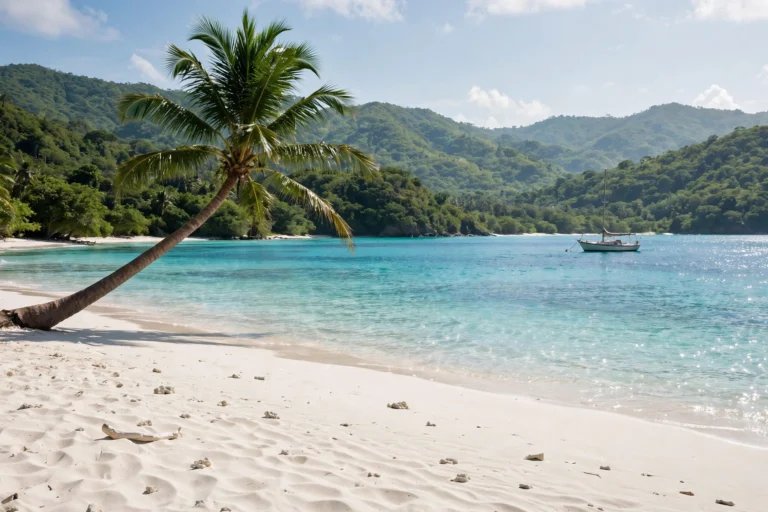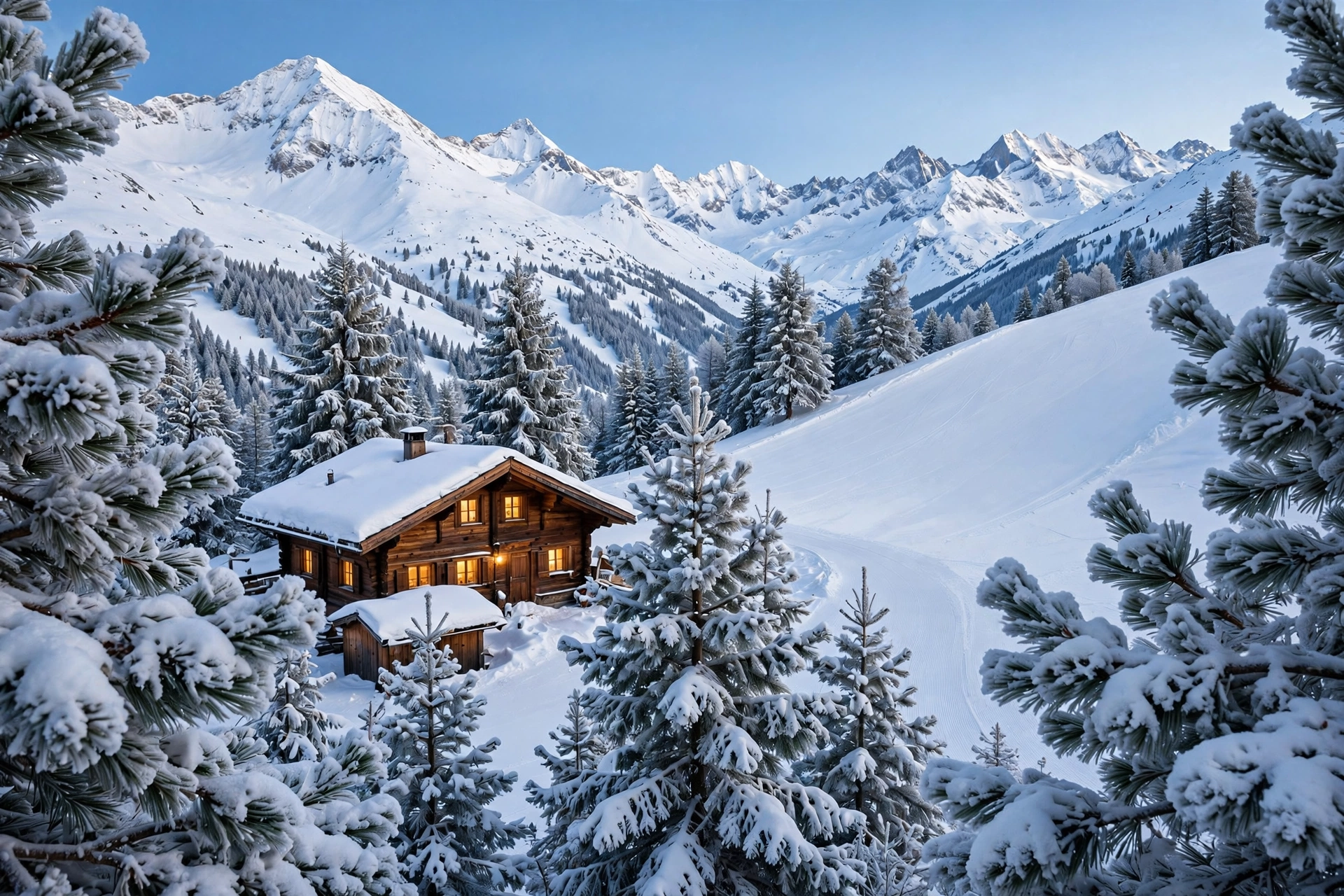
Winter is the most divisive travel season in America: half the country dreams of powder and fireplaces, the other half would happily never see a snowflake again. The good news is that the best winter vacation destinations serve both tribes beautifully — from Aspen’s champagne powder to Arizona’s 70-degree desert sunshine, all within a single domestic flight. And winter travel has a secret advantage: January and February are the cheapest months of the year to fly and stay almost anywhere, with new Kayak research showing flight-and-hotel trips under $500 in cities like Chicago, Dallas, and Washington, D.C.
This guide covers the best winter vacation destinations across both philosophies — twelve picks split between snow and sun — plus when to go, what each trip really costs, and how to plan around the season’s quirks (holiday price spikes, short daylight, hurricane-free Caribbean timing). Whether you’re chasing the Northern Lights or fleeing the polar vortex, your winter trip starts here.
Snow vs. Sun: Which Winter Traveler Are You?
| Team Snow | Team Sun | |
|---|---|---|
| Perfect day | First tracks, mountain lunch, hot tub at dusk | Beach morning, poolside afternoon, sunset dinner |
| Best months | December–March | December–April |
| Budget sweet spot | January (after New Year), March | January–February (excluding MLK weekend) |
| Watch out for | Holiday crowds and peak pricing Dec 20–Jan 2 | Spring break crowds in March (Florida, Caribbean) |
| Packing theme | Layers, waterproof everything | Swimsuits plus one warm layer |
The Best Snow Destinations
1. Aspen, Colorado — The Pinnacle of Ski Luxury
Aspen isn’t just a ski town; it’s the ski town against which all others are measured. Four mountains (Aspen Mountain, Snowmass, Aspen Highlands, Buttermilk) offer terrain for every level, the town itself is a walkable grid of landmark restaurants and designer boutiques, and the après scene — from Ajax Tavern’s truffle fries to the Little Nell’s champagne bar — is legendary. Snowmass, the largest of the four mountains, is arguably the better family pick: gentler terrain, a self-contained village, and often lower lodging prices than Aspen proper.
The catch is cost: Aspen is the most expensive ski destination in North America, with peak-season hotel rooms from $600 and lift tickets among the priciest anywhere. Mitigate it by visiting in January after the holidays or in late March, when snowpack is deepest and crowds thin. Book lodging with a kitchen if you’re staying a week — dining out for every meal in Aspen adds up fast. And fly into Aspen (ASE) if you can; the 3.5-hour drive from Denver in a snowstorm is nobody’s idea of vacation.
2. Park City, Utah — America’s Easiest Big Ski Trip
Park City wins on pure logistics: a 35-minute drive from Salt Lake City International Airport, the largest ski resort in the US (7,300+ acres after the Park City–Canyons merger), and a genuine historic Main Street with over a hundred bars and restaurants. Utah’s famous dry powder — “the greatest snow on earth” is the license plate, not just marketing — makes for forgiving, floaty skiing that intermediates especially love. Deer Valley, next door, remains skiers-only and the gold standard for groomed runs and on-mountain dining.
Park City also handles non-skiers better than most ski towns: Olympic Park’s bobsled ride, snowmobiling, the Utah Olympic Oval, and a thriving arts scene (Sundance takes over town each January — thrilling or terrible depending on your crowd tolerance). For families weighing a first big ski trip, Park City’s combination of easy access, varied terrain, and town energy is hard to beat.
3. Lake Tahoe, California/Nevada — Alpine Beauty, Casino Nightlife
Straddling the California–Nevada line, Lake Tahoe pairs a stunning alpine lake with a dozen ski resorts and a split personality: the North Shore is quiet and outdoorsy, the South Shore adds casinos, nightlife, and Heavenly’s slopeside scene. Palisades Tahoe (formerly Squaw Valley), an Olympic venue, offers the most challenging terrain; Northstar caters to families and intermediates with its village atmosphere. Off the slopes, the lake itself is the attraction — even in winter, Emerald Bay’s viewpoints are spectacular, and a clear-day drive around the 72-mile shoreline is unforgettable.
Tahoe’s elevation and Pacific storms deliver huge snowfalls but also whiteout road closures — carry chains or rent an AWD vehicle, and check conditions before driving. Visit midweek in January or February for the best combination of snow and value; weekends draw Bay Area crowds that clog both the roads and the lift lines.
4. Jackson Hole, Wyoming — The Wild West of Skiing
Jackson Hole is for skiers who find other resorts too tame. Corbet’s Couloir — the infamous double-black drop-in visible from the tram — is the symbol, but the mountain’s real gift is its vast expert and advanced terrain plus a genuine cowboy town at its base. Jackson’s Town Square, with its antler arches, elk refuge sleigh rides, and Million Dollar Cowboy Bar, feels like a Western film set that happens to serve excellent bison burgers. In winter, nearby Grand Teton National Park offers guided wildlife safaris — elk, moose, bighorn sheep — against the most dramatic mountain skyline in America.
Jackson Hole is remote (fly into JAC, one of the only airports inside a national park) and expensive, but the experience is singular. Non-skiers get dog sledding, snowshoeing in the Tetons, and the National Elk Refuge. Late February through March brings the deepest base and sunnier days.
5. Stowe, Vermont — New England’s Classic Winter Town
For East Coasters, Stowe is the winter weekend that feels like a holiday card: a white-steepled village, the Trapp Family Lodge (yes, that von Trapp family) with its cross-country ski center, and Mount Mansfield’s respectable vertical. It’s not the Rockies — manage expectations on powder — but the charm density is unmatched: covered bridges, cider donuts, ice skating on the village green, and cozy inns with fireplaces in every room. Stowe also pairs naturally with a weekend getaway from New York City, about five hours by car.
Vermont’s snow reliability peaks January through March. Book inns early for holiday weeks and foliage-adjacent weekends; midweek January trips can be surprisingly affordable. Après here means craft beer and maple everything — lean in.
6. Fairbanks, Alaska — Chase the Northern Lights
Fairbanks sits under the auroral oval, making it one of the most reliable places on earth to see the northern lights — and winter, with its 18-hour nights, is prime time. Dedicated aurora lodges wake you when the lights appear, so you don’t have to stand vigil in minus-20 cold. By day: dog sledding, ice sculpting at the World Ice Art Championships (February–March), Chena Hot Springs’ outdoor rock lake (soaking in 100-degree water as snow falls on your hair is a core memory), and a real frontier-town atmosphere.
This is an expedition, not a resort trip — pack serious cold-weather gear and embrace the darkness. Late February through March offers a sweet spot: still-dark nights for auroras, milder temperatures, and the Iditarod energy. For travelers building a US bucket list, Alaska in winter is the most adventurous box to check.
The Best Warm-Weather Winter Escapes
7. Maui, Hawaii — Winter’s Safest Bet
Hawaii in winter is the closest thing to a weather guarantee in American travel: highs in the high 70s, warm ocean, and the added bonus of humpback whale season (December–April), when thousands of whales migrate to Maui’s channels. Winter is peak season, so prices run highest — but the experience delivers: snorkeling with sea turtles, the Road to Hana without summer crowds, and sunsets that need no filter. Book flights early; winter fares to Hawaii from the mainland climb fast after Thanksgiving.
To dodge peak pricing, target the first two weeks of December or late April. The Big Island offers a cheaper, more adventurous alternative with its volcanoes and black-sand beaches, while Kauai suits honeymooners and hikers. Hawaii’s winter appeal is exactly why it anchors so many tropical vacation plans — it’s the rare destination that’s better in winter than summer.
8. Scottsdale, Arizona — Desert Sun and Spa Days
When the rest of the country is scraping ice, Scottsdale is 70 degrees and sunny — the desert’s winter gift. World-class resorts with sprawling pools, championship golf on overseeded green fairways, spring-training-adjacent baseball energy, Old Town’s art galleries and margarita patios, and desert hikes among saguaros in perfect weather. It’s the winter escape for travelers who want warmth without humidity, beaches, or passports.
Scottsdale is also one of the best-value warm winter destinations: resort pools are heated, golf is in peak condition, and the dining scene has matured into one of the Southwest’s best. Day-trip to Sedona’s red rocks (90 minutes) for a landscape that looks photoshopped. January through March is peak; book resorts early.
9. Key West, Florida — Winter Without Trying
Key West in winter is what the rest of Florida wishes it were: 75 degrees, zero pretension, and a pace that slows to island time the moment you cross the Overseas Highway. Duval Street’s bars, Mallory Square’s sunset celebration, Hemingway’s house and its six-toed cats, snorkeling and sailing day trips, and a food scene (Cuban sandwiches, Key lime everything, fresh stone crab in season) that punches above the island’s tiny size. It’s the easiest warm winter trip in America — fly into EYW or drive the spectacular Overseas Highway from Miami.
Winter is high season, so book lodging well ahead and expect premium rates. For a quieter Keys experience, consider Islamorada (sportfishing capital, excellent resorts) as a base. Pair with our Florida destinations guide if you’re building a longer Sunshine State loop.
10. San Diego, California — 70 and Sunny, Every Day
San Diego’s winter pitch is almost unfair: average highs near 70, minimal rain, and all the city’s attractions — Balboa Park’s museums, the Zoo, Coronado Beach, La Jolla’s sea lions, a genuinely great taco scene — without summer’s crowds or prices. Winter swells bring world-class surfing to spots like Swami’s and Black’s Beach (for experts), while whale watching season (December–April) adds gray whales to the itinerary.
It’s the most well-rounded warm winter city break in the US: beach, culture, food, and outdoor activities in one package, all an easy flight from anywhere west of the Mississippi and a reasonable one from the east. Hotel rates drop 20–30% from summer peaks.
11. Puerto Vallarta, Mexico — Warmth With Culture
Puerto Vallarta offers what many beach resorts don’t: a real town. The Malecón’s sculptures and street life, the Romantic Zone’s cobblestone streets and restaurants, and day trips to hidden beaches (Yelapa, Las Ánimas, accessible only by boat) give PV a cultural depth that purpose-built resort zones lack. Winter brings ideal weather — mid-80s, low humidity — plus whale watching in Banderas Bay (December–March) and the town’s high season energy.
All-inclusive resorts line the hotel zone north of town, while boutique hotels in the Romantic Zone suit independent travelers. PV is also notably welcoming and has one of Mexico’s best dining scenes. US travelers need only a passport — no visa — and the flight from Texas or the West Coast is short. As with any international trip, travel insurance and checking passport validity ahead of time keep things smooth.
12. Charleston, South Carolina — Mild Winter, Full Charm
Not every winter escape needs to be tropical. Charleston in winter averages highs in the 60s — sweater weather, not parka weather — and the city’s charms (historic streets, carriage tours, the Battery, a nationally acclaimed restaurant scene) come with thinner crowds and lower hotel rates. Holiday season brings the Festival of Lights and beautifully decorated historic homes; January and February bring Restaurant Week deals and blissfully empty streets.
It’s the winter trip for travelers who want a city break with mild weather rather than a beach week — and for East Coasters, it’s a short flight or manageable drive. Combine with Savannah (two hours south) for a Lowcountry double.
Winter Vacation Costs: Snow vs. Sun
| Destination | 5-Day Budget for Two | Cheapest Winter Window | Priciest Window to Avoid |
|---|---|---|---|
| Aspen | $5,000–$9,000 | Early Jan, late Mar | Dec 20–Jan 2 |
| Park City | $4,000–$7,000 | January (non-holiday) | Sundance week, Presidents’ Day |
| Lake Tahoe | $3,500–$6,000 | Midweek Jan–Feb | MLK + Presidents’ Day weekends |
| Jackson Hole | $4,500–$8,000 | Early Dec, April | Christmas–New Year |
| Stowe | $2,500–$4,500 | Midweek Jan | Christmas week, Presidents’ Day |
| Fairbanks | $3,000–$5,000 | November, March | Christmas–New Year |
| Maui | $4,500–$8,000 | Early Dec, late Apr | Dec 20–Jan 5 |
| Scottsdale | $3,000–$5,500 | Early Dec | Feb (golf + spring training) |
| Key West | $3,000–$5,500 | Early Dec | Christmas–New Year, Fantasy Fest |
| San Diego | $2,500–$4,500 | January–February | Comic-Con week (July, n/a winter) |
| Puerto Vallarta | $2,500–$4,500 | Early Dec, late Apr | Christmas–New Year, Easter |
| Charleston | $2,000–$3,500 | January–February | Christmas week |
When to Book: The Winter Travel Calendar
- September–October: Book Christmas/New Year trips now — flights and the best hotel rooms sell out. This is also when early-bird ski passes go on sale.
- November: Last call for holiday bookings. Shoulder-season deals appear for early December and January.
- December 1–19: The secret best window — pre-holiday rates, festive atmosphere, thin crowds.
- December 20–January 2: Peak pricing everywhere. If you must travel now, book lodging with kitchens and buy lift tickets in advance.
- January (after the 5th): Prices crater. The best value weeks of winter for both ski and sun destinations.
- February: Prime ski conditions; Presidents’ Day weekend spikes. Warm destinations stay strong.
- March: Deepest ski bases, spring-break crowds in Florida/Caribbean/Mexico. Northern ski resorts often ski well into April.
Winter Packing Checklists
For snow destinations
- Base layers (merino wool), mid-layer fleece, waterproof shell jacket and pants
- Insulated waterproof boots with good tread; warm socks (not cotton)
- Gloves or mittens, neck gaiter, warm hat, sunglasses and goggles
- Hand and toe warmers — cheap and trip-saving
- Lip balm, heavy moisturizer, sunscreen (snow reflects UV intensely)
- Swimsuit (for hot tubs and heated resort pools — don’t skip this)
For warm destinations
- Swimsuits, reef-safe sunscreen, after-sun aloe
- One light sweater or jacket for cool evenings and over-air-conditioned restaurants
- Comfortable walking sandals plus one nicer evening pair
- Snorkel gear if you own it (resort rentals are fine but worn)
- Collapsible cooler bag for beach days
Tips for a Better Winter Trip
- Fly early in the day in winter. Morning flights are far less likely to be cancelled by cascading weather delays — critical for ski trips with tight check-in windows.
- Build a weather buffer into ski trips. Arrive a day before your first ski day if driving through mountain passes; storms close roads with little warning.
- Buy lift tickets in advance. Walk-up window prices at major resorts can be double the advance online rate. Multi-day and Epic/Ikon passes reward commitment.
- Consider a condo over a hotel for ski weeks. Kitchens, boot dryers, hot tubs, and space to spread out — often cheaper per night than hotel rooms for groups and families.
- For sun trips, watch spring break. Mid-March brings crowds and price spikes to Florida, Cancún, and much of the Caribbean. Late January through February is calmer.
- Rent gear at the destination for ski trips. Unless you ski 10+ days a year, renting current-model skis at the resort beats hauling your own — and demo shops let you try different skis daily.
- Use points strategically. Winter is peak award-availability season for warm destinations; book 6–9 months out with a travel rewards card. Ski-town hotels are often better paid in cash during January sales.
- Protect the trip. Winter means the highest flight-cancellation risk of the year. Travel insurance with trip-interruption coverage is worth it for any winter trip over $3,000.
Frequently Asked Questions
What is the cheapest month for a winter vacation?
January — specifically the weeks after New Year’s Day through the end of the month. Holiday demand vanishes, but winter conditions (snow in ski country, warmth in sun destinations) remain excellent. Early December (before the 20th) is the runner-up.
Where is the warmest place in the US in winter?
South Florida (Miami, Key West) and Hawaii offer the warmest reliable winter weather, with highs in the mid-70s to low 80s. Southern Arizona and Southern California run slightly cooler but with near-zero rain. Puerto Rico and the US Virgin Islands — no passport required — match Florida’s warmth.
Is it cheaper to ski in January or March?
January (excluding MLK weekend) is generally cheaper for lodging and flights, while March offers deeper snowpack and longer days at similar or slightly higher prices. For the best combination of conditions and value, target late February.
How far in advance should I book a winter vacation?
For Christmas/New Year travel, book flights and lodging by September. For January–March trips, 2–3 months ahead is usually fine, with last-minute deals common in January. Ski lodging in popular towns (Aspen, Jackson Hole) books out earliest.
What should I do if my winter flight is cancelled?
Know your rights before you fly — our guide to flight delay compensation covers what airlines owe you. Rebook via the airline’s app (faster than the phone queue), and if you’re stuck overnight, ask about meal and hotel vouchers.
Are all-inclusive resorts worth it for winter sun trips?
For Mexico and the Caribbean, all-inclusives in winter high season often beat the cost of paying separately for a hotel, meals, drinks, and activities — especially for families. Compare the per-night rate against realistic daily food and drink spending before deciding.
The best winter vacation destinations have one thing in common: they make you forget what month it is back home. Whether that’s carving fresh powder under a bluebird sky or reading a novel in 78-degree shade, winter is the season when a well-chosen trip pays the highest dividends. Book the January window, pack for the trip you’re actually taking, and go.