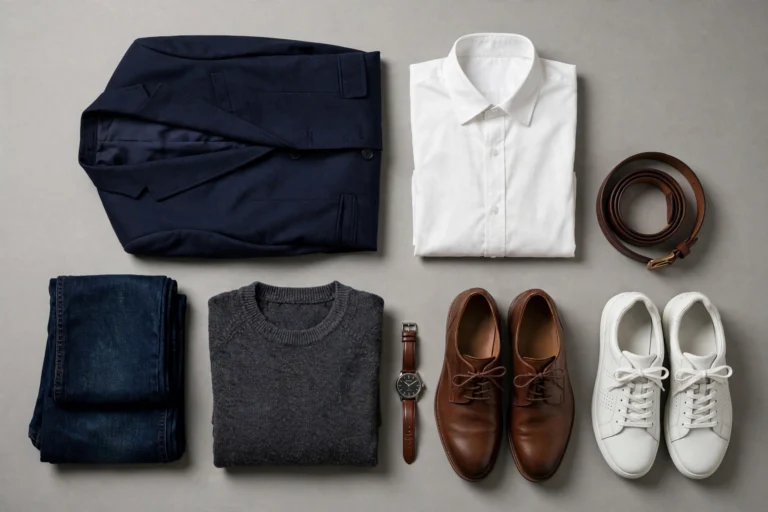
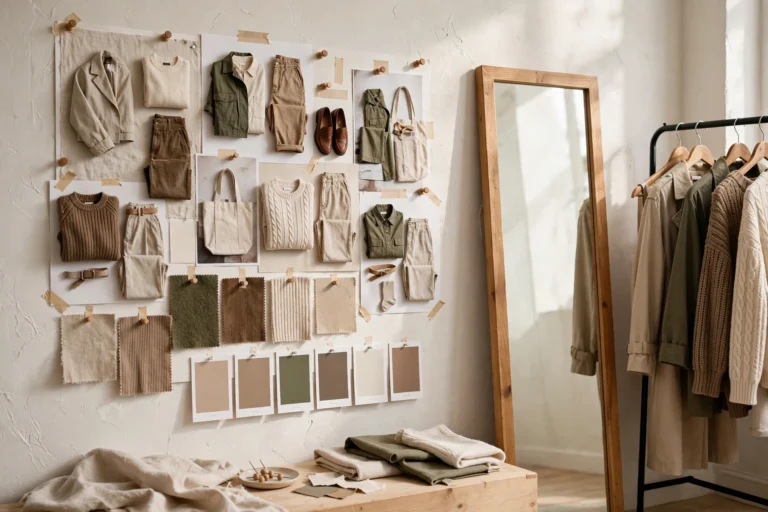
Great style is not about having more clothes — it is about having the right ones. The concept of women’s wardrobe essentials is simple: a foundation of versatile, timeless pieces that mix and match effortlessly, so you can build dozens of outfits from a closet that is a fraction of the average size. Whether you are rebuilding your wardrobe from scratch or just tired of the “nothing to wear” feeling, this guide covers every essential piece, how to choose it, and how to wear it.
These are not trend pieces. They are the classics that have looked right for decades and will look right for decades more — the white shirt, the perfect jean, the little black dress — plus the modern staples (a great sneaker, elevated loungewear) that today’s life actually requires.
The Foundation: Tops That Do Everything
1. The White T-Shirt (2–3)
Look for mid-weight cotton with a neckline that holds its shape — crew or a modest V. It should skim, not cling, and survive dozens of washes without going sheer. White tees tuck into everything, layer under everything, and dress up surprisingly well under a blazer. Buy in multipacks from quality basics brands and replace yearly; a dingy white tee drags down every outfit it touches.
2. The White Button-Down Shirt (1–2)
Crisp cotton or cotton-poplin, slightly relaxed through the body. Worn tucked with tailoring for polish, open over a camisole as a light layer, knotted at the waist with jeans on weekends, or oversized as a beach cover-up. One well-chosen white shirt does the work of five trend tops.
3. Breton Stripe Top (1)
The navy-and-white (or black-and-white) striped long-sleeve tee is a century-old classic for a reason: it adds visual interest while behaving like a neutral. Under a blazer, with jeans, tucked into a midi skirt — it never looks wrong.
4. Quality Knit Sweaters (2–3)
A crew-neck in a neutral (camel, gray, navy) and a V-neck or cardigan in a second neutral. Merino wool or a good cotton-cashmere blend resists pilling and holds shape. Sweaters are where cheap fabric shows most, so this is a category worth spending on — and where secondhand cashmere is a genuine bargain.
5. A Silk or Satin Camisole (1–2)
Black and champagne or ivory. Worn alone in summer, layered under blazers and cardigans year-round, and dressed up for evenings. It is the piece that makes a blazer-and-jeans outfit read as intentional rather than corporate.
The Foundation: Bottoms
6. Dark-Wash Straight-Leg Jeans (1–2)
The single most versatile bottom in a woman’s wardrobe. Dark indigo, no distressing, a rise that stays put when you sit. Straight-leg cuts flatter the widest range of bodies and work with every shoe from sneakers to heels — which is why they outlast every trend cycle while skinny, wide, and barrel legs rotate. Get the hem right for your most-worn shoe height, or buy two lengths.
7. Black Tailored Trousers (1)
Flat-front, ankle or full length, in a fabric with a touch of stretch. These handle offices, interviews, dinners, and events. The fit through the hip and thigh must be clean — this is a tailoring-worthy piece.
8. A-Line or Pleated Midi Skirt (1)
Black or navy. The midi length works across seasons (tights in winter, bare legs in summer) and across dress codes. It pairs with everything in the tops section, which is the definition of an essential.
9. Comfortable Everyday Bottoms (1–2)
Life includes school runs, flights, and Sundays. One pair of elevated joggers or ponte-knit pants in black or charcoal keeps the off-duty uniform from looking sloppy. The key word is elevated: structured fabric, clean lines, no drawstring-waist gym look.
The One-Piece Wonders
10. The Little Black Dress (1)
Not necessarily mini, not necessarily fancy — a simple black dress in a flattering neckline that you can dress up with heels and jewelry or down with sneakers and a denim jacket. Fit is everything: it should skim without pulling anywhere. When in doubt, choose the simpler cut; accessories do the talking.
11. A Versatile Day Dress (1–2)
A wrap dress, shirt dress, or simple knit midi in a solid neutral or subtle print. The day dress is the fastest outfit known to womanhood: one piece, shoes, bag, done. Choose wrinkle-resistant fabrics if you travel.
12. A Jumpsuit (optional but mighty)
One well-fitting jumpsuit in black or navy functions like a dress with the practicality of trousers. It reads modern and intentional with minimal styling effort.
The Layers That Finish Outfits
13. A Tailored Blazer (1)
Black or navy, single-breasted, hitting at the hip. The blazer is the third-piece rule incarnate: thrown over a tee and jeans, it creates polish instantly. Slightly oversized cuts read modern; classic cuts read timeless. Either works — pick the one that matches your style personality.
14. A Trench Coat (1)
Khaki or stone, water-resistant cotton gabardine, hitting below the knee. The trench is the rare garment that improves with age and works over literally everything, from workout clothes to evening dresses. Buy the best you can afford; a good trench lasts decades.
15. A Denim Jacket (1)
Medium wash, classic cut, slightly relaxed. It layers over dresses, softens tailored pieces, and ages beautifully. The denim jacket is the casual counterpart to the blazer — every wardrobe needs both registers.
16. A Wool Coat (1, climate-dependent)
Camel, black, or charcoal, in the longest length practical for your life. A wool coat makes winter outfits look deliberate instead of merely warm. Check that sleeves cover your wrists and the shoulders sit cleanly over a blazer.
17. A Cozy Cardigan or Wrap (1)
For the in-between moments: long cardigan in a neutral knit. It is the comfort layer that still looks put together on video calls and school pickups alike.
Shoes: The Five-Pair Foundation
| Shoe | What It Covers | Choosing Notes |
|---|---|---|
| White leather sneakers | Daily life, travel, casual everything | Minimalist profile; keep clean. See our best sneakers guide for top picks. |
| Nude or black ballet flats / loafers | Office, dinners, polished casual | Nude elongates the leg; black is more versatile with dark outfits |
| Ankle boots | Fall through spring; jeans, skirts, dresses | Black leather, comfortable heel height you will actually walk in |
| Strappy heels or dressy sandals | Events, evenings, weddings | One pair you can stand in for hours — comfort is non-negotiable |
| Seasonal: sandals or knee-high boots | Summer or deep winter | Buy for your actual climate, not a fantasy one |
Bags, Jewelry, and Finishing Touches
18. The Everyday Bag (1)
Structured enough to look polished, roomy enough for real life — in black, tan, or cognac leather (or quality vegan leather). This bag appears in nearly every outfit photo you will ever take, so choose carefully. Our handbag brand guide covers options from affordable to luxury.
19. A Small Evening Bag (1)
A clutch or small crossbody in black or metallic. It only comes out for events, but when it does, nothing else substitutes.
20. Simple, Good Jewelry (a small set)
Stud earrings, a delicate necklace, a watch or bracelet you never take off. Jewelry is the signature layer — consistent pieces become part of how people recognize your style. Quality over quantity: one pair of earrings you wear daily beats a drawer of tangled statement pieces.
21. A Silk Scarf and a Belt
A silk scarf (neck, bag, hair — endlessly versatile) and one good leather belt in a neutral. Small items, disproportionate impact.
How the Essentials Work Together: Outfit Formulas
The magic of essentials is combinatorial. Here are proven formulas using only pieces from this guide:
- Polished workday: White button-down + black trousers + loafers + structured bag
- Smart casual: Breton stripe + dark jeans + blazer + ankle boots
- Weekend: White tee + jeans + denim jacket + white sneakers
- Date night: Black camisole + midi skirt + heels + clutch
- Travel day: Knit midi dress + white sneakers + trench + everyday bag
- Summer event: Day dress + strappy sandals + silk scarf + small bag
- Winter office: Merino sweater + black trousers + wool coat + ankle boots
- Evening out: Little black dress + heels + statement earrings + clutch
Each formula is a template — swap colors and textures within your palette and the combinations multiply. Photograph your favorite versions and keep them in a phone album for rushed mornings.
Choosing Quality: What to Spend On vs. Save On
| Spend (cost per wear wins) | Save (replaceable basics) |
|---|---|
| Wool coat, trench coat, blazer | White tees, camisoles |
| Leather bag, leather boots | Trend-adjacent accessories |
| Tailoring on trousers and blazers | Seasonal prints and colors |
| Cashmere or merino sweaters | Workout-adjacent loungewear |
| A watch or daily jewelry | Costume jewelry for events |
The logic: spend where fabric, construction, and fit are visible and long-lived; save where items are inherently replaceable or trend-exposed. And remember the tailor — a $30 hem on trousers and a $40 waist suppression on a blazer make mid-priced clothes look designer.
Building Your Essentials Wardrobe: A Realistic Plan
Phase 1: Audit (Weekend 1)
Pull everything out. Keep what fits, flatters, and gets worn. Note which essentials you already own — most women own 40–60 percent of this list without realizing it. Write down the actual gaps; that list is your shopping plan, not a vague urge to “get some new clothes.”
Phase 2: Foundation First (Month 1–2)
Buy the highest-impact gaps first: the jeans that fit, the white shirt, the everyday shoe. These are the pieces you will wear weekly for years — do not rush them. Try on multiple brands; bodies differ and vanity sizing makes “your size” meaningless across labels.
Phase 3: Layers and Polish (Month 3–4)
Add the blazer, the coat for your climate, the bag. These are the pieces that make the foundation look intentional. Thrift stores excel here: blazers, wool coats, and leather bags are abundant secondhand in excellent condition.
Phase 4: Personality (Ongoing)
With the foundation solid, add the pieces that make it yours: the print you love, the color that lights up your face, the vintage find. Essentials are the canvas; personality is the painting. For finding quality pieces at fair prices, browse the best online clothing stores and our clothing brands for women guide.
Adapting Essentials to Your Life
The Office Wardrobe
Weight the list toward tailoring: add a second blazer, a second pair of trousers, and two more button-downs or blouses. Five tops × three bottoms × two blazers covers a month of workdays without visible repetition.
The Work-From-Home Wardrobe
Invest upward: beautiful knit tops, a blazer for video calls, comfortable-but-structured bottoms. The camera sees shoulders up — make those shoulders count — while comfort rules below the desk.
The Warm-Climate Wardrobe
Swap wool for linen and cotton, add two more dresses, trade boots for quality sandals, and keep one light layer for aggressive air conditioning. The essentials list shrinks rather than grows — fewer pieces needed overall.
Plus-Size, Petite, and Tall Considerations
Essentials are body-neutral; proportions are personal. Petites should watch overall length (midi can overwhelm — try just-below-knee) and scale of prints. Tall women should check sleeve and inseam length first, as these are the usual failure points. Plus-size wardrobes benefit most from structure: defined waists, quality fabrics with drape, and tailoring. In every case, the essential is the category, not a specific cut — find your version of the white shirt, not someone else’s.
The Travel Capsule: 12 Pieces, Endless Trips
The essentials list shines brightest in a suitcase. For a week-long trip, pack:
- 3 tops (white tee, stripe top, knit sweater or camisole depending on climate)
- 2 bottoms (dark jeans, black trousers or midi skirt)
- 1 dress (the day dress — doubles as evening with different shoes)
- 2 layers (blazer, trench or denim jacket)
- 2 pairs of shoes (white sneakers, one dressier pair)
- 1 bag (the everyday bag) plus a packable tote for extras
- Scarf, belt, and your daily jewelry
Stick to two neutrals plus one accent so everything mixes, choose wrinkle-resistant fabrics, and wear the bulkiest items (boots, coat) on the plane. Twelve pieces yield 15+ outfits — and you will actually wear all of them, which is more than can be said for the average overstuffed suitcase.
Care That Makes Essentials Last
- Wash cold, inside out. Preserves color and surface on everything from tees to trousers.
- Fold knits; hang wovens. Sweaters stretch on hangers; shirts wrinkle in drawers. Wide hangers for blazers and coats.
- Air jeans between wears. Denim rarely needs washing — spot clean and air out to extend life dramatically.
- Rest shoes 24 hours between wears and use shoe trees for leather pairs.
- Repair promptly. A loose button, a dropped hem, a scuffed heel — small fixes now prevent replacements later.
- Store wool clean with cedar to deter moths; off-season pieces in breathable containers.
Frequently Asked Questions
How many items make a complete wardrobe?
The essentials in this guide total roughly 30–35 pieces including shoes and bags — enough for endless combinations without excess. Many women find their ideal number is 35–45 once personal-preference pieces and seasonal items are included.
What is the most versatile piece of women’s clothing?
The dark-wash straight-leg jean, by a wide margin — it works with every top, layer, and shoe in this guide, across nearly every casual-to-smart-casual context. Second place goes to the white button-down shirt.
How do I build a wardrobe on a tight budget?
Audit first (you likely own half the list), thrift the expensive categories (blazers, coats, leather goods, cashmere), and buy new only the fit-critical basics like jeans and tees. Building over 4–6 months spreads the cost and leads to better choices than a single spree.
Should basics be boring?
No — basics are the canvas, not the whole painting. Once the foundation is solid, add personality through color, print, vintage finds, and accessories. The essentials make the fun pieces wearable; the fun pieces make the essentials yours.
How often should I replace wardrobe essentials?
Quality essentials last years: coats and blazers a decade, jeans 3–5 years, white tees 1–2 years, shoes resoled as needed. Replace when fabric, fit, or function fails — not when a trend cycle says so.
Where can I find quality basics without overspending?
Start with our best online clothing stores roundup for reliable basics at every price point, and the best clothing brands for women guide for brand-level recommendations.
How do I adapt these essentials as trends change?
You do not need to — that is the point of essentials. Let trend pieces come and go as inexpensive accessories or single accent items, while the foundation stays constant. If a trend genuinely suits you and survives two seasons of wanting it, then consider promoting it into the permanent wardrobe.
Women’s wardrobe essentials are not about restriction — they are about liberation from the daily friction of a closet that does not work. Build the foundation once, maintain it lightly, and spend your fashion energy where it is fun: the pieces that express who you are, on top of a base that always has your back.
Women’s Wardrobe Essentials: Frequently Asked Questions
What is the difference between wardrobe essentials and a capsule wardrobe?
Wardrobe essentials are the timeless foundation pieces every closet needs — the blazer, the white shirt, the dark jeans, the little black dress. A capsule wardrobe is a system: a deliberately limited set of pieces, often 25 to 40, chosen to mix and match for a season. Essentials are the ingredients; the capsule is the recipe. You can own all the essentials without running a capsule system, but many women find that organizing their essentials into a seasonal capsule removes morning decision fatigue and reveals which pieces they actually wear. If your closet is full but you feel you have nothing to wear, the capsule method is worth trying for one season.
How do I choose essentials that suit my body type?
Fit beats trends for every body type. The essentials list stays the same, but the silhouettes shift: if you are petite, look for cropped or ankle-length cuts that don’t overwhelm your frame and get hems adjusted; if you are tall, seek long inseams and extended sizing rather than settling for too-short sleeves. Curvier figures benefit from structured fabrics with a bit of stretch and defined waists, while straighter figures can create shape with peplums, belts, and layered textures. The universal rule is to buy for the body you have today, not the one you hope to have, and to tailor the almost-right pieces. A $20 hem adjustment routinely does more than a $200 upgrade in brand.
Which fabrics should I prioritize for longevity?
Natural fibers age better than synthetics in most essentials: cotton, wool, linen, silk, and leather develop character while polyester pills and holds odor. For workhorse pieces like trousers and blazers, look for wool blends with a touch of elastane for recovery, or heavyweight cotton twill. Check seams before buying — tight, even stitching and finished seam allowances signal a garment built to survive washing. Read care labels honestly: if you will never hand-wash or dry-clean, don’t buy the piece that requires it. The most sustainable garment is the one you wear for years, and durability starts with fabric choice.