Some of the best childhood memories cost absolutely nothing. Free Family Events — outdoor movie nights in the park, library story hours, museum free days, community festivals, and summer concert series — are hiding in plain sight in nearly every American town, and families who learn to find them can fill an entire year with outings without denting the budget.
This guide maps every major category of free family event, shows you exactly where to find them in your area, and shares the strategies seasoned parents use to never miss the good ones. No coupons, no loyalty programs, no fine print — just genuinely free experiences worth your family’s time.
Categories of Free Family Events
1. Outdoor Movies in the Park
From June through September, parks departments, downtown associations, and even shopping centers screen family films on giant inflatable screens after dark. They’re free, blanket-friendly, and wonderfully low-pressure — wiggly toddlers can roam, babies can sleep in strollers, and nobody shushes anyone. Bring a blanket, bug spray, and snacks; many events have food trucks if you’d rather buy dinner there. Arrive 30–45 minutes early for a good spot near the screen but away from the speakers.
2. Library Programs
Public libraries are the most underrated free-event venues in America. Beyond the obvious story hours for toddlers and preschoolers, most branches run summer reading programs with prizes, LEGO clubs, teen game nights, craft workshops, puppet shows, and even free museum-pass lending. Everything is free, air-conditioned, and staffed by people who genuinely like kids. Check your library’s online calendar monthly — the best programs (like limited-seat craft workshops) fill up fast.
3. Museum Free Days and Free Hours
Many museums offer monthly free days, weekly free evenings, or free admission for kids under a certain age. Big-city institutions often have free hours on weekday evenings or the first Friday of the month; smaller regional museums may be free or donation-based year-round. The national Museums for All program offers free or $3-max admission to 850+ museums for families with EBT cards. Pro tip: free days are popular, so arrive at opening or during the last hour to dodge the midday rush.
4. Free Concerts and Performances
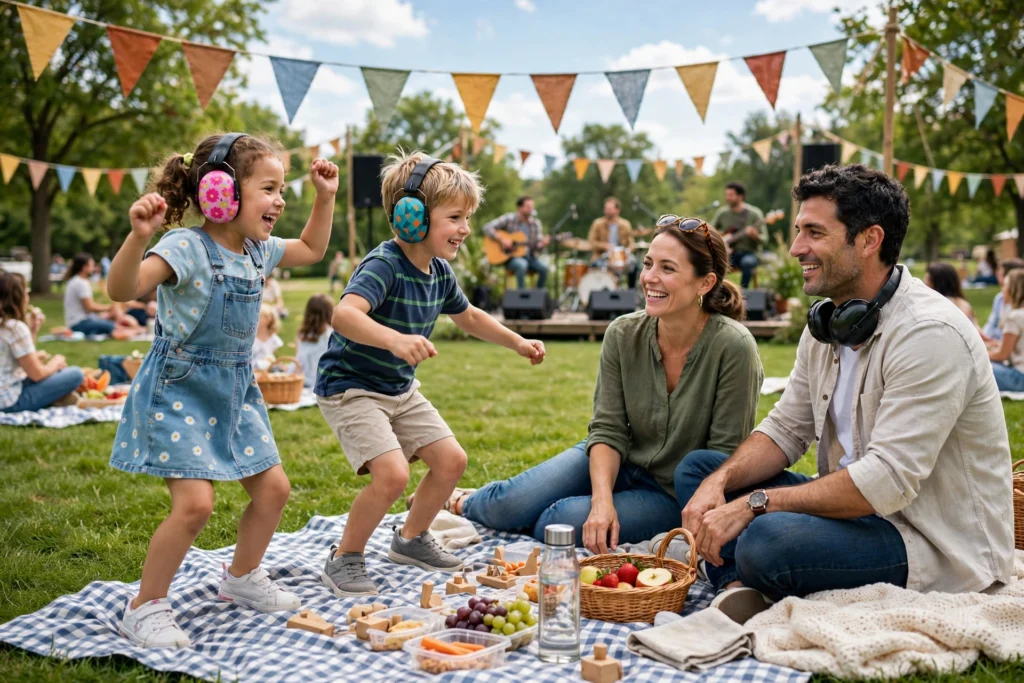
Summer concert series in parks, town greens, and downtown plazas are a staple of American summers — and they’re ideal for families. The music is usually family-friendly by design, the setting is casual (blankets, picnics, dancing toddlers), and leaving early carries zero guilt since you paid nothing. Many cities also host free Shakespeare in the park, outdoor theater, and community band concerts. Pack a picnic dinner and make it a weekly tradition.
5. Community Festivals and Street Fairs
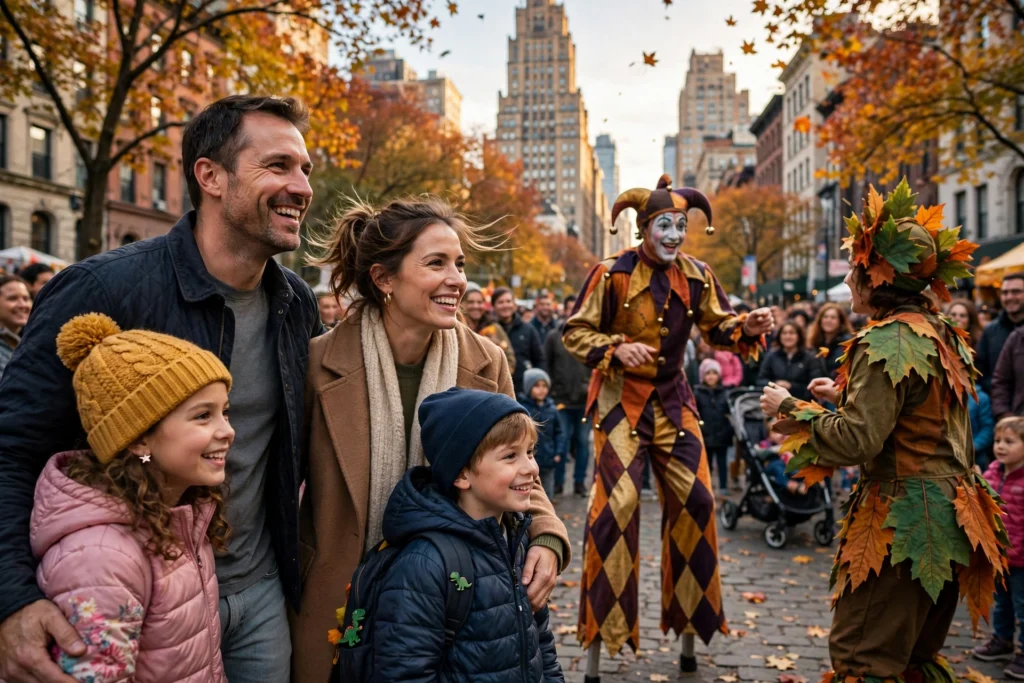
Nearly every town has an annual rhythm of free festivals: spring art walks, summer street fairs, fall harvest festivals, and winter holiday strolls. Admission is typically free (you pay only for food and rides), and the programming — parades, kids’ zones, live music, craft vendors — can easily fill a whole day. These are also the best way to feel connected to your community; kids love running into classmates and neighbors.
6. Nature Centers and Park Programs
State parks, county nature centers, and Audubon chapters run free guided hikes, bird walks, pond-dipping sessions, and junior ranger programs. These are gold for curious kids — a naturalist with a net and a magnifying glass beats any nature documentary. Many state parks also waive entrance fees on special days (National Public Lands Day in September, for example). Check your state’s park website for a free-events calendar.
7. Faith and Community Organization Events
Churches, synagogues, mosques, YMCAs, and community centers frequently host events open to everyone regardless of membership: fall festivals, Easter egg hunts, holiday concerts, vacation Bible schools, and summer carnivals. These tend to be exceptionally well-organized for young children, with volunteers who’ve run the same event for years. Check community bulletin boards and local Facebook groups — many of these events are advertised by word of mouth rather than big marketing budgets.
8. Store and Business Events
National chains run surprisingly good free kids’ programming: home-improvement stores host monthly kids’ build workshops, craft stores run weekend make-and-take sessions, bookstores host story times and author visits, and outdoor retailers offer free kids’ adventure clubs. These are polished, reliable, and usually include a free take-home project. Sign up for email lists at your favorite stores — that’s how you hear about them first.
9. First Fridays and Art Walks
Many cities run monthly “First Friday” art walks with free gallery admission, street performers, and kids’ art activities. They’re evening events, which makes them feel special to school-age kids, and the festive atmosphere — food trucks, live music, open studios — is free to soak in. Art museum family days, often quarterly, add hands-on workshops to the mix.
How to Find Free Family Events Near You
Knowing the categories is half the battle; the other half is a system for finding them before they happen:
- Your city’s parks and recreation website. Bookmark it and check the events calendar on the first of each month. This single source covers movies in the park, concerts, festivals, and nature programs.
- The library calendar. Most library systems let you filter by age group — set a monthly reminder to scan for your kids’ ages.
- Local parenting Facebook groups and newsletters. Search “[Your City] parents” or “[Your City] kids activities” — these groups are where parents share the events that never make official calendars.
- Event aggregators with free filters. Sites and apps that list local events usually let you filter by “free” — check weekly, since new events post constantly.
- Tourism board calendars. Your city or county’s official tourism site lists festivals and seasonal events, including free ones, months in advance.
- School and daycare newsletters. They often share community events, and your kids’ friends’ parents are a great grapevine.
- Follow venues directly. Museums, nature centers, and theaters post free days on their own social media first — a quick follow costs nothing.
Making the Most of Free Events
- Arrive early or late. Free events draw crowds; the first and last hour are the sweet spots. Midday is peak chaos.
- Pack like you’re paying. Free admission doesn’t mean free food — bring snacks, water, and sunscreen so the outing stays actually free.
- Have a weather backup. Outdoor free events cancel in bad weather with little notice. Keep a rainy-day plan ready — our list of Rainy Day Family Activities is built exactly for those pivots.
- Lower the bar, raise the fun. Free events are gloriously low-stakes. If the kids are miserable after 20 minutes, leave — you lost nothing, and you’ll try again next week.
- Make it a ritual. The families who get the most from free events pick one recurring outing — Friday library story hour, monthly First Friday — and protect it on the calendar.
- Upgrade the experience at home. Love the outdoor movie night? Our Family Movie Night Guide shows how to recreate the magic in your own backyard for free.
The secret of free family events isn’t finding one great outing — it’s building a weekly rhythm of them. A family that does library story hour on Tuesdays, a park concert on Fridays, and a nature walk on Saturdays spends $0 and has a richer social calendar than most paying subscribers.
Frequently Asked Questions
Are free family events really free, or is there a catch?
Admission is genuinely free for everything in this guide. You’ll pay for optional extras — food trucks, carnival rides, parking — but the core experience costs nothing. Bringing your own food and walking or taking transit keeps the day truly free.
How do free events compare to paid ones?
The best free events rival paid ones: professional concerts, quality films, and well-run festivals. Where paid events win is infrastructure — shorter lines, guaranteed seating, and rain-or-shine operations. For a broader view of what’s worth paying for, see our ranking of the Best Family Events in the USA.
What ages are free events best for?
All ages, but they’re especially perfect for kids under 6 — the low-stakes format means early exits and wiggly behavior are totally fine, which isn’t true of a $50-per-ticket show.
Do I need to register for free events?
It depends. Park concerts and street fairs are walk-up; library workshops, museum free days, and store build clinics often require free advance registration. Always check the listing — “free” and “drop-in” are different things.
How far in advance are free events announced?
Seasonal series (summer concerts, outdoor movies) are usually announced 1–3 months ahead. One-off events may post only 1–2 weeks out, which is why checking calendars weekly matters.
Free Family Events by Season: A Year-Round Calendar
The free-event landscape changes with the seasons. Here’s what to look for (and when to look) so your family never has a boring month:
Spring: Reawakening
- Cherry blossom and flower festivals: Many are free to attend (Brooklyn Botanic Garden’s Sakura Matsuri has free hours; DC’s festival is entirely free).
- Easter events: Community egg hunts run by parks departments, churches, and businesses — nearly all free, most with age-separated hunting zones.
- Earth Day events (April 22): Nature centers, zoos, and parks run free programming — tree plantings kids can join, pond explorations, recycling crafts.
- Spring art walks: Gallery districts open their doors with kids’ activities; street performers and food trucks make it festive.
Summer: Peak Free Season
- Outdoor movie series: The crown jewel of free summer — check parks departments, downtown associations, and even mall parking lots.
- Concert series: Weekly park concerts, often with kids’ dance zones up front. Pack dinner and make it your standing weeknight.
- Library summer reading: Free programs, prizes, and special performers all summer — the single highest-value free program in America.
- National Park fee-free days: Several per year (MLK Day, National Park Week in April, Juneteenth, Veterans Day) — entrance fees waived at 400+ parks.
- Shakespeare in the park: Free professional theater in dozens of cities; many have family-specific performances.
Fall: Harvest Season
- Harvest festivals: Many towns run free fall festivals — the rides cost money, but the parades, music, and kids’ zones don’t.
- Halloween events: Trick-or-treat trails at zoos (some free), downtown merchant trick-or-treating, library Halloween parties, and trunk-or-treats.
- Veterans Day parades: Free, patriotic, and genuinely moving — a great civic outing for school-age kids.
- Fall stargazing: Astronomy clubs host free public star parties in parks; Saturn’s rings through a real telescope will silence any child.
Winter: Cozy and Bright
- Holiday light displays: Drive-through and walk-through displays — many community ones are free or donation-based.
- Tree lightings and parades: Nearly every town has one; the small-town versions are often more charming than the big-city productions.
- First Night / New Year’s Eve family events: Early-evening (6–8 p.m.) celebrations with kids’ countdowns at “midnight” (actually 8 p.m.).
- Museum free days: Winter is peak season for free museum hours — institutions compete for visitors in the slow months.
Free Event Pro Tips: Etiquette, Timing, and Getting the Good Spots
- The 15-minute rule: At popular free events, the difference between front-row and back-of-crowd is arriving 15 minutes before you think you need to. For outdoor movies, that’s 45–60 minutes early; for library story hour, 10 minutes.
- Bring the setup: A blanket, low-back chairs, and a small wagon mark your territory and keep kids comfortable. At concerts, sit near the back edge — kids can dance without blocking anyone, and exits are close.
- Volunteer once: Many festivals and event series recruit volunteers — and volunteers’ families often get perks (reserved seating, backstage peeks, first dibs on activities). Two hours of handing out programs buys a lot of goodwill.
- Respect the free: Free events run on thin margins and volunteer labor. Clean up your area, follow the rules, donate when there’s a bucket, and thank the organizers — it keeps the events coming back.
- Have the backup list: Free outdoor events cancel for weather with minimal notice. Check the organizer’s social media (not just the website) before leaving, and keep our Rainy Day Family Activities handy for instant pivots.
- Combine and conquer: Stack free events into full days — a morning museum free day, an afternoon park concert, an evening outdoor movie. Our national Best Family Events in the USA ranking flags which major events have meaningful free components.
Free Events Worth Traveling For
Most free events are local — but a few are destination-worthy:
- National Cherry Blossom Festival (Washington, DC, March–April): three weeks of free events around the Tidal Basin.
- Smithsonian Folklife Festival (Washington, DC, late June–early July): a free global cultural festival on the National Mall.
- Shakespeare in the Park (New York City, summer): free world-class theater via lottery and in-person lines.
- Millennium Park Summer Series (Chicago, summer): free concerts and movies in one of America’s great public spaces.
- First Night celebrations (Boston and dozens of cities, New Year’s Eve): often free or nearly free, with early kids’ countdowns.
The pattern: the country’s best free events cluster in cities with strong public-space traditions. If you’re planning a trip around them, our Family Event Planning Guide shows how to slot destination events into your year without the last-minute scramble.
The Free Event Hunter’s Toolkit
Finding Free Family Events consistently comes down to systems, not luck. Here’s the toolkit serious free-event families use:
- Google Alerts: Set alerts for “free family events [your city]” and “free kids activities [your city]” — new listings land in your inbox weekly.
- Facebook Events with the “free” filter: Surprisingly comprehensive for community events; check every Sunday night for the coming week.
- Your parks department’s email newsletter: The single highest-signal source. Subscribe once; get the whole season’s calendar.
- Library app notifications: Most library systems have apps with event alerts by age group — turn them on for your kids’ brackets.
- A shared family calendar: When you spot a good event, add it immediately with the registration link. Events you “mean to look up later” are events you miss.
- The “third place” network: Coffee shops, bookstores, and community boards still post flyers for the hyper-local events that never make it online. A weekly glance catches gems.
- Reciprocal intel: Trade event tips with 2–3 parent friends in a group chat. Five families scanning beats one — you’ll each catch things the others miss.
Turning Free Events into Family Traditions
The real magic of free events isn’t any single outing — it’s what happens when they become traditions. A few frameworks that work:
- The weekly anchor: Pick one recurring free event and protect it fiercely — Friday park concerts, Tuesday story hour, monthly First Friday. Kids thrive on the rhythm, and “it’s concert Friday!” becomes a thing they look forward to all week.
- The seasonal pilgrimage: One free event per season that the whole family anticipates — the spring kite festival, the summer outdoor movie premiere, the fall harvest fair, the winter tree lighting. Four anchors, zero cost, a year of memories.
- The passport challenge: Make a simple “passport” (a folded paper booklet) and stamp it at every free event you attend. Kids who’d shrug at “let’s go to the park concert” will campaign for “we need three more stamps!” Gamification works.
- The photo tradition: Same spot, same pose, every time you attend a recurring event. A year of “first-Friday photos” becomes a growth chart of your family’s happiest habit.
Free traditions compound: the families with the richest event lives usually spend the least, because they built rhythms instead of buying experiences. Start with one weekly anchor this month — everything else follows.