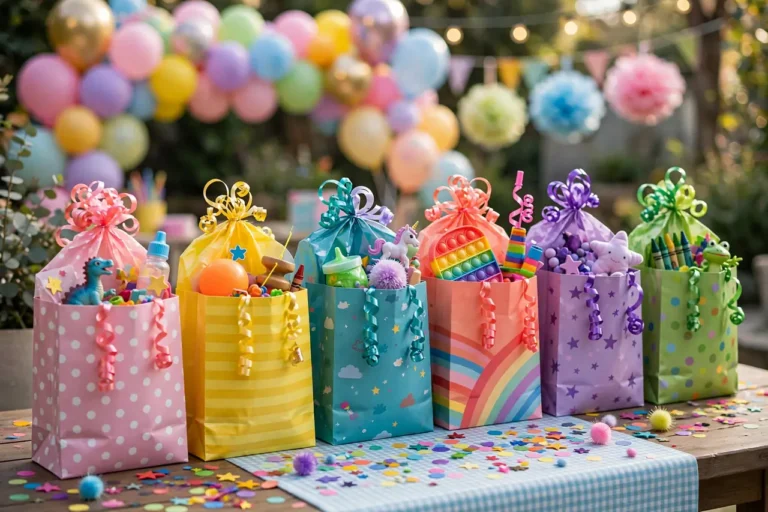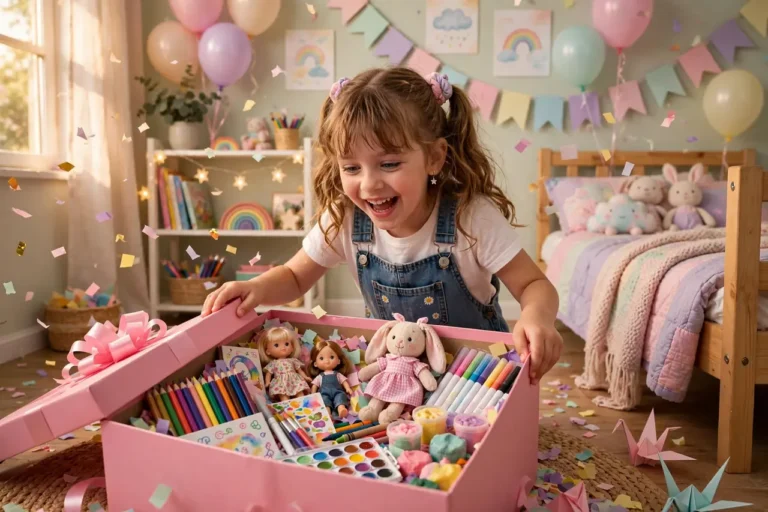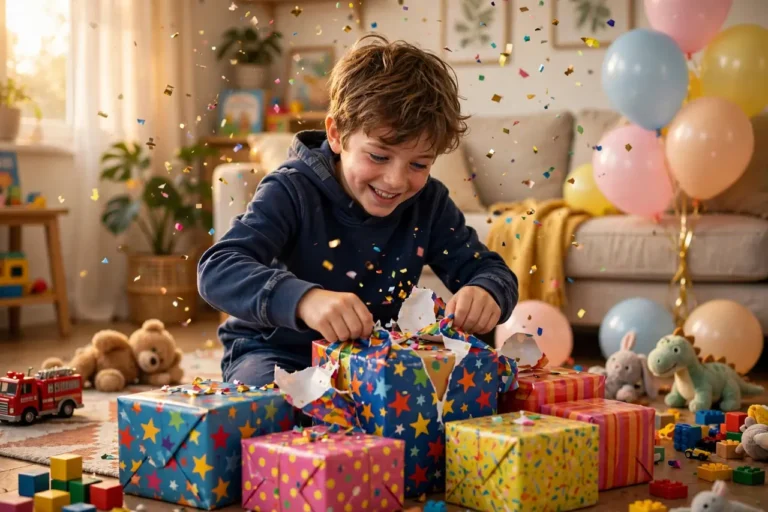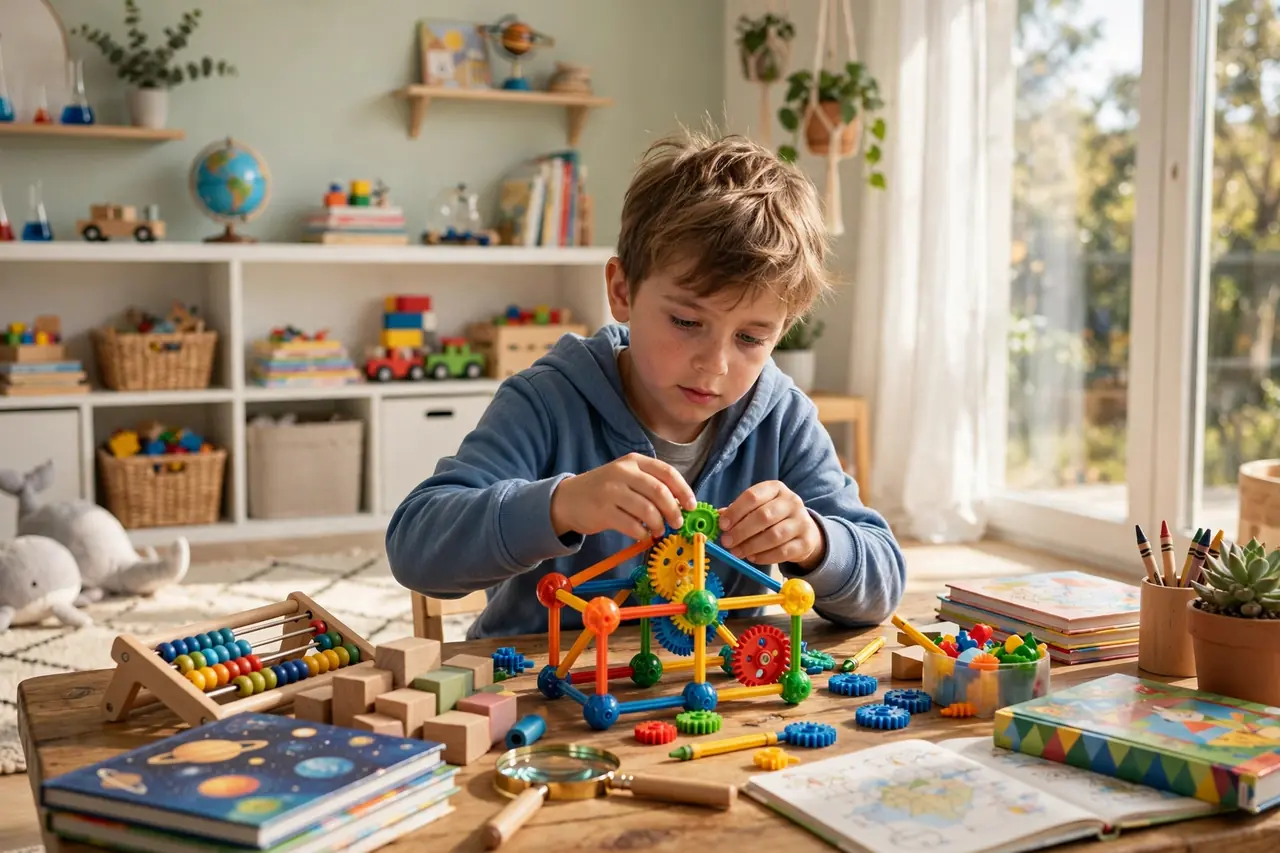
What if this Children’s Day, the gift you give could do double duty — delighting your child on the morning it is unwrapped and quietly building their brain for years afterward? Educational gifts have a reputation problem: too many parents picture workbooks and flashcards, and too many kids hear “educational” as code for “boring.” But the best educational gifts don’t feel educational at all. They feel like magic tricks, building adventures, art explosions, and delicious mysteries to solve.
This guide reframes educational gifting entirely. You will learn how to choose learning gifts that children genuinely beg to play with, discover more than 40 specific ideas organized by the skills they build, and get practical tools — including a learning-style matching table — to pick the perfect fit for your child. Whether you are shopping for a curious preschooler or a sharp tween, these are gifts that respect their intelligence while delivering pure joy.
Why Educational Gifts Are the Smartest Choice
Child development research consistently shows that the most powerful learning in childhood happens through play, not instruction. When a child builds a tower, they are doing physics. When they negotiate rules in a board game, they are practicing logic and social reasoning. When they mix paint colors, they are running chemistry experiments. Educational gifts simply give children richer materials for the play they were going to do anyway — and the learning rides along invisibly.
There is also a confidence dividend. A child who builds a working robot, grows a crystal, or finishes a challenging puzzle experiences something no worksheet can deliver: the earned pride of “I figured it out myself.” That feeling becomes part of their identity — “I am someone who can solve hard things” — and it transfers to school, sports, and friendships. A well-chosen educational gift is really a gift of self-belief disguised as a toy.
Finally, educational gifts tend to pass the longevity test better than pure entertainment toys. A single-trick gadget is thrilling for a week; an open-ended building set, a quality microscope, or a beloved book series gets revisited for years, revealing new layers as the child grows. On a cost-per-hour-of-engagement basis, they are among the best value gifts you can buy. For general age-by-age toy guidance, our gift guide for kids pairs well with the learning-focused picks below.
How to Choose Educational Gifts That Don’t Feel Like Homework
The secret is simple: lead with fun, let learning follow. Here are five principles for picking winners.
1. Follow the fascination, not the curriculum. Start from what your child already loves. Dinosaur obsession? Get the excavation kit and the paleontology books. Drawing constantly? Upgrade to real art supplies and a how-to-draw book. A gift that connects to an existing passion will be used; a gift chosen because “they should learn fractions” will gather dust.
2. Look for the “wow” payoff. The best learning kits end with something spectacular: erupting volcanoes, glowing crystals, a robot that actually walks, a loaf of bread they baked themselves. The payoff creates the memory; the process smuggles in the learning.
3. Choose open-ended over single-use. Building sets, art supplies, musical instruments, and construction toys can be used a thousand different ways. Single-answer puzzle boxes and one-time experiment kits are fun once. When in doubt, pick the gift with more possible outcomes.
4. Match the challenge level. Too easy is boring; too hard is frustrating. Aim for the sweet spot where they need a little help at first but can soon work independently. Age ranges on boxes are genuinely useful guides — and when between two levels, the slightly harder one usually wins if you will help at the start.
5. Consider the grown-up factor. Gifts that invite a parent to participate — a board game, a cooking project, a stargazing night — multiply their value. Shared learning builds connection alongside knowledge, and your enthusiasm is contagious. Many of our toddler activity ideas work on exactly this principle for younger children.
40+ Educational Children’s Day Gift Ideas
Every idea below is tagged with the primary skills it builds, so you can shop by what you want to nurture — or just browse for inspiration.
STEM and Building Gifts
1. Beginner robotics kit. Builds: engineering, sequencing, problem-solving. Kids assemble a real robot and program its movements with a visual coding app. The moment it responds to their commands, they understand cause and effect at a deep level — and they are hooked.
2. Magnetic tile construction set. Builds: spatial reasoning, geometry, creativity. Deceptively simple colorful tiles become castles, rockets, and marble runs. Children as young as three build intuitively; older kids engineer complex structures. Few toys scale across ages this well.
3. Snap-circuit electronics kit. Builds: electrical engineering basics, logical thinking. Color-coded components snap together to make lights blink, alarms sound, and fans spin — real circuits, zero soldering. It demystifies the technology inside every device they own.
4. Marble run engineering set. Builds: physics intuition, iterative design. Designing tracks that work requires hypothesis, testing, and revision — the scientific method disguised as play. Watching a marble complete a wild ride never gets old.
5. Bridge-building and structures kit. Builds: physics, patience, planning. Straws, connectors, and challenges (“build a bridge that holds this book”) teach structural thinking through friendly competition.
6. Coding board game. Builds: algorithmic thinking, planning ahead. Screen-free games that teach programming concepts — sequences, loops, debugging — through play. Ideal for kids not yet ready for (or needing a break from) screens.
7. Beginner’s telescope. Builds: astronomy, observation, wonder. The first view of the moon’s craters through their own telescope is a perspective-shifting moment. Pair with a constellation guide for ongoing adventures.
8. Architecture building set. Builds: design thinking, history, fine motor skills. Model kits of famous landmarks combine construction with stories about the real buildings — engineering plus geography plus history in one box.
Reading and Language Gifts
9. First chapter-book series. Builds: reading fluency, vocabulary, imagination. A series (not a single book) creates momentum — finishing one book makes them desperate for the next. Choose adventures with protagonists they can admire.
10. Personalized storybook. Builds: print motivation, self-concept. Seeing their own name as the hero makes the mechanics of reading feel magical rather than mechanical. Especially powerful for reluctant early readers.
11. Illustrated children’s atlas. Builds: geography, cultural awareness, curiosity. A beautiful atlas invites endless browsing — “where do penguins live?” becomes a 20-minute exploration. Look for one with fascinating facts, not just maps.
12. Word game collection. Builds: vocabulary, spelling, quick thinking. Bananagrams-style tile games and junior word games make language playful. Family game nights become stealth vocabulary lessons.
13. Audiobook subscription or player. Builds: listening comprehension, story sense. A kid-friendly audio player loaded with stories turns car rides and bedtime into literary adventures — and builds the attention span long books require.
14. Young journalist kit. Builds: writing, observation, interviewing. A nice notebook, fun pens, and a “press badge” inspire them to interview grandparents, review playgrounds, and publish a family newspaper. Writing with a real audience transforms the chore into a mission.
15. Poetry or joke book collection. Builds: phonemic awareness, humor, memorization. Silly poems and joke books get re-read dozens of times, and each re-reading builds fluency. The performance aspect — telling jokes to the family — builds confidence too. Book-loving families should also check out family book fair events for inspiration.
Arts and Creativity Gifts
16. Quality art supply set. Builds: color theory, fine motor control, self-expression. Real watercolors, pastels, and sketching pencils (not the waxy kid stuff) teach that their art deserves real tools. The upgrade in what they can create is immediate and thrilling.
17. Pottery or clay sculpting kit. Builds: 3D thinking, patience, planning. Working in three dimensions develops spatial skills that flat drawing can’t. Air-dry clay means their creations become permanent keepsakes.
18. Beginner musical instrument. Builds: pattern recognition, discipline, auditory processing. A ukulele, recorder, or keyboard with a beginner book opens the world of music. Research links music training to stronger math and language skills — and it is joyful.
19. Stop-motion animation kit. Builds: storytelling, technology skills, patience. With a simple app and some clay figures, kids direct their own movies. They learn framing, narrative, and the painstaking magic behind their favorite films.
20. Sewing or embroidery starter kit. Builds: fine motor skills, planning, practical craft. Following a pattern to create something wearable teaches sequencing and care. The pride of “I made this” is enormous.
21. Architecture drawing set. Builds: perspective, measurement, design. Rulers, protractors, and a guide to drawing buildings in perspective turn doodling into applied geometry.
22. Photography starter kit. Builds: observation, composition, visual storytelling. A kid-tough camera (or a supervised old phone) plus a photo challenge book — “photograph something tiny,” “capture joy” — trains them to really see the world.
Science and Nature Gifts
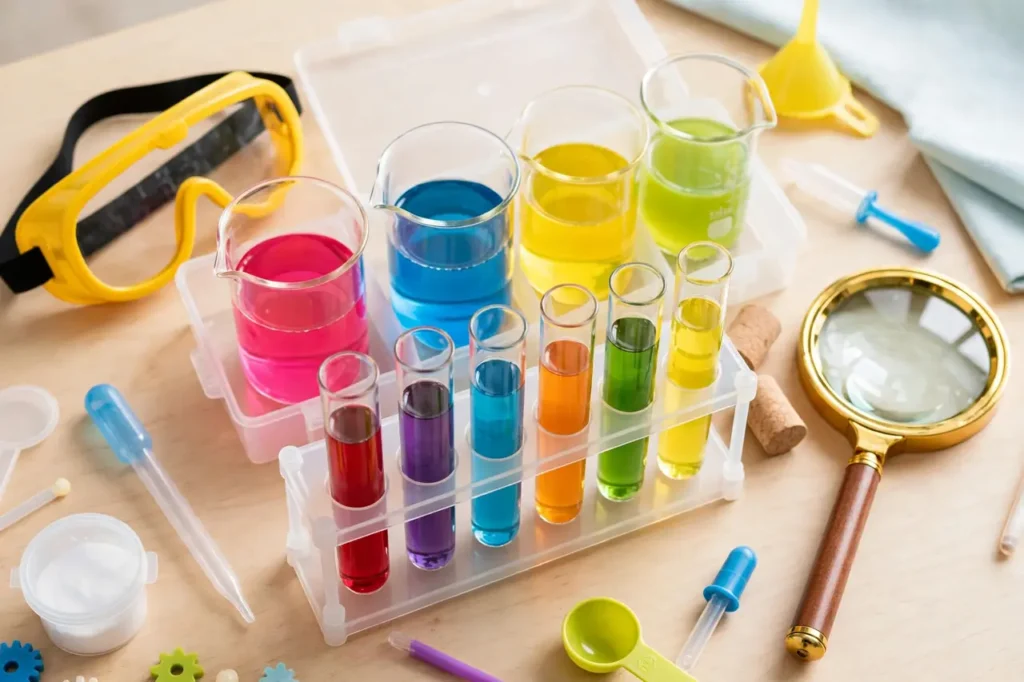
23. Crystal growing kit. Builds: chemistry concepts, patience, observation. Mixing solutions and waiting days for sparkling results teaches the scientific virtue of delayed gratification — with a gorgeous payoff.
24. Microscope with prepared slides. Builds: biology, observation skills, curiosity. The hidden world in a drop of pond water never fails to astonish. Real glass optics matter — blurry views kill the wonder.
25. Volcano eruption kit. Builds: earth science, cause and effect. Building the volcano is craft; the eruption is chemistry; the questions afterward (“why does that happen?”) are the real gift.
26. Gardening kit. Builds: biology, responsibility, patience. Seeds, soil, and a journal for recording growth. Watching something thrive because of their care is a profound lesson in cause and effect.
27. Rock and mineral collection kit. Builds: geology, classification, collecting skills. Real specimens with an identification guide turn any kid into a junior geologist. The included testing tools (streak plates, magnifiers) teach real scientific methods.
28. Weather station kit. Builds: meteorology, data recording, prediction. A rain gauge, thermometer, wind vane, and logbook make them the family’s official forecaster. Daily data collection builds genuine scientific habits.
29. Ant farm or butterfly garden. Builds: life cycles, empathy, observation. Watching metamorphosis or colony behavior unfold over weeks teaches more biology than any textbook chapter — because it is alive and theirs.
Logic, Puzzles, and Strategy Gifts
30. Strategy board game. Builds: planning, probability, graceful losing. Games with real depth reward thinking ahead and adapting. Regular family game nights build strategic minds — and wonderful memories.
31. 3D puzzle or brain teaser set. Builds: spatial reasoning, persistence. Metal disentanglement puzzles, wooden burr puzzles, and logic mazes teach that hard problems yield to patient thought. Deeply satisfying.
32. Chess set (quality). Builds: foresight, pattern recognition, concentration. A real weighted set (not a flimsy travel one) dignifies the game. Learning alongside a parent makes it a bonding ritual too.
33. Escape-room-in-a-box game. Builds: teamwork, lateral thinking, code-breaking. Cooperative puzzle games where the family solves mysteries together are thrilling — and everyone contributes differently.
34. Jigsaw puzzle (1000 pieces). Builds: patience, visual discrimination, teamwork. A challenging puzzle on the dining table becomes a family project over days. The slow progress teaches that big goals are achieved piece by piece.
35. Logic workbook disguised as fun. Builds: deductive reasoning. Look for puzzle books framed as mysteries or adventures rather than “workbooks.” The format matters enormously — same skills, totally different reception.
Money, Life Skills, and Real-World Learning
36. Kid’s cookbook with real recipes. Builds: math (measuring), chemistry (baking), independence. Cooking is delicious applied science. A cookbook written for kids, plus an apron and their own utensils, launches a lifelong skill.
37. Play cash register or pretend store. Builds: arithmetic, value concepts. For younger kids, running a pretend shop makes numbers meaningful. Add price tags and watch mental math develop through play.
38. Savings bank with goal tracker. Builds: financial literacy, delayed gratification. A clear bank where they watch savings grow, paired with a chart for a goal they chose. Real-world math with real-world stakes.
39. Beginner’s tool set. Builds: practical engineering, safety awareness, confidence. Real (kid-appropriate) tools and a first project — a birdhouse, a toolbox — teach that they can build and fix the physical world.
40. Star projector and constellation guide. Builds: astronomy, wonder, bedtime routine. A planetarium on the bedroom ceiling plus a guidebook creates a nightly ritual of curiosity. Falling asleep under the stars, even indoors, is magical.
Watch how sensory learning toys captivate young minds — this video shows educational gift principles in action with toddlers and preschoolers.
Matching Gifts to Your Child’s Learning Style
Children absorb the world differently. Matching the gift to how your child naturally learns dramatically increases the odds it becomes a favorite rather than a shelf decoration.
| Learning Style | How to Spot It | Best Gift Types | Top Picks From This List |
|---|---|---|---|
| Visual | Loves pictures, diagrams, colors; remembers what things look like | Art supplies, photography, building sets, atlases | Art set (#16), photography kit (#22), illustrated atlas (#11) |
| Hands-on (kinesthetic) | Learns by touching and doing; can’t sit still; takes things apart | Building kits, science experiments, instruments, gardening | Robotics kit (#1), snap circuits (#3), pottery (#17) |
| Verbal / reading | Loves stories, words, and explaining things; early talker | Book series, writing kits, word games, audiobooks | Chapter-book series (#9), journalist kit (#14), audiobooks (#13) |
| Logical | Asks “why” constantly; loves patterns, rules, and systems | Strategy games, coding, puzzles, math toys | Chess (#32), coding board game (#6), marble run (#4) |
| Nature-loving | Collects rocks and bugs; happiest outdoors | Gardening, nature kits, weather station, live habitats | Gardening kit (#26), rock collection (#27), butterfly garden (#29) |
| Social | Learns best with others; loves games and performances | Board games, group science kits, theater, cooking together | Strategy board game (#30), escape-room game (#33), cookbook (#36) |
Most children blend two or three styles — a hands-on visual learner, for instance, will adore building sets and art supplies. When in doubt, choose the gift that matches their strongest style and let the others develop naturally.
5 Tips for Giving Educational Gifts Successfully
1. Wrap it like a fun gift, not a school supply. Presentation signals how the gift should be received. Exciting wrapping, a treasure hunt, or a dramatic unveiling tells them this is going to be fun — before they even know what it is.
2. Do the first activity together. The first hour determines everything. Build the first robot together, do the first experiment side by side, read the first chapter aloud. Your involvement transforms “educational product” into “amazing thing we did.”
3. Never quiz; always wonder. After the gift, resist the urge to test what they learned. Instead, wonder aloud: “I wonder why the crystal grew faster on that side?” Curiosity is contagious; quizzes feel like school.
4. Let them lead — even into “wrong” uses. If the building set becomes a spaceship instead of the bridge in the instructions, celebrate it. Divergent use is creativity, and creativity is the whole point.
5. Display and celebrate their work. Hang the art, shelve the crystal, photograph the robot, taste the bread with ceremony. When their creations are treated as valuable, they internalize that learning produces things worth sharing. For more ways to celebrate kids’ achievements, explore our age-specific toy guides.
10 Low-Cost Educational Gifts That Punch Above Their Price
Some of the most powerful learning tools are also the cheapest. If your budget is tight — or you simply love a bargain — these under-$20 educational gifts deliver remarkable value.
Playing cards (and a book of card games). A simple deck teaches numbers, probability, strategy, and mental math through hundreds of games. It costs almost nothing and provides years of family entertainment.
A quality magnifying glass. Under $10, yet it transforms the backyard into a laboratory. Leaves, insects, newsprint, skin — everything becomes fascinating at 5x magnification. Pair it with a nature journal for a complete science kit.
Library card + reading challenge. Free, and arguably the greatest educational gift of all. Create a fun reading challenge with small rewards per book, and the library becomes a treasure hunt that never ends.
Measuring tape and notebook. A $5 measuring tape turns a child into a junior surveyor: measuring rooms, furniture, pets, and siblings. Add a notebook for recording data, and you’ve smuggled in math, estimation, and record-keeping.
Seed packets and a journal. A few dollars in seeds plus a growth journal teaches biology, patience, data recording, and responsibility. The daily observation habit is genuine scientific practice.
Sidewalk chalk + challenge cards. Write math challenges, spelling games, and drawing prompts on cards; she completes them in chalk on the driveway. Outdoor, active, educational — and ridiculously cheap.
A world map poster. A large, beautiful map on the bedroom wall invites endless exploration. Play “find the country” games, track news stories, and dream about travel — geography absorbed through curiosity.
Secondhand puzzle and board game haul. Thrift stores are treasure troves of barely-used educational games and puzzles at a fraction of retail. A $15 thrift haul can stock a game shelf for a year.
Kitchen science ingredients. Baking soda, vinegar, food coloring, and cornstarch cost pennies and fuel dozens of experiments — volcanoes, oobleck, color mixing. The kitchen is the original chemistry lab.
A star chart (printed free online). Print a monthly star chart, grab a blanket, and head outside. Learning constellations costs nothing and creates magical family memories under the night sky.
The lesson: educational value comes from engagement, not expense. A $5 magnifying glass in the hands of a curious child outperforms a $100 kit that sits on a shelf. Choose for curiosity, and the learning takes care of itself.
Frequently Asked Questions
Won’t my child be disappointed getting an “educational” gift?
Only if it feels like schoolwork in a box. Every gift on this list leads with fun — eruptions, robots, crystals, movies they direct themselves. The key is choosing based on their existing fascinations and presenting it with excitement. In practice, parents report that well-chosen learning gifts become the most-played-with items in the house, precisely because they offer deeper, longer-lasting engagement than single-trick toys.
What age should I start giving educational gifts?
From the very beginning — just match the form to the age. For toddlers, “educational” means sensory toys, stacking sets, and shape sorters (see our toddler activities). Preschoolers thrive with simple building sets and art supplies. Early school years are prime time for science kits and beginner robotics. Tweens can handle real tools, real instruments, and genuine coding. There is no minimum age for learning through play.
How do I choose between a fun toy and an educational gift?
This is a false choice — the best gifts are both. A marble run is a toy and a physics lesson. A robotics kit is a toy and an engineering course. Judge any candidate by the “engaged hours” test: which will they spend more total time with over the next year? Deep, open-ended playthings almost always win, and they happen to be the educational ones.
Are expensive STEM kits worth it, or will cheap ones do?
Quality matters more than price, but they often correlate. Blurry microscopes, flimsy robot parts, and confusing instructions kill enthusiasm fast. You don’t need the premium brand, but do read reviews focusing on durability and clarity of instructions. Mid-range kits from reputable educational toy makers usually hit the sweet spot of quality and value.
My child struggles in school. Will educational gifts help or add pressure?
Done right, they help enormously — because they rebuild the association between learning and joy. The critical rule: never frame the gift as remediation (“this will help your math”). Frame it as adventure (“let’s build a robot!”). Let them experience competence and curiosity on their own terms, and the confidence transfers to school naturally. If school struggles are significant, pair gifts with encouragement, not expectations.
How many educational gifts should I give at once?
One main gift is ideal. Multiple complex kits compete for attention, and half-finished projects teach the wrong lesson. Give one excellent learning gift with ceremony, do the first activity together, and let it breathe. You can always add the next one for a birthday or holiday.
What about screen-based educational gifts like coding apps?
Quality interactive media can be genuinely educational — coding apps, for instance, teach real logic. The same principles apply: look for open-ended creation (not just consumption), clear progression, and no manipulative reward loops. Balance screen learning with hands-on kits; the physical world teaches things no app can, like patience with real materials and the pride of tangible creation.
Can educational gifts work for teenagers?
Absolutely — just respect their maturity. Teens respond to real tools and genuine challenges: a quality camera, an Arduino starter kit, a real musical instrument, a cooking course, a telescope. Avoid anything packaged as “for kids,” and frame the gift around their emerging identity (“you’re ready for the real thing”). Experience-based learning gifts like workshops and classes are especially powerful at this age.
Give the Gift of Curiosity
The most valuable thing you can give your child this Children’s Day is not any single kit or book — it is the lived experience that learning is joyful, that curiosity gets rewarded, and that they are capable of figuring out hard, wonderful things. Every gift in this guide is a doorway into that experience.
Pick the fascination they already show, match it to their learning style with the table above, wrap it with ceremony, and spend the first hour exploring together. Years from now, they may not remember every gift they received — but they will remember the robot they built with you, the crystals that grew on their windowsill, and the feeling of discovering something amazing. That is the real curriculum of childhood, and you are their favorite teacher. Happy Children’s Day.