Valentine’s Day in Kyoto is romance in a minor key — quiet, deliberate, and deeply moving. While the rest of the world does Valentine’s with roses and candlelit dinners, Japan’s ancient capital offers something rarer: lantern-lit temple paths walked hand in hand, the hush of a Zen garden dusted with winter light, steam rising from a bowl of matcha shared in a 400-year-old teahouse. Add Japan’s unique Valentine’s customs — where the holiday revolves around chocolate with its own elaborate etiquette — and you have a Valentine’s experience unlike anywhere else on earth.
This guide covers Kyoto in February: what the city feels like in winter, the most romantic temples and experiences, how Japan actually celebrates Valentine’s Day (it’s probably not what you expect), where to eat and stay, and practical planning details for a seamless trip.
Kyoto in February: Winter’s Quiet Beauty
February is Kyoto’s most contemplative month. Daytime temperatures hover around 8–10°C (46–50°F), nights dip near freezing, and occasional snow transforms the temples into ink-wash paintings — Kinkaku-ji (the Golden Pavilion) under snow is one of Japan’s most photographed sights. Plum blossoms (ume) begin blooming in mid-to-late February, with Kitano Tenmangu shrine’s plum garden among the best viewing spots.
The real gift of February is emptiness. Kyoto’s famous sites — Fushimi Inari’s torii gates, Arashiyama’s bamboo grove, Kiyomizu-dera’s panoramic terrace — are mobbed in cherry-blossom season and autumn. In February, you can walk them in near-solitude, especially in the early morning. Hotel rates are at their annual low, restaurant reservations are easy, and the city’s pace slows to something meditative. For couples, it’s perfect: the city feels like it’s showing you its private self.
How Japan Celebrates Valentine’s Day: Chocolate Culture
Here’s what surprises most visitors: in Japan, Valentine’s Day is when women give chocolate to men — a custom dating to a 1950s confectionery marketing campaign that became one of the country’s most beloved traditions. The etiquette is elaborate: honmei-choco (“true feeling” chocolate) is given to romantic partners and handmade or carefully chosen; giri-choco (“obligation” chocolate) goes to colleagues and friends. Department stores transform into chocolate wonderlands each February, with depachika (basement food halls) hosting spectacular Valentine’s fairs.
Men reciprocate a month later on White Day (March 14), typically with gifts worth two to three times what they received — a custom called sanbai gaeshi (triple return). For visiting couples, this is a wonderful tradition to borrow: spend Valentine’s Day browsing a Kyoto depachika together, choosing chocolates for each other, and you’ve participated in the local ritual in the most romantic way possible. Our deeper dive into why Japanese women give chocolate on February 14 covers the full story.
Where is Kyoto? Find Your Bearings
Kyoto sits in Japan’s Kansai region on Honshu island, about 2 hours 15 minutes from Tokyo by Shinkansen (bullet train). It was Japan’s imperial capital for over 1,000 years, and its 17 UNESCO World Heritage sites — temples, shrines, and a castle — are the densest concentration of historic treasures in the country. The city is laid out in a grid that’s easy to navigate; the eastern Higashiyama district holds most of the famous temples, Arashiyama sits to the west, and downtown (Shijo/Kawaramachi) is the dining and shopping hub.
The Most Romantic Temples, Lanterns & Experiences
Fushimi Inari at Dawn
The shrine of 10,000 vermilion torii gates is Kyoto’s most iconic sight — and at 6:30 a.m. in February, you may have the lower trails nearly to yourselves. Walk hand in hand through the tunnel of gates as the light filters through; the full mountain hike takes 2–3 hours, but even the first 45 minutes deliver the magic. The fox statues, stone lanterns, and tiny shrines along the path make every turn photogenic.
Kiyomizu-dera’s Wooden Terrace
Kyoto’s most famous temple: a massive wooden stage jutting from the hillside, built without a single nail, offering panoramic views over the city. Arrive at opening (6 a.m.) for the terrace to yourselves, then wander down through the preserved streets of Sannenzaka and Ninenzaka — traditional wooden machiya houses, tea shops, and pottery stores — as the city wakes up.
Arashiyama Bamboo Grove (Early!)
The bamboo grove is otherworldly at dawn when the light slants through the stalks and the crowds haven’t arrived. Combine it with Tenryu-ji temple’s garden, then cross the Togetsukyo Bridge. For extra romance, the Sagano Romantic Train — a vintage open-air railway through the gorge — runs nearby (check winter schedules, as it may pause in the coldest weeks).
Pontocho Alley After Dark
This narrow lantern-lit alley along the Kamo River is Kyoto’s most romantic evening walk: traditional wooden buildings, the river glinting beside you, restaurants with glowing lanterns. In winter, many riverside restaurants set up enclosed terraces; in February you’ll mostly admire from the alley itself, which is atmospheric enough.

A Private Kaiseki Dinner
Kaiseki — Japan’s haute cuisine, a procession of small seasonal dishes — is the ultimate romantic dinner. Book a counter or private room at a Gion or Pontocho restaurant; the meal unfolds over two hours like a story. Expect ¥15,000–30,000+ per person at top establishments; excellent mid-range options exist around ¥8,000–12,000. Reserve well ahead — the best counters seat fewer than ten.
Soak in a Private Onsen
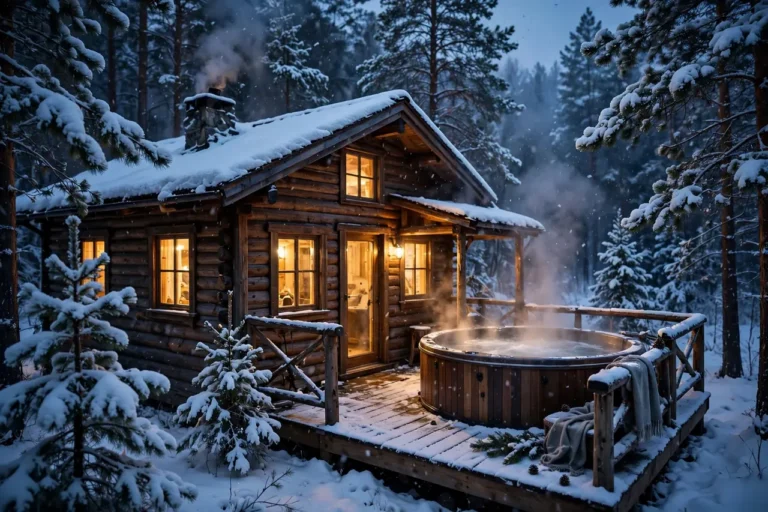
Many Kyoto ryokans (traditional inns) offer kashikiri — private reserved hot-spring baths for couples. Soaking together in steaming mineral water while snow falls (if you’re lucky) is peak winter romance. Day-use private onsen also exist at several Kurama-area ryokans, a 30-minute train ride north — Kurama’s outdoor mountain baths in February are unforgettable.
Tea Ceremony for Two
A private chanoyu (tea ceremony) in a machiya townhouse — whisking matcha yourselves under a tea master’s guidance — is intimate, beautiful, and deeply Kyoto. Several operators in Higashiyama offer couples’ ceremonies in English; book a day or two ahead.
Kyoto’s Romantic Calendar: Key Seasonal Highlights
| Experience | Where | February Timing | Romance Factor |
|---|---|---|---|
| Plum blossom viewing (ume) | Kitano Tenmangu Shrine | Mid-to-late February | High — fragrant, uncrowded |
| Snow-dusted temples | Kinkaku-ji, Kiyomizu-dera | After snowfall (unpredictable) | Very high — rare & magical |
| Illuminated winter temples | Various (check schedules) | Select evenings | High — lanterns in the dark |
| Private onsen soaking | Kurama, ryokans citywide | All February | Very high — steam & snow |
| Valentine’s chocolate fairs | Depachika food halls | Early-to-mid February | High — Japan’s unique ritual |
| Setsubun (bean-throwing festival) | Yasaka, Yoshida shrines | February 3 | Medium — festive & fun |
Where to Eat & Stay
Eating: beyond kaiseki, don’t miss Nishiki Market (“Kyoto’s Kitchen”) for daytime grazing, a bowl of yudofu (simmered tofu) in the temple district, and Kyoto-style ramen on Pontocho. For Valentine’s week, many hotel restaurants offer special dinner courses — book ahead. Staying: a ryokan night is the splurge worth making — tatami rooms, kaiseki dinner served in-room, private onsen, futons laid out while you dine (¥40,000–80,000+ per couple per night). Mid-range: machiya townhouse rentals in Higashiyama put you inside a piece of history (€150–300/night). Budget: excellent business hotels near Kyoto Station run €80–150/night with easy transit everywhere. Stay near a subway or train line — Kyoto’s buses are comprehensive but slow.
Watch: Kyoto in 4K — Temples, Lanterns & Itineraries
Preview the temples, torii gates, bamboo groves, and evening illuminations before you go — this detailed 4K Kyoto travel guide walks through Kinkaku-ji, Fushimi Inari, Gion, Arashiyama, and practical tips for first-timers:
Kyoto After Dark: Evening Strolls for Couples
Kyoto’s romance deepens after sunset, when the day-trip crowds thin and lantern light takes over. Pontocho Alley along the Kamo River glows with paper lanterns outside traditional restaurants — walk its narrow length slowly, then cross one of the bridges for river views. Yasaka Shrine and Maruyama Park stay atmospheric into the evening, especially if lanterns are lit for a seasonal event. The Kamo River banks near Demachiyanagi are a local couples’ favorite: sit on the riverbank steps with convenience-store snacks and watch the water. In winter, the early sunset means you get long evenings — perfect for a candlelit dinner in a machiya townhouse restaurant. Spring and autumn illuminations at temples like Kiyomizu-dera (check dates yearly, as schedules vary) are genuinely magical and worth planning around. Practical note: many smaller temples close by 5–6 PM, so plan temple interiors for daytime and save shrines, riverbanks, and lantern-lit lanes for the evening.
Frequently Asked Questions
Is Kyoto romantic for Valentine’s Day?
Deeply — though in a serene, contemplative way rather than a grand-gesture way. Lantern-lit temple paths, private onsen, kaiseki dinners, and uncrowded winter sights make February one of Kyoto’s most intimate months. Couples who value quiet beauty over nightlife will love it.
How do Japanese couples celebrate Valentine’s Day?
Women give chocolate to men — honmei-choco for romantic partners, giri-choco for colleagues. Couples often go on dates and exchange gifts, but the chocolate ritual is the centerpiece. Men reciprocate on White Day, March 14. Visitors can join in by choosing chocolates together at a depachika food hall.
What is the weather in Kyoto in February?
Cool winter weather: daytime highs around 8–10°C (46–50°F), nights near freezing, with occasional snow. Pack warm layers, a windproof jacket, and comfortable walking shoes. Plum blossoms begin appearing in mid-to-late February.
How many days do you need in Kyoto?
Three full days covers the essential temples, Arashiyama, and Gion; four to five days allows a slower pace plus day trips to Nara or Osaka. For a Valentine’s long weekend, three days hits the romantic highlights without rushing.
Is Kyoto crowded in February?
February is one of Kyoto’s quietest months — a major advantage. The famous sights that are packed in spring and autumn can be enjoyed in near-solitude, especially early in the morning. Hotel prices are also at their annual lowest.
Can non-Japanese speakers navigate Kyoto easily?
Yes — major temples, stations, and tourist areas have English signage, and transit announcements are multilingual. Learning a few phrases (arigatou, sumimasen) and downloading an offline translation app covers the rest. Restaurant menus in tourist areas often have English or picture menus.
A 3-Day Romantic Kyoto Itinerary for Valentine’s Week
| Day | Morning | Afternoon | Evening |
|---|---|---|---|
| Day 1 — East Kyoto | Kiyomizu-dera at opening; walk down Sannenzaka & Ninenzaka | Kodai-ji temple & Entoku-in garden; tea & sweets break | Pontocho Alley stroll; kaiseki dinner |
| Day 2 — North & West | Fushimi Inari at dawn (torii gates, near-empty) | Kinkaku-ji (Golden Pavilion); Ryoan-ji rock garden | Gion walk; private tea ceremony or izakaya dinner |
| Day 3 — Arashiyama & Romance | Bamboo grove at dawn; Tenryu-ji garden | Sagano Romantic Train; monkey park or river walk | Private onsen (Kurama or ryokan); farewell dinner |
Kyoto After Dark: Lanterns, Illuminations & Night Magic
Kyoto’s romance deepens after sunset. Temple illuminations: several temples hold winter light-up events — check schedules, as they vary yearly; Kodai-ji’s night illumination with its bamboo grove glowing is particularly romantic. Yasaka Shrine at night: the lantern-lit stage and vermilion gates of Gion’s guardian shrine are magical after dark and free to visit. Pontocho and Gion by lamplight: the wooden machiya, paper lanterns, and glimpses of geiko and maiko hurrying to appointments — evening is when the old city feels most alive. The Kamo River: walk the riverside path after dinner; in February it’s quiet, the water reflects the city lights, and the winter air is crisp and clear. A nightcap in a machiya bar: tiny bars tucked into century-old townhouses — some seat fewer than ten people — serve Kyoto craft sake and whisky in unforgettable settings. Ask your hotel for a recommendation; the best ones don’t advertise.
Day Trips from Kyoto for Couples
Nara (45 minutes): bowing deer, the Great Buddha at Todai-ji, and lantern-lit Kasuga Shrine — an easy, enchanting half-day. Uji (20 minutes): Japan’s green-tea capital — riverside temples, tea houses, and the stunning Byodo-in (the temple on the 10-yen coin). Quiet and romantic. Osaka (30 minutes): Kyoto’s extroverted neighbor — street food in Dotonbori, the aquarium, and a completely different energy for contrast. Kobe (75 minutes): harbor views, the famous beef (splurge on it once), and the Arima hot springs nearby. Each is an easy train ride — Kyoto’s location makes it the perfect base for exploring Kansai together.
Kyoto doesn’t shout its romance; it whispers it — in the steam over a tea bowl, in lantern light on old wood, in the hush of a temple garden with snow on the pines. Come in February, when the crowds are gone and the city is at its most honest, and you’ll experience a Valentine’s Day that recalibrates what romance can feel like: not grand gestures, but shared stillness in a beautiful place. To continue exploring Japan’s love customs, read about White Day on March 14, browse our Valentine’s date ideas for the rest of your trip, or dive into Valentine’s traditions around the world.
Kyoto’s Gardens: Romance in Every Season
Kyoto’s gardens are love letters written in stone, water, and moss — and February shows them at their most austere and beautiful. Ryoan-ji: the famous rock garden — fifteen rocks on white gravel, arranged so you can never see all fifteen at once. Sit on the veranda together and contemplate which rock is hidden; it’s a meditation and a conversation in one. Saiho-ji (the Moss Temple): requires advance reservation (book weeks ahead), but the 120 varieties of moss in a hushed forest garden are otherworldly — and the required sutra-copying before entry is a strangely intimate shared ritual. Ginkaku-ji (Silver Pavilion): the sand garden’s meticulously raked cones and the moss garden’s winding paths are at their most sculptural in winter light. Tenryu-ji in Arashiyama: one of Japan’s oldest and most beautiful landscape gardens, designed in the 14th century around a central pond — combine with the bamboo grove next door. Entoku-in: a small sub-temple near Kodai-ji with illuminated gardens and far fewer visitors than its famous neighbors — a hidden gem for couples who’ve done the big names.
Shopping for Love: Kyoto’s Most Romantic Souvenirs
Matcha and tea wares: high-grade Uji matcha and a pair of handmade chawan (tea bowls) — a daily ritual you’ll share for years. Tenugui: beautiful hand-dyed cloths, inexpensive and endlessly useful. Kyo-yaki pottery: Kyoto’s ceramic tradition — a pair of sake cups or rice bowls made by a local artisan. Wagashi: traditional sweets from a centuries-old shop like Kagizen Yoshifusa — edible art, best eaten fresh. Furoshiki: wrapping cloths in gorgeous patterns — the gift wrap becomes part of the gift. Incense: Kyoto is Japan’s incense capital; a set from a historic maker like Shoyeido brings the city’s temples home. Shop on Teramachi and Shinmonzen streets for antiques, Nishiki Market for food gifts, and the station’s underground mall for depachika chocolates — including Valentine’s-season limited editions you can’t get anywhere else.
Kyoto Etiquette: Small Things That Matter
Temple manners: bow slightly before entering, keep voices low, never photograph where signs forbid it, and don’t touch sacred objects. Geiko and maiko: in Gion, you may spot geiko (Kyoto’s geisha) — admire respectfully, never block their path or chase them for photos; they’re artists going to work. Onsen etiquette: wash thoroughly before entering, no swimsuits, keep towels out of the water, and tattoos may be restricted at some public baths (private kashikiri baths sidestep this). Dining: say itadakimasu before eating, don’t stick chopsticks upright in rice, and don’t pass food chopstick-to-chopstick. The deeper rule: quiet consideration — keeping your voice down on trains, carrying your trash, being punctual — is noticed and appreciated. Couples who move through Kyoto with grace find the city opens to them in return.
Kyoto for Different Travelers
First-timers: follow the 3-day itinerary above — it hits the essential temples without exhaustion. Don’t try to “do” all 17 UNESCO sites; depth beats breadth. Repeat visitors: skip the famous five and explore Ohara’s mountain temples, the sake breweries of Fushimi, Kurama’s hot springs, and the Philosopher’s Path at dawn — the Kyoto that locals love. Photographers: February’s low light, morning mist, and occasional snow are gifts — Fushimi Inari at dawn, Kinkaku-ji after snowfall, Pontocho’s lanterns at blue hour. Food-focused couples: build the trip around meals — a kaiseki dinner, a Nishiki Market grazing day, a tofu specialist lunch, a sake tasting in Fushimi, and the depachika chocolate halls in Valentine’s season. Budget travelers: Kyoto is kind to budgets — many temples are free or cheap, business hotels are excellent, convenience-store breakfasts are genuinely good, and the city’s beauty costs nothing. Luxury seekers: a top ryokan with private onsen, a private tea ceremony, a hired guide for a day, and kaiseki at a Michelin-starred counter — Kyoto does luxury with unmatched grace.
Learning a Little, Loving a Lot: Cultural Deep Dives
The tea ceremony’s meaning: chanoyu is built on four principles — harmony, respect, purity, tranquility. Understanding this transforms it from “bitter green tea” into a meditation you’ll remember. Zen and the gardens: rock gardens like Ryoan-ji aren’t decorations — they’re koans in stone, designed to resist interpretation. Sit with that instead of solving it. The geiko world: Kyoto’s geiko and maiko are highly trained artists — dance, music, conversation — not the clichés of old films. The Gion Corner theater offers an accessible introduction. Craft Kyoto: the city is Japan’s craft capital — take a workshop (pottery, indigo dyeing, wagashi sweets) and make something together. The object you bring home carries the memory of making it. Reading list for the flight: a little context deepens everything — even a single guidebook chapter on Kyoto’s history makes the temples resonate differently. The couples who learn a little love a lot — curiosity is the most romantic luggage.
Useful Japanese Phrases for Couples
A few phrases enrich every interaction: Arigatou gozaimasu (thank you very much), Sumimasen (excuse me / sorry), Oishikatta desu (it was delicious — say it to the chef), Kirei desu ne (it’s beautiful, isn’t it — perfect for temples together), Kanpai (cheers), and Aishiteru (I love you — rarely said aloud in Japan, which makes whispering it at Fushimi Inari at dawn all the more meaningful). The effort matters more than perfection; Kyoto rewards the attempt with warmth.
When to Visit Kyoto: A Month-by-Month Note for Romantics
February’s quiet temples suit couples who value intimacy over spectacle — but it’s worth knowing the alternatives. Late March to early April brings the famous cherry blossoms (and the year’s biggest crowds and prices). May offers fresh greenery and comfortable weather. June is rainy but lush and crowd-free. November’s autumn colors rival spring’s blossoms for beauty. December brings illuminations and festive atmosphere. For Valentine’s Day itself, February remains the connoisseur’s choice: the city at its most peaceful, prices at their lowest, and moments — like snow on the Golden Pavilion or plum blossoms at Kitano Tenmangu — that the peak seasons can’t offer. Whichever month you choose, Kyoto rewards the traveler who slows down.