Planning a Halloween party for kids is pure joy — and pure logistics. The difference between a magical afternoon and a chaotic one usually comes down to structure: the right activities in the right order, food that fuels fun without fueling meltdowns, and a timeline built around short attention spans. These halloween party ideas for kids cover everything: age-by-age guidance, six complete party themes with games and crafts, allergy-friendly food plans, safety checklists, and minute-by-minute timelines for toddlers through tweens. Whether you’re hosting five kids in a living room or twenty in a backyard, you’ll find a plan that fits.
The Golden Rules of Kids’ Halloween Parties
- Keep it short: 2 hours for ages 3–6, 2.5–3 hours for ages 7–12. Longer parties don’t mean more fun — they mean tired kids and frayed parents. A party that ends while everyone still wants more is a triumph.
- Structure beats free play: Kids this age need a rhythm — active game, calm craft, snack, active game, calm activity. Unstructured time longer than 15 minutes dissolves into chaos (and someone always cries).
- Time it right: Late morning (10 AM–12 PM) or mid-afternoon (2–4 PM) parties avoid overtired evenings. Weekend afternoons are the sweet spot — and daylight makes everything safer and easier to photograph.
- Over-plan, then cut: Prepare 6–7 activities for a 2-hour party and expect to use 4–5. Having extras prevents the dreaded “now what?” gap; nobody minds if you skip two.
- Feed them before the sugar: Serve real food first, treats second. Kids who eat lunch before cake have dramatically fewer crashes. This single rule prevents more meltdowns than any other.
- Every child leaves with something: A small favor bag (stickers, a mini pumpkin, a craft they made) means no one goes home empty-handed — and the craft they made during the party doubles as the favor, saving you money.
If you’re pairing the party with a day out, our guide to Halloween events for kids is perfect for planning a morning activity before an afternoon party — or a weekend outing to extend the celebration.
Age-by-Age: What Actually Works
Ages 2–4 (toddlers and preschoolers): Keep everything gentle and short — 90 minutes maximum. Activities: sticker decorating pumpkins (no carving, no paint mess — stickers only), a costume parade with music, bubble “ghost” chasing, and a sensory bin with dried corn kernels and hidden plastic spiders. Avoid: anything scary, competitive games with winners and losers, face paint on reluctant toddlers, and dim lighting. Every activity needs a parent nearby. Favors: board books, crayons, or snack cups.
Ages 5–7: The golden age of Halloween parties — old enough for real games, young enough to believe in the magic. 2 hours. Activities: pin-the-hat-on-the-witch, pumpkin bowling (plastic pins, mini pumpkins), mummy wrap races (toilet paper, teams of two), simple crafts like paper-bag puppets. Scare level: silly-spooky only — friendly ghosts, goofy monsters. This age loves a costume parade with applause for everyone.
Ages 8–10: Ready for mild thrills and real competition. 2.5 hours. Activities: scavenger hunts with clues, “fear factor” touch boxes (peeled grapes as eyeballs, cold spaghetti as brains — always reveal what’s inside afterward so nobody’s actually scared), relay races, and craft stations with more complexity (decorate-your-own treat bag, slime making). They’re old enough for a slightly spooky story corner with the lights low — but keep an opt-out available.
Ages 11–13 (tweens): Too cool for kiddie games, not ready for teen parties. 2.5–3 hours. Activities: murder-mystery-lite games, escape-room-style puzzle boxes, horror-movie trivia (age-appropriate films), pumpkin carving contest with real tools (supervised), photo booth with props and a hashtag. Let them have more free time than younger kids — tweens socialize differently, and hovering kills the vibe. Scare level can go up a notch, but check with parents about horror tolerance.
Theme 1: Friendly Monster Mash (Ages 3–7)
Decor: Bright, not dark — orange, purple, and green with smiling monster faces, balloons, and paper chains the kids can help make beforehand. Keep lighting normal; darkness frightens this age group.
Activities: Monster freeze dance (music stops, everyone freezes as a monster), pin-the-eye-on-the-monster, monster craft (paper plate monsters with googly eyes), and a monster parade.
Food: Monster-face pizzas (English muffins with olive eyes and pepperoni mouths — kids assemble their own), fruit “monsters” (banana ghosts with chocolate chip faces), green “slime” punch (lemon-lime soda with sherbet).
Timeline (2 hours): 0:00 arrival and free coloring; 0:15 monster parade with music; 0:30 freeze dance; 0:45 craft; 1:05 food; 1:30 pin-the-eye game; 1:45 cake/treats and favors; 2:00 pickup.
Theme 2: Pumpkin Patch Party (Ages 4–9)
Decor: Turn your space into a patch — hay bales or blankets on the floor, scattered mini pumpkins, orange and brown tones, a “pick your pumpkin” station.
Activities: Each child picks a mini pumpkin on arrival and decorates it (stickers and markers for young kids, paint for older ones) — this is the craft AND the favor. Pumpkin bowling, pumpkin ring toss (glow bracelets over pumpkin stems), and a pumpkin seed counting jar for guessing.
Food: Pumpkin-shaped cheese balls, pumpkin muffins, apple cider, and “dirt cups” (chocolate pudding with crushed cookies and gummy worms).
Timeline (2 hours): 0:00 pumpkin picking and decorating; 0:35 bowling tournament; 0:55 food; 1:15 ring toss; 1:30 seed-jar guessing and prizes; 1:45 treats; 2:00 pickup with pumpkins in hand.
Theme 3: Mad Scientist Laboratory (Ages 6–11)
Decor: Lab coats optional — set up “experiment stations” with beakers (plastic), test tubes with colored water, caution tape, and bubbling dry-ice displays (handled by adults only, kept out of reach).
Activities: Slime making (the headliner — pre-measure ingredients into individual cups), fizzing potion experiments (baking soda + vinegar + food coloring in test tubes), “monster hand” ice melting race (freeze small toys in water-filled gloves, kids race to melt them out), and create-a-creature craft (combine animal part cutouts into new monsters).
Food: “Lab snacks” with labels — petri-dish cookies (sugar cookies with gel icing “cultures”), test-tube treats (candy in plastic test tubes), bubbling punch.
Safety note: All experiments use food-safe ingredients only. Dry ice displays are look-don’t-touch, managed by an adult. No real chemicals, ever.
Timeline (2.5 hours): 0:00 arrival and creature craft; 0:25 slime lab; 0:55 food; 1:15 potion experiments; 1:40 monster-hand race; 2:00 treats and favors; 2:15 pickup.
Theme 4: Witch’s Apprentice Academy (Ages 5–10)
Decor: Purple and black with stars, a “sorting” station at the door (kids draw a house/badge — Sparkle Witches, Brave Wizards, etc.), broomsticks crossed over the entrance, potion bottles as centerpieces.
Activities: Wand making (dowels + ribbon + star toppers — the favor), “potion class” (mixing juices and sodas with dry garnishes, each child names their potion), broomstick relay races, and a scavenger hunt for “spell ingredients” hidden around the space.
Food: “Witch hat” treats (chocolate-dipped cone hats on cookies), broomstick snacks (pretzel sticks with cheese “bristles”), purple grape juice “potion,” and sandwich “spell books.”
Timeline (2 hours): 0:00 sorting and wand making; 0:30 potion class; 0:50 food; 1:10 broomstick relays; 1:30 scavenger hunt; 1:50 graduation ceremony (certificates!) and treats; 2:00 pickup.
Theme 5: Spooky Carnival (Ages 7–12)
Decor: Carnival booths with a Halloween twist — striped tablecloths in orange and black, ticket booth at the entrance (print tickets — kids love them), string lights, prize table.
Activities: Set up 4–5 booths kids rotate through: bean-bag ghost toss, “witch hat” ring toss, guess-the-candy-corn-count jar, face painting station (simple designs — see our kids’ makeup guide), and a photo booth. Give each child a ticket strip; completed booths earn prize-table picks. This format is brilliant because it runs itself once set up — station an adult or teen helper at each booth.
Food: Carnival food, Halloween edition — popcorn boxes, mini corn dogs “mummy dogs” (wrapped in crescent dough strips), caramel apples, cotton candy if you’re ambitious, lemonade and cider.
Timeline (2.5 hours): 0:00 tickets and booth rotation; 0:50 food; 1:10 more booths + face paint; 1:50 prize table; 2:05 cake; 2:20 final booth free-play; 2:30 pickup.
Theme 6: Glow-in-the-Dark Ghost Hunt (Ages 8–13, Evening)
Decor: Black lights, glow sticks everywhere, neon tape marking paths, white sheets as ghosts glowing under black light. This is the rare kids’ theme that works better after dark — schedule 5:30–8:00 PM.
Activities: The headliner is a glow scavenger hunt — hide glow-in-the-dark objects and clue cards around the yard or house, teams follow clues to a “treasure” (the favor bags). Add glow bowling (water bottles with glow sticks inside), glow-stick ring toss, and a dance party under black lights.
Food: “Glow” treats — tonic water glows under black light (tonic-water ice cubes in lemonade!), white-frosted ghost cookies, popcorn in glow cups.
Safety note: Evening party means lighting paths clearly, adult supervision at all boundaries, and glow bracelets on every child so they’re visible. Keep the hunt area contained and pre-walked for hazards.
Timeline (2.5 hours): 0:00 arrival, glow gear, rules; 0:20 glow hunt; 1:00 food; 1:25 glow bowling; 1:50 dance party; 2:15 treats and treasure; 2:30 pickup.
Allergy-Friendly Food: Feeding Every Kid Safely
Food allergies are common enough that every kids’ party plan must account for them — ask about allergies on the invitation RSVP, don’t wait for party day. The big ones: peanuts/tree nuts, dairy, eggs, gluten, and sesame.
- Label everything: Simple tent cards listing ingredients (or at least top allergens) for each dish. This takes 10 minutes and prevents 100% of “can I eat this?” anxiety.
- Build the menu around naturally safe foods: Fruit platters, veggie cups, popcorn (check for dairy flavoring), and build-your-own stations where kids control ingredients are inherently more inclusive than pre-made mixed dishes.
- Keep one allergen-free treat table: A small separate table with nut-free, dairy-free, gluten-free options means no child watches others eat while they get nothing. Many brands now label “free from” clearly — stock up in the UK, US, Canada, and Australia alike.
- Separate serving tools for allergen-free dishes to prevent cross-contact.
- Non-food treats for favors: Stickers, temporary tattoos, mini pumpkins, glow sticks, and craft supplies sidestep every food issue and last longer than candy anyway.
- EpiPen awareness: If a guest has a severe allergy, know where their EpiPen is and who’s trained to use it. Ask the parent at drop-off — they’ll appreciate being asked.
Safety Checklist: The Non-Negotiables
- Supervision ratios: For under-5s, aim for 1 adult per 3–4 kids (ask a few parents to stay). For 6+, 1 per 6–8 works if activities are structured.
- Costume safety: Mention on the invite: no masks that block vision for active games, no long trailing fabric near candles (use LED candles only), comfortable shoes for running games.
- Choking hazards: For under-4s, avoid small candies, whole grapes (slice them), popcorn (a choking risk for toddlers), and small toy favors. When in doubt, ask the parents.
- Secure the space: Gate stairs, lock rooms that are off-limits, cover outlets if toddlers attend, secure backyard boundaries, and put away anything breakable at kid height.
- First aid: Have a basic kit accessible — bandages, antiseptic wipes, ice packs. Someone always skins a knee during relay races.
- Pickup plan: Only release children to authorized adults. For school-age parties, confirm pickup arrangements in the RSVP — don’t assume.
- Pet plan: Even friendly pets get stressed by 15 excited kids in costumes. Give pets a quiet room for the party’s duration.
Worldwide Notes: Kids’ Halloween Parties Around the Globe
Children’s Halloween looks different everywhere, and local context shapes your party. In the United States, the afternoon kids’ party + evening trick-or-treating combo is classic — schedule parties to end with time to spare before dark. In the UK, Halloween often falls in half-term, so daytime parties during the school holiday week are the norm, and “guising” (the Scottish/Irish tradition of performing for treats) makes talent-show party games feel traditional. In Canada, late-October weather pushes parties indoors — the carnival and mad-scientist themes are perfect for basements and community rooms. In Australia and New Zealand, spring weather means outdoor parties shine — the glow-hunt and pumpkin-patch themes work brilliantly in backyards. In Mexico, early November brings Día de los Muertos — family celebrations often blend Halloween fun with the beautiful traditions of remembrance, and sugar-skull crafts make wonderful respectful party activities for older kids learning about the tradition. Wherever you are, the universal rule holds: short, structured, fed-first, and every child leaves happy. For daytime outings to pair with your party, check family Halloween events in New York — or find your city’s equivalent — and for caption-worthy lines on the invitations, our Halloween quotes for kids have you covered.
In Pictures: Halloween Party Ideas for Kids
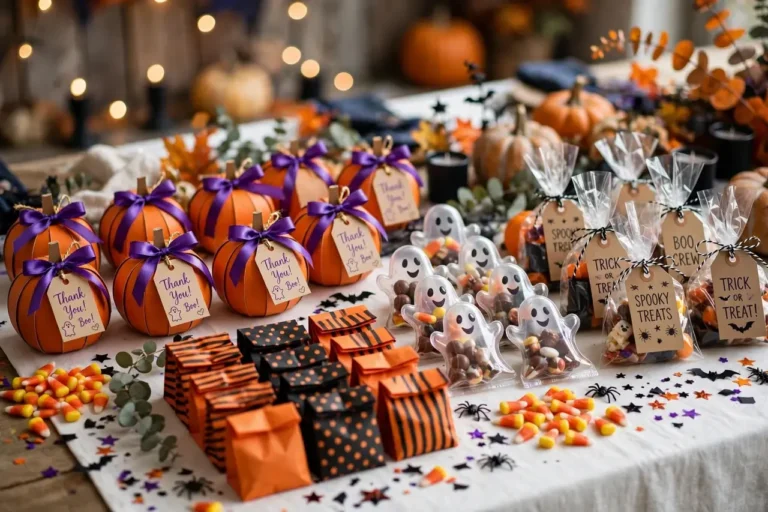
The golden rules of kids’ Halloween parties: keep it spooky-cute (never scary), keep them busy, and keep the sugar plan sane.
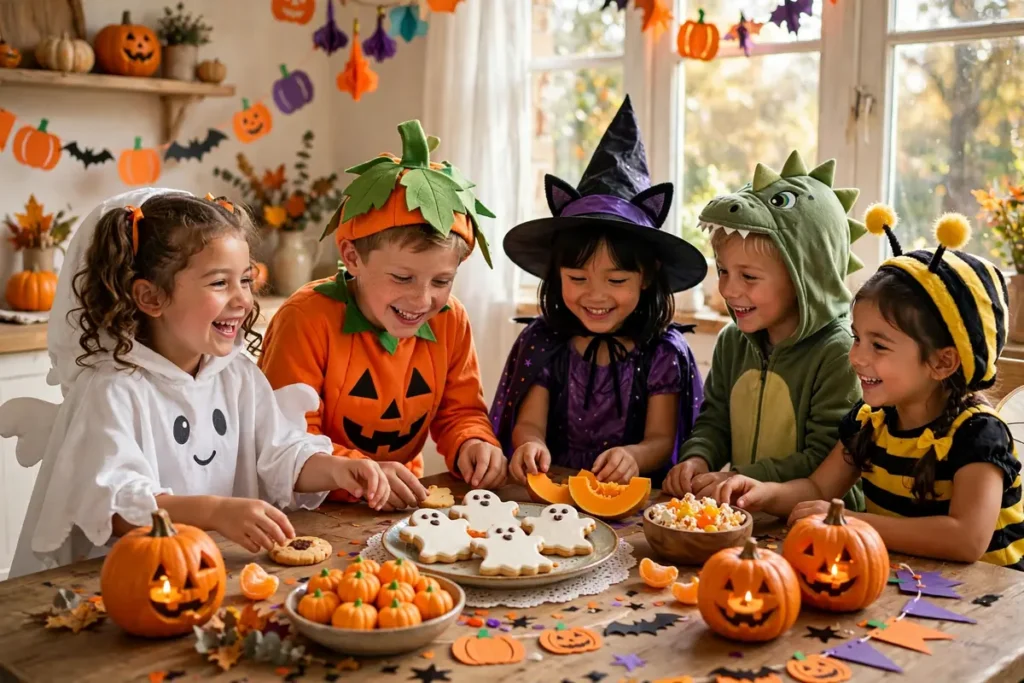
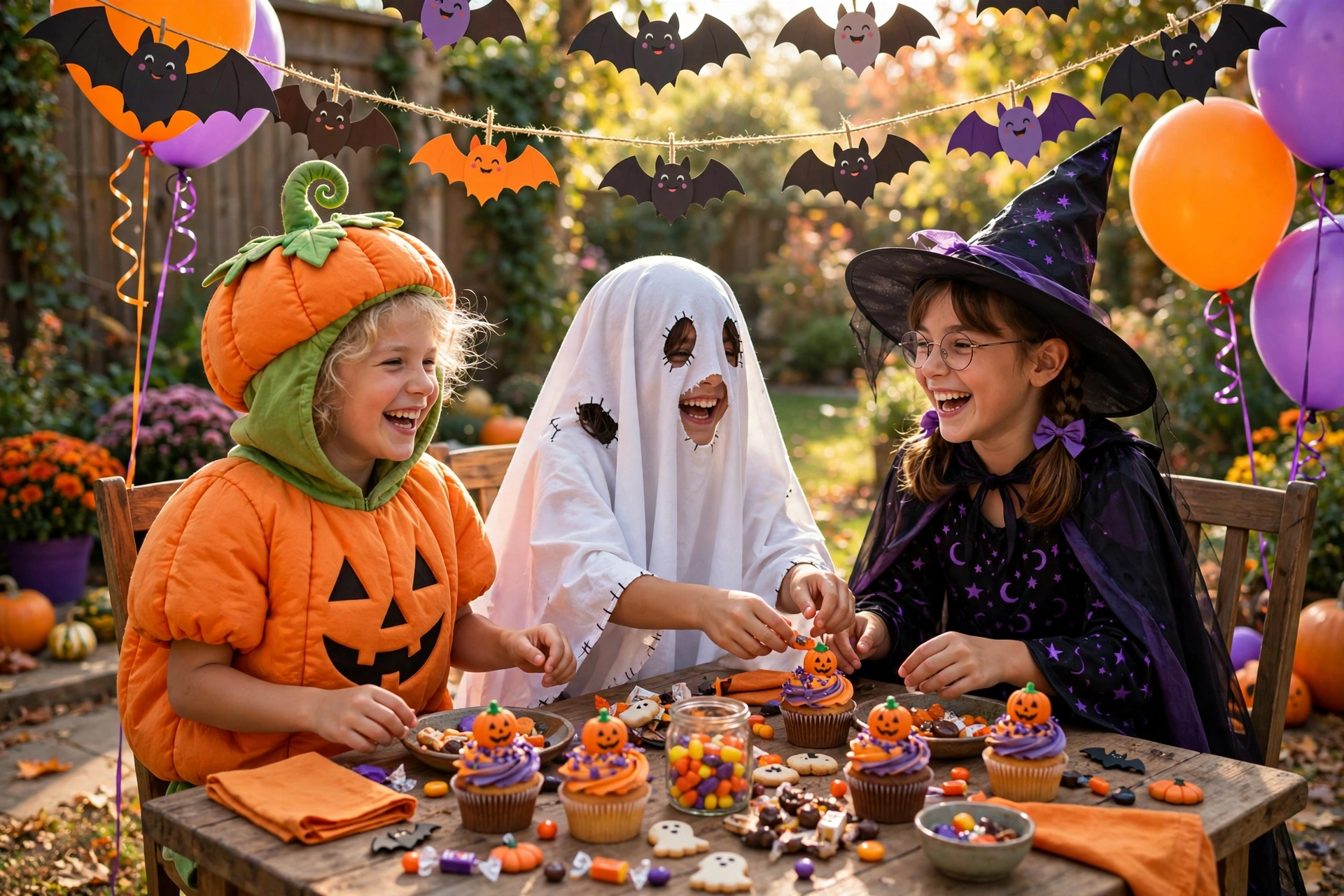
A cheerful kids’ Halloween party — costumed children, pumpkin snacks, and friendly decorations.
Watch: Halloween Party Ideas for Kids
Quick and easy DIY Halloween party ideas for kids — decorations, food presentation, and activities.
At a Glance: Halloween Party Ideas for Kids
DIY ideas from the video (via the Party Characters for Kids summary).
| Idea | How | Detail |
|---|---|---|
| Ghostly treasure hunt | Paint spooky faces on plastic Easter eggs | Fill with candy corn; hide around the house |
| Spiderweb walls | Masking tape webs + fake spiders | Cheap, removable, dramatic |
| Pumpkin serving dish | Serve soup or punch in a carved pumpkin | Festive and functional |
| Creepy cutlery | Glue plastic eyeballs on plates/utensils | Kids love the gross-out factor |
| Host costume | Dress to the haunted theme | The host sets the tone |
| Age rule | Spooky-cute for under-8s | Save the scary for older kids |
Frequently Asked Questions
How long should a kids’ Halloween party last?
90 minutes for ages 2–4, 2 hours for ages 5–7, and 2.5–3 hours for ages 8–13. Shorter is almost always better — a party that ends while energy is still high leaves everyone happy. Plan 6–7 activities and expect to use 4–5; having spares prevents dead time.
What food should I serve at a kids’ Halloween party?
Serve real food before treats — pizza, sandwiches, or build-your-own stations first, then cake and candy. Always ask about allergies in the RSVP, label everything, and keep an allergen-free option available so no child is left out. Fruit, popcorn, and veggie cups are safe crowd-pleasers across age groups.
How do I keep kids entertained without it getting chaotic?
Alternate active and calm activities in 15–20 minute blocks: game, craft, snack, game, craft. Never leave more than 15 minutes unstructured. Over-plan activities so you always have a next thing ready, and have a “reset” activity (coloring, sticker sheets) for transitions between bigger events.
Should I let parents stay at the party?
For under-5s, yes — require it, both for supervision ratios and separation anxiety. For ages 6–8, make it optional but welcome. For 9+, drop-off is normal, but always have contact numbers and allergy info for every child. Stating the policy on the invitation avoids awkwardness at the door.
What’s a good favor bag for a kids’ Halloween party?
The craft they made at the party is the best favor — it cost you nothing extra and they’re proud of it. Supplement with stickers, temporary tattoos, glow sticks, mini pumpkins, or crayons. Non-food favors sidestep all allergy issues and outlast candy. Keep it small: 3–4 items is plenty.
How scary should a kids’ Halloween party be?
Match the scare level to the youngest guest: silly-spooky (friendly ghosts, goofy monsters) for under-7s, mild thrills (spooky stories with opt-outs, “fear factor” touch boxes where you reveal the trick) for 8–10s, and a notch higher for tweens with parent awareness. When in doubt, go less scary — a frightened child doesn’t enjoy the party, and their parents won’t forget it.
The Takeaway
Great kids’ Halloween parties run on structure, not budget: short timelines, alternating active and calm activities, real food before sugar, allergy awareness, and a favor in every hand at pickup. Pick the theme that matches your age group, prep two more activities than you need, and remember that the kids will remember how the party felt — exciting, safe, and fun — long after they forget the decorations. For free inspiration to extend the celebration, browse our free Halloween events — many are perfect for a family outing the weekend before your party.
Party Favors & Goodie Bags on a Budget
Favors don’t need to be expensive — they need to be thoughtful. Here’s how to do them well for under $2–3 per child:
- The craft-is-the-favor strategy: The decorated pumpkin, the wand, the slime, the painted treat bag — each theme in this guide already produces a take-home item. Lead with that and add just 2–3 small extras. This is the single best favor-budget move.
- Best low-cost fillers: Halloween stickers and temporary tattoos (pennies each in bulk), glow sticks or bracelets, mini pumpkins or gourds (often under $1 each in October), crayon packs, small notebooks, bubble wands, and playdough mini-tubs. All allergy-safe, all longer-lasting than candy.
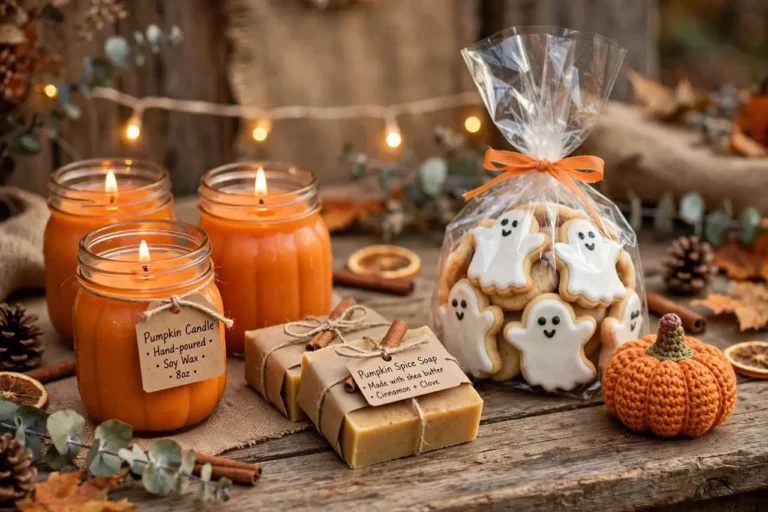
- The bag itself: Paper lunch bags decorated at a craft station during the party (doubles as an activity), orange organza bags, or small plastic pumpkins from the dollar store. Let kids decorate their own bag as the arrival activity — it kills the awkward first 15 minutes while everyone arrives.
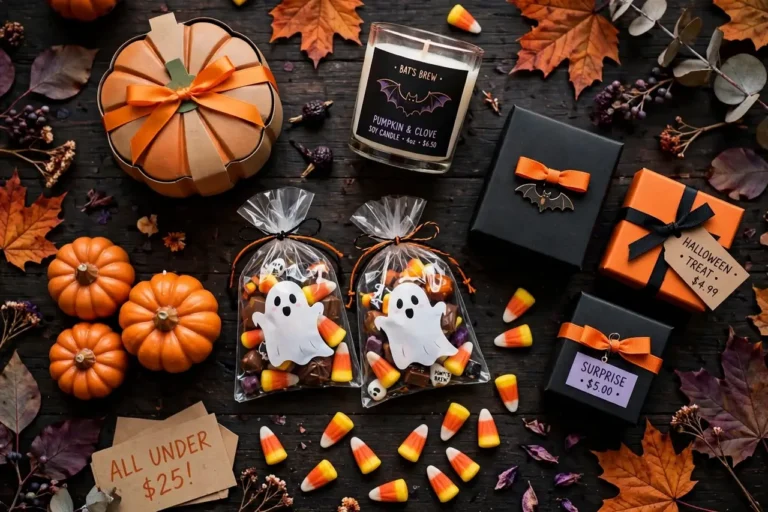
- Candy strategy: If including candy, choose individually wrapped, nut-free options and keep quantities modest — kids already get plenty on Halloween night itself. A few pieces plus non-food items beats a bag of pure sugar.
- Personal touch: A handwritten “thank you for coming” tag with each child’s name takes 20 minutes for 15 kids and makes the favor feel special rather than mass-produced. Our Halloween quotes for kids have short, sweet lines perfect for favor tags.
- What to skip: Tiny plastic toys that break in an hour, anything with small parts for under-4s, slime you didn’t make yourself (unknown ingredients), and scented items (headache triggers for sensitive kids).
Rainy-Day Backup Plans
October weather is unpredictable — especially for the outdoor-friendly themes. Build your backup now, not in a panic:
- The 48-hour rule: Check the forecast 48 hours out. If rain looks likely, commit to the indoor version then — don’t wait until party morning hoping it clears.
- Theme translations: Pumpkin Patch → indoor “patch” with blankets and scattered pumpkins (works fine inside). Glow Hunt → indoor black-light hunt through rooms (arguably better indoors). Carnival → hallway booths instead of yard booths. Mad Scientist → kitchen table labs (cover everything).
- Space math: Indoor backup needs roughly 1.5× the floor space per child of the outdoor plan, because energy has nowhere to go. Compensate with an extra high-energy game (freeze dance, relay races in a hallway) to burn it off.
- Communicate early: Text parents the morning of: “Party’s indoors due to weather — same time, same fun!” Parents appreciate knowing; kids adapt instantly.
- Wet-shoe station: If guests arrive in rain, have a towel mat, a shoe tray, and a “wet costume” backup (a spare cape or accessory) ready at the door. Soggy arrivals who get dried off fast forget the rain in minutes.
Handling Party-Day Surprises
- A child gets scared: Have a designated calm corner (cushions, books, coloring) and let them decompress without fuss. Never force participation — most kids rejoin on their own within 15 minutes once they see others having fun.
- A child gets hurt: First-aid kit, ice pack, calm adult. Minor bumps handled matter-of-factly (“let’s get some ice on that, then back to the hunt!”) prevent drama from spreading.
- Extra siblings show up: It happens. Keep 2–3 spare favor bags and craft supplies — the cost is trivial and the goodwill is enormous.
- An activity flops: Drop it fast and move to the next one. Kids don’t mourn dead activities; they only get restless during transitions. Your over-planned extras exist for exactly this moment.
- Sugar crash wave: Around the 90-minute mark, expect energy to dip. That’s your cue for the calm craft or story time — ride the wave, don’t fight it. Then finish with the high-energy finale (parade, dance, treasure reveal) to end on a peak.